Noah Parker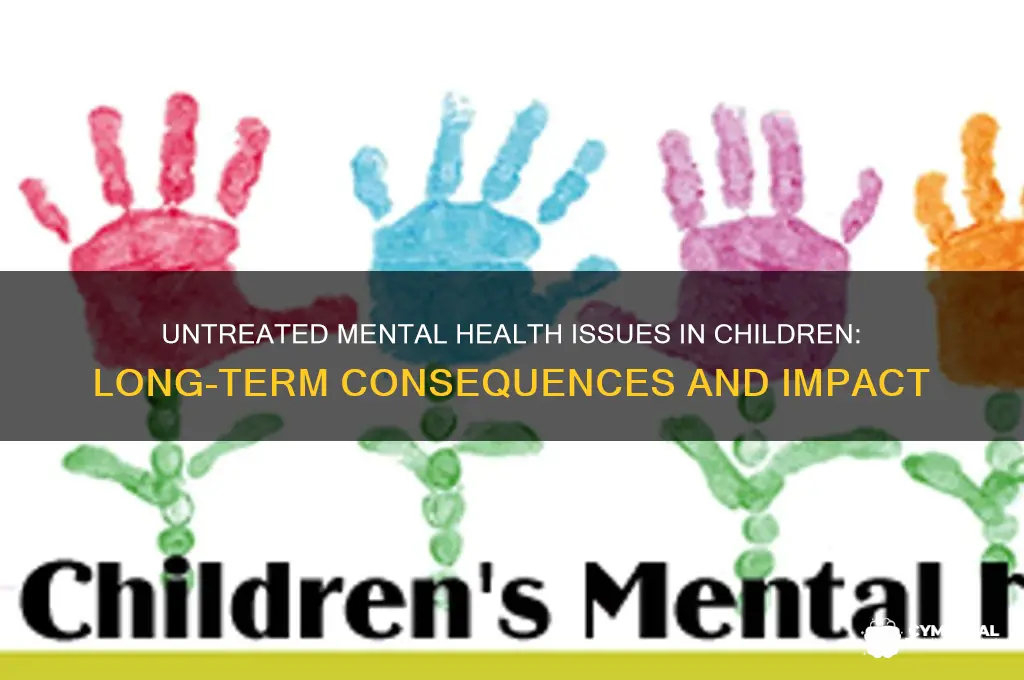
Untreated mental health issues in children can have profound and far-reaching consequences, impacting their emotional, social, and cognitive development. When left unaddressed, conditions such as anxiety, depression, or ADHD can lead to academic struggles, difficulty forming relationships, and low self-esteem. Over time, these challenges may escalate into more severe problems, including behavioral issues, substance abuse, or even self-harm. Early intervention is critical, as children’s brains are highly adaptable, and timely support can prevent long-term damage, fostering resilience and healthier outcomes. Ignoring these issues not only harms the child but also places a significant burden on families, schools, and communities, underscoring the urgent need for accessible mental health care and awareness.
| Characteristics | Values |
|---|---|
| Academic Performance | Children with untreated mental health issues often experience a decline in academic performance, including lower grades, difficulty concentrating, and increased school absences. (Source: CDC, 2023) |
| Social Development | Untreated mental health issues can lead to social withdrawal, difficulty forming and maintaining relationships, and increased risk of bullying or social isolation. (Source: American Academy of Child & Adolescent Psychiatry, 2022) |
| Emotional Regulation | Children may struggle with emotional regulation, exhibiting frequent mood swings, irritability, or aggressive behavior. (Source: National Institute of Mental Health, 2023) |
| Physical Health | Mental health issues can manifest physically, leading to headaches, stomachaches, sleep disturbances, and a weakened immune system. (Source: World Health Organization, 2022) |
| Substance Abuse | Untreated mental health issues increase the risk of substance abuse in adolescence and adulthood as a coping mechanism. (Source: Substance Abuse and Mental Health Services Administration, 2023) |
| Self-Esteem | Children with untreated mental health issues often develop low self-esteem, negative self-image, and feelings of worthlessness. (Source: Child Mind Institute, 2022) |
| Family Dynamics | Mental health issues can strain family relationships, leading to increased conflict, parental stress, and a negative home environment. (Source: National Alliance on Mental Illness, 2023) |
| Long-Term Outcomes | Without treatment, children are at higher risk for chronic mental health disorders, unemployment, and involvement in the criminal justice system in adulthood. (Source: Journal of the American Academy of Child & Adolescent Psychiatry, 2021) |
| Suicidal Ideation | Untreated mental health issues significantly increase the risk of suicidal thoughts and behaviors in children and adolescents. (Source: CDC, 2023) |
| Developmental Delays | Mental health issues can impair cognitive, emotional, and social development, leading to long-term developmental delays. (Source: American Psychological Association, 2022) |
Explore related products


What You'll Learn
- Academic Performance Decline: Struggling with mental health can lead to poor focus and lower grades
- Social Withdrawal: Children may isolate themselves, avoiding peers and social activities due to anxiety or depression
- Behavioral Issues: Untreated mental health problems often manifest as aggression, defiance, or acting out
- Physical Health Impact: Stress and mental distress can cause headaches, stomachaches, and sleep disturbances in children
- Long-Term Emotional Scars: Early untreated issues may lead to chronic mental health struggles in adulthood

Academic Performance Decline: Struggling with mental health can lead to poor focus and lower grades
Children grappling with untreated mental health issues often find themselves in a silent battle that spills over into their academic lives. The classroom, a space designed for learning and growth, can become a minefield of distractions and stressors for these students. Anxiety, depression, and other mental health challenges can hijack their ability to concentrate, making it nearly impossible to absorb lessons or retain information. For instance, a child with generalized anxiety disorder might spend more mental energy worrying about an upcoming test than actually studying for it, leading to subpar performance despite their best intentions.
Consider the mechanics of focus: the brain’s prefrontal cortex, responsible for attention and decision-making, is particularly vulnerable to the effects of stress and emotional turmoil. When a child is overwhelmed by mental health struggles, this region becomes less efficient, impairing their ability to prioritize tasks or sustain attention during lectures. A study published in the *Journal of Abnormal Child Psychology* found that children with untreated ADHD and anxiety scored significantly lower on standardized tests compared to their peers, not due to a lack of intelligence, but because their minds were constantly pulled in different directions.
Parents and educators can take proactive steps to mitigate this decline. First, establish a structured routine that includes dedicated study time, breaks, and physical activity. For example, a 10-minute mindfulness exercise before homework can help a child with anxiety center their thoughts. Second, advocate for accommodations like extended test times or quiet spaces for exams, which can reduce performance anxiety. Schools should also consider integrating mental health screenings into annual check-ups for children aged 8–18, as early detection can prevent long-term academic setbacks.
The ripple effects of poor academic performance extend beyond report cards. A child who consistently underperforms may internalize a sense of failure, further exacerbating their mental health struggles. This negative feedback loop can lead to school avoidance, social withdrawal, and even self-harm in severe cases. For instance, a 14-year-old with untreated depression might start skipping classes to avoid the shame of failing grades, isolating themselves from peers and support systems.
Breaking this cycle requires a collaborative effort. Teachers can be trained to recognize subtle signs of mental distress, such as sudden disinterest in favorite subjects or frequent trips to the nurse’s office. Parents should prioritize open conversations about mental health, normalizing struggles rather than stigmatizing them. For children aged 10–15, incorporating digital tools like focus-tracking apps or educational games can make learning feel less daunting. Ultimately, addressing mental health isn’t just about improving grades—it’s about restoring a child’s confidence and love for learning.
Supporting Loved Ones: Practical Ways to Aid Mental Health Struggles
You may want to see also
Explore related products


Social Withdrawal: Children may isolate themselves, avoiding peers and social activities due to anxiety or depression
Children who retreat into social withdrawal often exhibit a silent struggle, their isolation a visible symptom of underlying anxiety or depression. Unlike typical shyness, this withdrawal is persistent and pervasive, marked by a deliberate avoidance of peers and activities once enjoyed. For instance, a child who previously thrived in team sports may suddenly refuse to attend practices, citing vague excuses like fatigue or disinterest. This behavior isn’t merely a phase; it’s a distress signal, indicating a deeper emotional turmoil that demands attention.
Consider the developmental implications of such isolation. Between ages 6 and 12, children refine social skills through peer interactions, learning cooperation, conflict resolution, and empathy. When mental health issues drive them to withdraw, these critical opportunities are lost. A 10-year-old avoiding recess or birthday parties isn’t just missing out on fun—they’re missing out on foundational experiences that shape their ability to form relationships later in life. Over time, this can lead to a cycle where social awkwardness reinforces isolation, making reintegration increasingly difficult.
Parents and caregivers can intervene by adopting a two-pronged approach: observation and engagement. First, monitor behavioral changes systematically. Keep a journal noting patterns—does the child avoid social situations only at school, or everywhere? Are there specific triggers, like group presentations or unstructured playtime? Second, create low-pressure social opportunities at home, such as inviting one friend over for a structured activity like board games or baking. For adolescents, digital connections can serve as a bridge; encourage participation in online clubs aligned with their interests, but ensure these interactions complement, not replace, real-world engagement.
Professional support is often necessary to address the root causes of withdrawal. Cognitive-behavioral therapy (CBT) has proven effective for children aged 8 and older, helping them identify and reframe negative thought patterns that fuel avoidance. For younger children, play therapy can provide a non-verbal outlet for expressing emotions. Medication may be considered in severe cases of anxiety or depression, but always as part of a comprehensive treatment plan that includes therapy and lifestyle adjustments. Early intervention is key; the longer withdrawal persists, the more entrenched the behavior becomes.
Finally, schools play a pivotal role in breaking the cycle of isolation. Teachers can implement "buddy systems" to pair withdrawn students with empathetic peers for group activities. Administrators should ensure mental health screenings are part of routine check-ins, especially for children showing signs of disengagement. By fostering inclusive environments and normalizing conversations about emotions, schools can help children feel safe enough to re-emerge from their shells. Social withdrawal is not an unsolvable problem—it’s a call to action, requiring patience, creativity, and collaboration across all facets of a child’s world.
Navigating Interactions: Staying Safe Around Individuals Experiencing Delusions
You may want to see also
Explore related products


Behavioral Issues: Untreated mental health problems often manifest as aggression, defiance, or acting out
Children with untreated mental health issues often exhibit behavioral problems that can be misunderstood as simple disciplinary issues. Aggression, defiance, and acting out are common manifestations of underlying emotional distress. For instance, a 7-year-old with untreated anxiety might lash out physically during playtime, not because they are inherently violent, but because they feel overwhelmed and lack the coping mechanisms to express their fear. These behaviors are not acts of rebellion but cries for help, signaling that the child is struggling to manage their emotions in a healthy way.
Consider the classroom setting, where a child with untreated ADHD might repeatedly disrupt lessons by talking out of turn or refusing to follow instructions. Teachers and peers may label the child as "difficult" or "disruptive," but the root cause lies in the child’s inability to regulate their attention and impulses. Without intervention, such behaviors can lead to academic failure, social isolation, and a cycle of negative reinforcement, as the child internalizes the belief that they are inherently problematic. This highlights the critical need for early identification and treatment to address the underlying mental health issues driving these behaviors.
From a practical standpoint, parents and caregivers can take proactive steps to mitigate behavioral issues stemming from untreated mental health problems. First, observe patterns in the child’s behavior—does aggression spike after school, or does defiance occur during transitions? Identifying triggers can help create a structured environment that minimizes stress. Second, teach age-appropriate emotional regulation skills, such as deep breathing for younger children or journaling for preteens. For example, a 10-year-old struggling with anger might benefit from a "calm-down corner" equipped with sensory tools like a stress ball or a timer to encourage self-soothing.
Comparatively, untreated behavioral issues in children can have vastly different outcomes depending on the support systems in place. A child in a school with access to mental health resources might receive early intervention, such as counseling or behavioral therapy, which can prevent escalation. In contrast, a child in an under-resourced environment may face punitive measures like suspension, exacerbating their feelings of alienation and worsening their mental health. This disparity underscores the importance of advocating for equitable access to mental health services for all children, regardless of socioeconomic status.
Finally, it’s essential to reframe how we perceive and respond to behavioral issues in children. Instead of asking, "How do we stop this behavior?" caregivers and educators should ask, "What is this behavior trying to communicate?" A defiant teenager, for instance, might be expressing frustration over feeling unheard or overwhelmed by expectations. By approaching these behaviors with empathy and curiosity, adults can foster trust and create opportunities for meaningful dialogue. Early intervention, combined with a compassionate understanding of the child’s experience, can transform destructive patterns into pathways for healing and growth.
Navigating Mental Health: Strategies for Resilience and Emotional Well-Being
You may want to see also
Explore related products


$10.16 $20

$20.49 $36.99


Physical Health Impact: Stress and mental distress can cause headaches, stomachaches, and sleep disturbances in children
Children experiencing untreated mental health issues often manifest their emotional turmoil through physical symptoms, a phenomenon known as somatization. Stress and mental distress, in particular, can lead to frequent headaches, stomachaches, and sleep disturbances. These symptoms are not merely coincidental but are directly linked to the body’s stress response. When a child is under chronic stress, the body releases cortisol and adrenaline, which, over time, can disrupt normal physiological functions. For instance, elevated cortisol levels can cause tension headaches, while adrenaline spikes may lead to gastrointestinal discomfort, such as stomachaches. Sleep disturbances, including difficulty falling asleep or staying asleep, often result from an overactive mind and heightened anxiety. Recognizing these physical signs as potential indicators of underlying mental health struggles is crucial for early intervention.
Consider the case of a 10-year-old child who complains of recurring stomachaches before school. Parents and caregivers might initially attribute these symptoms to dietary issues or minor illnesses. However, if the pain persists without a clear medical cause, it could be a red flag for anxiety or stress related to school performance, bullying, or family dynamics. Similarly, frequent headaches in children, especially those accompanied by fatigue or irritability, may signal prolonged exposure to stressful environments. Sleep disturbances, such as nightmares or insomnia, can further exacerbate these issues, creating a cycle where poor sleep worsens mental health, which in turn intensifies physical symptoms. Addressing these physical manifestations requires a holistic approach that considers both the mental and physical well-being of the child.
To mitigate these physical health impacts, caregivers can implement practical strategies to reduce stress and improve mental health. For headaches, encourage children to take regular breaks during mentally demanding tasks, practice relaxation techniques like deep breathing, and maintain consistent hydration. Stomachaches can often be alleviated by establishing a routine for meals, ensuring a balanced diet, and fostering open conversations about stressors. For sleep disturbances, create a calming bedtime routine that includes activities like reading, listening to soothing music, or practicing mindfulness. Limiting screen time at least an hour before bed can also improve sleep quality. Additionally, teaching children age-appropriate stress management skills, such as journaling or engaging in physical activity, can empower them to cope with mental distress more effectively.
Comparing the physical health impacts of untreated mental health issues in children to those in adults highlights the unique vulnerability of younger individuals. While adults may develop chronic conditions like hypertension or cardiovascular disease over time, children’s bodies respond more acutely to stress, often manifesting symptoms quickly and intensely. This underscores the urgency of addressing mental health in children before physical symptoms become entrenched. Early intervention not only alleviates immediate discomfort but also prevents long-term health complications. By prioritizing mental health and recognizing its physical manifestations, caregivers can play a pivotal role in safeguarding children’s overall well-being.
In conclusion, the physical health impact of untreated mental health issues in children is a critical yet often overlooked aspect of their development. Stress and mental distress can manifest as headaches, stomachaches, and sleep disturbances, serving as visible signs of invisible struggles. By understanding the connection between mental and physical health, caregivers can take proactive steps to support children effectively. Implementing practical strategies to reduce stress, fostering open communication, and seeking professional help when needed are essential measures to break the cycle of physical and mental distress. Ultimately, addressing these symptoms not only improves a child’s quality of life but also lays the foundation for long-term health and resilience.
Navigating Young Adulthood: Strategies for Managing Mental Health Challenges
You may want to see also
Explore related products


Long-Term Emotional Scars: Early untreated issues may lead to chronic mental health struggles in adulthood
Childhood mental health issues, when left unaddressed, can act as silent architects of adult suffering. Imagine a foundation cracked under the weight of unseen pressures—anxiety, depression, trauma—that, without repair, weakens the entire structure. By age 14, an estimated 20% of children experience a mental health disorder, yet fewer than half receive treatment. These early cracks, if untreated, often harden into chronic conditions like generalized anxiety disorder, major depressive disorder, or borderline personality disorder in adulthood. The brain’s neuroplasticity, a blessing in early years, becomes a curse when maladaptive patterns are allowed to solidify.
Consider the case of a child experiencing prolonged bullying. Without intervention, the constant stress activates their fight-or-flight response, flooding their system with cortisol. Over time, this hypervigilance rewires their brain’s amygdala, the fear center, making them predisposed to panic attacks or PTSD later in life. Studies show that adults who experienced bullying in childhood are 4.3 times more likely to develop agoraphobia. Similarly, a child with untreated ADHD may internalize failures as personal flaws, fostering a lifelong pattern of low self-esteem and avoidance behaviors that hinder career and relationships.
The instructive path forward lies in early detection and targeted intervention. Parents and educators must recognize red flags: persistent sadness, sudden academic decline, or social withdrawal. For children under 12, cognitive-behavioral therapy (CBT) paired with family counseling has shown a 70% success rate in mitigating long-term impacts. Adolescents benefit from dialectical behavior therapy (DBT), which teaches emotional regulation skills to counteract the impulsivity often rooted in untreated childhood trauma. Schools can integrate mindfulness programs, proven to reduce cortisol levels by 15% in students aged 8–14.
Yet, barriers persist. Stigma silences conversations, while systemic gaps leave low-income families with limited access to care. A persuasive argument must be made for policy reforms: funding school-based mental health services, training teachers in trauma-informed practices, and mandating insurance coverage for child therapy. Until then, caregivers can take proactive steps: model emotional honesty, establish routines that foster predictability, and advocate for accommodations like extended test times for children with anxiety.
In closing, untreated childhood mental health issues are not fleeting storms but seeds of chronic struggles. The cost of inaction is measured in decades of suffering, yet the tools for prevention are within reach. Addressing these issues early is not just compassionate—it’s a strategic investment in a healthier, more resilient adulthood.
Overcoming Mental Health Challenges: Effective Strategies for Healing and Recovery
You may want to see also
Frequently asked questions
Untreated mental health issues can lead to difficulties concentrating, decreased motivation, and increased absenteeism, resulting in poor academic performance and a higher risk of dropping out.
Yes, untreated mental health issues can cause social withdrawal, difficulty forming relationships, and increased conflict with peers, hindering healthy social development.
Long-term consequences may include chronic mental health disorders, substance abuse, unemployment, and a higher risk of physical health problems in adulthood.
Untreated issues can lead to heightened anxiety, depression, low self-esteem, and emotional instability, making it harder for children to cope with stress and challenges.
Yes, untreated mental health issues can manifest physically, causing symptoms like headaches, stomachaches, sleep disturbances, and a weakened immune system.