Noah Parker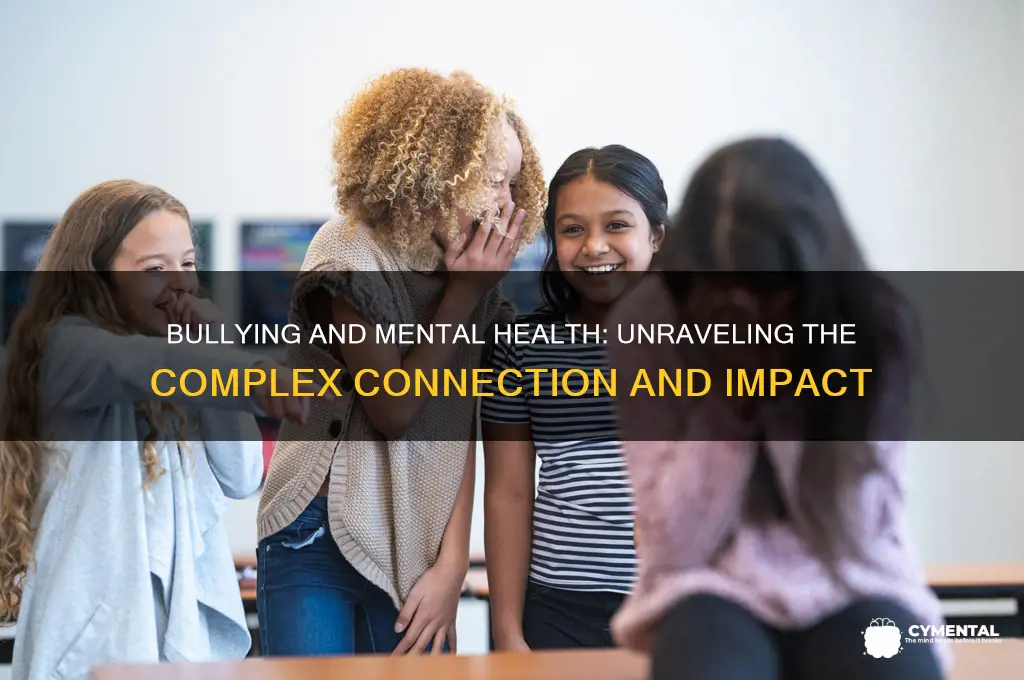
Bullying, often dismissed as a harmless rite of passage, is increasingly recognized as a significant mental health issue with profound and lasting consequences for both victims and perpetrators. Research indicates that individuals who experience bullying are at a heightened risk of developing anxiety, depression, post-traumatic stress disorder (PTSD), and even suicidal ideation, while those who engage in bullying behavior may exhibit underlying mental health challenges such as conduct disorder or low self-esteem. The cyclical nature of bullying further complicates the issue, as victims may internalize their experiences and adopt aggressive behaviors themselves, perpetuating a cycle of harm. Addressing bullying as a mental health concern requires a multifaceted approach, including early intervention, mental health support, and systemic changes to foster safer, more inclusive environments. By acknowledging the psychological dimensions of bullying, society can better mitigate its impact and promote long-term well-being for all involved.
| Characteristics | Values |
|---|---|
| Definition | Bullying is recognized as a significant contributor to mental health issues in victims. |
| Prevalence | Approximately 20-30% of students worldwide report being bullied (UNESCO, 2021). |
| Mental Health Impact on Victims | Increased risk of anxiety, depression, PTSD, and suicidal ideation. |
| Mental Health Impact on Bullies | Higher likelihood of developing antisocial personality disorder and substance abuse issues. |
| Long-Term Effects | Chronic mental health conditions, lower self-esteem, and impaired social functioning. |
| Gender Differences | Girls are more likely to experience relational bullying, while boys face physical bullying. |
| Age Groups Affected | Most prevalent among adolescents (ages 12-18), but can occur in younger children and adults. |
| Role of Social Media | Cyberbullying exacerbates mental health issues due to its pervasive and anonymous nature. |
| Preventive Measures | School-based anti-bullying programs, parental involvement, and mental health support. |
| Policy and Legislation | Many countries have implemented laws to address bullying and its mental health consequences. |
| Research Findings | Strong correlation between bullying and mental health disorders (JAMA Pediatrics, 2023). |
Explore related products


What You'll Learn

Bullying’s Impact on Anxiety and Depression
Bullying leaves more than bruises; it carves deep into the psyche, often triggering or exacerbating anxiety and depression. Research consistently shows that victims of bullying are at a significantly higher risk of developing these mental health disorders. A 2017 study published in *JAMA Psychiatry* found that individuals bullied during adolescence were twice as likely to experience anxiety and depression in adulthood compared to their non-bullied peers. This isn’t merely a temporary emotional response; it’s a long-term rewiring of the brain’s stress response system, making it hypervigilant and prone to overreacting to perceived threats.
Consider the mechanism at play: bullying creates a chronic state of fear and helplessness, key ingredients for anxiety disorders. The brain’s amygdala, responsible for processing fear, becomes overactive, while the prefrontal cortex, which regulates emotions, struggles to keep up. Over time, this imbalance can lead to generalized anxiety disorder, where everyday situations feel overwhelming. For instance, a teenager bullied for their appearance might develop social anxiety, avoiding public spaces or interactions for fear of judgment. Similarly, the persistent negativity and isolation associated with bullying can foster feelings of worthlessness and hopelessness, hallmark symptoms of depression. A 2015 meta-analysis in *The BMJ* revealed that bullied children are three times more likely to experience suicidal ideation by early adulthood.
Addressing bullying’s impact requires a multi-faceted approach. For parents and educators, early intervention is critical. Signs of anxiety or depression in bullied individuals often manifest as changes in sleep patterns, appetite, or academic performance. If a child withdraws from activities they once enjoyed or exhibits persistent sadness, seek professional help promptly. Cognitive-behavioral therapy (CBT) has proven effective in helping victims reframe negative thought patterns and build resilience. Schools can implement anti-bullying programs like the Olweus Bullying Prevention Program, which has reduced bullying incidents by up to 50% in some studies.
For those directly affected, self-care strategies can mitigate the mental health toll. Regular physical activity, such as 30 minutes of moderate exercise daily, reduces cortisol levels and boosts endorphins, alleviating symptoms of anxiety and depression. Mindfulness practices, like guided meditation or journaling, can help ground individuals in the present moment, counteracting the rumination often triggered by bullying. Peer support groups provide a safe space to share experiences and reduce feelings of isolation. Remember, acknowledging the emotional scars of bullying isn’t a sign of weakness—it’s the first step toward healing.
Finally, society must shift its perspective on bullying from a “rite of passage” to a public health crisis. Policies that hold perpetrators accountable and foster empathy are essential. For example, Finland’s *Kiva* anti-bullying program involves bystanders in intervention, reducing bullying by 40% in participating schools. By treating bullying as a systemic issue rather than individual incidents, we can create environments that protect mental health and prevent the onset of anxiety and depression. The scars of bullying may run deep, but with the right support, they don’t have to define a person’s future.
Is Anger a Disorder? Understanding Its Mental Health Implications
You may want to see also
Explore related products


Long-Term Psychological Effects on Victims
Bullying leaves scars that often extend far beyond the immediate pain of the experience. Victims may carry the psychological weight of these encounters for years, if not decades, manifesting in various mental health challenges. Research consistently shows that individuals who have been bullied are at a significantly higher risk of developing anxiety disorders, depression, and post-traumatic stress disorder (PTSD). For instance, a study published in *The Lancet Psychiatry* found that adults who were bullied during childhood were 4.2 times more likely to experience agoraphobia, a severe anxiety disorder characterized by fear of public spaces. These conditions can disrupt daily functioning, making it difficult for victims to maintain relationships, excel in careers, or even leave their homes.
The impact of bullying on self-esteem is another critical area of concern. Repeated exposure to derogatory comments, social exclusion, or physical harm can erode a person’s sense of self-worth, leading to chronic feelings of inadequacy. This diminished self-esteem often persists into adulthood, influencing how individuals perceive themselves and their abilities. For example, a bullied teenager who internalizes the label of being "worthless" may grow into an adult who avoids pursuing ambitious goals, fearing failure or rejection. Practical steps to counteract this include cognitive-behavioral therapy (CBT), which helps individuals challenge negative thought patterns, and group therapy, where victims can rebuild confidence in a supportive environment.
One of the most insidious long-term effects of bullying is its ability to alter brain structure and function. Neuroimaging studies have revealed that victims of chronic bullying exhibit changes in the amygdala, the brain region responsible for processing fear and stress responses. These changes can lead to heightened sensitivity to perceived threats, even in non-threatening situations. Additionally, the prefrontal cortex, which governs decision-making and emotional regulation, may show reduced activity, impairing the individual’s ability to cope with stress. For parents and educators, early intervention is key: teaching children mindfulness techniques or enrolling them in resilience-building programs can mitigate these neurological changes.
Comparatively, the psychological effects of bullying can be as debilitating as those of other traumatic experiences, such as abuse or neglect. Unlike these, however, bullying often occurs in environments where victims should feel safe—schools, workplaces, or social circles—making it harder to escape or process. This duality exacerbates feelings of helplessness and betrayal, complicating recovery. For instance, a child bullied by peers in school may develop a generalized distrust of social institutions, affecting their willingness to seek help or engage in community activities later in life. Addressing this requires systemic change, such as implementing anti-bullying policies and fostering cultures of empathy and accountability.
Finally, the long-term psychological effects of bullying often intersect with physical health, creating a cycle of decline. Chronic stress from bullying can weaken the immune system, increase inflammation, and elevate the risk of conditions like heart disease and diabetes. Adults who were bullied as children are also more likely to engage in unhealthy coping mechanisms, such as substance abuse or disordered eating, further compounding their health issues. Breaking this cycle demands a holistic approach: combining mental health treatment with lifestyle interventions like regular exercise, balanced nutrition, and adequate sleep. By addressing both the mind and body, victims can reclaim their well-being and build resilience against the lingering shadows of bullying.
Navigating Mental Health: Strategies for Awareness, Support, and Healing
You may want to see also
Explore related products


Bullies’ Mental Health Struggles
Bullying is often framed as a problem for victims, but the mental health struggles of bullies themselves are equally critical—and frequently overlooked. Research indicates that individuals who engage in bullying behavior are at a heightened risk for anxiety, depression, and substance abuse. A 2017 study published in the *Journal of Adolescent Health* found that bullies are three times more likely to experience depressive symptoms compared to their non-bullying peers. This paradoxical vulnerability challenges the assumption that bullies are simply "bad kids" and highlights the need to address their underlying psychological distress.
Consider the cycle of aggression as a coping mechanism. Bullies often use dominance and intimidation to mask their own insecurities or trauma. For instance, a child who experiences abuse at home may externalize their pain by targeting others at school. This behavior is not an excuse but a cry for help, rooted in a lack of healthy emotional regulation skills. Without intervention, these patterns can escalate, leading to long-term mental health issues such as borderline personality disorder or antisocial tendencies in adulthood. Early identification of risk factors—like family dysfunction or peer rejection—is crucial for breaking this cycle.
From a practical standpoint, schools and parents can implement strategies to support bullies' mental health. Cognitive-behavioral therapy (CBT) has proven effective in teaching bullies empathy and alternative conflict-resolution skills. A 2020 meta-analysis in *School Psychology Review* showed that CBT reduced bullying behavior by 25% over 6 months. Additionally, creating safe spaces for bullies to express their emotions—such as counseling groups or mentorship programs—can foster self-awareness and accountability. For adolescents aged 12–18, combining therapy with structured activities like sports or art can provide healthy outlets for aggression.
Comparing bullies to their victims reveals a shared thread of suffering. Both groups often experience social isolation, low self-esteem, and a distorted sense of self-worth. However, while victims typically internalize their pain, bullies externalize it, creating a destructive feedback loop. This distinction underscores the importance of dual-focused interventions that address both parties' needs. Schools should adopt zero-tolerance policies not as punitive measures but as frameworks for restorative justice, encouraging bullies to take responsibility while receiving the mental health support they desperately need.
Ultimately, recognizing bullies as individuals in crisis shifts the narrative from blame to healing. Their mental health struggles are not a justification for harmful behavior but a call to action for systemic change. By treating bullying as a symptom of deeper psychological issues, we can move beyond surface-level discipline and toward meaningful rehabilitation. This approach not only protects victims but also offers bullies a chance to break free from their own cycles of pain, fostering healthier relationships and communities in the process.
Supporting Loved Ones: Compassionate Strategies for Mental Health Challenges
You may want to see also
Explore related products


Trauma and PTSD from Bullying
Bullying inflicts more than temporary distress; it can embed deep psychological wounds that manifest as trauma and, in severe cases, Post-Traumatic Stress Disorder (PTSD). Repeated exposure to humiliation, threats, or violence activates the brain’s fear response, flooding it with stress hormones like cortisol. Over time, this chronic activation rewires neural pathways, making survivors hypervigilant and prone to flashbacks, nightmares, and severe anxiety. Unlike acute trauma from a single event, bullying-induced trauma is insidious, often dismissed as "just part of growing up," delaying recognition and treatment.
Consider the case of a teenager who endures years of cyberbullying. Daily barrages of hateful messages and public shaming create a pervasive sense of danger, even in safe environments. This individual might develop PTSD symptoms such as avoidance of social media, panic attacks triggered by notifications, or intrusive memories of past incidents. Research shows that adolescents exposed to chronic bullying are up to three times more likely to meet PTSD diagnostic criteria than their non-bullied peers. Early intervention, such as cognitive-behavioral therapy (CBT) or eye movement desensitization and reprocessing (EMDR), can mitigate these effects, but untreated cases often lead to long-term mental health struggles.
Trauma from bullying is not confined to childhood; its effects can persist into adulthood, shaping relationships, career choices, and self-perception. Survivors often report difficulty trusting others, fearing rejection or betrayal. For instance, a professional who was bullied in school might avoid leadership roles due to lingering insecurities about their competence. This highlights the need for workplace mental health programs that address trauma, such as resilience training or peer support groups. Employers can foster safer environments by implementing zero-tolerance policies for harassment and offering confidential counseling services.
To address bullying-related trauma effectively, a multi-faceted approach is essential. Schools should integrate trauma-informed practices, such as teaching emotional regulation and conflict resolution, while parents must remain vigilant for subtle signs of distress, like sudden changes in behavior or academic performance. Therapists can employ techniques like narrative therapy to help survivors reframe their experiences and reclaim their sense of agency. Additionally, policymakers should fund research on the long-term impacts of bullying, ensuring that mental health resources are accessible to all age groups. By acknowledging the profound connection between bullying and trauma, society can move beyond superficial solutions and foster genuine healing.
Empathetic Strategies for Supporting Clients with Mental Health Challenges
You may want to see also
Explore related products


$14.2 $44.99


$14.49 $21.99


Prevention and Mental Health Support Strategies
Bullying inflicts psychological wounds that often manifest as anxiety, depression, or PTSD, making it a critical mental health issue. To mitigate its impact, prevention and support strategies must be multifaceted, addressing both the immediate and long-term needs of victims, bystanders, and even perpetrators. Here’s how to approach this systematically.
Step 1: Foster a Culture of Empathy and Accountability
Implement school-wide or workplace programs that explicitly teach empathy, emotional intelligence, and conflict resolution. For instance, the *Roots of Empathy* program, which brings infants into classrooms to teach children about emotions, has shown a 50% reduction in bullying behaviors. Pair this with clear, enforceable anti-bullying policies that emphasize accountability, not just punishment. For example, restorative justice practices, where bullies and victims engage in mediated conversations, can reduce recidivism by 33% compared to traditional disciplinary methods.
Step 2: Train Gatekeepers to Recognize Early Signs
Educate teachers, parents, and peers to identify subtle signs of bullying, such as sudden changes in behavior, sleep disturbances, or declining academic performance. A study in *JAMA Pediatrics* found that 60% of bullied children exhibit symptoms of anxiety within six months. Provide gatekeepers with actionable steps, like the 5-Step Rule: 1) Notice the change, 2) Ask open-ended questions, 3) Listen without judgment, 4) Document observations, and 5) Report to a mental health professional or counselor.
Step 3: Integrate Mental Health Support into Response Plans
Victims of bullying require immediate access to mental health resources. Schools and workplaces should offer tiered support systems: Tier 1 (universal) includes psychoeducation on stress management; Tier 2 (targeted) provides group counseling for at-risk individuals; Tier 3 (intensive) offers individual therapy or medication management for severe cases. Cognitive Behavioral Therapy (CBT) has proven effective, with 70% of bullied adolescents showing symptom reduction after 12 sessions.
Caution: Avoid Overlooking Bystanders and Bullies
Bystanders often experience guilt or fear, while bullies may struggle with underlying issues like low self-esteem or familial aggression. Include these groups in prevention efforts. For bystanders, role-playing scenarios that encourage intervention (e.g., the Upstander Training model) can empower them to act. For bullies, programs like Aggression Replacement Training (ART) focus on anger management and moral reasoning, reducing aggressive behaviors by 40% in adolescents.
Prevention and support strategies must intertwine education, policy, and mental health care to address bullying’s root causes and consequences. By creating empathetic environments, training vigilant gatekeepers, and providing tiered mental health support, communities can break the cycle of harm. Remember, the goal isn’t just to stop bullying—it’s to build resilience and foster well-being for everyone involved.
Navigating Termination with Compassion: Supporting Employees with Mental Health Challenges
You may want to see also
Frequently asked questions
Yes, bullying can have significant mental health consequences for victims, including anxiety, depression, low self-esteem, and post-traumatic stress disorder (PTSD).
Yes, bullying can lead to long-term mental health issues, such as chronic depression, suicidal ideation, and difficulties with social relationships and trust.
Yes, bullies are also at risk for mental health problems, including aggression, conduct disorders, substance abuse, and difficulties with empathy and emotional regulation.
Yes, addressing bullying often requires mental health intervention for both victims and bullies, such as counseling, therapy, and support programs to address underlying issues and promote healing.