Madison Cole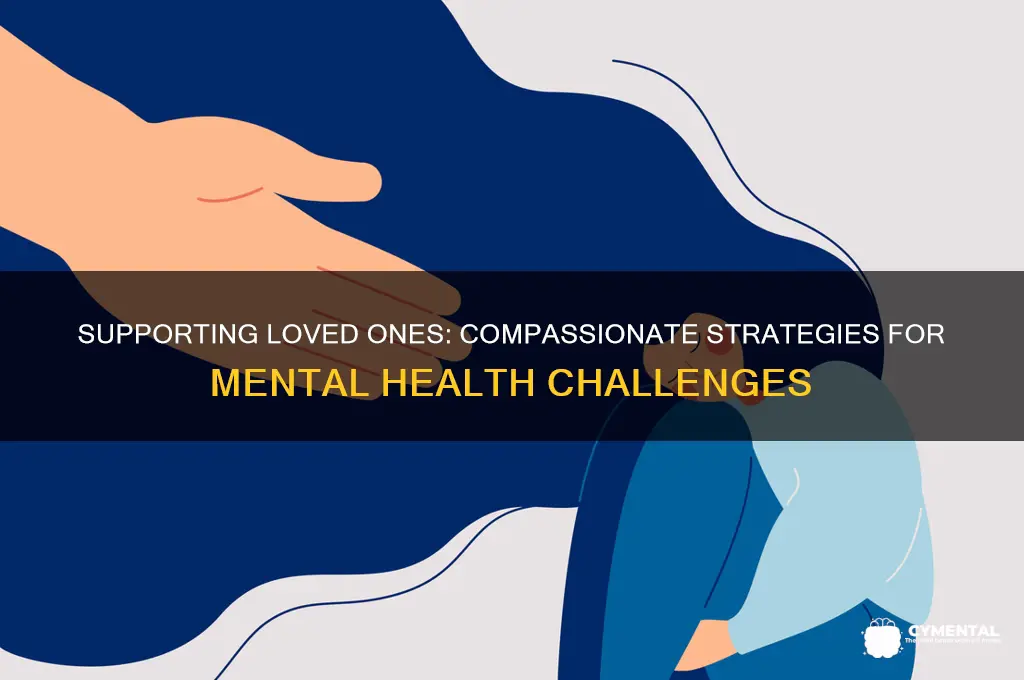
Supporting a loved one with mental health issues requires patience, empathy, and understanding. It’s essential to educate yourself about their condition to better comprehend their experiences and challenges, while also being mindful not to assume you know exactly what they’re going through. Active listening, without judgment or unsolicited advice, can create a safe space for them to express their feelings. Encourage professional help and offer to assist with finding resources or accompanying them to appointments, but respect their autonomy and boundaries. Small gestures, like checking in regularly or spending quality time together, can make a significant difference. Remember to prioritize your own well-being, as supporting someone with mental health struggles can be emotionally demanding, and maintaining your own mental health is crucial for both of you.
Explore related products


What You'll Learn
- Educate Yourself: Learn about their condition, symptoms, and effective ways to offer support
- Active Listening: Be present, non-judgmental, and validate their feelings without interrupting
- Encourage Professional Help: Gently suggest therapy or medication if they haven’t sought it
- Maintain Boundaries: Support them while prioritizing your own mental and emotional well-being
- Show Consistent Care: Small gestures, regular check-ins, and patience make a big difference

Educate Yourself: Learn about their condition, symptoms, and effective ways to offer support
Understanding your loved one's mental health condition is the cornerstone of effective support. Imagine trying to navigate a foreign city without a map; you’d likely feel lost and ineffective. Similarly, without knowledge of their specific diagnosis—be it depression, anxiety, bipolar disorder, or another condition—your efforts to help may fall short or even cause unintended harm. For instance, someone with anxiety might misinterpret well-intentioned pressure to "just relax" as dismissive, while a person with depression may feel invalidated by advice to "snap out of it." Researching their condition provides insight into their experiences, helping you respond with empathy and precision.
Start by consulting reputable sources such as the National Alliance on Mental Illness (NAMI), the World Health Organization (WHO), or peer-reviewed articles. Focus on understanding the symptoms, triggers, and common misconceptions associated with their condition. For example, learning that psychosis in schizophrenia involves a disconnection from reality, not a split personality, can reshape how you communicate with someone experiencing it. Equally important is recognizing that mental health conditions manifest differently across individuals; what applies to one person may not apply to another, even with the same diagnosis.
Beyond the clinical aspects, educate yourself on evidence-based support strategies. For instance, if your loved one struggles with obsessive-compulsive disorder (OCD), learn about exposure and response prevention (ERP) therapy and how to avoid enabling compulsive behaviors. For someone with post-traumatic stress disorder (PTSD), familiarize yourself with grounding techniques, such as the 5-4-3-2-1 method (naming five things you see, four you can touch, etc.), which can help during a flashback. Practical tools like these not only empower you to assist in moments of crisis but also demonstrate your commitment to their well-being.
However, education isn’t a one-time task—it’s an ongoing process. Mental health research evolves, and your loved one’s condition may change over time. Stay informed by subscribing to newsletters from mental health organizations, attending workshops, or joining support groups for caregivers. Additionally, be mindful of your own biases and assumptions. For example, avoid conflating media portrayals of mental illness with real-life experiences. A person with borderline personality disorder is not inherently manipulative, any more than someone with depression is simply "lazy." Challenging these stereotypes ensures your support remains compassionate and informed.
Finally, balance your learning with active listening. While research provides a framework, your loved one is the expert on their own experience. Ask open-ended questions like, "What does this feel like for you?" or "How can I best support you right now?" This not only deepens your understanding but also fosters trust and collaboration. Education is a tool, not a replacement for human connection. By combining knowledge with empathy, you create a supportive environment where your loved one feels seen, heard, and valued.
Compassionate Communication: Supporting Individuals with Mental Health Challenges
You may want to see also
Explore related products


Active Listening: Be present, non-judgmental, and validate their feelings without interrupting
One of the most powerful ways to support a loved one struggling with mental health is to master the art of active listening. This goes beyond simply hearing their words; it involves being fully present, both physically and mentally. Put away distractions like phones, turn off the TV, and maintain eye contact when possible. Mirror their body language subtly to signal engagement, and use nonverbal cues like nodding to encourage them to continue. Research shows that feeling truly heard can reduce stress and foster a sense of connection, both of which are crucial for someone navigating mental health challenges.
Active listening requires a conscious effort to suspend judgment. Your loved one needs a safe space to express their thoughts and emotions without fear of criticism or dismissal. Avoid phrases like "You shouldn't feel that way" or "Just think positively." Instead, use neutral language and reflect back what you hear to show understanding. For example, say, "It sounds like you're feeling overwhelmed by this situation," rather than offering unsolicited advice or minimizing their experience. Remember, your role isn't to fix their problems but to provide a supportive ear.
Validation is a cornerstone of active listening. Acknowledge the legitimacy of their feelings, even if you don't fully understand them. Phrases like "That must be really hard for you" or "It makes sense that you'd feel that way given what you're going through" can be incredibly comforting. Avoid the urge to compare their struggles to others' or downplay their experiences. Everyone's journey with mental health is unique, and validation helps them feel seen and accepted. Studies suggest that feeling validated can improve emotional regulation and strengthen relationships.
Finally, resist the temptation to interrupt, even if you think you know what they're going to say or have a solution in mind. Let them finish their thoughts completely before responding. Interrupting can make them feel rushed or unheard, potentially shutting down the conversation. If you need clarification, wait for a natural pause and then gently ask questions to deepen your understanding. Active listening is a skill that takes practice, but its impact on your loved one's well-being can be profound. By being present, non-judgmental, and validating, you create a safe and supportive environment where they feel comfortable sharing their struggles and working towards healing.
Healing Minds: Effective Strategies to Overcome Mental Health Challenges
You may want to see also
Explore related products


Encourage Professional Help: Gently suggest therapy or medication if they haven’t sought it
Professional help can be a lifeline for someone struggling with mental health issues, yet many hesitate to take that step. If your loved one hasn’t sought therapy or medication, it’s crucial to approach the topic with sensitivity and understanding. Start by acknowledging their feelings and experiences without judgment. For example, say, *"I’ve noticed you’ve been feeling overwhelmed lately, and I wonder if talking to someone professionally might help ease some of that burden."* Framing it as a suggestion rather than a demand opens the door for conversation without adding pressure.
Analyzing the barriers to seeking help reveals common fears: stigma, cost, or the belief that they should handle it alone. Address these concerns directly but gently. For instance, if cost is an issue, research affordable options like sliding-scale therapists or community mental health clinics. If stigma is the hurdle, share normalized perspectives: *"Just like we see a doctor for physical health, therapists are there for mental health—it’s nothing to be ashamed of."* Providing concrete examples or personal anecdotes (if appropriate) can make the idea feel less intimidating.
Persuasion works best when it’s rooted in empathy, not coercion. Highlight the potential benefits of professional help in a way that resonates with their values. For example, if they prioritize their family, say, *"Getting support could help you feel more present and energized for the people you care about."* If they’re goal-oriented, frame therapy as a tool for personal growth: *"Working with a professional could give you strategies to tackle these challenges more effectively."* Tailor your approach to their personality and priorities to make it feel relevant and actionable.
Comparing the impact of untreated mental health issues versus the potential outcomes of professional intervention can also be persuasive. For instance, untreated anxiety or depression can worsen over time, affecting relationships, work, and physical health. In contrast, studies show that therapy, medication, or a combination of both can significantly improve symptoms for many people. Share this in a factual, non-alarmist way: *"Many people find that therapy or medication helps them manage their symptoms better—it’s worth exploring to see if it could work for you too."*
Finally, be patient and prepared for resistance. It may take multiple conversations before they’re ready to consider professional help. Offer to assist with practical steps, like finding a therapist or scheduling an appointment, but respect their autonomy. If they’re open to medication, encourage them to consult a psychiatrist who can discuss options, dosages, and potential side effects. For example, antidepressants often start at a low dose (e.g., 10–20 mg of escitalopram) and are adjusted based on response and tolerance. Reassure them that seeking help is a sign of strength, not weakness, and that you’re there to support them every step of the way.
Navigating Disability Benefits for Mental Health: A Comprehensive Guide
You may want to see also
Explore related products


Maintain Boundaries: Support them while prioritizing your own mental and emotional well-being
Supporting a loved one with mental health issues can quickly blur the lines between caregiving and self-sacrifice. Without clear boundaries, you risk emotional exhaustion, resentment, or even developing your own mental health struggles. Think of it as the oxygen mask rule on airplanes: secure yours first before assisting others. This isn’t selfish—it’s essential for sustainable support.
Start by defining what your boundaries look like. Are there specific times of day when you need uninterrupted personal time? Are certain topics or behaviors from your loved one too triggering for you to handle? For example, if late-night crisis calls disrupt your sleep, establish a rule that non-emergency conversations wait until morning. Be explicit but compassionate: “I’m here for you, but I need to recharge from 9 PM onward to be fully present.”
Boundaries aren’t static; they require ongoing communication and adjustment. Your loved one might initially resist or feel abandoned, so frame boundaries as a way to strengthen your relationship, not distance yourself. For instance, instead of saying, “I can’t deal with this right now,” try, “Let’s talk about this after I’ve had some time to process—I want to give you my full attention.” Pair limits with alternatives, like suggesting they call a helpline or another trusted person when you’re unavailable.
One common pitfall is over-involvement in their treatment or emotional labor. You’re not their therapist, and trying to fill that role can lead to burnout. Encourage professional help while focusing on your role as a supportive listener. For example, if they’re struggling with anxiety, offer to help research therapists or accompany them to appointments, but avoid diagnosing or prescribing solutions. Your job is to validate, not fix.
Finally, prioritize self-care as a non-negotiable. This isn’t indulgent—it’s maintenance. Schedule activities that replenish your energy, whether it’s daily exercise, journaling, or time with friends. If you’re part of a support group or have a therapist yourself, lean on those resources. Remember, boundaries aren’t barriers; they’re bridges that allow you to show up consistently, patiently, and with genuine empathy.
Navigating Mental Health: Strategies for Resilience and Emotional Well-Being
You may want to see also
Explore related products


Show Consistent Care: Small gestures, regular check-ins, and patience make a big difference
Mental health struggles often leave individuals feeling isolated and misunderstood, making consistent care from loved ones a vital lifeline. Small gestures, regular check-ins, and unwavering patience can significantly impact their journey towards healing. These seemingly minor acts of kindness accumulate over time, fostering a sense of security and reminding them they are not alone.
Unlike grand, sporadic displays of support, consistent care builds a foundation of trust and reliability, crucial for someone navigating the unpredictable terrain of mental health challenges.
Consider the power of a daily text message asking, "How are you feeling today?" or a weekly phone call simply to listen without judgment. These regular check-ins, though brief, signal your unwavering presence and willingness to engage. Remember, it's not about offering solutions or fixing their problems; it's about creating a safe space for them to express themselves authentically. For younger individuals, especially teenagers, incorporating check-ins into existing routines, like during dinner or before bedtime, can feel less intrusive and more natural.
For older adults, who may face additional challenges like loneliness or physical limitations, regular visits or video calls can be particularly meaningful.
Small gestures, often overlooked, can speak volumes. A handwritten note expressing your love and support, a favorite snack left on their doorstep, or offering to run errands can alleviate some of the daily burdens they may be facing. These acts demonstrate your attentiveness to their needs and your commitment to easing their struggles, no matter how small. Be mindful of their preferences and boundaries; what feels like a helpful gesture to one person might be overwhelming to another.
Patience is perhaps the most challenging yet essential aspect of consistent care. Recovery from mental health issues is rarely linear, and setbacks are common. Avoid phrases like "You should be better by now" or "Just snap out of it." Instead, acknowledge their progress, no matter how incremental, and offer encouragement during difficult times. Remember, your role is not to fix them but to walk alongside them, offering unwavering support and understanding.
Just as a plant needs consistent watering and sunlight to grow, individuals struggling with mental health require consistent care and compassion to flourish.
Opioids and Mental Health: Unraveling the Devastating Psychological Impact
You may want to see also
Frequently asked questions
Approach the conversation with empathy and without judgment. Choose a quiet, private moment and express your concern using "I" statements, such as, "I’ve noticed you seem stressed lately, and I’m here to support you." Listen actively and let them lead the discussion.
Be patient and avoid forcing the issue. Gently encourage them by sharing resources or offering to accompany them to an appointment. Focus on building trust and letting them know you’re there for them, regardless of their decision.
Set boundaries and prioritize self-care. Educate yourself about their condition, but remember you’re not their therapist. Seek support for yourself through friends, family, or a support group, and don’t hesitate to take breaks when needed.
Small gestures can make a big difference. Check in regularly, offer to help with tasks, and validate their feelings. Encourage healthy habits like exercise, sleep, and nutrition, and celebrate their progress, no matter how small.



![My Aging Parent Needs Help!: 7 Step Guide to Caregiving with No Regrets, More Compassion, and Going from Overwhelmed to Organized [Includes Tips for Caregiver Burnout]](https://m.media-amazon.com/images/I/61YC-rddcbL._AC_UL320_.jpg)