Madison Cole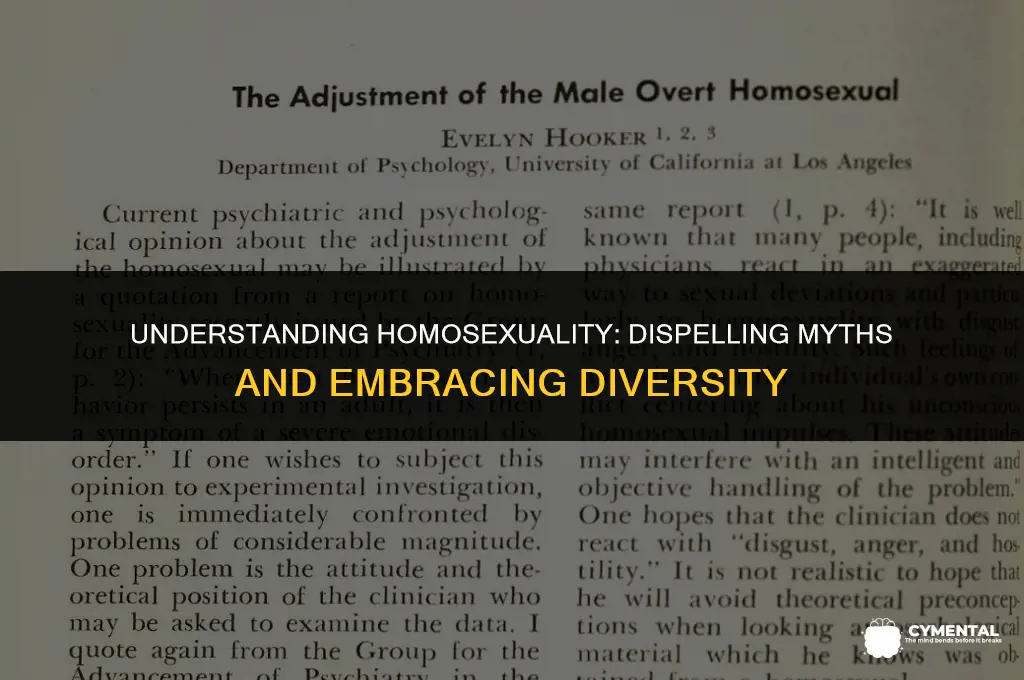
The question of whether homosexuality is a mental disorder has been a subject of significant debate and research in the fields of psychology, psychiatry, and social sciences. Historically, homosexuality was classified as a mental disorder in various diagnostic manuals, including the Diagnostic and Statistical Manual of Mental Disorders (DSM) published by the American Psychiatric Association. However, over time, as scientific understanding and societal attitudes have evolved, this classification has been reevaluated. In 1973, the American Psychiatric Association removed homosexuality from the DSM, recognizing that it is not a mental illness but rather a natural variation of human sexuality. This shift was supported by extensive research indicating that homosexuality is a normal and healthy sexual orientation, and that attempts to pathologize it were based on flawed scientific premises and societal biases. Today, the consensus among major mental health organizations is that homosexuality is not a mental disorder, and efforts to promote acceptance and understanding of LGBTQ+ individuals are ongoing.
| Characteristics | Values |
|---|---|
| Classification | Homosexuality was classified as a mental disorder in the past, but this classification has been widely rejected by modern medical and psychological organizations. |
| DSM Removal | The American Psychiatric Association removed homosexuality from the Diagnostic and Statistical Manual of Mental Disorders (DSM) in 1973. |
| ICD Removal | The World Health Organization removed homosexuality from the International Classification of Diseases (ICD) in 1992. |
| Current View | Most mental health professionals now view homosexuality as a normal variation of human sexuality, not a disorder. |
| Causes | Research suggests that homosexuality is likely caused by a combination of genetic, hormonal, and environmental factors, rather than being a choice or the result of a mental disorder. |
| Therapy | Conversion therapy, which aims to change a person's sexual orientation, is widely considered unethical and ineffective by major health organizations. |
| Legal Status | Laws regarding homosexuality vary by country, with some recognizing same-sex marriage and others criminalizing homosexual acts. |
| Social Acceptance | Social acceptance of homosexuality has increased in many parts of the world, but discrimination and prejudice still exist. |
| Health Risks | Homosexual individuals may face higher risks of certain health issues, such as HIV/AIDS, due to factors like stigma, discrimination, and lack of access to healthcare. |
| Psychological Impact | Discrimination and societal rejection can lead to higher rates of depression, anxiety, and suicide among homosexual individuals. |
| Family Acceptance | Acceptance by family members can significantly impact the mental health and well-being of homosexual individuals, with rejection often leading to negative outcomes. |
| Cultural Variations | Attitudes towards homosexuality vary greatly across different cultures and societies, with some being more accepting than others. |
| Religious Perspectives | Religious views on homosexuality also vary, with some religions condemning it and others being more accepting or neutral. |
| Media Representation | The representation of homosexuality in media has increased in recent years, but stereotypes and negative portrayals still persist. |
| Activism | LGBTQ+ activism has played a crucial role in advocating for the rights and acceptance of homosexual individuals worldwide. |
Explore related products


What You'll Learn
- Historical classification: Homosexuality was classified as a mental disorder in the past
- Current stance: Most major health organizations no longer classify homosexuality as a disorder
- Diagnostic criteria: The DSM-5 removed homosexuality as a diagnosable condition in 2013
- Social implications: Stigmatization and discrimination against LGBTQ+ individuals persist despite changes in classification
- Psychological impact: Misclassification has led to harmful treatments and ongoing mental health challenges for some individuals

Historical classification: Homosexuality was classified as a mental disorder in the past
Homosexuality was once classified as a mental disorder, a notion that was widely accepted in the medical and psychological communities. This classification was rooted in the belief that sexual orientation could be influenced or determined by psychological factors, and that it was a deviation from the norm. The American Psychiatric Association (APA) listed homosexuality as a mental disorder in its Diagnostic and Statistical Manual of Mental Disorders (DSM) until 1973, when it was removed following a vote by the APA's board of trustees.
The classification of homosexuality as a mental disorder had significant implications for the treatment and perception of LGBTQ+ individuals. It led to the development of conversion therapies, which aimed to change an individual's sexual orientation through psychological or medical means. These therapies were often harmful and ineffective, and they perpetuated the stigma and discrimination faced by LGBTQ+ individuals.
The removal of homosexuality from the DSM marked a significant shift in the understanding and acceptance of sexual orientation. It was a pivotal moment in the LGBTQ+ rights movement, as it helped to legitimize the experiences and identities of LGBTQ+ individuals. However, the legacy of the classification of homosexuality as a mental disorder continues to impact the lives of LGBTQ+ individuals today, as they still face discrimination, stigma, and barriers to accessing healthcare and other services.
The historical classification of homosexuality as a mental disorder also highlights the importance of ongoing education and awareness about LGBTQ+ issues. It serves as a reminder that our understanding of sexual orientation and gender identity is constantly evolving, and that it is essential to approach these topics with an open mind and a commitment to inclusivity and respect. By learning from the past, we can work towards creating a more accepting and equitable society for all individuals, regardless of their sexual orientation or gender identity.
Understanding the Most Debilitating Mental Health Conditions
You may want to see also
Explore related products


Current stance: Most major health organizations no longer classify homosexuality as a disorder
The American Psychiatric Association (APA) removed homosexuality from its list of mental disorders in 1973, marking a significant shift in the medical community's understanding of sexual orientation. This decision was based on growing evidence that homosexuality was not a pathology but rather a normal variation of human sexuality. Since then, numerous other health organizations, including the World Health Organization (WHO), have followed suit, recognizing that homosexuality is not a disorder that requires treatment or cure.
One of the key factors influencing this change in stance was the lack of scientific evidence supporting the classification of homosexuality as a mental disorder. Studies attempting to link homosexuality to psychological pathology were found to be methodologically flawed and often biased. In contrast, research has consistently shown that gay and lesbian individuals are not inherently more prone to mental health issues than their heterosexual counterparts. Any disparities in mental health outcomes are generally attributed to societal factors such as discrimination, stigma, and lack of support.
The declassification of homosexuality as a disorder has had far-reaching implications for the LGBTQ+ community. It has helped to reduce stigma and promote greater acceptance and understanding of diverse sexual orientations. Additionally, it has led to changes in healthcare practices, with providers increasingly recognizing the importance of creating inclusive and affirming environments for LGBTQ+ patients. This shift has also paved the way for legal and social advancements, such as the legalization of same-sex marriage in many countries.
Despite these positive developments, challenges remain. Some individuals and groups continue to hold onto harmful stereotypes and misconceptions about homosexuality, perpetuating stigma and discrimination. Furthermore, access to affirming healthcare and support services can still be limited, particularly in certain regions or for marginalized communities. Ongoing efforts are needed to address these issues and ensure that all individuals, regardless of their sexual orientation, have access to the care and support they need to thrive.
In conclusion, the current stance of major health organizations that homosexuality is not a mental disorder represents a significant step forward in promoting the well-being and rights of LGBTQ+ individuals. However, continued work is necessary to overcome lingering challenges and ensure a more inclusive and accepting society for all.
Overcoming Stigmas: Strategies to Mitigate Bias Against Mental Health Disorders
You may want to see also
Diagnostic criteria: The DSM-5 removed homosexuality as a diagnosable condition in 2013
The Diagnostic and Statistical Manual of Mental Disorders (DSM) is a critical tool used by mental health professionals to diagnose and classify mental health conditions. In 2013, the American Psychiatric Association (APA) released the fifth edition of the DSM, which included a significant change regarding homosexuality. Prior to this edition, homosexuality was listed as a diagnosable condition under the category of "sexual orientation disorders." However, the DSM-5 removed homosexuality as a diagnosable condition, marking a pivotal shift in the understanding and treatment of sexual orientation within the mental health community.
This change was the result of extensive research and deliberation by the APA. The decision to remove homosexuality from the DSM-5 was based on several factors, including the lack of scientific evidence to support the classification of homosexuality as a mental disorder, the potential for harm caused by pathologizing a normal variation of human sexuality, and the evolving understanding of sexual orientation as a complex interplay of biological, social, and cultural factors.
The removal of homosexuality from the DSM-5 has had far-reaching implications for the mental health field and for individuals who identify as LGBTQ+. For mental health professionals, this change has meant a shift in focus from treating homosexuality as a disorder to providing supportive and affirming care for LGBTQ+ individuals. This includes addressing the unique challenges and stressors that LGBTQ+ individuals may face, such as discrimination, stigma, and social isolation, while also promoting overall well-being and mental health.
For LGBTQ+ individuals, the removal of homosexuality from the DSM-5 has been a significant step towards validation and acceptance. By no longer pathologizing homosexuality, the DSM-5 has helped to reduce the stigma associated with being LGBTQ+ and has affirmed that sexual orientation is a natural and normal aspect of human diversity. This change has also paved the way for increased access to mental health care that is tailored to the specific needs of LGBTQ+ individuals, rather than focusing on changing or "fixing" their sexual orientation.
In conclusion, the removal of homosexuality as a diagnosable condition from the DSM-5 in 2013 represents a major milestone in the ongoing journey towards understanding and accepting sexual diversity. This change has had a profound impact on the mental health field, shifting the focus from pathologizing homosexuality to providing supportive and affirming care for LGBTQ+ individuals. It has also been a powerful step towards reducing stigma and promoting the well-being of LGBTQ+ individuals, affirming their place as valued and respected members of society.
Unraveling the Mind of a Monster: Jeff Dahmer's Psychological Profile
You may want to see also
Social implications: Stigmatization and discrimination against LGBTQ+ individuals persist despite changes in classification
Despite the reclassification of homosexuality as a mental disorder, LGBTQ+ individuals continue to face significant social implications, including stigmatization and discrimination. This persistence of negative attitudes and behaviors towards the LGBTQ+ community is rooted in a complex interplay of historical, cultural, and societal factors.
One of the primary reasons for the continued stigmatization is the deeply ingrained heteronormative beliefs that permeate many societies. These beliefs often lead to the marginalization of LGBTQ+ individuals, who are seen as deviating from the perceived 'normal' sexual orientation. Furthermore, religious and traditional values can also contribute to the stigmatization, as they may view homosexuality as immoral or unnatural.
Discrimination against LGBTQ+ individuals manifests in various forms, including verbal abuse, physical violence, and institutional barriers. For instance, many LGBTQ+ individuals face discrimination in the workplace, leading to limited career opportunities and economic disparities. Additionally, they may encounter challenges in accessing healthcare, education, and other essential services due to their sexual orientation or gender identity.
The impact of stigmatization and discrimination on LGBTQ+ individuals is profound, affecting their mental health, well-being, and overall quality of life. Research has shown that LGBTQ+ individuals are at a higher risk of developing mental health issues, such as depression and anxiety, due to the stress and trauma associated with discrimination and stigmatization. Moreover, the fear of discrimination can lead to social isolation, further exacerbating the negative effects on mental health.
Efforts to combat stigmatization and discrimination against LGBTQ+ individuals must be multifaceted, involving education, advocacy, and policy changes. By promoting awareness and understanding of LGBTQ+ issues, we can challenge and dismantle the harmful stereotypes and prejudices that perpetuate stigmatization. Furthermore, implementing anti-discrimination laws and policies can provide legal protections and recourse for LGBTQ+ individuals who face discrimination.
In conclusion, while the reclassification of homosexuality as a mental disorder has been a significant step forward, it is crucial to address the persistent social implications of stigmatization and discrimination against LGBTQ+ individuals. By working together to create a more inclusive and accepting society, we can help to mitigate the harmful effects of discrimination and promote the well-being and equality of all individuals, regardless of their sexual orientation or gender identity.
Exploring the Possibilities: Can Mental Disorders Be Cured?
You may want to see also
Psychological impact: Misclassification has led to harmful treatments and ongoing mental health challenges for some individuals
The misclassification of homosexuality as a mental disorder has had profound psychological repercussions on countless individuals. This erroneous categorization, which was only removed from the Diagnostic and Statistical Manual of Mental Disorders (DSM) in 1973, subjected many to unnecessary and harmful treatments. These treatments, ranging from psychotherapy to more invasive procedures like electroconvulsive therapy, were designed to "cure" an orientation that was not, and is not, a pathology.
One of the most significant impacts of this misclassification has been the perpetuation of stigma and shame among LGBTQ+ individuals. Being told that one's sexual orientation is a disorder can lead to severe self-esteem issues, identity confusion, and a heightened risk of mental health problems such as depression and anxiety. This stigma can also result in social isolation, as individuals may feel compelled to hide their true selves to avoid discrimination and judgment.
Furthermore, the legacy of this misclassification continues to affect mental health care today. Some individuals who were subjected to these harmful treatments decades ago still suffer from the psychological trauma inflicted upon them. This ongoing mental health impact underscores the importance of recognizing and rectifying past injustices within the field of psychiatry.
In addition to the direct psychological harm caused by misclassification, there are broader societal implications. The erroneous labeling of homosexuality as a disorder has contributed to a climate of fear and misunderstanding, hindering efforts to promote equality and acceptance. It has also led to the marginalization of LGBTQ+ individuals in various aspects of life, including employment, housing, and healthcare.
To mitigate these ongoing challenges, it is crucial to continue advocating for LGBTQ+ rights and promoting education and awareness about the harmful effects of misclassification. Mental health professionals must also remain vigilant in ensuring that their practices are free from bias and that they provide supportive and affirming care to all individuals, regardless of their sexual orientation.
In conclusion, the psychological impact of misclassifying homosexuality as a mental disorder has been far-reaching and devastating. Addressing this legacy requires a multifaceted approach that includes education, advocacy, and the provision of supportive mental health care. By working together, we can help to heal the wounds of the past and create a more inclusive and accepting society for all.
Exploring the Complex Relationship Between Religion and Mental Health
You may want to see also
Frequently asked questions
No, homosexuality is not considered a mental disorder by any major health organizations. The World Health Organization (WHO) removed homosexuality from its list of mental disorders in 1992, and the American Psychiatric Association (APA) followed suit in 1994. Both organizations, along with many others, recognize that sexual orientation is a natural variation of human sexuality and not a pathological condition.
Historically, homosexuality was classified as a mental disorder due to societal and religious beliefs that viewed it as unnatural or immoral. In the late 19th and early 20th centuries, some psychiatrists and psychologists began to categorize homosexuality as a form of "sexual perversion" or "psychosexual disorder." This classification was influenced by the prevailing attitudes of the time and lacked scientific evidence. It wasn't until the mid-20th century that researchers started to challenge these views, leading to the eventual removal of homosexuality from mental health manuals.
Classifying homosexuality as a mental disorder can have severe consequences for individuals and society as a whole. It can lead to discrimination, stigma, and marginalization of LGBTQ+ individuals, making them more vulnerable to mental health issues such as depression, anxiety, and substance abuse. It can also perpetuate harmful stereotypes and reinforce negative attitudes towards homosexuality, hindering efforts towards equality and acceptance. Furthermore, it can result in unnecessary and potentially harmful "treatments" aimed at changing an individual's sexual orientation, which are not only ineffective but also ethically questionable.