Noah Parker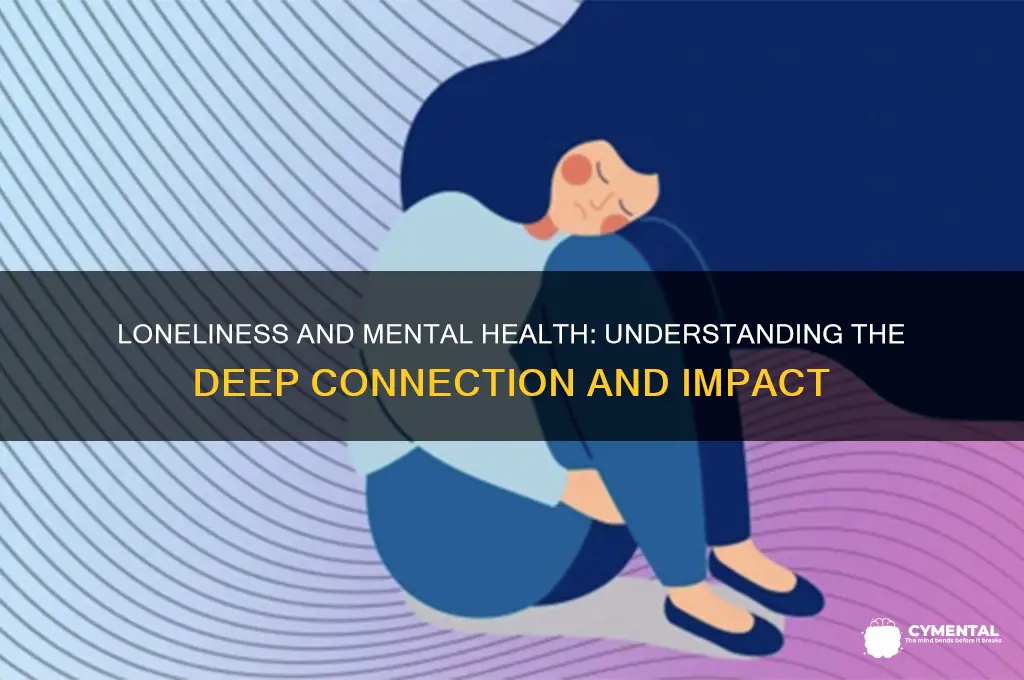
Loneliness, often dismissed as a transient emotional state, is increasingly recognized as a significant mental health concern with far-reaching implications. While it is commonly associated with social isolation, loneliness itself is a subjective experience of distress stemming from a perceived lack of meaningful connections, rather than the absence of social contact alone. Research suggests that chronic loneliness can exacerbate or contribute to mental health disorders such as depression, anxiety, and even cognitive decline, making it a critical area of focus in public health. Understanding whether loneliness is merely a symptom of underlying mental health issues or a distinct condition in its own right is essential for developing effective interventions and fostering a more compassionate approach to addressing this pervasive yet often overlooked challenge.
| Characteristics | Values |
|---|---|
| Definition | Loneliness is a subjective feeling of distress or discomfort caused by a discrepancy between one's desired and actual social relationships. |
| Prevalence | Approximately 25-30% of adults in the United States report feeling lonely, with higher rates among younger adults (Gen Z and Millennials). |
| Association with Mental Health | Strongly linked to increased risk of depression, anxiety, and suicidal ideation. Chronic loneliness can exacerbate existing mental health conditions. |
| Neurological Impact | Linked to increased stress hormone (cortisol) levels, inflammation, and altered brain activity in regions associated with social cognition and emotion regulation. |
| Physical Health Consequences | Associated with increased risk of cardiovascular disease, weakened immune function, and premature mortality, comparable to the effects of smoking 15 cigarettes per day. |
| Risk Factors | Social isolation, lack of meaningful relationships, major life transitions (e.g., divorce, relocation), and pre-existing mental health conditions. |
| Treatment Approaches | Cognitive-behavioral therapy (CBT), mindfulness-based interventions, social skills training, and community engagement programs. |
| Preventive Measures | Building social connections, fostering meaningful relationships, and promoting social inclusion through community initiatives. |
| Population Disparities | Higher rates of loneliness among older adults, LGBTQ+ individuals, and those with disabilities or chronic illnesses. |
| COVID-19 Impact | The pandemic significantly increased loneliness due to lockdowns, social distancing, and reduced social interactions. |
| Policy Implications | Recognizing loneliness as a public health issue, integrating social prescribing into healthcare, and funding community-based programs. |
Explore related products


$16.99 $14.95


What You'll Learn
- Loneliness vs. Solitude: Differentiating between healthy alone time and harmful isolation
- Impact on Brain Health: How loneliness affects cognitive function and mental well-being
- Social Connections: The role of relationships in preventing or alleviating loneliness
- Loneliness and Depression: Overlapping symptoms and the risk of developing depressive disorders
- Interventions and Solutions: Strategies like therapy, community engagement, and digital tools to combat loneliness

Loneliness vs. Solitude: Differentiating between healthy alone time and harmful isolation
Loneliness and solitude, though often used interchangeably, are distinct experiences with vastly different impacts on mental health. Solitude is a conscious choice to be alone, often sought for reflection, creativity, or relaxation. It’s the quiet hour with a book, the solo hike in nature, or the focused time spent journaling. Loneliness, however, is an involuntary state marked by a distressing gap between desired and actual social connections. It’s the ache of an empty room, the weight of unreturned messages, or the isolation that feels inescapable. Understanding this difference is crucial, as one can be a balm for the mind while the other can erode it.
Consider the case of a 35-year-old professional who spends weekends alone by choice, using the time to paint or meditate. This is solitude—a deliberate act of self-care that recharges their mental batteries. Contrast this with a retiree who, after losing a spouse, sits alone day after day, feeling forgotten and disconnected. This is loneliness—a forced isolation that, if prolonged, can lead to depression, anxiety, and even physical health issues like weakened immunity or cardiovascular problems. Research shows that chronic loneliness can be as harmful as smoking 15 cigarettes a day, underscoring its severity as a mental health issue.
To differentiate between the two, examine the emotional undertone. Solitude often comes with a sense of peace or purpose, while loneliness is accompanied by feelings of emptiness or despair. Practical steps can help shift from harmful isolation to healthy alone time. Start by setting boundaries—allocate specific hours for solitude, such as 30 minutes of morning meditation or an evening walk. Engage in activities that align with your values or passions, whether it’s gardening, coding, or playing an instrument. For those struggling with loneliness, small, consistent actions can make a difference: join a local club, volunteer, or schedule regular calls with loved ones. Even digital connections, when meaningful, can bridge the gap temporarily.
A cautionary note: solitude can slip into loneliness if it becomes a default rather than a choice. For instance, a freelancer working from home might enjoy the initial freedom but later feel isolated without colleagues. To prevent this, incorporate structured social interactions—weekly meetups, coworking days, or even virtual coffee breaks. Similarly, loneliness can masquerade as a preference for solitude, especially in younger adults who avoid social situations due to anxiety. If alone time feels draining rather than rejuvenating, it’s a red flag. Seek professional help if loneliness persists, as therapy or support groups can provide tools to rebuild connections.
In essence, the line between loneliness and solitude is drawn by intention and impact. One is a sanctuary for the soul; the other, a silent crisis. By recognizing the signs and taking proactive steps, individuals can cultivate a healthy relationship with being alone—one that enriches rather than diminishes their mental well-being. After all, it’s not the absence of people that defines us, but the presence of purpose in our solitude.
Supporting Student Mental Health: Strategies for Schools to Foster Well-being
You may want to see also
Explore related products

$8.49 $13.99


Impact on Brain Health: How loneliness affects cognitive function and mental well-being
Loneliness doesn't just feel unpleasant—it reshapes the brain. Chronic social isolation triggers a cascade of neurochemical changes, particularly in regions governing stress response and emotional regulation. The amygdala, responsible for detecting threats, becomes hyperactive, while the prefrontal cortex, which manages decision-making and impulse control, shows reduced activity. This imbalance primes the brain for heightened anxiety, depression, and cognitive decline. Studies using MRI scans reveal that prolonged loneliness can shrink the hippocampus, a region critical for memory formation, by as much as 1-2% annually in older adults. This structural change parallels the early stages of Alzheimer’s disease, suggesting loneliness isn’t merely emotional but a tangible force eroding brain health.
Consider the brain as a muscle: it thrives on stimulation and connection. Social interactions act as cognitive workouts, strengthening neural pathways and promoting neuroplasticity. Loneliness, however, starves the brain of this essential engagement. A 2018 study published in *Frontiers in Aging Neuroscience* found that socially isolated individuals scored 20% lower on cognitive tests measuring executive function and processing speed compared to their connected peers. Even more alarming, the risk of developing dementia increases by 40% in those experiencing chronic loneliness. These findings underscore the urgency of treating loneliness not as a fleeting emotion but as a critical public health issue with measurable neurological consequences.
To mitigate these effects, practical interventions can act as cognitive lifelines. Engaging in structured social activities, such as group exercise classes or volunteer work, has been shown to improve cognitive performance in older adults by up to 15%. For those unable to participate in-person, digital tools like video calls or online communities can provide meaningful interaction. Even small changes, like dedicating 30 minutes daily to social connection, can stimulate the brain’s reward system, releasing dopamine and counteracting the stress hormone cortisol. Pairing social engagement with cognitive exercises, such as puzzles or language learning, amplifies these benefits, creating a synergistic effect on brain health.
However, addressing loneliness requires more than individual effort—it demands systemic change. Urban planners, for instance, can design public spaces that foster spontaneous interaction, while employers can implement policies encouraging social breaks. Schools and senior centers can offer intergenerational programs, bridging age gaps and combating isolation across demographics. By reframing loneliness as a collective responsibility, society can create environments that nurture both mental and cognitive well-being. After all, the brain’s health is not solely a personal matter but a reflection of the connections we cultivate and the communities we build.
Supporting Loved Ones: Practical Ways to Aid Mental Health Struggles
You may want to see also
Explore related products


$8.71 $16.99


Social Connections: The role of relationships in preventing or alleviating loneliness
Loneliness is not merely a fleeting emotion but a chronic condition linked to increased risks of depression, anxiety, and even physical ailments like heart disease. Yet, its antidote lies not in solitude’s avoidance but in the quality of social connections we cultivate. Research from the American Psychological Association highlights that individuals with robust social networks report lower levels of loneliness, even when their interactions are limited. The key? Meaningful relationships that foster emotional intimacy, trust, and mutual support.
Consider the difference between having 50 acquaintances and one close confidant. The latter, characterized by deep understanding and vulnerability, acts as a buffer against loneliness. A study published in *Psychological Science* found that individuals who perceived their relationships as highly supportive experienced a 50% reduction in loneliness, regardless of the number of connections. This underscores the importance of prioritizing depth over breadth in social interactions. Practical steps include scheduling regular check-ins with loved ones, sharing personal experiences openly, and actively listening without judgment.
Contrast this with the superficiality of modern digital interactions, where likes and comments often substitute for genuine connection. While social media platforms promise connectivity, they can exacerbate loneliness by fostering comparisons and reducing face-to-face engagement. A 2018 study in the *Journal of Social and Clinical Psychology* revealed that limiting social media use to 30 minutes daily significantly reduced feelings of loneliness and depression among participants. To counter this, set boundaries on screen time and allocate dedicated hours for in-person interactions, such as joining community groups or volunteering.
For older adults, who are disproportionately affected by loneliness due to retirement, loss of peers, or reduced mobility, structured social activities can be transformative. Programs like senior centers, book clubs, or intergenerational mentoring not only provide companionship but also a sense of purpose. A report by the National Institute on Aging found that seniors engaging in group activities at least twice weekly reported a 40% decrease in loneliness symptoms. Caregivers and family members can facilitate this by encouraging participation and offering transportation assistance.
Ultimately, the role of relationships in alleviating loneliness is not about amassing connections but nurturing them intentionally. Start small: initiate a weekly coffee date, join a hobby-based group, or simply call a friend instead of texting. By investing in relationships that matter, we not only combat loneliness but also enhance our overall mental and emotional well-being. Remember, the quality of our social fabric is as vital to our health as diet or exercise—and equally deserving of our attention.
Recognizing Workplace Mental Health Struggles: Signs, Support, and Solutions
You may want to see also
Explore related products


Loneliness and Depression: Overlapping symptoms and the risk of developing depressive disorders
Loneliness and depression often intertwine, sharing symptoms that blur the lines between the two. Both conditions manifest as persistent sadness, withdrawal from social activities, and a lack of interest in once-enjoyable pursuits. However, loneliness is the subjective feeling of isolation, while depression is a clinical disorder with broader implications. Recognizing the overlap is crucial because untreated loneliness can escalate into depression, creating a cycle of emotional distress. For instance, a person feeling lonely might avoid social interactions, deepening their isolation and increasing the risk of depressive symptoms like hopelessness or fatigue.
Consider the following scenario: a 35-year-old professional works remotely and rarely interacts with others outside of work. Over time, they begin to feel disconnected, losing motivation to engage in hobbies or meet friends. This loneliness, if unaddressed, could lead to symptoms like persistent low mood, sleep disturbances, and difficulty concentrating—hallmarks of depression. Research shows that chronic loneliness increases the likelihood of developing depression by 25%, particularly in adults aged 18–44. The overlap in symptoms—such as feelings of worthlessness or reduced energy—makes it challenging to distinguish between the two, emphasizing the need for early intervention.
To mitigate this risk, practical steps can be taken. First, establish a routine that includes regular social interaction, even if it’s a brief daily check-in with a friend or joining a community group. Second, limit screen time and prioritize face-to-face communication, as digital interactions often lack the emotional depth needed to combat loneliness. Third, seek professional help if symptoms persist for more than two weeks. Cognitive-behavioral therapy (CBT) has proven effective in addressing both loneliness and depression, offering tools to reframe negative thought patterns and improve social skills.
A comparative analysis reveals that while loneliness is often situational—stemming from life changes like moving or losing a loved one—depression is more pervasive, affecting all areas of life. However, the two can feed into each other, creating a vicious cycle. For example, a college graduate moving to a new city might feel lonely due to lack of social connections, which, if prolonged, could lead to depressive symptoms like anhedonia (inability to feel pleasure). Conversely, someone with depression may isolate themselves, exacerbating loneliness. This bidirectional relationship underscores the importance of addressing both conditions simultaneously.
In conclusion, loneliness and depression share overlapping symptoms but differ in scope and severity. Loneliness, if chronic, significantly increases the risk of developing depressive disorders, particularly in younger adults. By recognizing the signs early and implementing practical strategies—such as fostering social connections and seeking therapy—individuals can break the cycle before it escalates. Awareness and proactive measures are key to preventing loneliness from becoming a gateway to depression.
Supporting Mental Health: Practical Ways to Help Others Heal and Thrive
You may want to see also
Explore related products


Interventions and Solutions: Strategies like therapy, community engagement, and digital tools to combat loneliness
Loneliness, increasingly recognized as a significant mental health issue, demands targeted interventions that address its complex roots. Among the most effective strategies are therapy, community engagement, and digital tools, each offering unique pathways to connection and healing. Therapy, particularly cognitive-behavioral therapy (CBT), has proven instrumental in reshaping negative thought patterns that exacerbate isolation. A study published in *Psychological Medicine* found that 12 to 16 sessions of CBT reduced loneliness scores by 20% in adults over 65, a demographic particularly vulnerable to chronic loneliness. Therapists often incorporate mindfulness techniques, encouraging clients to focus on the present moment and cultivate self-compassion, which can mitigate the emotional toll of loneliness.
While therapy targets individual mindsets, community engagement fosters social reconnection on a broader scale. Volunteering, for instance, not only builds a sense of purpose but also creates opportunities for meaningful interactions. A 2019 report by the Corporation for National and Community Service revealed that volunteers are 20% less likely to report feeling lonely compared to non-volunteers. Local initiatives like community gardens, book clubs, or intergenerational programs can be particularly impactful. For example, the "Men’s Shed" movement in the UK and Australia provides older men with a space to socialize while working on shared projects, reducing isolation and improving mental well-being. Such programs demonstrate that structured, communal activities can serve as powerful antidotes to loneliness.
Digital tools, often criticized for contributing to isolation, are now being repurposed to combat loneliness. Apps like Meetup and Nextdoor facilitate local connections based on shared interests, while platforms like 7 Cups offer anonymous peer support and professional counseling. Virtual reality (VR) is emerging as a novel intervention, particularly for those with mobility limitations. A pilot study by Stanford University found that VR-based social activities reduced loneliness in seniors by 30% over six weeks. However, digital solutions must be used thoughtfully; excessive screen time without real-world interaction can deepen isolation. Combining digital tools with in-person engagement—such as using an app to find a local hiking group—maximizes their effectiveness.
Implementing these strategies requires a nuanced understanding of individual needs. For younger adults, digital tools and group therapy may be more appealing, while older adults might benefit from community programs and one-on-one counseling. Employers can play a role by offering loneliness workshops or subsidizing therapy sessions, recognizing that workplace isolation is a growing concern. Schools can integrate social-emotional learning curricula to teach students healthy relationship skills early. Ultimately, combating loneliness is not a one-size-fits-all endeavor but a multifaceted effort that leverages therapy, community, and technology to rebuild the human connections essential to mental health.
Supporting Employees: Compassionate Conversations About Mental Health at Work
You may want to see also
Frequently asked questions
Yes, loneliness is increasingly recognized as a significant mental health issue. While it is a normal human emotion, chronic or prolonged loneliness can lead to mental health problems such as depression, anxiety, and increased stress.
Yes, persistent loneliness can contribute to long-term mental health issues. It has been linked to higher risks of conditions like depression, anxiety disorders, and even cognitive decline, particularly in older adults.
Addressing loneliness involves building social connections, engaging in meaningful activities, and seeking support from friends, family, or mental health professionals. Therapy, support groups, and lifestyle changes can also help mitigate its impact on mental health.