Caleb Wright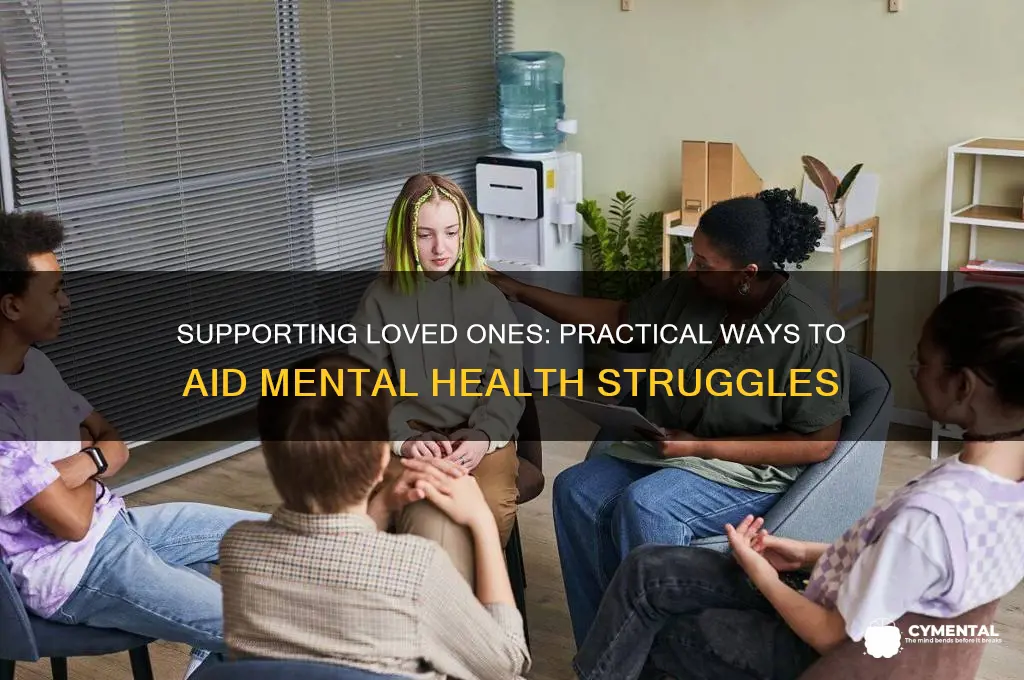
Helping someone with mental health issues requires empathy, patience, and understanding. It’s essential to approach the situation with compassion, actively listening without judgment and validating their feelings. Encourage open communication by letting them know they are not alone and that seeking help is a sign of strength. Offer practical support, such as assisting with daily tasks or accompanying them to appointments, while also respecting their boundaries and autonomy. Educate yourself about their specific challenges to better understand their experience, and gently encourage professional resources like therapy or support groups. Above all, be consistent in your support, reminding them that recovery is a process and that you are there for them every step of the way.
Explore related products


What You'll Learn
- Active Listening: Show empathy, focus fully, avoid judgment, and validate their feelings without interrupting
- Encourage Professional Help: Gently suggest therapy, counseling, or support groups tailored to their needs
- Promote Self-Care: Support healthy habits like sleep, exercise, nutrition, and stress management routines
- Stay Connected: Maintain regular contact, invite them to activities, and reassure them they’re not alone
- Educate Yourself: Learn about their condition, avoid stigma, and use respectful, informed language

Active Listening: Show empathy, focus fully, avoid judgment, and validate their feelings without interrupting
One of the most powerful tools in supporting someone with mental health issues is the art of active listening. It’s not just about hearing words; it’s about creating a safe, non-judgmental space where the person feels seen and understood. Imagine someone confiding in you about their anxiety. Instead of jumping in with advice or downplaying their feelings, you lean in, maintain eye contact, and say, “It sounds like this has been really overwhelming for you.” This simple acknowledgment can make a world of difference, signaling that their emotions are valid and worthy of attention.
To practice active listening effectively, start by eliminating distractions. Put away your phone, turn off the TV, and give the person your undivided attention. Mirroring their body language subtly can also help build rapport, but avoid overdoing it to the point of distraction. When they pause, resist the urge to fill the silence. Often, people need a moment to gather their thoughts, and interrupting can derail their train of thought. Instead, use brief affirmations like “I’m here” or “Take your time” to encourage them to continue.
Empathy is the cornerstone of active listening, but it’s not about inserting your own experiences. For instance, if someone shares their struggles with depression, avoid saying, “I know how you feel.” Instead, try, “That sounds incredibly difficult. How are you managing day-to-day?” This approach validates their experience without minimizing it or shifting the focus to you. Remember, the goal is to make them feel heard, not to compare or compete with their emotions.
Validation is another critical component. Phrases like “It makes sense that you’d feel that way” or “Anyone in your situation might feel the same” can help normalize their emotions. Avoid dismissing their feelings with statements like “It’s not that bad” or “You’ll get over it.” Even if you don’t fully understand their perspective, acknowledging their reality fosters trust and encourages openness. Over time, this can create a foundation for deeper conversations and more meaningful support.
Finally, active listening is a skill that improves with practice. Start small by setting aside 10–15 minutes daily to engage in focused conversations with loved ones. Pay attention to your reactions and work on minimizing judgmental thoughts. If you find yourself struggling, remind yourself that your role isn’t to fix their problems but to provide a supportive presence. By mastering this technique, you become a safe harbor for someone navigating the turbulent waters of mental health challenges.
Supporting Mental Health: Practical Ways to Help Others Heal and Thrive
You may want to see also
Explore related products


Encourage Professional Help: Gently suggest therapy, counseling, or support groups tailored to their needs
One of the most effective ways to support someone struggling with mental health is to encourage them to seek professional help. While your presence and empathy are invaluable, trained experts like therapists, counselors, or support group facilitators can provide specialized tools and strategies that go beyond what a friend or family member can offer. The key is to approach this suggestion with sensitivity and respect for their autonomy.
Begin by normalizing the conversation around mental health. Share examples of how therapy or counseling has benefited others, whether through personal anecdotes or credible sources. For instance, research shows that cognitive-behavioral therapy (CBT) can reduce symptoms of anxiety and depression in 50–75% of cases, often within 12–20 sessions. Frame professional help as a proactive step toward self-care, not a sign of weakness. Use "I" statements to express your concern without sounding accusatory, such as, "I’ve noticed you’ve been feeling overwhelmed, and I think talking to someone trained in this could really help."
Tailoring your suggestion to their specific needs is crucial. If they’re socially isolated, recommend group therapy or support groups where they can connect with others facing similar challenges. For someone hesitant to commit to weekly sessions, suggest online counseling platforms that offer flexibility. For adolescents or young adults, peer support groups can be particularly effective, as they provide a sense of belonging and understanding from those in similar life stages. Always emphasize that the goal is to find a resource that aligns with their comfort level and preferences.
Be prepared for resistance, as stigma or fear of judgment may prevent them from accepting your suggestion. Avoid pushing too hard, but remain persistent in a gentle, non-confrontational way. Offer to help them research options, such as finding therapists who specialize in their concerns or locating affordable resources in their area. Websites like Psychology Today or local mental health organizations often provide directories and filters for specific needs, such as trauma-informed care or LGBTQ+-friendly providers.
Finally, remind them that seeking help is a courageous act, not an admission of failure. Share stories of public figures or role models who have openly discussed their mental health journeys to normalize the process. Reassure them that you’ll support them every step of the way, whether it’s accompanying them to their first appointment or simply checking in afterward. By framing professional help as a collaborative and empowering choice, you can help them take the first step toward healing.
Understanding Mental Health Struggles: Causes, Triggers, and Early Warning Signs
You may want to see also
Explore related products





Promote Self-Care: Support healthy habits like sleep, exercise, nutrition, and stress management routines
Self-care isn’t selfish—it’s foundational. When supporting someone with mental health issues, encouraging healthy habits like sleep, exercise, nutrition, and stress management can create a stabilizing framework for their recovery. These routines act as a buffer against emotional volatility, providing a sense of control and predictability in a world that often feels chaotic. For instance, adults need 7–9 hours of sleep per night, yet stress and anxiety frequently disrupt this critical restorative process. By helping them establish a consistent sleep schedule—such as going to bed and waking up at the same time daily—you’re not just improving their rest; you’re fortifying their resilience.
Consider exercise, a natural antidepressant. Studies show that 30 minutes of moderate-intensity physical activity, like brisk walking or cycling, three to five times a week, can significantly reduce symptoms of depression and anxiety. But it’s not about forcing a gym membership. Start small: suggest a 10-minute walk together or a gentle yoga session at home. The goal is to make movement feel accessible, not overwhelming. For younger individuals, like teens, incorporating activities they enjoy—dancing, skateboarding, or team sports—can make exercise feel less like a chore and more like a release.
Nutrition plays a quieter but equally vital role. A diet rich in whole foods—fruits, vegetables, lean proteins, and healthy fats—supports brain health by regulating neurotransmitters like serotonin and dopamine. Encourage simple swaps: replace sugary snacks with nuts or berries, or suggest meal-prepping together to ensure balanced meals. For those with limited energy, focus on small, nutrient-dense options like smoothies with spinach, banana, and almond butter. Avoid framing food as "good" or "bad"; instead, emphasize how certain choices can make them feel more energized and clear-headed.
Stress management is where self-care becomes personalized. Techniques like deep breathing exercises, mindfulness meditation, or journaling can be powerful tools, but they’re not one-size-fits-all. Experiment with different methods—guided meditation apps, adult coloring books, or even a 5-minute daily gratitude practice—to find what resonates. For older adults, who may prefer structure, consider introducing a nightly wind-down routine: herbal tea, soft music, and a few minutes of stretching. The key is consistency, not perfection.
Finally, remember that self-care is a partnership, not a prescription. Lead by example—share your own routines and be patient. Progress is nonlinear, and setbacks are part of the process. By fostering these habits, you’re not just addressing symptoms; you’re helping rebuild a sense of agency and hope. In the journey of mental health recovery, self-care isn’t just a tool—it’s a lifeline.
Relationship Struggles: Unraveling Their Impact on Mental Health and Well-Being
You may want to see also
Explore related products






Stay Connected: Maintain regular contact, invite them to activities, and reassure them they’re not alone
Social isolation can exacerbate mental health struggles, creating a vicious cycle of withdrawal and despair. Staying connected is a powerful antidote, offering a lifeline of support and a reminder that they are not alone in their battle.
Regular contact, even brief check-ins, can make a significant difference. A daily text message, a weekly phone call, or a monthly coffee date can provide a sense of structure and anticipation, breaking the monotony of isolation. For instance, sending a simple "thinking of you" message or sharing a funny meme can brighten their day and show that you care.
Inviting someone with mental health issues to activities requires sensitivity and creativity. Consider their interests and energy levels; a gentle walk in the park, a movie night at home, or a low-key board game evening might be more appealing than a crowded party or high-intensity sport. Be mindful of potential triggers and offer alternatives if they decline. For example, if they're anxious about meeting new people, suggest a one-on-one activity or a small gathering with familiar faces. The key is to make the invitation open-ended and pressure-free, allowing them to participate at their own pace.
Reassurance is a vital component of staying connected. Mental health struggles often come with a barrage of negative self-talk and feelings of worthlessness. Counteract this by explicitly stating your support and appreciation. Share specific examples of their strengths and positive qualities, and remind them of their value as a friend, family member, or colleague. For instance, you could say, "I really admire your creativity; it always inspires me," or "Your sense of humor always makes my day better." These affirmations can help challenge their negative self-perception and foster a more positive self-image.
Maintaining connections with someone facing mental health challenges is an art that requires patience, empathy, and adaptability. It's about finding the right balance between offering support and respecting their boundaries. Start with small, consistent gestures, like regular contact and personalized invitations, and gradually build a safe and supportive environment. Remember, the goal is not to 'fix' them but to walk alongside them, offering a sense of companionship and hope. By staying connected, you become a vital part of their support network, helping to alleviate loneliness and promoting a sense of belonging. This simple yet powerful act can significantly impact their journey towards healing and recovery.
Healing Minds: Practical Strategies to Address and Overcome Mental Illness
You may want to see also
Explore related products






Educate Yourself: Learn about their condition, avoid stigma, and use respectful, informed language
Understanding the specific mental health condition your loved one is facing is the first step toward offering meaningful support. Each diagnosis—whether it’s depression, anxiety, bipolar disorder, or schizophrenia—comes with its own set of symptoms, triggers, and treatment approaches. For instance, knowing that someone with PTSD may experience flashbacks or that a person with OCD isn’t simply "picky" about cleanliness can reframe your perspective and guide your actions. Start by consulting reputable sources like the National Alliance on Mental Illness (NAMI) or the World Health Organization (WHO) to gather accurate, evidence-based information. Avoid relying on stereotypes or anecdotal advice, as these can perpetuate misconceptions and hinder your ability to help effectively.
Language matters—more than you might think. Using respectful, informed language can either build trust or create distance. For example, saying, "They’re *living with* schizophrenia" instead of "They’re *a schizophrenic*" emphasizes the person’s identity beyond their condition. Similarly, phrases like "How can I support you today?" convey empathy and agency, whereas "What’s wrong with you?" can feel dismissive or judgmental. Be mindful of tone and context, especially when discussing sensitive topics. If you’re unsure how to phrase something, ask the person directly how they prefer to talk about their experiences. This not only shows respect but also fosters open communication.
Stigma remains one of the most significant barriers to mental health support. Educating yourself isn’t just about learning facts—it’s about unlearning biases. Challenge assumptions like "Mental illness is a sign of weakness" or "People with anxiety just need to calm down." These myths trivialize struggles and discourage individuals from seeking help. Instead, adopt a comparative lens: Just as you wouldn’t tell someone with diabetes to "just think positively," mental health conditions require understanding, patience, and often professional intervention. By dismantling stigma in your own mindset, you create a safer space for your loved one to share their experiences without fear of judgment.
Practical steps can make this process more actionable. Dedicate 30 minutes a week to reading articles, watching documentaries, or listening to podcasts about mental health. If the person is comfortable, ask them to recommend resources they’ve found helpful. Attend local workshops or webinars to deepen your understanding. For example, NAMI offers free Family-to-Family classes for caregivers, providing insights into specific conditions and coping strategies. Keep a journal to reflect on what you’ve learned and how it applies to your interactions. Over time, this intentional effort will not only educate you but also demonstrate your commitment to supporting your loved one authentically.
The ultimate takeaway is this: Educating yourself is an act of solidarity. It transforms you from a well-intentioned bystander into an informed ally. By learning about their condition, avoiding stigmatizing language, and using respectful communication, you validate their experiences and strengthen your relationship. Remember, this isn’t a one-time task but an ongoing process. Mental health is complex, and both you and your loved one will evolve over time. Stay curious, stay compassionate, and let your actions reflect the care you aim to provide.
Understanding Mental Health: Steps to Identify Potential Issues and Seek Help
You may want to see also
Frequently asked questions
Approach them with empathy and without judgment. Start by expressing concern in a gentle, non-confrontational way, such as, "I’ve noticed you seem a bit down lately, and I wanted to check in. How are you doing?" Let them know you’re there to listen without pushing for details if they’re not ready to share.
Offer practical help, like assisting with daily tasks, encouraging self-care, or accompanying them to appointments if they’re comfortable. Educate yourself about their condition to better understand their experience, and validate their feelings by acknowledging their struggles without dismissing them.
Frame professional help as a supportive resource rather than a criticism. For example, say, "I think talking to someone could really help you feel better, and I’m here to support you if you want to explore that." Provide resources like helplines or therapists, but respect their autonomy and let them make the decision when they’re ready.