Harper Lewis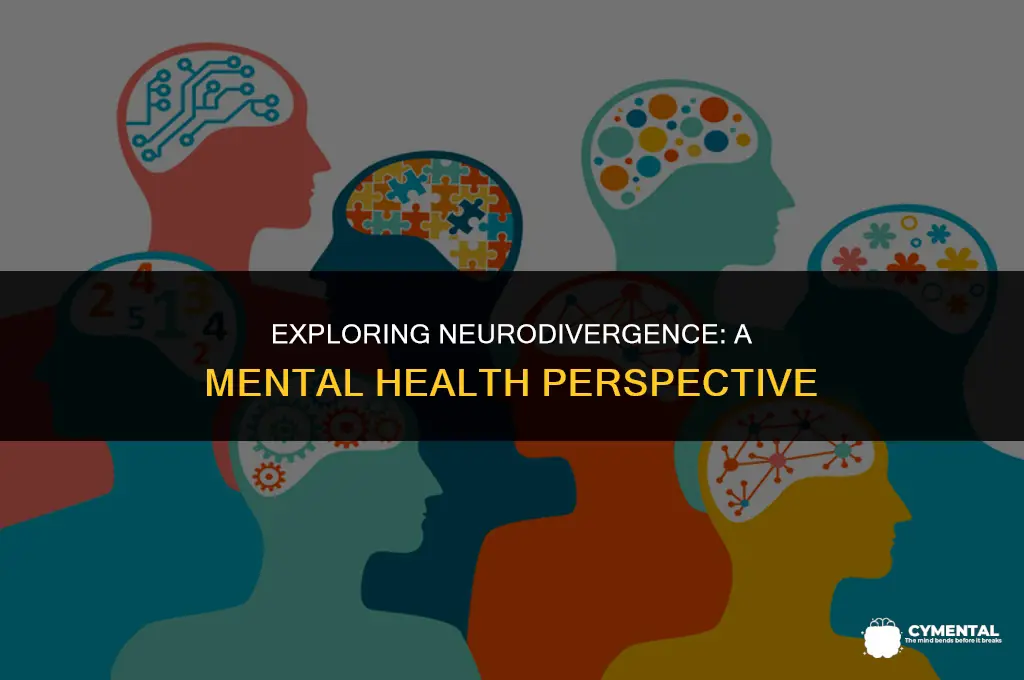
Neurodivergence refers to variations in brain function and structure that result in differences in perception, processing, and behavior. While neurodivergent conditions such as autism, ADHD, and dyslexia are often associated with mental health challenges, they are not inherently mental health issues. Instead, they represent a natural diversity in human cognition and experience. The question of whether neurodivergence is a mental health issue is complex and multifaceted, involving considerations of societal norms, individual experiences, and the evolving understanding of mental health and well-being.
| Characteristics | Values |
|---|---|
| Definition | Neurodivergence refers to variations in brain function and behavior that differ from what is considered typical or normative. |
| Classification | It is not classified as a mental health issue but rather as a neurological difference. |
| Examples | Conditions such as Autism, ADHD, Dyslexia, and Tourette's Syndrome are considered neurodivergent. |
| Impact | Neurodivergent individuals may experience challenges in social interaction, communication, and daily functioning, but they also often possess unique strengths and abilities. |
| Support | Support for neurodivergent individuals typically involves accommodations, therapies, and strategies to help them thrive in various environments. |
| Stigma | There is ongoing debate and discussion about the stigma associated with neurodivergence and how it is perceived in society. |
| Research | Research is continually evolving to better understand neurodivergence, its causes, and effective ways to support neurodivergent individuals. |
Explore related products


What You'll Learn
- Defining Neurodivergence: Understanding the concept and its implications on mental health
- Neurodivergence vs. Mental Illness: Differentiating between the two and their impacts
- Societal Perceptions: How society views neurodivergence and its effects on individuals
- Support and Accommodation: Exploring ways to support neurodivergent individuals in various settings
- Personal Experiences: Sharing stories and perspectives of neurodivergent individuals on their mental health journeys

Defining Neurodivergence: Understanding the concept and its implications on mental health
Neurodivergence refers to the natural variations in human brain function and structure that result in different cognitive styles, behaviors, and experiences. It encompasses a range of conditions, including autism, ADHD, dyslexia, and Tourette's syndrome, among others. Understanding neurodivergence is crucial for recognizing the diversity of human minds and challenging the stigma associated with mental health differences.
The concept of neurodivergence has significant implications for mental health. By reframing these conditions as natural variations rather than disorders, we can shift the focus from "fixing" individuals to supporting their unique needs and strengths. This approach promotes a more inclusive and accepting society, where neurodivergent individuals can thrive and contribute their valuable perspectives.
One of the key aspects of neurodivergence is the social model of disability, which emphasizes the role of societal barriers in creating challenges for neurodivergent individuals. By addressing these barriers and providing accommodations, we can create a more accessible and supportive environment for everyone.
In practice, understanding neurodivergence means recognizing the strengths and challenges associated with different cognitive styles. For example, individuals with autism may have exceptional attention to detail and pattern recognition skills, while those with ADHD may excel at creative thinking and problem-solving. By leveraging these strengths and providing targeted support, we can help neurodivergent individuals reach their full potential.
Ultimately, defining neurodivergence and understanding its implications on mental health is a critical step towards creating a more inclusive and supportive society. By challenging traditional notions of "normalcy" and embracing the diversity of human minds, we can foster a culture of acceptance, understanding, and empowerment for all individuals, regardless of their neurological differences.
Navigating Young Adulthood: Strategies for Managing Mental Health Challenges
You may want to see also
Explore related products


Neurodivergence vs. Mental Illness: Differentiating between the two and their impacts
Neurodivergence and mental illness are often conflated, but they represent distinct concepts with different implications for individuals and society. Neurodivergence refers to variations in brain function and structure that result in diverse cognitive styles and behaviors, such as those seen in autism, ADHD, dyslexia, and Tourette's syndrome. In contrast, mental illness encompasses a range of conditions characterized by symptoms that significantly impair daily functioning and emotional well-being, such as depression, anxiety disorders, schizophrenia, and bipolar disorder.
One key distinction between neurodivergence and mental illness lies in their underlying causes and manifestations. Neurodivergent conditions are typically congenital or developmental, arising from genetic and environmental factors that influence brain development. They are often associated with unique strengths and challenges, and individuals with neurodivergent conditions may require accommodations and support to thrive in various aspects of life. Mental illnesses, on the other hand, can arise at any point in life due to a complex interplay of genetic, environmental, and psychological factors. They are generally characterized by symptoms that cause significant distress and impairment, and they often require treatment and intervention to manage and alleviate these symptoms.
The societal impacts of neurodivergence and mental illness also differ. Neurodivergent individuals may face challenges related to social stigma, discrimination, and lack of understanding, which can hinder their access to education, employment, and social opportunities. However, the neurodiversity movement has gained momentum in recent years, advocating for the recognition and celebration of neurodivergent strengths and contributions. Mental illness, meanwhile, remains a significant public health concern, with high prevalence rates and substantial economic and social costs. Efforts to address mental illness often focus on increasing awareness, reducing stigma, and improving access to mental health services and support.
In conclusion, while neurodivergence and mental illness are distinct concepts, they both have important implications for individuals and society. Understanding the differences between these two areas can help promote more effective support, advocacy, and interventions for those affected by neurodivergent conditions and mental illnesses. By recognizing the unique strengths and challenges associated with neurodivergence, and by addressing the complex factors that contribute to mental illness, we can work towards creating a more inclusive and supportive environment for all individuals.
Supporting Foster Teens: Strategies for Navigating Mental Health Challenges
You may want to see also
Explore related products






Societal Perceptions: How society views neurodivergence and its effects on individuals
Neurodivergence, a term encompassing conditions such as autism, ADHD, and dyslexia, is often met with a mix of misunderstanding and stigma in society. This societal perception can significantly impact the lives of neurodivergent individuals, affecting their self-esteem, opportunities, and overall well-being. Misconceptions about neurodivergence being a mental health issue contribute to this stigma, leading to discrimination and marginalization.
One of the primary effects of societal perceptions on neurodivergent individuals is the internalization of stigma. When society views neurodivergence negatively, individuals may begin to see themselves as flawed or broken. This internalized stigma can lead to low self-esteem, anxiety, and depression, further complicating the mental health landscape for neurodivergent individuals. It is crucial to address these perceptions to foster a more inclusive and supportive environment.
Another significant impact of societal perceptions is the limited opportunities available to neurodivergent individuals. Misunderstandings about their capabilities and needs can result in barriers to education, employment, and social integration. For instance, employers may be hesitant to hire neurodivergent individuals due to misconceptions about their ability to perform tasks or interact with colleagues. By challenging these perceptions and promoting neurodiversity, society can unlock the unique strengths and talents that neurodivergent individuals bring to the table.
Furthermore, societal perceptions can influence the way neurodivergent individuals are treated within the healthcare system. If neurodivergence is viewed solely as a mental health issue, it may lead to a focus on "fixing" or "curing" these conditions rather than providing support and accommodations. This approach can be detrimental to the well-being of neurodivergent individuals, who may require different types of support to thrive. It is essential to shift the focus from pathology to a more holistic understanding of neurodivergence as a natural variation of the human brain.
In conclusion, societal perceptions of neurodivergence play a critical role in shaping the experiences of neurodivergent individuals. By challenging stigma, promoting understanding, and fostering inclusivity, society can create a more supportive environment for neurodivergent individuals to thrive. It is crucial to recognize the unique strengths and challenges associated with neurodivergence and to provide the necessary support and accommodations to ensure that all individuals can reach their full potential.
Understanding Stigma: How Society Treats Those with Mental Health Issues
You may want to see also
Explore related products





Support and Accommodation: Exploring ways to support neurodivergent individuals in various settings
Neurodivergent individuals often face unique challenges in various settings, from educational environments to workplaces and social gatherings. Providing appropriate support and accommodations is crucial to ensuring their well-being and success. One effective approach is to create personalized support plans that cater to the specific needs of each individual. These plans may include strategies such as flexible scheduling, alternative communication methods, and sensory accommodations.
In educational settings, teachers can play a pivotal role in supporting neurodivergent students. By fostering a neurodiverse-friendly classroom environment, educators can help students feel more comfortable and accepted. This can involve using inclusive language, providing clear and concise instructions, and offering multiple ways for students to demonstrate their understanding. Additionally, schools can benefit from implementing neurodiversity training programs for staff, which can increase awareness and understanding of the unique strengths and challenges faced by neurodivergent individuals.
Workplaces can also take steps to support neurodivergent employees. Offering flexible work arrangements, such as remote work options or adjustable hours, can help reduce stress and improve productivity. Providing clear job descriptions and expectations, as well as regular feedback and support, can also be beneficial. Some companies have even established neurodiversity hiring initiatives, which aim to attract and retain neurodivergent talent by creating a more inclusive and supportive work environment.
In social settings, it's important to create spaces that are welcoming and accommodating to neurodivergent individuals. This can involve providing quiet areas for sensory breaks, offering clear and concise information about events and activities, and fostering a culture of acceptance and understanding. Community organizations and support groups can also play a vital role in connecting neurodivergent individuals with resources and like-minded peers.
Ultimately, supporting neurodivergent individuals requires a multifaceted approach that takes into account their unique needs and strengths. By providing personalized support plans, fostering inclusive environments, and promoting awareness and understanding, we can help neurodivergent individuals thrive in various settings.
Transgender Identities: Exploring Genetic Influences vs. Mental Health Perspectives
You may want to see also
Explore related products


Personal Experiences: Sharing stories and perspectives of neurodivergent individuals on their mental health journeys
Neurodivergent individuals often face unique challenges in their mental health journeys, which can be both deeply personal and widely relatable. Sharing these experiences can provide invaluable insights into the complexities of living with neurodivergence and its impact on mental well-being. Personal narratives can help to humanize the discussion around neurodivergence, moving beyond clinical definitions and diagnostic criteria to explore the lived realities of those affected.
One important aspect of these personal experiences is the way in which neurodivergent individuals navigate the mental health system. Many report difficulties in finding healthcare providers who understand their specific needs and can offer appropriate support. This can lead to feelings of frustration, isolation, and mistrust in the medical establishment. By sharing their stories, neurodivergent individuals can highlight the gaps in current mental health services and advocate for more inclusive and accessible care.
Another key theme in personal accounts of neurodivergence and mental health is the impact of societal attitudes and stigma. Neurodivergent individuals often face discrimination and misunderstanding, which can exacerbate mental health issues and create additional barriers to seeking help. Personal stories can help to challenge these negative perceptions and promote greater empathy and acceptance. By sharing their experiences, neurodivergent individuals can also connect with others who share similar struggles, fostering a sense of community and mutual support.
In addition to these broader themes, personal experiences can also shed light on the specific mental health challenges faced by different neurodivergent groups. For example, individuals with autism may struggle with anxiety and depression, while those with ADHD may experience difficulties with impulse control and emotional regulation. By sharing their stories, neurodivergent individuals can help to raise awareness of these specific issues and promote targeted interventions and support strategies.
Ultimately, the personal experiences of neurodivergent individuals are a critical component of understanding the intersection of neurodivergence and mental health. By sharing their stories, these individuals can help to inform policy, improve healthcare services, and foster a more inclusive and supportive society. Their perspectives offer a unique and valuable lens through which to view the complexities of mental health, and their courage in sharing their experiences can inspire others to seek help and support.
Proving Mental Stability: A Guide to Demonstrating Sound Mental Health
You may want to see also
Frequently asked questions
Neurodivergence is not inherently a mental health issue. It refers to natural variations in brain function and development, such as those seen in conditions like autism, ADHD, and dyslexia. While individuals with neurodivergent conditions may experience mental health challenges, neurodivergence itself is not a mental illness.
Yes, neurodivergent individuals can experience mental health issues. Due to differences in brain function and societal challenges, they may be more prone to conditions like anxiety, depression, and stress-related disorders. However, these mental health issues are separate from their neurodivergent conditions.
Neurodivergence should be approached with an understanding that it is a natural part of human diversity, not a disorder to be cured. Mental health care for neurodivergent individuals should focus on addressing specific mental health concerns while also recognizing and respecting their unique cognitive styles and needs. This may involve tailored therapy approaches, accommodations, and support to help them thrive.