Noah Parker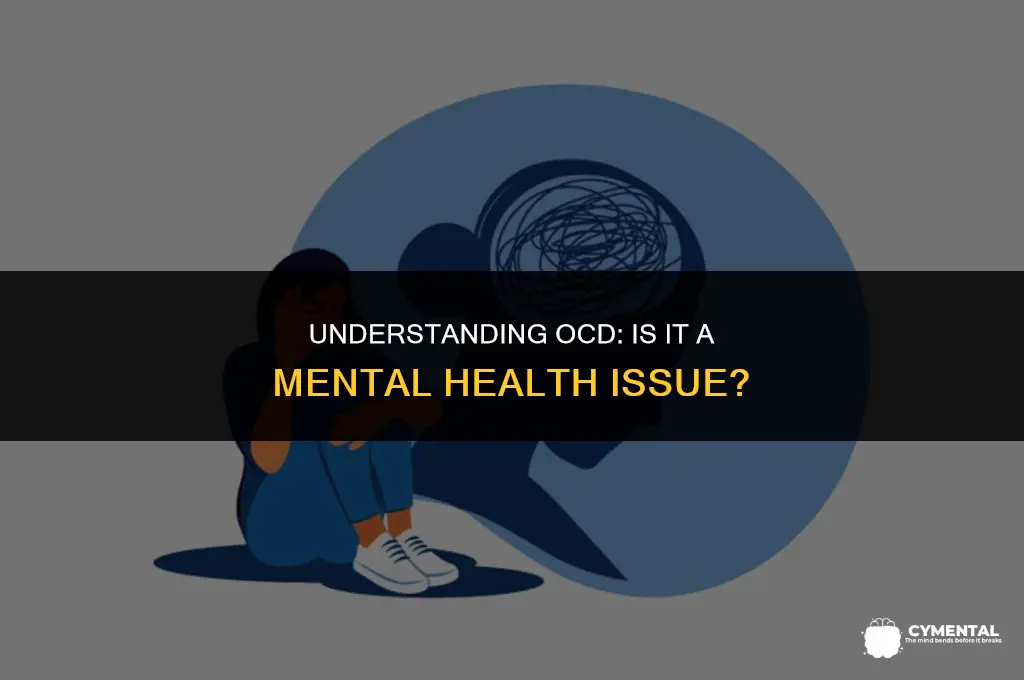
Obsessive-Compulsive Disorder (OCD) is a complex mental health condition that affects millions of people worldwide. Characterized by intrusive, unwanted thoughts (obsessions) and repetitive behaviors (compulsions), OCD can significantly impact an individual's daily life and overall well-being. While it's often misunderstood or trivialized, OCD is a serious mental health issue that requires professional treatment and support. In this article, we'll delve into the nature of OCD, exploring its symptoms, causes, and the various treatment options available to those who struggle with this challenging condition. By shedding light on OCD, we aim to promote greater understanding and empathy for those affected, as well as to encourage individuals to seek help and support.
| Characteristics | Values |
|---|---|
| Definition | Obsessive-Compulsive Disorder (OCD) is a mental health condition characterized by intrusive, unwanted thoughts (obsessions) that often lead to repetitive behaviors (compulsions). |
| Symptoms | Common symptoms include persistent, unwanted thoughts, repetitive behaviors such as handwashing or checking, anxiety, and a strong need for order and symmetry. |
| Causes | The exact cause is unknown, but it is believed to involve a combination of genetic, environmental, and neurological factors. |
| Diagnosis | Diagnosed through clinical evaluation, often using criteria from the Diagnostic and Statistical Manual of Mental Disorders (DSM-5). |
| Treatment | Typically treated with a combination of medication (such as selective serotonin reuptake inhibitors) and psychotherapy (especially cognitive-behavioral therapy). |
| Prognosis | With proper treatment, many individuals with OCD can experience significant improvement in symptoms and quality of life. |
| Prevalence | It affects approximately 2-3% of the population worldwide, with onset usually occurring in childhood, adolescence, or early adulthood. |
| Impact | OCD can significantly impact daily functioning, relationships, and overall well-being if left untreated. |
Explore related products


What You'll Learn
- Definition and Diagnosis: Understanding OCD, its symptoms, and criteria for diagnosis
- Causes and Risk Factors: Exploring genetic, environmental, and psychological factors contributing to OCD
- Treatment Options: Discussing therapies and medications used to manage OCD symptoms
- Impact on Daily Life: How OCD affects personal relationships, work, and overall quality of life
- Myths and Misconceptions: Addressing common misunderstandings and stigmas associated with OCD

Definition and Diagnosis: Understanding OCD, its symptoms, and criteria for diagnosis
Obsessive-Compulsive Disorder (OCD) is a mental health condition characterized by a cycle of obsessions and compulsions. Obsessions are intrusive, unwanted thoughts, images, or urges that cause significant distress or anxiety. Compulsions are repetitive behaviors or mental acts that an individual feels compelled to perform in response to these obsessions, often in an attempt to relieve the associated anxiety. These behaviors can interfere significantly with daily life and cause considerable impairment.
The diagnosis of OCD is based on specific criteria outlined in the Diagnostic and Statistical Manual of Mental Disorders (DSM-5). According to the DSM-5, a person must exhibit the following symptoms to be diagnosed with OCD: the presence of obsessions, compulsions, or both; the obsessions and compulsions must cause significant distress or impairment in social, occupational, or other important areas of functioning; and the symptoms must not be better explained by another mental disorder.
In addition to these criteria, mental health professionals often use various assessment tools and interviews to gather more information about the individual's symptoms and their impact on daily life. These tools can help in making a more accurate diagnosis and in developing an appropriate treatment plan.
It's important to note that OCD can manifest in different ways for different individuals. Some people may primarily experience obsessions related to cleanliness and contamination, while others may have obsessions related to order and symmetry. Similarly, compulsions can vary widely, from handwashing and checking to counting and arranging objects in a specific way.
Understanding the definition and diagnosis of OCD is crucial for recognizing the disorder and seeking appropriate help. If left untreated, OCD can worsen over time and lead to significant impairment in various aspects of life. However, with proper diagnosis and treatment, many individuals with OCD can manage their symptoms effectively and lead fulfilling lives.
Gallbladder-Brain Connection: Uncovering Mental Health Links to Gallbladder Issues
You may want to see also
Explore related products


Causes and Risk Factors: Exploring genetic, environmental, and psychological factors contributing to OCD
Obsessive-Compulsive Disorder (OCD) is a complex mental health condition influenced by a multitude of factors. Research indicates that genetic predisposition plays a significant role in the development of OCD. Studies have shown that individuals with a family history of OCD are more likely to develop the disorder themselves. This genetic component is believed to affect the brain's structure and function, particularly in regions responsible for regulating emotions and behavior.
Environmental factors also contribute to the onset of OCD. Traumatic events, such as abuse, neglect, or significant life changes, can trigger obsessive-compulsive behaviors as a coping mechanism. Additionally, certain infections, like streptococcal infections, have been linked to the sudden appearance of OCD symptoms in some cases.
Psychological factors are another crucial aspect in understanding OCD. Perfectionism, anxiety, and a tendency to catastrophize can exacerbate obsessive thoughts and compulsive behaviors. Individuals with OCD often have a heightened sense of responsibility and may feel compelled to perform rituals or checks to prevent perceived disasters or harm.
Moreover, neurobiological factors, such as imbalances in neurotransmitters like serotonin and dopamine, are implicated in OCD. These chemical messengers play a vital role in mood regulation and impulse control, and their dysregulation can contribute to the repetitive and intrusive nature of OCD symptoms.
It is essential to recognize that OCD is not solely caused by one factor but is typically the result of an interplay between genetic, environmental, and psychological elements. Understanding these contributing factors can aid in the development of more effective treatment strategies and improve outcomes for individuals living with OCD.
Supporting Student Mental Health: Strategies for Navigating COVID-19 Challenges
You may want to see also
Explore related products

$15.99 $15.99

$46.92 $61.2


Treatment Options: Discussing therapies and medications used to manage OCD symptoms
Cognitive-behavioral therapy (CBT) is a frontline treatment for OCD, focusing on identifying and challenging negative thought patterns and behaviors. A specific form of CBT known as exposure and response prevention (ERP) is particularly effective. ERP involves gradually exposing individuals to situations that trigger their obsessions, while teaching them to resist the urge to perform compulsive behaviors. This process helps to reduce the anxiety associated with obsessions and the need to perform compulsions.
Medications can also play a crucial role in managing OCD symptoms. Selective serotonin reuptake inhibitors (SSRIs) are commonly prescribed, as they help to regulate serotonin levels in the brain, which can reduce obsessive and compulsive behaviors. In some cases, tricyclic antidepressants may also be used. It's important to note that medication should often be combined with therapy for the most effective treatment outcomes.
For individuals who do not respond adequately to SSRIs or CBT, other treatment options may be considered. These can include augmentation strategies, such as adding another medication to the SSRI, or alternative therapies like mindfulness-based cognitive therapy or acceptance and commitment therapy. In severe cases, more intensive treatments like residential programs or even surgical interventions, such as deep brain stimulation, may be explored.
It's crucial for individuals with OCD to work closely with a mental health professional to develop a personalized treatment plan. This plan should take into account the individual's specific symptoms, medical history, and personal preferences. With the right combination of therapy and medication, many people with OCD can experience significant symptom reduction and improved quality of life.
In addition to professional treatment, there are also self-help strategies that individuals with OCD can employ. These include practicing relaxation techniques, such as deep breathing or meditation, to help manage anxiety. Engaging in regular exercise and maintaining a healthy diet can also support overall mental health. Furthermore, connecting with support groups or online communities can provide valuable peer support and help individuals feel less isolated in their experiences.
Understanding Grief: Mental Health Implications and Coping Strategies
You may want to see also
Explore related products


Impact on Daily Life: How OCD affects personal relationships, work, and overall quality of life
Obsessive-Compulsive Disorder (OCD) can have a profound impact on an individual's daily life, affecting various aspects such as personal relationships, work, and overall quality of life. One of the primary ways OCD influences personal relationships is through the compulsive behaviors and rituals that individuals feel compelled to perform. These rituals can be time-consuming and may interfere with social interactions, leading to feelings of isolation and misunderstanding from friends and family.
In the workplace, OCD can manifest in a variety of ways, such as excessive checking and rechecking of work, an inability to delegate tasks, and a preoccupation with minor details. These behaviors can lead to decreased productivity and efficiency, as well as strained relationships with colleagues and supervisors. Individuals with OCD may also experience difficulties in maintaining employment due to the demands of their rituals and the potential for workplace accommodations to be misunderstood or unmet.
The overall quality of life for individuals with OCD can be significantly compromised. The constant presence of intrusive thoughts and the need to perform compulsive behaviors can lead to high levels of stress and anxiety. This can result in physical health problems, such as headaches and gastrointestinal issues, as well as mental health concerns like depression and substance abuse. Additionally, the stigma associated with OCD can contribute to feelings of shame and embarrassment, further impacting an individual's self-esteem and social interactions.
It is essential for individuals with OCD to seek treatment, as effective management of the disorder can lead to improved functioning in daily life. Cognitive-behavioral therapy (CBT) and medication are commonly used treatments that can help reduce the severity of symptoms and improve overall quality of life. Support from friends, family, and mental health professionals is also crucial in helping individuals with OCD navigate the challenges they face and work towards recovery.
Is Hate a Mental Health Issue? Exploring the Psychological Roots
You may want to see also
Explore related products


Myths and Misconceptions: Addressing common misunderstandings and stigmas associated with OCD
One prevalent myth about OCD is that it's simply a matter of being overly tidy or organized. This misconception stems from the fact that many people with OCD do exhibit compulsions related to cleanliness or order, but it overlooks the broader range of symptoms and the underlying anxiety that drives these behaviors. In reality, OCD can manifest in various ways, including intrusive thoughts, repetitive checking, or mental rituals, none of which are necessarily related to tidiness.
Another common misunderstanding is that people with OCD can just "snap out of it" or control their symptoms through sheer willpower. This notion is harmful because it dismisses the complexity of OCD as a neurological disorder. While cognitive-behavioral therapy and medication can be effective treatments, they require consistent effort and professional guidance, not simply a decision to change one's behavior.
Some individuals also mistakenly believe that OCD is a rare condition, affecting only a small segment of the population. However, OCD is more common than many realize, impacting approximately 2-3% of adults in the United States alone. This misconception can lead to feelings of isolation for those suffering from OCD, as they may feel that their experiences are not understood or shared by others.
Furthermore, there's a stigma surrounding OCD that often leads to shame and embarrassment for those affected. This stigma can prevent individuals from seeking help, fearing that they will be judged or labeled as "crazy." It's crucial to address this stigma by promoting awareness and understanding of OCD as a legitimate mental health issue, rather than a character flaw or personal weakness.
Lastly, it's important to recognize that OCD is not a one-size-fits-all condition. Symptoms and experiences can vary greatly from person to person, and what may be helpful for one individual may not be effective for another. A personalized approach to treatment, tailored to the specific needs and circumstances of each person, is essential for managing OCD effectively.
Rising Mental Health Challenges: Analyzing the Surge Since 2000
You may want to see also
Frequently asked questions
Yes, Obsessive-Compulsive Disorder (OCD) is classified as a mental health issue. It is characterized by unwanted and intrusive thoughts (obsessions) that often lead to repetitive behaviors (compulsions). These behaviors are performed in an attempt to relieve the stress or anxiety caused by these obsessions.
Common symptoms of OCD include persistent, unwanted thoughts or urges that cause significant distress, such as fear of contamination, fear of making a mistake, or intrusive violent or sexual thoughts. Compulsive behaviors may include handwashing, checking, counting, or arranging things in a particular way. These behaviors can interfere with daily life and cause significant impairment.
OCD is typically treated with a combination of medication and psychotherapy. Selective Serotonin Reuptake Inhibitors (SSRIs) are often used to help reduce the symptoms of OCD. Cognitive-Behavioral Therapy (CBT), specifically Exposure and Response Prevention (ERP), is a highly effective form of psychotherapy for OCD. ERP involves gradually exposing individuals to their feared situations or objects and helping them resist the urge to perform compulsive behaviors.