Lucas Bennett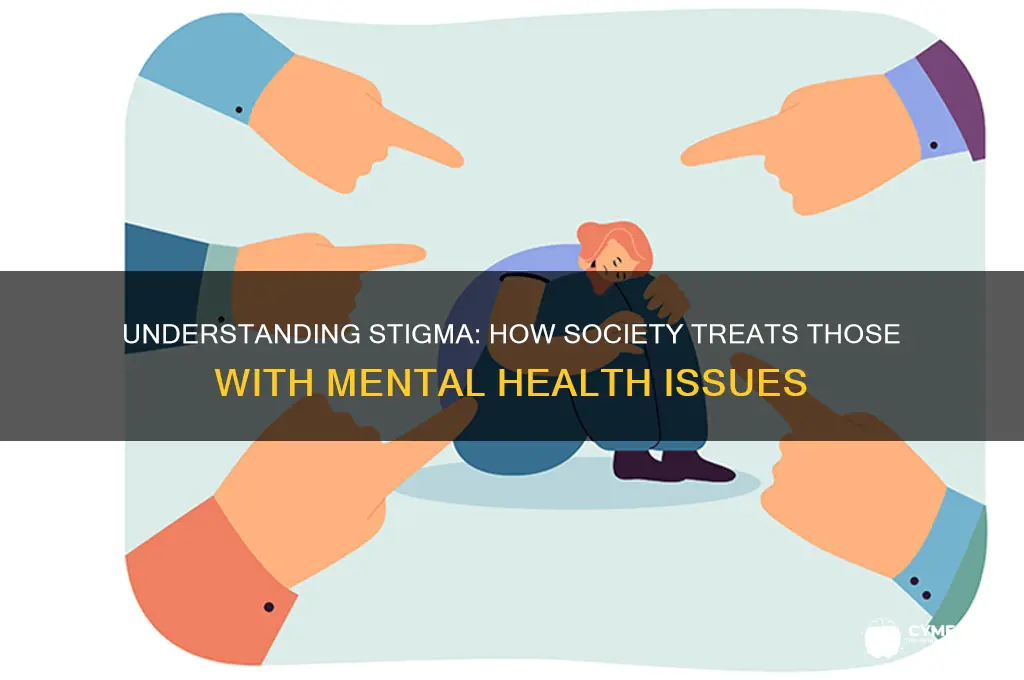
People with mental health issues often face stigma, discrimination, and misunderstanding in their interactions with others, which can exacerbate their struggles and hinder their recovery. Societal misconceptions about mental illness frequently lead to prejudiced attitudes, causing individuals to be labeled, judged, or avoided rather than supported. In personal relationships, friends, family, or colleagues may unintentionally invalidate their experiences, offer unsolicited advice, or withdraw due to discomfort, leaving those affected feeling isolated and misunderstood. Workplace environments can also be challenging, with employers or coworkers sometimes making assumptions about productivity or reliability, limiting opportunities for growth or accommodation. Despite growing awareness and advocacy, the pervasive lack of empathy and education about mental health continues to create barriers, emphasizing the urgent need for societal change to foster compassion, inclusion, and equitable treatment for all.
Explore related products


What You'll Learn

Stigma and Discrimination
People with mental health issues often face a double burden: the weight of their condition and the stigma that surrounds it. This stigma manifests as discrimination, prejudice, and negative attitudes, creating barriers to their recovery and well-being. A 2017 survey by the National Alliance on Mental Illness (NAMI) found that 60% of individuals with mental illness reported experiencing discrimination, with 40% stating it occurred in the workplace. This discrimination takes many forms, from social exclusion and gossip to denial of opportunities and even physical violence.
Understanding the Roots of Stigma
Stigma against mental illness is deeply rooted in misconceptions, fear, and a lack of understanding. Historically, mental illness was often attributed to supernatural causes, moral failing, or weakness of character. These outdated beliefs persist, fueling stereotypes that portray individuals with mental health issues as dangerous, unpredictable, or incapable. Media portrayals often reinforce these stereotypes, depicting characters with mental illness as violent or comedic figures, further perpetuating fear and misunderstanding.
Understanding these roots is crucial for dismantling stigma. Education and open dialogue are powerful tools. Sharing personal stories, challenging stereotypes through accurate media representation, and promoting mental health literacy can help replace fear with empathy and understanding.
The Impact of Discrimination: A Vicious Cycle
Discrimination has devastating consequences for individuals with mental health issues. It can lead to social isolation, decreased self-esteem, and a reluctance to seek help. Fear of judgment and rejection often prevents people from disclosing their struggles, delaying treatment and hindering recovery. This creates a vicious cycle: untreated mental illness can worsen symptoms, leading to further discrimination and social exclusion. For example, a person experiencing depression may struggle to perform at work due to fatigue and concentration difficulties. If their employer attributes these issues to laziness or lack of motivation, they may face disciplinary action or even lose their job, exacerbating their depression and financial insecurity.
Breaking the Cycle: Practical Steps
Combating stigma and discrimination requires collective effort. Here are some practical steps:
- Educate Yourself and Others: Learn about different mental health conditions, their symptoms, and available treatments. Share accurate information to challenge misconceptions.
- Use Inclusive Language: Avoid stigmatizing language that labels individuals by their diagnosis (e.g., "schizophrenic" instead of "person with schizophrenia").
- Be an Ally: Speak up against discriminatory remarks or behaviors. Support individuals with mental health issues by listening without judgment and offering encouragement.
- Advocate for Policy Changes: Support policies that promote mental health parity, ensure access to affordable treatment, and protect individuals from discrimination in employment, housing, and healthcare.
A Call to Action: Building a More Compassionate Society
The Hidden Financial Impact of Mental Health Issues on Businesses
You may want to see also
Explore related products


Social Isolation and Exclusion
People with mental health issues often face a silent yet pervasive form of discrimination: social isolation and exclusion. This phenomenon isn’t always overt; it can manifest subtly through canceled plans, unreturned calls, or a gradual fading from social circles. Research shows that individuals with mental health conditions are 2.5 times more likely to report feeling socially isolated compared to the general population. This isolation isn’t merely a byproduct of their condition but often a direct result of societal stigma and misunderstanding. For example, a person with depression might withdraw from social activities, but this withdrawal is frequently compounded by friends or family members who misinterpret their behavior as disinterest or laziness, leading to further exclusion.
Consider the mechanics of this exclusion. Social relationships are built on reciprocity—mutual effort and understanding. When someone struggles with mental health, their ability to engage consistently may wane, creating a rift. However, instead of adapting to their needs, others often retreat, fearing the unknown or feeling unequipped to handle the situation. A study published in *The Lancet* highlights that 40% of people with severe mental health issues report losing friendships due to their condition. This isn’t just about losing social connections; it’s about losing a support system critical for recovery. For instance, a young adult with anxiety might stop attending group outings, not because they no longer value friendships, but because the sensory overload triggers panic attacks. Without education or empathy, peers may misinterpret this as flakiness, severing ties that could otherwise be preserved with simple accommodations.
To combat this, proactive steps are essential. First, educate yourself and others about mental health to dismantle misconceptions. For example, explaining that a person with schizophrenia isn’t inherently dangerous can reduce unwarranted fear. Second, foster inclusive environments by normalizing conversations about mental health. Workplaces and schools can implement policies like flexible schedules or quiet spaces to support individuals without stigmatizing them. Third, actively reach out to those who may be withdrawing. A simple text asking, “How are you doing?” can make a significant difference. Caution, however, against forcing interactions; respect boundaries while signaling openness. Finally, encourage professional support by sharing resources like helplines or therapy platforms. For instance, apps like Calm or Headspace offer accessible tools for managing symptoms, which can indirectly improve social engagement.
The takeaway is clear: social isolation and exclusion are not inevitable for people with mental health issues. They are preventable through awareness, empathy, and actionable steps. By reframing how we perceive and interact with those struggling, we can transform exclusion into inclusion, ensuring no one faces their challenges alone. This isn’t just a moral imperative—it’s a practical one, as social connection is a cornerstone of mental health recovery.
Social Media's Impact: Rising Mental Health Issues in the Digital Age
You may want to see also
Explore related products


Empathy and Support Networks
People with mental health issues often face a spectrum of reactions from others, ranging from overt stigma to subtle avoidance. Yet, among these challenges, empathy and support networks emerge as transformative forces. Empathy, the ability to understand and share another’s feelings, bridges the gap between isolation and connection. When paired with structured support networks—whether formal (therapists, helplines) or informal (friends, family)—it creates a safety net that fosters resilience and recovery.
Consider the power of active listening, a cornerstone of empathy. Instead of offering quick fixes like “Just stay positive,” an empathetic response might be, “That sounds really hard. How can I help?” This simple shift validates the person’s experience, signaling that their feelings are acknowledged and valued. Research shows that feeling heard reduces cortisol levels, the stress hormone, by up to 20%, highlighting the physiological impact of empathy. Pair this with a support network—say, a weekly check-in with a trusted friend—and you create a consistent source of comfort and accountability.
Building a support network requires intentionality. Start by identifying 2–3 individuals who embody empathy and reliability. These could be friends, family, or even online community members. Next, establish clear boundaries and expectations. For instance, agree on a signal (e.g., “I’m having a rough day”) that cues a supportive response without requiring detailed explanations. For those aged 18–25, peer support groups can be particularly effective, as shared experiences foster deeper understanding. Apps like 7 Cups or platforms like Reddit’s mental health communities offer accessible entry points for those hesitant to rely solely on personal connections.
However, empathy and support networks are not without pitfalls. Over-reliance on a single person can lead to burnout, while misplaced empathy (e.g., enabling harmful behaviors) can hinder progress. To mitigate this, diversify your network to include professionals like therapists or counselors, who provide structured guidance without emotional exhaustion. Additionally, educate your network on mental health basics—for example, the difference between depression and sadness—to ensure their support is informed and effective.
In conclusion, empathy and support networks are not just nice-to-haves; they are lifelines. By combining empathetic communication with a well-structured network, individuals with mental health issues can navigate their challenges with greater confidence and hope. Practical steps, like active listening and boundary-setting, paired with awareness of potential pitfalls, ensure these networks remain sustainable and impactful. Together, empathy and support transform the way we treat mental health—from a place of fear or ignorance to one of understanding and solidarity.
Opiates and the Mind: Unraveling the Link to Mental Health Struggles
You may want to see also
Explore related products


Workplace Treatment and Bias
People with mental health issues often face subtle yet pervasive biases in the workplace, which can hinder their career progression and overall well-being. A 2021 study by the Center for Workplace Mental Health found that 60% of employees with mental health conditions reported experiencing stigma or discrimination at work. This bias manifests in various ways, from microaggressions like dismissive comments to more overt actions such as exclusion from projects or promotions. For instance, a manager might hesitate to assign a high-stakes task to an employee with anxiety, assuming they cannot handle the pressure, despite their proven track record. Such assumptions not only undermine the individual’s capabilities but also perpetuate a cycle of underutilization and undervaluation.
To address workplace bias, organizations must first recognize the systemic barriers that contribute to it. One practical step is to implement mandatory mental health training for all employees, particularly managers and leaders. This training should focus on debunking myths, fostering empathy, and providing actionable strategies for creating an inclusive environment. For example, teaching managers to use person-first language (e.g., “an employee with depression” instead of “a depressed employee”) can help shift perceptions. Additionally, establishing clear policies that protect employees from discrimination and ensure confidentiality when disclosing mental health issues is crucial. Companies like Unilever and Deloitte have set benchmarks by integrating mental health into their core HR practices, demonstrating that such measures are both feasible and impactful.
A comparative analysis of workplaces reveals that those with robust mental health support systems experience higher employee retention and productivity. For instance, a 2020 study by the World Health Organization found that for every dollar invested in mental health interventions, there is a fourfold return in improved health and productivity. Contrastingly, workplaces that neglect mental health often see increased absenteeism and presenteeism, where employees are physically present but mentally disengaged. This highlights the business case for prioritizing mental health, as it not only benefits individuals but also the organization’s bottom line. Companies that fail to address bias risk losing top talent and fostering a toxic culture that stifles innovation and collaboration.
Finally, creating a culture of openness and accountability is essential for combating workplace bias. Encouraging employees to share their experiences without fear of retaliation can provide valuable insights into areas needing improvement. For example, anonymous surveys or focus groups can uncover hidden biases and systemic issues. Leaders must also model vulnerability by openly discussing mental health, normalizing the conversation, and reducing stigma. A powerful takeaway is that addressing bias is not a one-time initiative but an ongoing commitment. By fostering an environment where mental health is treated with the same importance as physical health, workplaces can become spaces of empowerment rather than exclusion.
Unveiling Stigma: How Society Treats Mental Health Struggles
You may want to see also
Explore related products


Media Representation and Stereotypes
Media often portrays individuals with mental health issues through a narrow lens, perpetuating stereotypes that shape public perception. Characters with conditions like schizophrenia or bipolar disorder are frequently depicted as violent, unpredictable, or dangerous. For instance, in films like *Taxi Driver* or *Joker*, mental illness is linked to criminal behavior, reinforcing the myth that people with these conditions are inherently threatening. This portrayal not only stigmatizes but also discourages empathy, as audiences internalize these exaggerated traits as reality. Such representations ignore the diversity of experiences among those with mental health challenges, reducing complex individuals to one-dimensional caricatures.
Consider the instructive role media could play if it shifted focus from sensationalism to accuracy. Documentaries like *The Mind, Explained* or series such as *BoJack Horseman* offer nuanced portrayals of depression and anxiety, showing characters as multifaceted and relatable. These examples demonstrate that mental illness does not define a person’s entire identity. By highlighting recovery journeys, coping mechanisms, and the role of support systems, media can educate audiences on the realities of living with mental health issues. Practical steps for creators include consulting mental health professionals, avoiding dramatic license that distorts symptoms, and showcasing diverse outcomes beyond tragedy.
A comparative analysis reveals how media stereotypes influence real-world treatment. Studies show that exposure to negative portrayals increases social distancing behaviors, such as avoiding interactions with individuals perceived as mentally ill. Conversely, positive representations foster understanding and reduce prejudice. For example, campaigns like *Heads Together* in the UK use media to humanize mental health struggles, encouraging open conversations. This contrast underscores the power of media to either reinforce stigma or dismantle it, depending on the narrative choices made by creators.
To combat stereotypes, media consumers must critically evaluate content and demand better representation. Start by questioning whether a portrayal aligns with factual data—for instance, only 3-5% of violent acts are committed by individuals with mental illness, contrary to popular belief. Engage with media that challenges stereotypes, such as podcasts like *The Hilarious World of Depression*, which blends humor with candid discussions. Advocate for policies requiring sensitivity training for writers and producers, ensuring mental health is treated with the same care as physical health. By becoming informed and proactive, audiences can drive a cultural shift toward more accurate and compassionate storytelling.
Stigma Behind Bars: Society's Perception of Mental Health in Prisons
You may want to see also
Frequently asked questions
People with mental health issues often report feeling misunderstood, dismissed, or stigmatized by friends and family. While some receive support and empathy, others face judgment, avoidance, or pressure to "just get over it," which can exacerbate their struggles.
Yes, individuals with mental health issues may face discrimination, microaggressions, or exclusion in the workplace. Some employers or coworkers may overlook their capabilities, assume they are unreliable, or hesitate to provide necessary accommodations, despite legal protections in many regions.
Societal stigma often leads to stereotypes, fear, and avoidance of individuals with mental health issues. This can result in social isolation, limited opportunities, and reluctance to seek help due to fear of judgment or negative consequences. However, awareness and advocacy efforts are gradually improving public understanding and treatment.