Ava Ramirez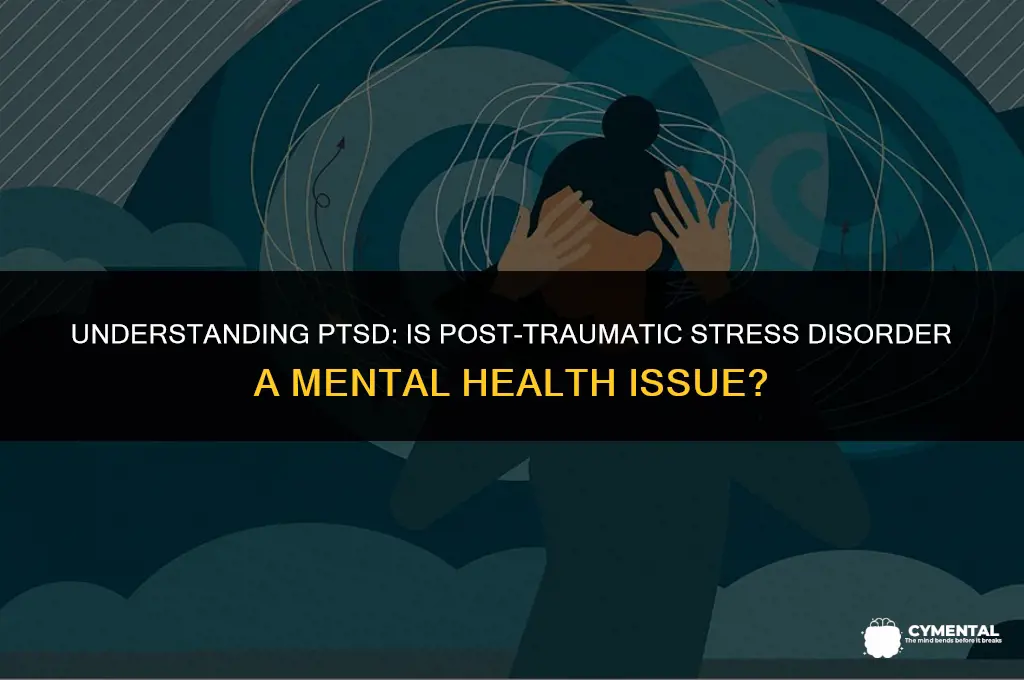
Post-Traumatic Stress Disorder (PTSD) is a complex mental health condition that can develop after an individual experiences or witnesses a traumatic event. It is characterized by a range of symptoms, including intrusive memories, flashbacks, nightmares, and severe anxiety. PTSD can significantly impact a person's daily life, relationships, and overall well-being. While it is often associated with combat veterans, PTSD can affect anyone who has endured a traumatic experience, such as natural disasters, accidents, or violent crimes. Understanding PTSD as a mental health issue is crucial for providing appropriate support and treatment to those affected.
| Characteristics | Values |
|---|---|
| Definition | Post-Traumatic Stress Disorder (PTSD) is a mental health condition triggered by experiencing or witnessing a traumatic event. |
| Symptoms | Intrusive memories, flashbacks, nightmares, avoidance of reminders of the trauma, heightened arousal, anxiety, depression. |
| Causes | Traumatic events such as combat, natural disasters, accidents, abuse, or other life-threatening situations. |
| Diagnosis | Diagnosed by a mental health professional through a combination of interviews, questionnaires, and observation. |
| Treatment | Cognitive-behavioral therapy (CBT), exposure therapy, medication such as antidepressants, relaxation techniques. |
| Prognosis | With effective treatment, many individuals with PTSD can experience significant improvement in symptoms and quality of life. |
| Complications | Can lead to substance abuse, depression, anxiety disorders, and difficulties in personal and professional relationships. |
| Prevention | While PTSD cannot be prevented, early intervention and support following a traumatic event can reduce the risk of developing the disorder. |
Explore related products


What You'll Learn
- Definition and Diagnosis: Understanding PTSD's criteria and how it's diagnosed
- Causes and Risk Factors: Exploring triggers and who's most susceptible
- Symptoms and Impact: Discussing common symptoms and their effects on daily life
- Treatment Options: Overview of therapies and medications used to manage PTSD
- Coping Strategies: Practical advice for individuals dealing with PTSD symptoms

Definition and Diagnosis: Understanding PTSD's criteria and how it's diagnosed
Post-Traumatic Stress Disorder (PTSD) is a mental health condition that can develop after a person experiences a traumatic event. The diagnosis of PTSD involves a thorough evaluation of the individual's symptoms and history. According to the Diagnostic and Statistical Manual of Mental Disorders (DSM-5), PTSD is characterized by a specific set of criteria that must be met for a diagnosis to be made.
The first criterion is the exposure to a traumatic event, which can include experiences such as military combat, natural disasters, serious accidents, or violent personal assaults. The second criterion involves the presence of intrusive symptoms, such as flashbacks, nightmares, or intense distress when reminded of the traumatic event. The third criterion is the avoidance of stimuli associated with the trauma, which can lead to significant changes in behavior and daily functioning.
The fourth criterion for PTSD is the presence of negative alterations in cognition and mood, which can manifest as persistent negative thoughts, feelings of guilt or shame, or a loss of interest in previously enjoyable activities. The fifth criterion involves alterations in arousal and reactivity, which can include symptoms such as irritability, anger outbursts, or hypervigilance.
To diagnose PTSD, a mental health professional will typically conduct a clinical interview and may use standardized assessment tools to evaluate the individual's symptoms. The diagnosis is made when the person meets all five of the DSM-5 criteria for PTSD. It is important to note that PTSD can only be diagnosed by a qualified mental health professional, and self-diagnosis is not recommended.
In addition to the DSM-5 criteria, there are other factors that can influence the diagnosis of PTSD, such as the severity and duration of the traumatic event, the individual's personal history and coping mechanisms, and the presence of any co-occurring mental health conditions. A comprehensive evaluation will take all of these factors into account to ensure an accurate diagnosis and appropriate treatment plan.
Supporting Loved Ones: Navigating Mental Health Challenges in Family Dynamics
You may want to see also
Explore related products


Causes and Risk Factors: Exploring triggers and who's most susceptible
Traumatic events can trigger post-traumatic stress disorder (PTSD), a mental health condition characterized by intrusive memories, heightened arousal, and emotional numbing. While the exact causes of PTSD are complex and multifaceted, research has identified several key risk factors that increase an individual's susceptibility to developing the disorder.
One of the primary risk factors for PTSD is the severity and duration of the traumatic event. Individuals who experience prolonged or intense trauma, such as combat veterans or survivors of natural disasters, are more likely to develop PTSD. Additionally, the type of trauma can also play a role, with certain events like sexual assault or childhood abuse carrying a higher risk for PTSD development.
Another significant risk factor is an individual's genetic predisposition. Studies have shown that PTSD has a strong genetic component, with certain genes involved in stress response and emotional regulation being implicated in the disorder. This genetic vulnerability can be exacerbated by environmental factors, such as a lack of social support or exposure to additional stressors.
Furthermore, individuals with pre-existing mental health conditions, such as depression or anxiety disorders, are at a higher risk for developing PTSD following a traumatic event. This is likely due to the fact that these conditions can impair an individual's ability to cope with stress and trauma, making them more susceptible to the development of PTSD symptoms.
It is also important to consider the role of age in PTSD risk. While PTSD can occur at any age, children and adolescents are particularly vulnerable to the effects of trauma. This is because their brains are still developing, and traumatic experiences can have a profound impact on their emotional and psychological growth.
In conclusion, PTSD is a complex disorder with multiple causes and risk factors. By understanding these factors, we can better identify individuals who are most susceptible to developing PTSD and provide them with targeted interventions and support.
Supporting Loved Ones: Practical Ways to Aid Family Mental Health Struggles
You may want to see also
Explore related products


Symptoms and Impact: Discussing common symptoms and their effects on daily life
Post-Traumatic Stress Disorder (PTSD) manifests through a variety of symptoms that can significantly disrupt an individual's daily life. One of the most common symptoms is the re-experiencing of the traumatic event through flashbacks or nightmares. These episodes can be triggered by various stimuli, such as sounds, smells, or even certain times of the day, and can cause intense emotional distress.
Another prevalent symptom is hyperarousal, characterized by a heightened state of alertness and reactivity. Individuals with PTSD may exhibit behaviors such as irritability, outbursts of anger, or difficulty concentrating and sleeping. This constant state of heightened alertness can lead to physical symptoms like headaches, stomach problems, and muscle tension, further impacting daily functioning.
Avoidance behaviors are also a significant aspect of PTSD. Sufferers may avoid places, people, or activities that remind them of the traumatic event, leading to social isolation and a restricted lifestyle. This avoidance can also result in feelings of guilt or shame, as individuals may feel they are unable to engage in normal activities or maintain relationships.
The impact of PTSD on daily life can be profound. The symptoms can interfere with work, school, and social interactions, leading to difficulties in maintaining employment, academic performance, and personal relationships. The emotional toll of PTSD can also result in substance abuse, depression, and anxiety disorders, further complicating the individual's mental health landscape.
In conclusion, the symptoms of PTSD, including re-experiencing, hyperarousal, and avoidance behaviors, can have a pervasive impact on an individual's daily life. Understanding these symptoms and their effects is crucial for providing effective support and treatment for those suffering from PTSD.
Navigating the Conversation: Sharing Your Mental Health Struggles with Parents
You may want to see also
Explore related products

$17.47 $27.95


Treatment Options: Overview of therapies and medications used to manage PTSD
Post-Traumatic Stress Disorder (PTSD) is a complex mental health condition that requires a multifaceted approach to treatment. The primary goal of PTSD treatment is to help individuals manage their symptoms, improve their quality of life, and regain a sense of control and stability. Treatment options for PTSD typically involve a combination of psychotherapy, medication, and lifestyle changes.
One of the most effective forms of psychotherapy for PTSD is Cognitive Behavioral Therapy (CBT). CBT helps individuals identify and challenge negative thought patterns and behaviors that contribute to their PTSD symptoms. Exposure therapy, a type of CBT, involves gradually exposing individuals to the traumatic event or situation in a controlled and safe environment, helping them to desensitize and process their experiences. Eye Movement Desensitization and Reprocessing (EMDR) is another therapeutic approach that uses eye movements to help individuals process traumatic memories and reduce the intensity of their symptoms.
Medications can also play a crucial role in managing PTSD symptoms. Selective Serotonin Reuptake Inhibitors (SSRIs) and Serotonin-Norepinephrine Reuptake Inhibitors (SNRIs) are commonly prescribed antidepressants that can help alleviate symptoms of depression and anxiety associated with PTSD. Prazosin, an alpha-blocker, may be used to reduce nightmares and improve sleep quality. In some cases, benzodiazepines may be prescribed for short-term relief of severe anxiety, but they are generally avoided due to the risk of dependence and withdrawal.
In addition to traditional therapies and medications, alternative and complementary treatments can also be beneficial for individuals with PTSD. These may include mindfulness-based therapies, such as Mindfulness-Based Stress Reduction (MBSR) and Mindfulness-Based Cognitive Therapy (MBCT), which help individuals develop greater awareness and acceptance of their thoughts and emotions. Yoga, acupuncture, and massage therapy can also help reduce stress and promote relaxation.
It is essential for individuals with PTSD to work closely with their healthcare providers to develop a personalized treatment plan that addresses their unique needs and circumstances. Treatment may involve a combination of different therapies and medications, and it may take time to find the right balance. With the appropriate treatment and support, however, individuals with PTSD can learn to manage their symptoms and lead fulfilling lives.
Mentioning Mental Health Issues: Legal Boundaries and Ethical Considerations
You may want to see also
Explore related products

$71 $71


Coping Strategies: Practical advice for individuals dealing with PTSD symptoms
Individuals dealing with PTSD symptoms often find solace in establishing a daily routine. This provides a sense of structure and predictability that can be comforting amidst the chaos of symptoms. Start by setting regular times for meals, sleep, and exercise. Incorporate activities that promote relaxation and stress reduction, such as yoga, meditation, or deep breathing exercises. Engaging in physical activity can also help reduce symptoms by releasing endorphins and improving overall health.
Another effective coping strategy is to practice grounding techniques. These techniques help individuals stay present in the moment and can be particularly useful during flashbacks or when feeling overwhelmed. Examples of grounding techniques include focusing on the five senses, such as noticing the sensation of your feet on the ground, the sounds around you, or the smell of a comforting scent. Mindfulness exercises can also help individuals stay grounded and centered.
Seeking social support is crucial for individuals dealing with PTSD symptoms. Connecting with friends, family, or a support group can provide a sense of community and help reduce feelings of isolation. It's important to communicate openly about your needs and feelings with those around you. Additionally, consider seeking professional help from a therapist or counselor who specializes in PTSD. They can provide guidance, support, and evidence-based treatments to help manage symptoms.
Self-care is essential for individuals with PTSD. This includes taking time for activities that bring joy and relaxation, such as reading, listening to music, or spending time in nature. It's also important to prioritize healthy habits, such as maintaining a balanced diet, getting enough sleep, and avoiding substances that may exacerbate symptoms. Practicing self-compassion and understanding can also be helpful in managing the emotional impact of PTSD.
In conclusion, coping with PTSD symptoms requires a multifaceted approach that includes establishing routines, practicing grounding techniques, seeking social support, prioritizing self-care, and considering professional help. By incorporating these strategies into daily life, individuals can better manage their symptoms and improve their overall well-being.
Clonidine's Role in Managing Mental Health: Uses and Effectiveness
You may want to see also
Frequently asked questions
Yes, PTSD is classified as a mental health disorder. It is characterized by symptoms such as intrusive memories, avoidance behaviors, negative changes in thinking and mood, and hyperarousal, which can significantly impact a person's daily life and well-being.
PTSD can develop after experiencing or witnessing a traumatic event, such as military combat, natural disasters, serious accidents, or violent personal assaults. It can also result from ongoing stressors like chronic illness or emotional abuse.
Treatment for PTSD often includes psychotherapy, such as cognitive-behavioral therapy (CBT) or eye movement desensitization and reprocessing (EMDR), and may also involve medication like antidepressants or anti-anxiety drugs. A combination of these approaches can help individuals manage their symptoms and improve their quality of life.