Lucas Bennett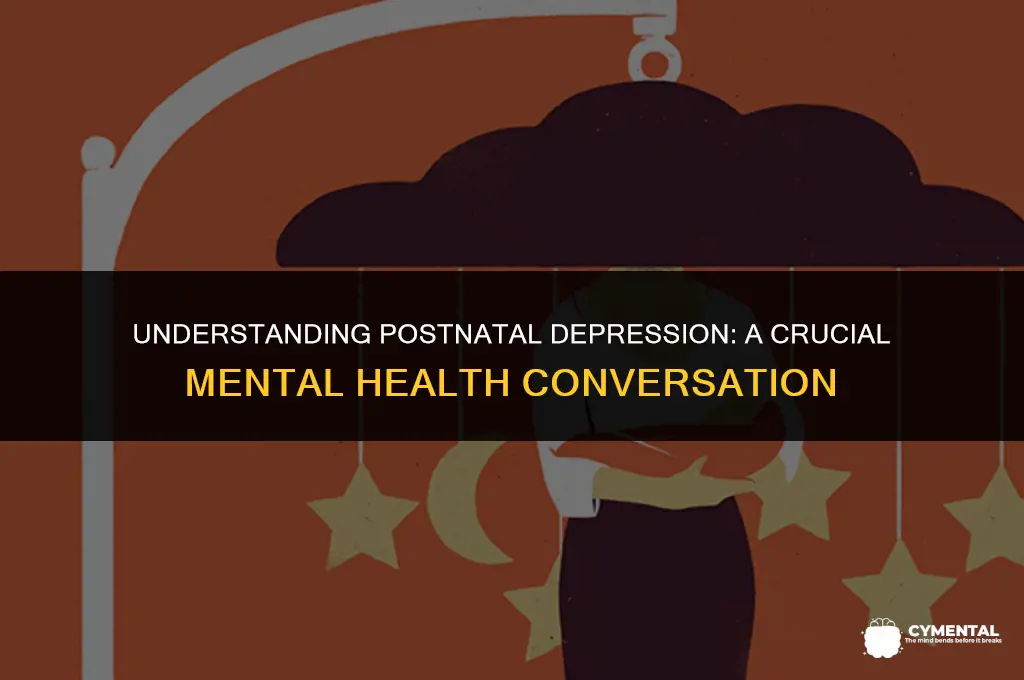
Postnatal depression (PND) is a significant mental health issue that affects new mothers. It is characterized by persistent feelings of sadness, anxiety, and hopelessness that can interfere with a mother's ability to care for her baby and herself. PND is not simply a case of the baby blues, which are common feelings of sadness and mood swings that many new mothers experience. Instead, it is a serious condition that requires treatment and support. If left untreated, PND can have long-term consequences for both the mother and the baby, including difficulties with bonding, breastfeeding, and overall well-being. It is important to recognize the signs of PND and seek help if you or someone you know is struggling with this condition. With proper treatment and support, most women with PND can recover and go on to enjoy a healthy and fulfilling life with their baby.
| Characteristics | Values |
|---|---|
| Definition | A type of depression that occurs after childbirth |
| Symptoms | Feelings of sadness, hopelessness, anxiety, irritability, fatigue, difficulty bonding with the baby, changes in appetite and sleep patterns |
| Causes | Hormonal changes, physical and emotional stress of childbirth, lack of sleep, social isolation, personal history of depression or anxiety |
| Risk Factors | Previous history of mental health issues, lack of social support, stressful life events, complications during pregnancy or childbirth |
| Diagnosis | Evaluation by a healthcare provider, possibly including a physical exam, lab tests, and psychological assessment |
| Treatment | Antidepressant medication, psychotherapy, support groups, self-care strategies such as exercise and relaxation techniques |
| Prognosis | Generally good with proper treatment, but may recur in future pregnancies |
| Prevention | Prenatal care, social support, stress management techniques, early screening and intervention for mental health issues |
Explore related products


What You'll Learn
- Definition and Symptoms: Understanding the clinical signs and emotional experiences associated with postnatal depression
- Causes and Risk Factors: Exploring the biological, psychological, and social factors that contribute to its development
- Diagnosis and Screening: Methods used by healthcare professionals to identify and assess postnatal depression in new mothers
- Treatment Options: Overview of therapeutic approaches, including medication, psychotherapy, and support groups for managing the condition
- Impact on Family and Society: Examining the effects of postnatal depression on the family unit and broader societal implications

Definition and Symptoms: Understanding the clinical signs and emotional experiences associated with postnatal depression
Postnatal depression (PND) is a complex mental health condition that affects new mothers, typically within the first year after childbirth. Clinically, PND is characterized by persistent feelings of sadness, hopelessness, and a lack of interest in activities that were once enjoyable. These symptoms can be severe enough to interfere with daily functioning and the ability to care for the newborn.
The emotional experiences associated with PND are multifaceted. Mothers may feel an overwhelming sense of guilt or inadequacy, believing they are not capable of being good parents. They might also experience anxiety, irritability, and mood swings. Physical symptoms such as fatigue, changes in appetite, and sleep disturbances are common. In severe cases, PND can lead to suicidal thoughts or behaviors.
Understanding the clinical signs of PND is crucial for early detection and intervention. Healthcare providers often use screening tools such as the Edinburgh Postnatal Depression Scale (EPDS) to assess for symptoms. This scale includes questions about mood, anxiety, and feelings of self-worth. A high score on the EPDS can indicate the need for further evaluation and treatment.
Treatment for PND typically involves a combination of psychotherapy and medication. Cognitive-behavioral therapy (CBT) is a common form of psychotherapy that helps mothers identify and change negative thought patterns. Antidepressant medications, such as selective serotonin reuptake inhibitors (SSRIs), can also be effective in reducing symptoms. In some cases, hospitalization may be necessary to ensure the safety of both the mother and the baby.
Support from family, friends, and community resources is also an important aspect of managing PND. New mothers should be encouraged to seek help if they are struggling with their mental health. Early intervention can significantly improve outcomes and help mothers build a strong bond with their children.
Understanding Mental Health: Traditional Chinese Perspectives and Cultural Approaches
You may want to see also
Explore related products


Causes and Risk Factors: Exploring the biological, psychological, and social factors that contribute to its development
Postnatal depression is a complex mental health issue influenced by a multitude of factors. Biologically, hormonal changes play a significant role. The rapid decrease in estrogen and progesterone levels following childbirth can lead to mood disturbances. Additionally, the sleep deprivation common in the postnatal period can exacerbate these hormonal effects, impairing emotional regulation and increasing the risk of depression.
Psychologically, the transition to motherhood brings significant changes and challenges. The new responsibilities and expectations can be overwhelming, leading to feelings of inadequacy and stress. A history of mental health issues, such as depression or anxiety, also increases the risk of developing postnatal depression. Furthermore, the lack of social support can compound these psychological factors, leaving new mothers feeling isolated and unsupported.
Social factors also contribute to the development of postnatal depression. Cultural expectations and societal pressures surrounding motherhood can create unrealistic standards, leading to feelings of guilt and failure. Economic stress, such as financial instability or lack of access to healthcare, can further exacerbate these social pressures. Moreover, the absence of a supportive partner or family members can leave new mothers struggling to cope with the demands of caring for a newborn.
In conclusion, postnatal depression is a multifaceted issue influenced by biological, psychological, and social factors. Understanding these causes and risk factors is crucial for developing effective prevention and treatment strategies. By addressing the hormonal changes, psychological challenges, and social pressures that contribute to postnatal depression, healthcare providers can better support new mothers and improve their mental health outcomes.
Navigating Mental Health Challenges in the Workplace: Strategies for Success
You may want to see also
Explore related products


Diagnosis and Screening: Methods used by healthcare professionals to identify and assess postnatal depression in new mothers
Healthcare professionals employ various methods to identify and assess postnatal depression (PND) in new mothers. One of the primary tools used is the Edinburgh Postnatal Depression Scale (EPDS), a questionnaire that mothers fill out to rate their feelings and experiences over the past week. This scale helps in detecting depressive symptoms and is widely used in clinical settings due to its reliability and validity.
In addition to self-report measures like the EPDS, clinicians also conduct thorough clinical interviews to gather more detailed information about the mother's mental health history, current symptoms, and any potential risk factors for PND. These interviews may involve asking about mood, sleep patterns, appetite, energy levels, and thoughts or feelings of self-harm or harm to the baby.
Another important aspect of diagnosis is the physical examination. While PND is primarily a mental health issue, it can also have physical manifestations such as fatigue, headaches, or gastrointestinal problems. A physical exam can help rule out other potential causes of these symptoms and ensure a comprehensive assessment of the mother's overall health.
Screening for PND typically occurs during routine postnatal check-ups, which are scheduled at various intervals after childbirth. These check-ups provide an opportunity for healthcare providers to monitor the mother's mental health and intervene early if signs of depression are detected. In some cases, additional referrals may be made to mental health specialists for further evaluation and treatment.
It is crucial for healthcare professionals to approach the diagnosis and screening of PND with sensitivity and empathy. New mothers may feel vulnerable and overwhelmed, and a supportive and non-judgmental attitude can help facilitate open communication and accurate assessment. By using a combination of self-report measures, clinical interviews, and physical examinations, healthcare providers can effectively identify and address PND, ensuring that new mothers receive the care and support they need during this critical period.
Supporting Incarcerated Minds: Strategies for Improving Prisoner Mental Health
You may want to see also
Explore related products


Treatment Options: Overview of therapeutic approaches, including medication, psychotherapy, and support groups for managing the condition
Postnatal depression (PND) is a serious mental health condition that affects new mothers. It's characterized by persistent feelings of sadness, anxiety, and hopelessness that can interfere with daily functioning and the ability to care for the baby. While it's a common condition, affecting up to 1 in 5 new mothers, it's often underreported and undertreated. This is partly due to the stigma surrounding mental health issues and the lack of awareness about the condition. However, with the right treatment and support, most women with PND can make a full recovery.
Medication is one of the most common treatment options for PND. Antidepressants, particularly selective serotonin reuptake inhibitors (SSRIs), are often prescribed to help alleviate symptoms. These medications work by increasing the levels of serotonin, a neurotransmitter that helps regulate mood, in the brain. It's important to note that while medication can be effective, it's not always the best option for everyone. Some women may experience side effects, and there's a risk of relapse when medication is stopped. Additionally, medication may not address the underlying causes of PND, such as hormonal changes, sleep deprivation, and social isolation.
Psychotherapy is another important treatment option for PND. Cognitive behavioral therapy (CBT) and interpersonal therapy (IPT) are two types of psychotherapy that have been shown to be effective in treating depression, including PND. CBT helps individuals identify and change negative thought patterns and behaviors, while IPT focuses on improving communication and relationships with others. Psychotherapy can help women with PND understand their feelings, develop coping strategies, and improve their overall mental health and well-being.
Support groups can also play a crucial role in the treatment of PND. Connecting with other women who have experienced similar struggles can help reduce feelings of isolation and provide a sense of community and support. Support groups can be found online or in-person, and they often provide a safe and non-judgmental space for women to share their experiences and receive encouragement and advice from others.
In addition to these treatment options, there are several other strategies that can help manage PND. These include getting regular exercise, eating a healthy diet, getting enough sleep, and practicing self-care. It's also important for women with PND to seek support from their healthcare provider, family, and friends. With the right treatment and support, most women with PND can make a full recovery and go on to enjoy a healthy and fulfilling life with their baby.
Supporting Loved Ones: Compassionate Strategies for Mental Health Challenges
You may want to see also
Explore related products


Impact on Family and Society: Examining the effects of postnatal depression on the family unit and broader societal implications
Postnatal depression (PND) has profound implications that extend beyond the individual experiencing it, affecting the entire family unit and broader society. Research indicates that PND can lead to strained relationships within the family, as the depressed parent may struggle to bond with their child or fulfill their usual roles and responsibilities. This can result in feelings of guilt, anxiety, and inadequacy, further exacerbating the depression. Partners of those with PND may also experience increased stress and anxiety, often feeling helpless or unsure of how to support their loved one.
The impact of PND on children is a significant concern. Infants and young children of mothers with PND may exhibit behavioral problems, such as irritability, difficulty sleeping, and feeding issues. As these children grow older, they may be at a higher risk of developing emotional and behavioral difficulties, including depression and anxiety disorders. The long-term effects of PND on children's cognitive and social development are still being studied, but early intervention and support are crucial to mitigate potential negative outcomes.
From a societal perspective, PND poses a considerable public health challenge. It is estimated that PND affects approximately 10-15% of new mothers worldwide, with higher rates in low-income countries. The economic burden of PND is substantial, with costs associated with healthcare, lost productivity, and social services. Moreover, PND can contribute to the cycle of poverty, as affected families may struggle to access resources and support, further disadvantaging their children.
Addressing PND requires a multifaceted approach that involves healthcare providers, policymakers, and community organizations. Screening for PND should be routine during the postpartum period, with referrals to mental health services for those at risk. Support groups and counseling services can provide valuable assistance to families affected by PND. Additionally, policies that promote maternal mental health, such as paid maternity leave and access to affordable childcare, can help to reduce the incidence and impact of PND.
In conclusion, postnatal depression has far-reaching consequences that affect not only the individual but also their family and society as a whole. By recognizing the signs of PND and providing appropriate support and resources, we can work towards mitigating its effects and promoting the well-being of new mothers and their families.
Mental Health and Sustainability: Exploring the Interconnected Global Challenge
You may want to see also
Frequently asked questions
Yes, postnatal depression is a mental health issue. It is a form of depression that can occur after childbirth, characterized by persistent feelings of sadness, anxiety, and exhaustion that interfere with daily functioning and the ability to care for the newborn.
Symptoms of postnatal depression can include persistent sadness, feelings of hopelessness, anxiety, irritability, difficulty bonding with the baby, changes in appetite and sleep patterns, fatigue, and in severe cases, thoughts of harming oneself or the baby.
Postnatal depression is relatively common, affecting up to 1 in 7 new mothers. It can occur in any woman regardless of age, socioeconomic status, or previous mental health history.
Risk factors for postnatal depression include a history of depression or anxiety, a difficult pregnancy or childbirth, lack of support from family and friends, financial stress, and significant life changes or stressors around the time of the baby's birth.