Noah Parker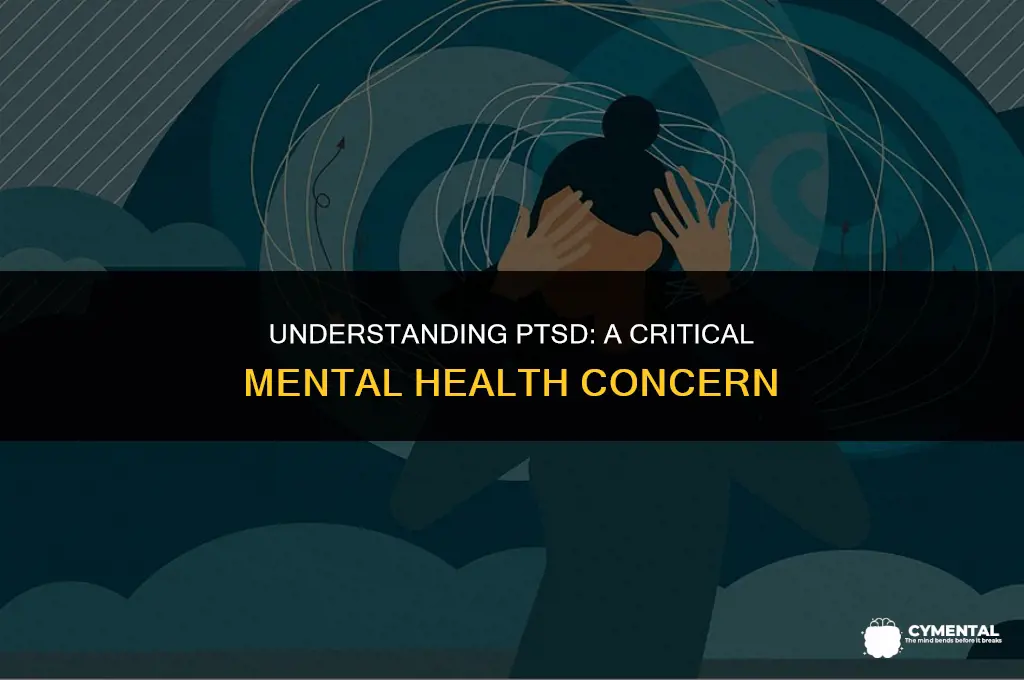
Post-Traumatic Stress Disorder (PTSD) is a complex mental health condition that can develop after an individual experiences or witnesses a traumatic event. It is characterized by a range of symptoms including intrusive memories, flashbacks, nightmares, and severe anxiety. These symptoms can significantly impact a person's daily life, relationships, and overall well-being. PTSD is recognized by mental health professionals as a serious disorder that requires treatment, and it is often associated with combat veterans, although it can affect anyone who has experienced trauma. Understanding PTSD as a mental health issue is crucial for providing appropriate support and resources to those affected.
| Characteristics | Values |
|---|---|
| Definition | Post-Traumatic Stress Disorder (PTSD) is a mental health condition triggered by experiencing or witnessing a traumatic event. |
| Symptoms | Intrusive memories, flashbacks, nightmares, avoidance of triggers, heightened arousal, anxiety, depression, mood swings. |
| Causes | Traumatic events such as combat, natural disasters, accidents, abuse, or other life-threatening situations. |
| Diagnosis | Diagnosed by a mental health professional through a combination of interviews, questionnaires, and observation. |
| Treatment | Cognitive-behavioral therapy (CBT), exposure therapy, medication (such as SSRIs), and support groups. |
| Prognosis | With effective treatment, many individuals with PTSD can experience significant improvement in symptoms and quality of life. |
| Complications | Can lead to substance abuse, depression, anxiety disorders, and suicidal thoughts if left untreated. |
| Prevention | While PTSD cannot be prevented, early intervention and support following a traumatic event can reduce the risk of developing the disorder. |
Explore related products


What You'll Learn
- Definition and Diagnosis: Understanding PTSD's criteria and how it's diagnosed
- Causes and Risk Factors: Exploring triggers and who's most susceptible
- Symptoms and Effects: Discussing the emotional and physical impact of PTSD
- Treatment Options: Reviewing therapies and medications used to manage PTSD
- Coping Strategies: Offering practical advice for those dealing with PTSD

Definition and Diagnosis: Understanding PTSD's criteria and how it's diagnosed
Post-Traumatic Stress Disorder (PTSD) is a mental health condition that can develop after a person experiences a traumatic event. The diagnosis of PTSD involves a thorough evaluation of the individual's symptoms and history. According to the Diagnostic and Statistical Manual of Mental Disorders (DSM-5), PTSD is characterized by a set of specific criteria that must be met for a diagnosis to be made.
The first criterion is the exposure to a traumatic event, which can include situations such as combat, natural disasters, or violent assaults. The individual must have experienced, witnessed, or been confronted with an event that involved actual or threatened death, serious injury, or sexual violence.
The second criterion involves the presence of intrusive symptoms, such as flashbacks, nightmares, or intense memories of the traumatic event. These symptoms can cause significant distress and interfere with the individual's daily life.
The third criterion is the presence of avoidance symptoms, where the individual avoids reminders of the traumatic event, such as places, people, or activities that trigger memories of the trauma. This avoidance can lead to feelings of isolation and detachment from others.
The fourth criterion involves negative alterations in cognition and mood, which can include feelings of guilt, shame, or fear, as well as difficulty concentrating, remembering details, or making decisions. These symptoms can significantly impact the individual's ability to function in their daily life.
The fifth criterion is the presence of hyperarousal symptoms, which can include feelings of anxiety, irritability, or anger, as well as difficulty sleeping or concentrating. These symptoms can make it challenging for the individual to relax and feel safe.
To diagnose PTSD, a mental health professional will typically conduct a clinical interview, during which they will ask the individual about their symptoms, history, and experiences. The professional may also use standardized assessment tools, such as the PTSD Checklist (PCL), to help evaluate the individual's symptoms and determine if they meet the criteria for PTSD.
In addition to the clinical interview and assessment tools, the mental health professional may also consider other factors, such as the individual's medical history, substance use, and any other mental health conditions they may have. The professional will then use this information to make a diagnosis and develop a treatment plan tailored to the individual's specific needs.
Men's Mental Health: A Social Issue We Can't Ignore
You may want to see also
Explore related products

$20.89 $29.99


$16.25 $8.99


Causes and Risk Factors: Exploring triggers and who's most susceptible
Traumatic events are the primary triggers for PTSD, a condition that affects approximately 3.5% of adults in the United States. These events can range from combat exposure and natural disasters to severe accidents and interpersonal violence. The likelihood of developing PTSD can be influenced by various factors, including the intensity and duration of the trauma, the individual's proximity to the event, and their personal history of mental health issues.
Certain populations are more susceptible to PTSD due to their increased exposure to traumatic events. For instance, military personnel, first responders, and individuals living in conflict zones are at a higher risk. Additionally, women are more likely to develop PTSD than men, possibly due to differences in how they process and respond to trauma.
The development of PTSD can also be influenced by genetic factors. Research suggests that individuals with a family history of mental health disorders, particularly anxiety and depression, may be more prone to developing PTSD after a traumatic event. Furthermore, neurobiological factors, such as abnormalities in brain structure and function, can contribute to the development and severity of PTSD symptoms.
Environmental factors, such as social support and access to mental health care, can also impact the risk of developing PTSD. Individuals who lack a strong support system or who face barriers to accessing mental health services may be more vulnerable to the effects of trauma.
Understanding the causes and risk factors for PTSD is crucial for developing effective prevention and treatment strategies. By identifying individuals who are most susceptible and providing them with appropriate support and resources, we can help mitigate the impact of traumatic events and reduce the prevalence of PTSD.
Homelessness and Mental Health: Unraveling the Complex Connection
You may want to see also
Explore related products


Symptoms and Effects: Discussing the emotional and physical impact of PTSD
Post-Traumatic Stress Disorder (PTSD) manifests through a complex array of symptoms that can significantly impact an individual's emotional and physical well-being. One of the primary emotional symptoms is the persistent re-experiencing of the traumatic event, often triggered by sights, sounds, or smells that remind the individual of the incident. This can lead to intense flashbacks, nightmares, and a constant sense of fear and anxiety. Avoidance behaviors are also common, where individuals may steer clear of places, people, or activities that remind them of the trauma, further restricting their daily lives.
In addition to these emotional symptoms, PTSD can also have profound physical effects. Chronic pain, headaches, and gastrointestinal issues are frequently reported by those suffering from PTSD. The constant state of hyperarousal can lead to sleep disturbances, fatigue, and a weakened immune system, making individuals more susceptible to illnesses. Furthermore, the stress hormones released in response to PTSD symptoms can contribute to cardiovascular problems, including high blood pressure and heart disease.
The emotional toll of PTSD can also lead to social and interpersonal difficulties. Individuals may struggle with feelings of isolation, irritability, and anger, which can strain relationships with family and friends. The avoidance of social situations can exacerbate these feelings, leading to a cycle of loneliness and depression. In some cases, individuals may turn to substance abuse as a coping mechanism, which can further complicate their mental and physical health.
It is crucial to recognize that PTSD is not a sign of weakness, and seeking help is a sign of strength. Treatment options, such as cognitive-behavioral therapy (CBT) and medication, can be effective in managing symptoms and improving quality of life. Support from loved ones and community resources can also play a vital role in the recovery process. By understanding the symptoms and effects of PTSD, we can better support those affected and work towards reducing the stigma surrounding mental health issues.
Explore related products


Treatment Options: Reviewing therapies and medications used to manage PTSD
Post-Traumatic Stress Disorder (PTSD) is a complex mental health condition that requires a multifaceted approach to treatment. While it is indeed a mental health issue, it also has significant physiological impacts, making treatment a delicate balance of psychological and pharmacological interventions.
One of the primary therapeutic approaches for PTSD is Cognitive Behavioral Therapy (CBT). This involves working with a therapist to identify and challenge negative thought patterns and behaviors that have developed as a result of the traumatic experience. Exposure therapy, a subset of CBT, gradually exposes the individual to the traumatic memory or situation in a controlled environment to reduce the fear response. Another effective therapy is Eye Movement Desensitization and Reprocessing (EMDR), which uses guided eye movements to help process traumatic memories and reduce their distressing effects.
In terms of medication, Selective Serotonin Reuptake Inhibitors (SSRIs) and Serotonin-Norepinephrine Reuptake Inhibitors (SNRIs) are commonly prescribed to manage the symptoms of PTSD. These medications help regulate mood and reduce anxiety. Prazosin, an alpha-blocker, is often used to manage nightmares, a common symptom of PTSD. It's important to note that medication should always be used in conjunction with therapy for the most effective treatment outcomes.
Alternative treatments such as mindfulness-based therapies, yoga, and acupuncture have also shown promise in managing PTSD symptoms. These approaches focus on reducing stress and promoting relaxation, which can be particularly beneficial for individuals with PTSD who often experience heightened states of arousal.
It's crucial for treatment plans to be individualized, taking into account the specific needs and circumstances of the person with PTSD. A combination of therapies and medications, along with a strong support system, can significantly improve the quality of life for those affected by this condition.
Gaming Disorder: A Mental Health Concern or Harmless Hobby?
You may want to see also
Explore related products


$8.5 $19.99


Coping Strategies: Offering practical advice for those dealing with PTSD
One effective coping strategy for individuals dealing with PTSD is the practice of mindfulness meditation. This technique involves focusing on the present moment, acknowledging and accepting one's feelings, thoughts, and bodily sensations without judgment. Mindfulness meditation can help reduce symptoms of PTSD by promoting relaxation, improving emotional regulation, and increasing self-awareness. To begin practicing mindfulness meditation, find a quiet and comfortable place to sit, close your eyes, and take slow, deep breaths, focusing on the sensation of the breath as it enters and leaves your nostrils.
Another practical coping strategy for PTSD is engaging in regular physical exercise. Exercise has been shown to reduce symptoms of anxiety and depression, improve mood, and enhance overall well-being. Aim for at least 30 minutes of moderate-intensity exercise, such as brisk walking, jogging, or cycling, most days of the week. Additionally, incorporating strength training exercises can help improve sleep quality and reduce feelings of fatigue. Remember to consult with a healthcare professional before starting any new exercise regimen, especially if you have any underlying health conditions.
Seeking social support is also crucial for coping with PTSD. Connecting with friends, family, or support groups can provide a sense of community, validation, and emotional support. Sharing your experiences and feelings with others who understand can help reduce feelings of isolation and shame. Consider joining a local PTSD support group or online community to connect with others who are going through similar challenges. If you're struggling to find social support, reach out to a mental health professional who can help you develop strategies for building and maintaining healthy relationships.
In addition to these coping strategies, it's essential to prioritize self-care and stress management. This may include activities such as yoga, tai chi, or other relaxation techniques, as well as engaging in hobbies and interests that bring you joy and fulfillment. Make sure to get enough sleep, eat a balanced diet, and avoid excessive alcohol and caffeine consumption, as these can exacerbate PTSD symptoms. By taking care of your physical and emotional needs, you can better manage the challenges of PTSD and improve your overall quality of life.
Recognizing Mental Health Struggles: Signs and Symptoms to Watch For
You may want to see also
Frequently asked questions
Yes, Post-Traumatic Stress Disorder (PTSD) is classified as a mental health issue. It is a condition that can develop after a person experiences or witnesses a traumatic event, leading to symptoms such as flashbacks, nightmares, and severe anxiety.
Common symptoms of PTSD include intrusive memories or flashbacks of the traumatic event, nightmares, avoidance of reminders of the trauma, heightened emotional arousal, and changes in mood and cognition. These symptoms can significantly impact a person's daily life and well-being.
PTSD can affect anyone who has experienced or witnessed a traumatic event, regardless of age, gender, or background. This includes military personnel, first responders, survivors of natural disasters, accidents, or violent crimes, as well as individuals who have undergone severe emotional trauma.
PTSD is diagnosed through a combination of clinical interviews, psychological assessments, and sometimes medical tests to rule out other conditions. A mental health professional will evaluate the individual's symptoms, the duration and intensity of those symptoms, and their impact on daily functioning to determine if PTSD is present.
Treatment options for PTSD include psychotherapy (such as cognitive-behavioral therapy and exposure therapy), medications (like selective serotonin reuptake inhibitors), and alternative therapies (such as mindfulness-based stress reduction and yoga). A comprehensive treatment plan is often tailored to the individual's specific needs and may involve a combination of these approaches.