Caleb Wright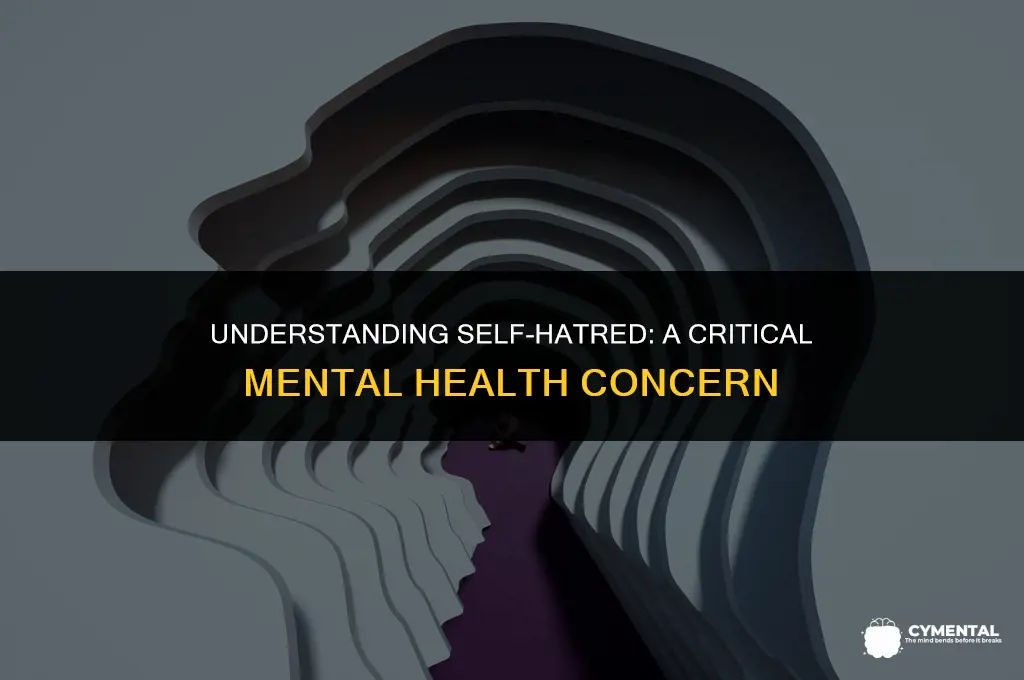
Self-hatred is a complex and pervasive issue that significantly impacts mental health. It involves a deep-seated negative evaluation of oneself, often accompanied by feelings of worthlessness, shame, and guilt. This emotional state can lead to a range of mental health problems, including depression, anxiety, and low self-esteem. Understanding self-hatred as a mental health issue is crucial for developing effective strategies to address and overcome it. By recognizing the signs and seeking appropriate support, individuals can begin to challenge and reframe their negative self-perceptions, ultimately improving their overall well-being.
| Characteristics | Values |
|---|---|
| Definition | Self-hatred is a negative emotional state characterized by feelings of intense dislike or aversion towards oneself. |
| Classification | It is not officially recognized as a distinct mental health disorder in diagnostic manuals like the DSM-5 or ICD-11. |
| Symptoms | Feelings of worthlessness, self-criticism, self-blame, self-loathing, and a pervasive negative self-image. |
| Causes | Can stem from various factors such as childhood trauma, abuse, neglect, bullying, societal pressures, and internalized negative beliefs. |
| Impact | Can lead to low self-esteem, depression, anxiety, substance abuse, self-harm, and suicidal ideation. |
| Treatment | Often addressed through psychotherapy, cognitive-behavioral therapy (CBT), and other forms of counseling. Medication may be used to manage associated symptoms like depression or anxiety. |
| Prognosis | With appropriate treatment and support, individuals can learn to manage self-hatred and develop a more positive self-image. |
| Prevention | Promoting self-esteem, resilience, and healthy coping mechanisms from a young age can help prevent the development of self-hatred. |
Explore related products


What You'll Learn
- Definition and Symptoms: Understanding self-hatred, its manifestations, and how it differs from low self-esteem
- Causes and Risk Factors: Exploring potential origins, including childhood experiences, societal pressures, and genetic predispositions
- Impact on Mental Health: Discussing how self-hatred can lead to or exacerbate conditions like depression and anxiety
- Treatment and Coping Strategies: Overview of therapeutic approaches and self-help techniques to address and manage self-hatred
- Personal Stories and Awareness: Sharing real-life experiences and the importance of raising awareness about self-hatred as a mental health concern

Definition and Symptoms: Understanding self-hatred, its manifestations, and how it differs from low self-esteem
Self-hatred is a profound and pervasive emotional state characterized by a deep-seated disdain or contempt for oneself. It goes beyond mere low self-esteem, which is generally a more superficial and situational feeling of inadequacy or inferiority. Self-hatred is often rooted in a person's core identity and can be a persistent and debilitating condition.
One of the key manifestations of self-hatred is a relentless inner critic that constantly berates and demeans the individual. This internal dialogue can be harsh and unforgiving, leading to feelings of worthlessness and shame. People struggling with self-hatred may also engage in self-sabotaging behaviors, such as substance abuse, self-harm, or reckless decision-making, as a way to cope with their negative emotions.
In contrast, low self-esteem is typically more situational and can be influenced by external factors such as social comparisons, achievements, or failures. While low self-esteem can be painful, it is generally less intense and all-consuming than self-hatred. People with low self-esteem may still have a sense of self-worth and may be able to identify their strengths and accomplishments, whereas those with self-hatred often struggle to see any positive aspects of themselves.
Understanding the difference between self-hatred and low self-esteem is crucial for effective treatment and support. Self-hatred often requires more intensive and long-term therapeutic interventions, such as cognitive-behavioral therapy or psychodynamic therapy, to address the deep-seated emotional and psychological issues underlying it. In contrast, low self-esteem may respond better to more focused and short-term interventions, such as mindfulness practices or assertiveness training.
In conclusion, self-hatred is a complex and challenging emotional state that can have a significant impact on a person's mental health and well-being. By understanding its definition, symptoms, and how it differs from low self-esteem, we can better support and treat individuals struggling with this debilitating condition.
Mental Health: A Contemporary Crisis or Timeless Challenge?
You may want to see also
Explore related products


$31.81 $45.99


Causes and Risk Factors: Exploring potential origins, including childhood experiences, societal pressures, and genetic predispositions
Childhood experiences play a significant role in shaping an individual's self-perception and emotional well-being. Traumatic events, such as physical or emotional abuse, neglect, or bullying, can lead to the development of self-hatred. These experiences can create deep-seated feelings of inadequacy and worthlessness, which may persist into adulthood. Additionally, growing up in an environment where criticism and negative feedback are prevalent can contribute to a distorted self-image and foster self-hatred.
Societal pressures also contribute to the development of self-hatred. The constant bombardment of unrealistic beauty standards, success metrics, and social expectations can lead individuals to feel inadequate and dissatisfied with themselves. Social media, in particular, has been shown to have a negative impact on self-esteem, as people often compare their lives to the curated and idealized versions presented online. Furthermore, discrimination and marginalization based on factors such as race, gender, sexual orientation, or socioeconomic status can exacerbate feelings of self-hatred and low self-worth.
Genetic predispositions can also play a role in the development of self-hatred. Research suggests that certain genetic variations may increase an individual's susceptibility to negative self-evaluation and self-criticism. For example, studies have found that genes involved in the regulation of serotonin and dopamine, neurotransmitters that influence mood and motivation, may be associated with increased risk for self-hatred. Additionally, genetic factors that contribute to the development of mental health conditions such as depression and anxiety may also increase the likelihood of experiencing self-hatred.
It is important to note that self-hatred is often a complex issue with multiple contributing factors. While childhood experiences, societal pressures, and genetic predispositions can all play a role, the interplay between these factors and how they manifest in an individual's life can vary greatly. Understanding the unique combination of factors that contribute to self-hatred in a given person is crucial for developing effective interventions and promoting emotional well-being.
Identifying Mental Health Concerns in Your Wife: A Compassionate Guide
You may want to see also
Explore related products

$18.59 $19.95


Impact on Mental Health: Discussing how self-hatred can lead to or exacerbate conditions like depression and anxiety
Self-hatred can have a profound impact on mental health, often leading to or exacerbating conditions such as depression and anxiety. When individuals harbor deep-seated negative beliefs about themselves, it can create a pervasive sense of worthlessness and hopelessness. These feelings can manifest as symptoms of depression, including persistent sadness, loss of interest in activities, and changes in appetite and sleep patterns.
Moreover, self-hatred can fuel anxiety by causing individuals to constantly worry about their perceived flaws and shortcomings. This can lead to avoidance behaviors, social withdrawal, and a heightened sense of alertness, as if they are always on guard against potential threats or criticisms. Over time, these patterns can become ingrained, making it increasingly difficult for individuals to break free from the cycle of self-loathing and fear.
The impact of self-hatred on mental health can be particularly insidious because it often operates beneath the surface, influencing thoughts and behaviors in subtle yet powerful ways. Individuals may not even be aware that their negative self-talk and self-critical tendencies are contributing to their mental health struggles. Instead, they may attribute their symptoms to external factors or believe that they are simply not trying hard enough to overcome their challenges.
Breaking the cycle of self-hatred requires a multifaceted approach that addresses both the cognitive and emotional aspects of this issue. Cognitive-behavioral therapy (CBT) can be an effective tool in helping individuals identify and challenge their negative thought patterns, replacing them with more balanced and realistic self-assessments. Mindfulness practices can also be beneficial, as they encourage individuals to cultivate a non-judgmental awareness of their thoughts and feelings, allowing them to develop a more compassionate relationship with themselves.
In addition to these therapeutic interventions, self-care practices such as regular exercise, healthy eating, and adequate sleep can help mitigate the physical symptoms of depression and anxiety, creating a more stable foundation for mental health. Social support from friends, family, or support groups can also play a crucial role in counteracting the isolating effects of self-hatred, providing individuals with a sense of connection and validation.
Ultimately, addressing self-hatred as a mental health issue requires a comprehensive and holistic approach that recognizes the complex interplay between cognitive, emotional, and physical factors. By fostering a deeper understanding of this issue and providing individuals with the tools and support they need to overcome self-hatred, we can help promote greater mental health and well-being.
Mental Ability and Social Justice: Addressing Inequality in Cognitive Access
You may want to see also
Explore related products

$18.79 $22.99


Treatment and Coping Strategies: Overview of therapeutic approaches and self-help techniques to address and manage self-hatred
Cognitive Behavioral Therapy (CBT) is a leading therapeutic approach for addressing self-hatred. CBT helps individuals identify and challenge negative thought patterns, replacing them with more balanced and realistic self-perceptions. This structured therapy typically involves weekly sessions over several months, where patients work collaboratively with their therapist to set goals and practice new coping skills. For instance, a CBT therapist might guide a patient through exercises like thought recording and restructuring, where they learn to catch and reframe self-critical thoughts in real-time.
Mindfulness-Based Interventions (MBIs) offer another effective strategy for managing self-hatred. Practices such as mindfulness meditation and yoga can help individuals cultivate a greater sense of self-awareness and compassion. By focusing on the present moment and observing their thoughts and feelings without judgment, patients can develop a more accepting attitude towards themselves. Research suggests that regular mindfulness practice can lead to significant reductions in self-hatred and improvements in overall mental well-being.
Self-Compassion Training is a newer but promising approach that directly targets self-hatred by fostering self-compassion. This involves teaching individuals to treat themselves with the same kindness and understanding they would offer to a friend. Techniques include practicing self-compassionate phrases, engaging in comforting self-care activities, and visualizing a compassionate figure. Studies have shown that self-compassion training can effectively reduce self-hatred and increase feelings of self-worth.
In addition to these therapeutic approaches, there are several self-help techniques that individuals can use to cope with self-hatred. Journaling, for example, can be a powerful tool for identifying and challenging negative self-talk. Writing down thoughts and feelings can help clarify patterns of self-criticism and provide an opportunity to reframe them in a more positive light. Another self-help strategy is engaging in activities that promote a sense of accomplishment and self-esteem, such as setting and achieving small goals, pursuing hobbies, or volunteering.
It's important to note that while these strategies can be effective, they may not be suitable for everyone. Individuals with severe self-hatred or co-occurring mental health conditions may require more intensive treatment, such as medication or inpatient therapy. It's crucial for those struggling with self-hatred to consult with a mental health professional to determine the most appropriate course of treatment for their specific needs. With the right support and strategies, however, it is possible to overcome self-hatred and develop a more positive and compassionate self-image.
Unraveling the Complex Link Between Self-Sabotage and Mental Health
You may want to see also
Explore related products


Personal Stories and Awareness: Sharing real-life experiences and the importance of raising awareness about self-hatred as a mental health concern
Sharing personal stories about self-hatred can be a powerful tool in raising awareness about this mental health concern. Real-life experiences provide a relatable and tangible context that can help others understand the complexities and challenges of self-hatred. By sharing their stories, individuals can inspire others to seek help, promote empathy, and reduce the stigma surrounding mental health issues.
One effective way to share personal stories is through social media platforms, blogs, or support groups. These channels allow individuals to reach a wide audience and connect with others who may be experiencing similar struggles. When sharing personal stories, it's important to focus on the specific experiences and emotions related to self-hatred, rather than generalizing or providing unsolicited advice.
Raising awareness about self-hatred as a mental health concern is crucial in promoting early intervention and support. By sharing personal stories, individuals can help educate others about the signs, symptoms, and effects of self-hatred. This increased awareness can lead to more people seeking professional help and accessing resources that can aid in their recovery.
In addition to sharing personal stories, it's important to promote awareness through education and advocacy. This can include organizing workshops, seminars, or campaigns that focus on self-hatred and its impact on mental health. By working together, individuals, organizations, and communities can create a supportive environment that encourages open conversations about self-hatred and promotes positive change.
Ultimately, sharing personal stories and raising awareness about self-hatred can have a significant impact on individuals and society as a whole. By fostering understanding, empathy, and support, we can help reduce the prevalence of self-hatred and improve the lives of those affected by this mental health concern.
Gallbladder-Brain Connection: Uncovering Mental Health Links to Gallbladder Issues
You may want to see also
Frequently asked questions
Yes, self-hatred can be considered a mental health issue as it often signifies underlying psychological distress and can be a symptom of various mental health conditions such as depression, anxiety, or low self-esteem.
Signs of self-hatred may include persistent negative self-talk, feelings of worthlessness or guilt, avoidance of social situations due to fear of rejection, and a tendency to focus on one's flaws while ignoring positive attributes.
Yes, self-hatred can have physical manifestations. It may lead to stress-related health problems, eating disorders, substance abuse, or even self-harming behaviors. Chronic stress from self-hatred can weaken the immune system and contribute to various physical ailments.
Addressing self-hatred often involves seeking professional help from a therapist or counselor who can help identify the root causes and develop strategies to improve self-esteem and self-compassion. Practices such as mindfulness, cognitive-behavioral therapy, and building a support network can also be beneficial in overcoming self-hatred.