Ava Ramirez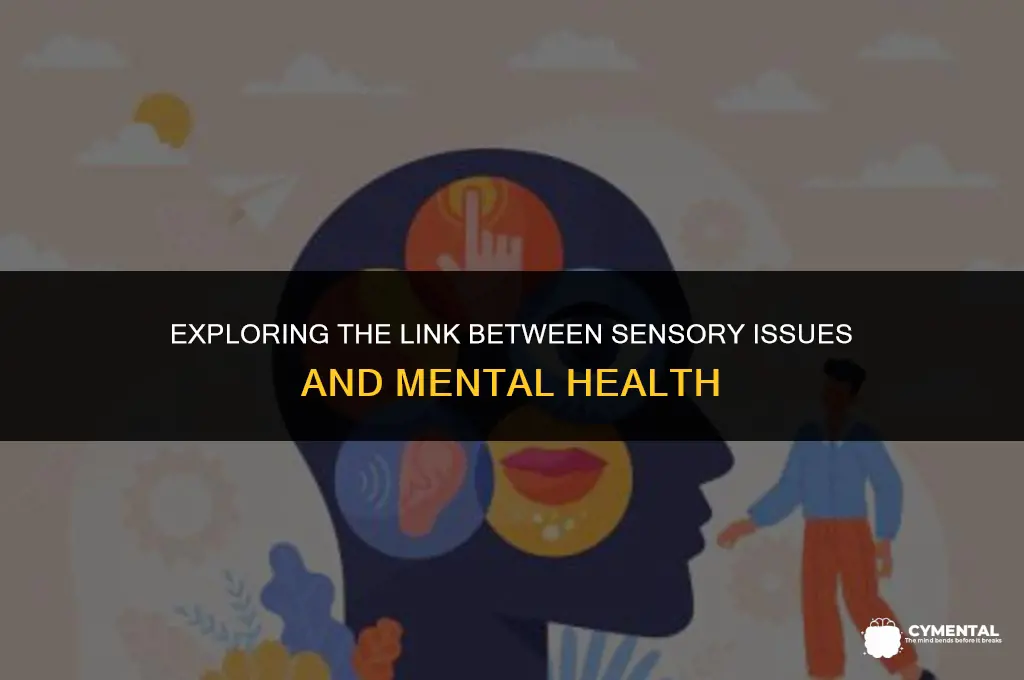
Sensory issues, characterized by difficulties in processing and integrating sensory information from the environment, are often misunderstood in the context of mental health. While they can be a symptom of certain mental illnesses, sensory issues are not, in themselves, a mental illness. They can manifest as hypersensitivity or hyposensitivity to various stimuli, such as light, sound, touch, taste, or smell. These issues can significantly impact an individual's daily life, leading to challenges in social interactions, work, and personal relationships. It's crucial to recognize that sensory issues are a distinct category of health concerns that may require specific interventions and accommodations, separate from mental health treatments. Understanding this distinction can help in providing more effective support and resources to individuals experiencing sensory difficulties.
| Characteristics | Values |
|---|---|
| Definition | Sensory issues refer to difficulties in processing and integrating sensory information from the environment. |
| Types | Sensory processing disorder, sensory integration dysfunction, sensory defensiveness. |
| Symptoms | Overreactivity or underreactivity to sensory stimuli, difficulty filtering out background noise, tactile defensiveness. |
| Causes | Genetic predisposition, neurological differences, environmental factors. |
| Diagnosis | Typically diagnosed by occupational therapists or psychologists through assessments and observations. |
| Treatment | Occupational therapy, sensory integration therapy, environmental modifications. |
| Prognosis | With appropriate treatment, individuals can learn to manage their sensory issues and improve their quality of life. |
| Comorbidities | Often co-occurs with autism spectrum disorder, ADHD, and anxiety disorders. |
| Impact on daily life | Can affect social interactions, academic performance, and overall well-being. |
| Research | Ongoing research aims to better understand the underlying mechanisms and develop more effective interventions. |
Explore related products


What You'll Learn
- Definition of sensory issues and their impact on daily life
- Common sensory processing disorders and their symptoms
- Sensory issues vs. mental illness: Understanding the distinction
- How sensory problems can affect mental health and well-being?
- Treatment approaches for sensory issues and related mental health concerns

Definition of sensory issues and their impact on daily life
Sensory issues refer to difficulties in processing and integrating sensory information from the environment. This can manifest as hypersensitivity (over-responsiveness) or hyposensitivity (under-responsiveness) to various stimuli, such as light, sound, touch, taste, or smell. Individuals with sensory issues may experience discomfort, anxiety, or even pain in response to certain sensory inputs that others might find harmless or enjoyable.
The impact of sensory issues on daily life can be significant. For example, a person with hypersensitivity to light may struggle to work in brightly lit environments, while someone with hyposensitivity to sound may have difficulty hearing important auditory cues, such as alarms or announcements. Sensory issues can also affect social interactions, as individuals may avoid certain situations or activities that trigger their sensory discomfort.
In the context of mental illness, sensory issues are often associated with conditions such as autism spectrum disorder, attention deficit hyperactivity disorder (ADHD), and anxiety disorders. However, it is important to note that sensory issues are not exclusive to these conditions and can occur independently. Furthermore, while sensory issues can contribute to mental health challenges, they are not inherently a mental illness in themselves.
Understanding and accommodating sensory issues is crucial for creating inclusive environments and supporting individuals in their daily lives. This may involve making adjustments to lighting, noise levels, or other environmental factors, as well as providing sensory-friendly spaces and tools. By recognizing the impact of sensory issues and taking steps to address them, we can help individuals with sensory challenges to thrive and participate fully in society.
Supporting Loved Ones: Practical Ways to Aid Family Mental Health Struggles
You may want to see also
Explore related products



Common sensory processing disorders and their symptoms
Sensory processing disorders (SPDs) are a group of conditions where the brain has trouble receiving and responding to information from the senses. These disorders can affect people of all ages and can manifest in various ways. For instance, individuals with SPD may be hypersensitive to certain stimuli, such as loud noises or bright lights, which can cause discomfort or even pain. Conversely, some may be hyposensitive, meaning they may not respond to stimuli that would normally elicit a reaction, such as extreme temperatures or physical touch.
One common type of SPD is sensory integration dysfunction, where the brain struggles to integrate sensory information from different sources, leading to difficulties with coordination and balance. Symptoms can include clumsiness, poor fine motor skills, and challenges with activities that require precise movements, such as writing or buttoning clothes.
Another type is sensory modulation disorder, characterized by an inability to regulate responses to sensory stimuli. Individuals with this disorder may have intense reactions to seemingly harmless stimuli or may not react at all to stimuli that would typically cause a response. For example, a person with sensory modulation disorder might become overwhelmed by the sound of a vacuum cleaner or fail to notice when they have a splinter.
Sensory discrimination disorder is another form of SPD where individuals have trouble distinguishing between different types of sensory stimuli. This can lead to difficulties with tasks that require identifying and interpreting sensory information, such as reading or recognizing faces.
It's important to note that while SPDs can significantly impact daily life, they are not considered mental illnesses in the traditional sense. Instead, they are recognized as neurological conditions that affect how the brain processes sensory information. Treatment for SPDs often involves occupational therapy, which can help individuals develop strategies to manage their symptoms and improve their ability to function in everyday environments.
Empowering Minds: Effective Strategies to Spread Mental Health Awareness
You may want to see also
Explore related products


Sensory issues vs. mental illness: Understanding the distinction
Sensory issues and mental illness are distinct conditions that can sometimes be confused due to overlapping symptoms. Sensory issues refer to difficulties in processing sensory information from the environment, such as light, sound, touch, taste, and smell. These issues can manifest as hypersensitivity (overreacting to stimuli) or hyposensitivity (underreacting to stimuli). For example, a person with sensory issues might find certain sounds painfully loud or might not notice injuries due to a lack of pain sensation.
In contrast, mental illness encompasses a wide range of conditions that affect mood, thinking, and behavior. Common mental illnesses include depression, anxiety disorders, schizophrenia, and bipolar disorder. These conditions are characterized by symptoms such as persistent sadness, excessive worry, delusions, and mood swings. Mental illnesses can impact a person's ability to function in daily life and often require treatment through therapy, medication, or both.
While sensory issues can be a symptom of certain mental illnesses, they are not synonymous. For instance, sensory processing disorder (SPD) is a condition where the brain has trouble interpreting sensory information, leading to difficulties in daily functioning. Although SPD can co-occur with mental illnesses like anxiety or depression, it is not classified as a mental illness itself. Instead, it is considered a neurological condition that affects how the brain processes sensory input.
Understanding the distinction between sensory issues and mental illness is crucial for accurate diagnosis and treatment. A person experiencing sensory issues might need accommodations such as noise-cancelling headphones or textured clothing to help manage their symptoms. On the other hand, a person with a mental illness might require psychotherapy or medication to address their condition. By recognizing the differences between these two types of conditions, healthcare providers can develop more targeted and effective interventions.
Moreover, the distinction between sensory issues and mental illness highlights the importance of a holistic approach to healthcare. Rather than viewing symptoms in isolation, it is essential to consider how various factors—including sensory processing, mental health, and environmental influences—interact to affect a person's overall well-being. This comprehensive perspective can lead to better outcomes for individuals seeking help for sensory or mental health concerns.
Supporting Employee Mental Health: Strategies for Compassionate Workplace Management
You may want to see also
Explore related products




How sensory problems can affect mental health and well-being
Sensory problems can significantly impact mental health and well-being, often in subtle yet profound ways. For individuals experiencing sensory processing difficulties, everyday stimuli can become overwhelming, leading to heightened stress levels and anxiety. This chronic overstimulation can result in mental fatigue, irritability, and a decreased ability to cope with daily challenges. Over time, these sensory-related stressors can contribute to the development of mental health conditions such as depression and anxiety disorders.
Moreover, sensory issues can affect social interactions and relationships. Difficulty in processing sensory information can lead to misunderstandings and miscommunications, causing individuals to withdraw from social situations. This isolation can exacerbate feelings of loneliness and contribute to a decline in overall well-being. In some cases, sensory problems can also manifest as physical symptoms, such as headaches or gastrointestinal issues, further complicating the individual's mental health.
It is crucial to recognize that sensory issues are not merely a matter of personal preference or tolerance but can have a tangible impact on mental health. Addressing these issues requires a multifaceted approach that includes both environmental modifications and therapeutic interventions. For instance, creating a sensory-friendly environment by reducing noise levels or using calming colors can help alleviate stress. Additionally, occupational therapy can provide individuals with strategies to better process and manage sensory information.
In conclusion, sensory problems can have far-reaching effects on mental health and well-being, influencing everything from daily functioning to social relationships. By understanding and addressing these issues, individuals can take important steps towards improving their overall quality of life. It is essential to approach sensory problems with empathy and support, recognizing their legitimate impact on mental health.
Supporting Incarcerated Minds: Strategies for Improving Prisoner Mental Health
You may want to see also
Explore related products


Treatment approaches for sensory issues and related mental health concerns
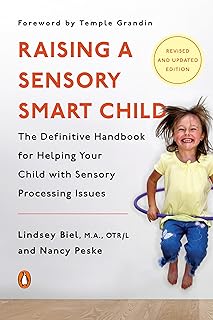
Sensory issues can significantly impact an individual's mental health, leading to anxiety, depression, and other related concerns. Treatment approaches for these issues often involve a multidisciplinary strategy, combining occupational therapy, cognitive-behavioral therapy (CBT), and sometimes medication. Occupational therapists work with individuals to develop strategies for managing sensory input, such as using weighted blankets or noise-cancelling headphones. CBT helps individuals identify and change negative thought patterns related to their sensory experiences. Medications like selective serotonin reuptake inhibitors (SSRIs) may be prescribed to manage symptoms of anxiety or depression associated with sensory issues.
In addition to these traditional approaches, alternative therapies such as mindfulness-based stress reduction (MBSR) and art therapy have shown promise in treating sensory issues and related mental health concerns. MBSR teaches individuals to cultivate awareness and acceptance of their sensory experiences, reducing stress and anxiety. Art therapy provides a creative outlet for individuals to express and process their sensory experiences, promoting emotional regulation and self-discovery.
For children with sensory issues, interventions often focus on creating a sensory-friendly environment and teaching coping skills. Parents and caregivers can work with therapists to develop strategies for managing sensory overload, such as providing a quiet space for the child to retreat to when overwhelmed. Schools can also play a role by implementing sensory-friendly practices, such as reducing noise levels and providing fidget toys.
In some cases, sensory issues may be related to underlying medical conditions, such as autism spectrum disorder or attention deficit hyperactivity disorder (ADHD). Treatment for these conditions may involve a combination of behavioral interventions, medications, and supportive therapies. It is essential to address both the sensory issues and the underlying condition to achieve optimal outcomes.
Overall, a comprehensive treatment approach that addresses the individual's unique sensory needs and related mental health concerns is crucial for improving quality of life. By combining traditional therapies with alternative approaches and creating supportive environments, individuals with sensory issues can learn to manage their symptoms and thrive.
Navigating College Life: Strategies for Managing Student Mental Health
You may want to see also
Frequently asked questions
Sensory processing disorder (SPD) is not officially classified as a mental illness in the Diagnostic and Statistical Manual of Mental Disorders (DSM-5). However, it is recognized as a condition that affects how individuals process sensory information, which can lead to significant challenges in daily life.
Yes, sensory issues can be a symptom of various mental health conditions. For example, individuals with anxiety disorders, depression, or post-traumatic stress disorder (PTSD) may experience heightened sensitivity to certain stimuli. Additionally, sensory processing difficulties are often associated with neurodevelopmental disorders such as autism spectrum disorder (ASD).
Sensory issues can significantly impact daily life by causing discomfort, anxiety, and difficulty in social situations. Individuals may avoid certain environments or activities due to overwhelming sensory input. Support for sensory issues includes occupational therapy, which can help individuals develop strategies to manage sensory challenges. Additionally, accommodations such as noise-cancelling headphones, weighted blankets, or sensory-friendly environments can be beneficial.