Harper Lewis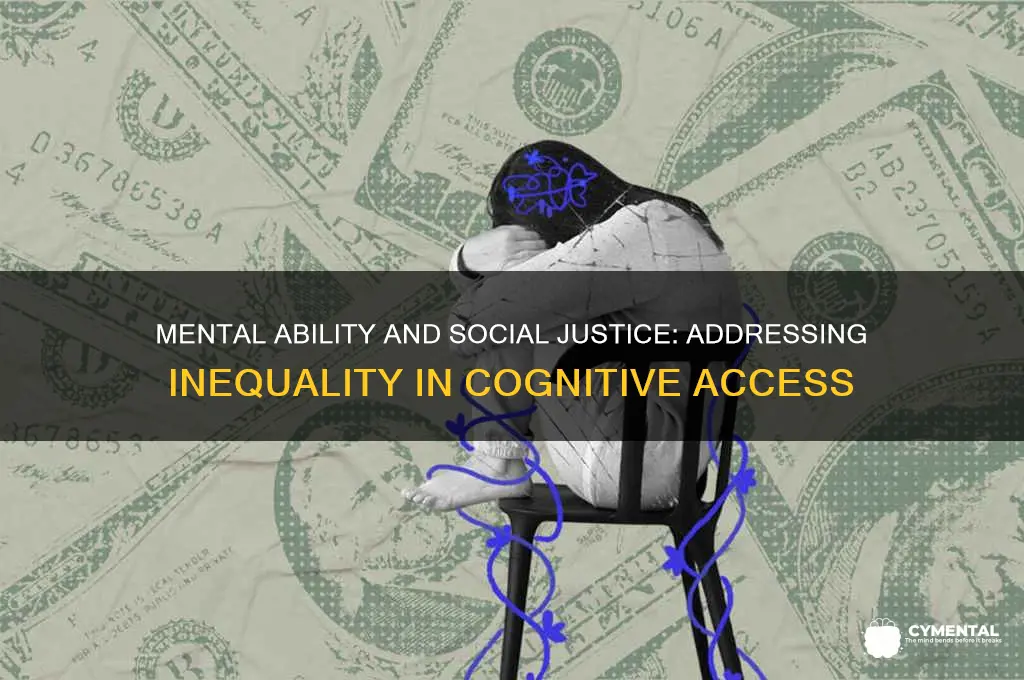
The question of whether mental ability is a social justice issue is increasingly relevant in a world where cognitive disparities can significantly impact access to opportunities, resources, and quality of life. Mental ability, encompassing intelligence, learning capacity, and cognitive function, is often influenced by factors beyond individual control, such as genetics, socioeconomic status, and environmental conditions. When these disparities are compounded by systemic inequalities, they can perpetuate cycles of disadvantage, particularly for marginalized communities. For instance, inadequate access to quality education, healthcare, and supportive environments can hinder cognitive development, exacerbating existing social and economic gaps. Viewing mental ability through a social justice lens highlights the need for equitable policies and interventions that address these root causes, ensuring that all individuals, regardless of their cognitive starting points, have the chance to thrive. This perspective challenges society to reconsider how it defines and values intelligence, advocating for a more inclusive and just approach to fostering human potential.
| Characteristics | Values |
|---|---|
| Access to Mental Health Services | Disparities in access to mental health care based on socioeconomic status, race, and geographic location. |
| Stigma and Discrimination | Widespread stigma surrounding mental health issues, leading to social exclusion and discrimination in employment, housing, and education. |
| Racial and Ethnic Disparities | Higher rates of mental health issues and lower access to care among marginalized racial and ethnic groups due to systemic barriers. |
| Economic Inequality | Lower-income individuals face greater challenges in accessing mental health resources, exacerbating mental health disparities. |
| Education and Awareness | Lack of mental health education in schools and communities, particularly in underserved areas, contributes to misinformation and neglect. |
| Policy and Funding | Inadequate funding for mental health programs and policies, especially in low-income regions, limits support for vulnerable populations. |
| Intersectionality | Mental health issues are compounded by intersecting identities (e.g., race, gender, sexuality), leading to unique challenges for marginalized groups. |
| Criminal Justice System | Overrepresentation of individuals with mental health issues in the criminal justice system due to lack of community-based support. |
| Workplace Equity | Discrimination and lack of accommodations for employees with mental health conditions, impacting career advancement and job security. |
| Global Perspective | Mental health is a global social justice issue, with developing countries facing severe shortages in mental health resources and infrastructure. |
Explore related products


What You'll Learn
- Access to Mental Health Care: Unequal access to mental health services exacerbates social inequalities and disparities
- Stigma and Discrimination: Societal stigma against mental illness marginalizes individuals, limiting opportunities and rights
- Education and Support: Lack of mental health education in schools perpetuates ignorance and hinders early intervention
- Workplace Inequities: Mental health issues often lead to job discrimination, affecting income and career advancement
- Policy and Funding Gaps: Insufficient policies and funding for mental health create systemic barriers to justice

Access to Mental Health Care: Unequal access to mental health services exacerbates social inequalities and disparities
Unequal access to mental health care is a stark amplifier of social inequalities, creating a vicious cycle where marginalized communities—often those most in need—are left behind. Consider this: In the United States, individuals living below the poverty line are twice as likely to report serious psychological distress but are significantly less likely to receive adequate treatment. This disparity isn't just a healthcare issue; it's a social justice crisis. When mental health services are inaccessible due to cost, location, or systemic bias, the result is a society where wealth, race, and privilege dictate mental well-being. For instance, rural residents face a critical shortage of mental health providers, with only 7.4 psychiatrists per 100,000 people compared to 17.1 in urban areas. This geographical divide deepens existing inequalities, leaving vulnerable populations to fend for themselves.
To address this, a multi-faceted approach is essential. First, policymakers must prioritize funding for community-based mental health programs in underserved areas. Telehealth services, while not a panacea, can bridge the gap for rural residents, provided they have reliable internet access. Second, insurance reforms are critical. High out-of-pocket costs and limited coverage for mental health services disproportionately affect low-income individuals. For example, expanding Medicaid coverage to include comprehensive mental health care could provide a lifeline for millions. Third, cultural competency training for providers is non-negotiable. Studies show that minority patients are more likely to receive lower-quality care due to implicit biases, further entrenching disparities. By addressing these systemic barriers, we can begin to dismantle the inequities that plague mental health care.
A compelling comparison highlights the urgency of this issue: while physical health emergencies like heart attacks are treated as immediate priorities, mental health crises are often dismissed or under-resourced. Imagine if emergency rooms turned away patients in cardiac arrest due to lack of funding or staff—yet this is the reality for many seeking mental health care. This double standard reflects societal priorities and perpetuates stigma. For instance, suicide is the second leading cause of death among individuals aged 10–34, yet mental health education in schools remains inadequate. By treating mental health with the same urgency as physical health, we can shift the narrative and save lives.
Finally, consider the long-term consequences of inaction. Untreated mental health conditions lead to higher rates of unemployment, homelessness, and incarceration, particularly among marginalized groups. For example, people with severe mental illness are 10 times more likely to be incarcerated than hospitalized. This isn’t just a failure of the healthcare system—it’s a failure of social justice. By investing in equitable mental health care, we not only improve individual lives but also reduce societal costs. Practical steps include advocating for mental health parity laws, supporting community mental health workers, and integrating mental health services into primary care settings. The takeaway is clear: access to mental health care isn’t a privilege—it’s a right, and ensuring it is a cornerstone of a just society.
Identifying Mental Health Concerns in Mats: A Comprehensive Guide
You may want to see also
Explore related products


Stigma and Discrimination: Societal stigma against mental illness marginalizes individuals, limiting opportunities and rights
Stigma against mental illness operates as a silent barrier, systematically excluding individuals from full participation in society. Consider the employment sector: a 2018 study by the National Alliance on Mental Illness (NAMI) found that 60% of people with mental health conditions were unemployed, compared to 20% of the general population. This disparity isn’t solely due to inability; it’s a direct consequence of discriminatory hiring practices and employer biases. For instance, a person disclosing a history of depression on a job application is often immediately flagged as a "risk," regardless of their qualifications or current stability. This systemic exclusion perpetuates poverty and dependency, trapping individuals in cycles of marginalization.
The educational system further exacerbates this issue. Students with mental health challenges frequently face implicit biases from teachers and administrators, leading to lower expectations and limited access to resources. A 2020 report by the American Psychological Association highlighted that students with diagnosed anxiety or ADHD are 30% less likely to be recommended for advanced courses, even when their academic performance warrants it. Such discrimination not only stunts intellectual growth but also internalizes feelings of inadequacy, reinforcing the stigma these individuals already battle.
Housing discrimination adds another layer to this injustice. Landlords often deny applications from individuals with mental health histories, citing unfounded concerns about reliability or safety. In the U.S., the Fair Housing Act prohibits such discrimination, yet enforcement remains weak. A 2019 investigation by the Urban Institute revealed that 45% of renters with mental health conditions faced discrimination when seeking housing. Without stable living conditions, recovery becomes an uphill battle, and social reintegration remains out of reach.
To dismantle this stigma, actionable steps are essential. Employers must implement mandatory bias training and adopt blind recruitment processes to focus on skills rather than diagnoses. Schools should integrate mental health literacy into curricula, fostering empathy and understanding among students and staff. Policymakers need to strengthen anti-discrimination laws and allocate funding for accessible mental health services. Individuals can contribute by challenging stigmatizing language and advocating for inclusive practices in their communities. Only through collective effort can society begin to rectify the injustices faced by those with mental health conditions.
Identifying Mental Health Issues in Dogs: Signs and Solutions
You may want to see also
Explore related products


Education and Support: Lack of mental health education in schools perpetuates ignorance and hinders early intervention
Schools, the very institutions tasked with shaping young minds, often fail to equip students with a fundamental understanding of mental health. This omission isn't merely an oversight; it's a systemic gap that perpetuates stigma and delays crucial intervention. Imagine a classroom where physical health is discussed openly – nutrition, exercise, hygiene – yet mental well-being remains shrouded in silence. This disparity sends a dangerous message: physical ailments deserve attention, while mental struggles should be hidden.
The consequences are tangible. Without education, students lack the vocabulary to articulate their experiences. A teenager grappling with anxiety might label it "nerves" or "stress," delaying recognition of a treatable condition. This silence fosters a culture of isolation, where students believe they are alone in their struggles.
Consider this: research shows that 50% of mental health conditions emerge by age 14, and 75% by age 24. These are formative years spent largely within the school system. Integrating age-appropriate mental health education into curricula isn't just beneficial, it's imperative. For younger children, this could involve stories and activities promoting emotional literacy – identifying feelings, understanding empathy, and developing healthy coping mechanisms. Older students could engage in discussions about stress management, resilience, and recognizing warning signs in themselves and peers.
Critics might argue that schools are already overburdened. However, incorporating mental health education doesn't necessitate a separate subject. It can be woven into existing lessons. A history class could explore the societal impact of mental illness throughout time, while a literature unit could analyze characters' psychological motivations. The key lies in normalization, in making mental health a natural part of the educational discourse.
Just as schools teach first aid for physical injuries, they must equip students with the tools to recognize and respond to mental health crises. This includes knowing how to access resources, whether it's a trusted teacher, school counselor, or external helpline.
The absence of mental health education in schools isn't just a missed opportunity; it's a social injustice. It disproportionately affects marginalized communities who face greater barriers to accessing mental health services. By addressing this gap, we empower young people to understand themselves, support each other, and seek help when needed. This isn't merely about academic achievement; it's about fostering a generation that values mental well-being as much as physical health.
Navigating Mental Health Conversations: A Guide for Students and Professors
You may want to see also
Explore related products





Workplace Inequities: Mental health issues often lead to job discrimination, affecting income and career advancement
Mental health issues in the workplace are not just personal struggles; they are systemic barriers that perpetuate inequities. Consider this: employees with mental health conditions are 2 to 3 times more likely to experience workplace discrimination, according to the World Health Organization. This discrimination manifests in subtle yet damaging ways—being passed over for promotions, receiving fewer opportunities for training, or facing unwarranted scrutiny. Such biases not only stifle individual potential but also reinforce a cycle of economic disadvantage, as reduced income and career stagnation become inescapable consequences.
To address this, employers must take proactive steps. First, implement mandatory mental health training for managers and HR staff to recognize signs of discrimination and foster inclusive environments. Second, establish clear policies that protect employees from stigma and ensure equal opportunities for advancement. For instance, anonymize performance evaluations to minimize bias, and provide accessible mental health resources, such as Employee Assistance Programs (EAPs) with at least 6 counseling sessions per year. These measures not only protect employees but also enhance productivity, as mentally healthy workplaces see a 12% increase in performance, according to a study by the American Psychological Association.
However, caution is necessary. While well-intentioned, some initiatives can backfire. For example, overly intrusive wellness programs may inadvertently stigmatize employees by singling out mental health as a "problem" to fix. Instead, focus on creating a culture of openness where employees feel safe disclosing their needs without fear of repercussions. A practical tip: use neutral language in company communications, such as "well-being support" instead of "mental health issues," to reduce stigma and encourage utilization of resources.
The takeaway is clear: workplace inequities rooted in mental health discrimination are not inevitable. By combining policy changes, education, and cultural shifts, organizations can dismantle these barriers. For employees, knowing their rights and advocating for themselves is crucial. For employers, the return on investment in mental health equity is not just moral but also financial, as diverse and inclusive workplaces outperform their peers by 35%, according to McKinsey & Company. Addressing this issue is not just a matter of fairness—it’s a strategic imperative for a just and thriving society.
Recognizing Mental Health Issues: Essential Employee Training Strategies
You may want to see also
Explore related products


Policy and Funding Gaps: Insufficient policies and funding for mental health create systemic barriers to justice
Mental health policies and funding are often the invisible scaffolding of societal well-being, yet their inadequacy erects systemic barriers that perpetuate injustice. Consider this: globally, governments allocate less than 2% of their health budgets to mental health, despite the World Health Organization’s estimate that one in four people will be affected by a mental health condition in their lifetime. This disparity isn’t merely a budgetary oversight; it’s a moral failure that disproportionately harms marginalized communities. For instance, in the United States, Black and Hispanic individuals are less likely to receive mental health treatment compared to their white counterparts, not due to lower need, but because of structural barriers like underfunded clinics in low-income areas and policies that prioritize punitive measures over care.
To dismantle these barriers, policymakers must adopt a multi-pronged approach. First, increase funding to align with the burden of mental illness—experts recommend allocating at least 5% of health budgets to mental health services. Second, integrate mental health into primary care systems, ensuring that screenings and treatments are accessible at the community level. For example, the UK’s Improving Access to Psychological Therapies (IAPT) program demonstrates how targeted funding can reduce wait times and improve outcomes. Third, implement policies that address social determinants of mental health, such as housing instability and food insecurity, which are often overlooked in traditional mental health frameworks. Without these steps, the justice system will continue to criminalize untreated mental illness, as seen in the overrepresentation of individuals with mental health conditions in prisons.
A cautionary tale emerges from countries where mental health remains stigmatized and underfunded. In India, for instance, there are only 0.3 psychiatrists per 100,000 people, forcing many to seek care from untrained practitioners or go without treatment altogether. This gap isn’t just a healthcare issue; it’s a justice issue. When mental health services are inaccessible, individuals are more likely to face unemployment, homelessness, and involvement with the criminal justice system. Conversely, nations like Australia, which invest in early intervention programs like Headspace, have seen reductions in youth suicide rates and improved social outcomes. The lesson is clear: funding and policy aren’t just resources—they’re tools for equity.
Finally, addressing policy and funding gaps requires a shift in perspective. Mental health must be framed not as a personal failing but as a collective responsibility. Advocacy groups play a crucial role here, pushing for legislation like the Mental Health Parity Act in the U.S., which mandates equal coverage for mental and physical health. However, laws alone aren’t enough; they must be paired with sustained funding and community engagement. For example, peer support programs, which cost a fraction of traditional therapy, have proven effective in low-resource settings. By combining policy innovation with grassroots initiatives, societies can begin to close the justice gap created by decades of neglect. The question isn’t whether we can afford to invest in mental health—it’s whether we can afford not to.
Supporting Teens: Practical Strategies for Mental Health and Well-Being
You may want to see also
Frequently asked questions
Yes, mental ability is a social justice issue because disparities in access to mental health resources, stigma, and systemic barriers disproportionately affect marginalized communities.
Socioeconomic status impacts mental ability by limiting access to quality education, healthcare, and support systems, exacerbating mental health disparities among low-income individuals.
Stigma around mental ability perpetuates discrimination, prevents individuals from seeking help, and reinforces inequalities, particularly for those already marginalized by race, gender, or class.
Systemic racism affects mental ability by creating chronic stress, limiting access to resources, and fostering environments where marginalized communities face greater mental health challenges.
Education plays a critical role by promoting awareness, reducing stigma, and providing equitable opportunities for individuals with varying mental abilities to thrive in society.