Noah Parker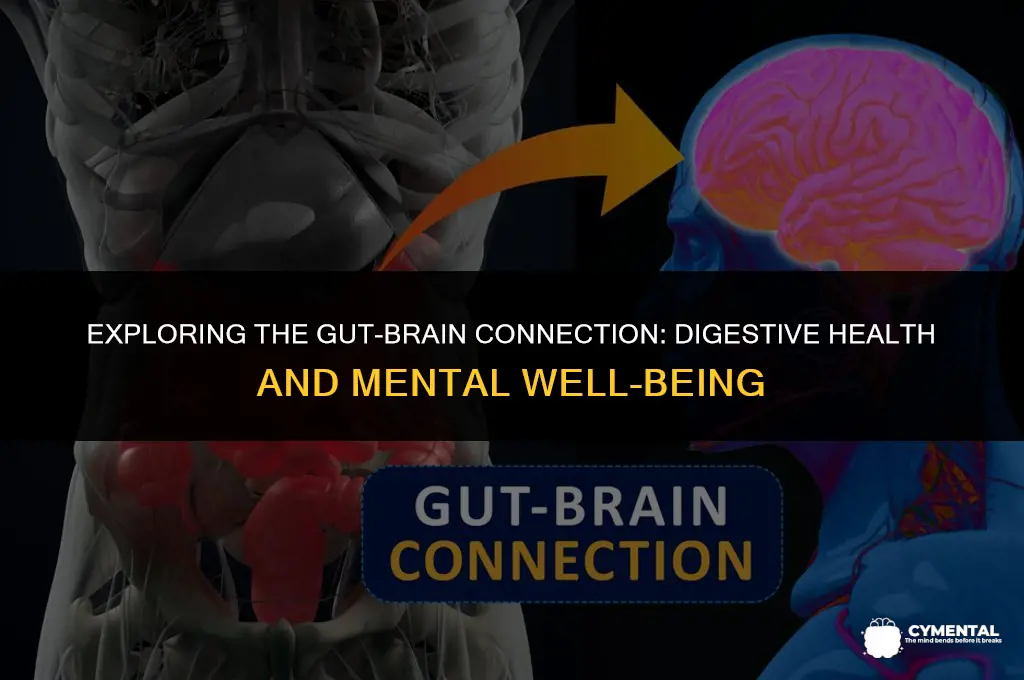
The intricate relationship between digestive issues and mental health has garnered significant attention in recent years. Research suggests a bidirectional connection, where gastrointestinal problems can influence mental well-being, and vice versa. This link is often referred to as the gut-brain axis. Studies have shown that conditions such as irritable bowel syndrome (IBS) and inflammatory bowel disease (IBD) are frequently accompanied by mental health concerns like anxiety and depression. Furthermore, the gut microbiome, composed of trillions of microorganisms, plays a crucial role in this connection, as it produces neurotransmitters and hormones that can impact mood and cognitive function. Understanding this complex interplay is essential for developing holistic approaches to treating both digestive and mental health disorders.
| Characteristics | Values |
|---|---|
| Link Existence | Yes, there is a link between digestive issues and mental health |
| Nature of Link | Bidirectional relationship |
| Mechanisms | Gut-brain axis, neurotransmitters, inflammation, microbiome |
| Digestive Issues | IBS, IBD, GERD, functional dyspepsia |
| Mental Health Conditions | Anxiety, depression, stress, PTSD |
| Impact | Digestive issues can exacerbate mental health conditions and vice versa |
| Treatment Approaches | Multidisciplinary care, dietary changes, probiotics, psychotherapy |
| Research Status | Ongoing research to fully understand the relationship |
| Public Awareness | Increasing awareness of the gut-brain connection |
| Clinical Implications | Importance of considering both physical and mental health in treatment |
Explore related products


$9.34 $17.99


What You'll Learn
- Gut-Brain Axis: The bidirectional communication between the digestive system and the brain
- Microbiome Influence: How gut bacteria can affect mental health through neurotransmitter production
- Inflammation and Mental Health: The role of digestive inflammation in conditions like depression
- Nutrient Absorption: The impact of digestive issues on nutrient deficiencies that can influence mental well-being
- Stress and Digestive Health: How mental stress can exacerbate digestive problems, creating a vicious cycle

Gut-Brain Axis: The bidirectional communication between the digestive system and the brain
The gut-brain axis represents a fascinating and complex bidirectional communication network between the digestive system and the brain. This connection is facilitated through various pathways, including the vagus nerve, the immune system, and the production of neurotransmitters and hormones within the gut. Research has shown that the health of the gut microbiome can significantly influence brain function and mental health, with imbalances in gut bacteria being linked to conditions such as anxiety, depression, and even neurodegenerative diseases.
One of the key mechanisms by which the gut-brain axis operates is through the production of neurotransmitters like serotonin and dopamine in the gut. These chemicals play crucial roles in regulating mood, motivation, and cognitive function. Additionally, the gut microbiome produces short-chain fatty acids (SCFAs) through the fermentation of dietary fiber, which have been shown to have anti-inflammatory effects and improve brain health.
The immune system also plays a vital role in the gut-brain axis. The gut is home to a large portion of the body's immune cells, and chronic inflammation in the gut can lead to increased permeability of the blood-brain barrier, allowing inflammatory molecules to enter the brain and potentially cause mental health issues. Furthermore, the vagus nerve, which connects the brain to the digestive system, serves as a direct communication pathway, allowing signals from the gut to influence brain activity and vice versa.
Understanding the gut-brain axis has important implications for the treatment and prevention of mental health disorders. By addressing digestive issues and promoting a healthy gut microbiome through dietary changes, probiotics, and other interventions, it may be possible to positively impact mental health outcomes. This holistic approach to mental health care highlights the interconnectedness of the body's systems and the potential for treating the root causes of mental health issues rather than just the symptoms.
Navigating Mental Health Conversations with Your Boss: Tips for Success
You may want to see also
Explore related products


Microbiome Influence: How gut bacteria can affect mental health through neurotransmitter production
The human gut is home to trillions of microorganisms, collectively known as the gut microbiome. These bacteria play a crucial role in our overall health, including the production of neurotransmitters that influence our mental well-being. Neurotransmitters such as serotonin, dopamine, and GABA are essential for regulating mood, motivation, and stress responses. Interestingly, a significant portion of these neurotransmitters is produced not in the brain, but in the gut by the resident bacteria.
Research has shown that the composition of the gut microbiome can impact mental health. For instance, studies have found that individuals with depression and anxiety tend to have different gut bacterial profiles compared to healthy controls. This suggests that imbalances in the gut microbiome may contribute to the development of mental health disorders. Furthermore, animal studies have demonstrated that transplanting gut bacteria from depressed humans into healthy mice can induce depressive behaviors in the mice, highlighting the potential causal link between gut bacteria and mental health.
The gut-brain axis is a bidirectional communication system that allows the gut microbiome to influence brain function and vice versa. This communication is facilitated through various pathways, including the vagus nerve, the immune system, and the production of metabolites that can cross the blood-brain barrier. By modulating these pathways, the gut microbiome can affect cognitive processes, emotional states, and even behavior.
Maintaining a healthy gut microbiome is crucial for supporting mental health. Diet plays a significant role in shaping the gut bacterial composition. Consuming a diverse range of plant-based foods, such as fruits, vegetables, whole grains, and legumes, can promote the growth of beneficial bacteria. Additionally, fermented foods like yogurt, kefir, and sauerkraut contain live probiotics that can help restore balance to the gut microbiome. Prebiotic fibers found in foods like chicory root, Jerusalem artichoke, and asparagus can also support the growth of beneficial bacteria.
In conclusion, the gut microbiome has a profound influence on mental health through its role in neurotransmitter production and modulation of the gut-brain axis. By understanding the complex interplay between gut bacteria and mental well-being, we can develop targeted interventions to support mental health. These interventions may include dietary modifications, probiotic supplementation, and even fecal microbiota transplantation in certain cases. As research continues to uncover the intricacies of the gut-brain connection, it becomes increasingly clear that a healthy gut is essential for a healthy mind.
The Hidden Financial Impact of Mental Health Issues on Businesses
You may want to see also
Explore related products




Inflammation and Mental Health: The role of digestive inflammation in conditions like depression
Recent research has unveiled a compelling connection between digestive inflammation and mental health, particularly in conditions like depression. This link is rooted in the gut-brain axis, a bidirectional communication network between the gastrointestinal tract and the central nervous system. Inflammation in the digestive system can disrupt this axis, leading to a cascade of effects that impact mental health.
One key mechanism involves the release of pro-inflammatory cytokines, which can cross the blood-brain barrier and influence brain function. These cytokines have been shown to affect neurotransmitter activity, including serotonin and dopamine, which are crucial for regulating mood. Furthermore, inflammation can lead to increased permeability of the gut lining, allowing toxins and undigested food particles to enter the bloodstream, potentially triggering immune responses that further exacerbate mental health issues.
Studies have also indicated that individuals with depression often exhibit higher levels of inflammatory markers in their blood, suggesting a systemic inflammatory response. This inflammation may originate from various sources, including poor diet, stress, and infections, all of which can impact the gut microbiome. The gut microbiome plays a vital role in maintaining digestive health and influencing the immune system, and its imbalance has been linked to both digestive and mental health disorders.
Understanding this connection has significant implications for the treatment of depression and other mental health conditions. It suggests that addressing digestive inflammation through dietary changes, probiotics, and anti-inflammatory medications could be a valuable adjunct to traditional psychiatric treatments. Moreover, it highlights the importance of a holistic approach to mental health, one that considers the interplay between physical and psychological factors.
In conclusion, the role of digestive inflammation in conditions like depression underscores the complex relationship between the gut and the brain. By recognizing and addressing this connection, we may uncover new avenues for improving mental health outcomes and promoting overall well-being.
Supporting Friends Through Mental Health Struggles: Practical Ways to Help
You may want to see also
Explore related products






Nutrient Absorption: The impact of digestive issues on nutrient deficiencies that can influence mental well-being
Digestive issues can significantly impact nutrient absorption, leading to deficiencies that affect mental well-being. For instance, conditions like irritable bowel syndrome (IBS) or inflammatory bowel disease (IBD) can damage the lining of the intestines, reducing the surface area available for nutrient absorption. This can result in deficiencies of essential nutrients such as vitamin B12, iron, and omega-3 fatty acids, all of which play crucial roles in maintaining mental health. Vitamin B12, for example, is vital for the production of neurotransmitters like serotonin and dopamine, which regulate mood. Iron is essential for the synthesis of these neurotransmitters as well, and omega-3 fatty acids are important for brain function and the regulation of inflammation.
Moreover, digestive issues can lead to an imbalance in the gut microbiome, which is increasingly recognized as having a significant impact on mental health. The gut-brain axis is a bidirectional communication network between the gut and the brain, and disruptions in this axis can contribute to mental health disorders such as anxiety and depression. Probiotics and prebiotics can help restore balance to the gut microbiome, potentially improving mental health outcomes.
In addition to the direct effects of nutrient deficiencies, digestive issues can also lead to psychological distress. Chronic pain, discomfort, and the social stigma associated with digestive disorders can contribute to anxiety, depression, and a reduced quality of life. Addressing these psychological aspects is an important part of managing digestive issues and promoting overall well-being.
To mitigate the impact of digestive issues on mental health, it is essential to adopt a holistic approach that addresses both the physical and psychological aspects of these conditions. This may include dietary modifications, such as increasing the intake of fiber and reducing the consumption of processed foods, as well as incorporating stress management techniques like mindfulness meditation and cognitive-behavioral therapy. In some cases, medication or supplements may be necessary to address specific nutrient deficiencies or manage symptoms.
Ultimately, understanding the complex interplay between digestive issues and mental health is crucial for developing effective treatment strategies. By recognizing the role of nutrient absorption, gut microbiome balance, and psychological factors, healthcare providers can offer more comprehensive care to individuals suffering from digestive disorders and related mental health issues.
Understanding Anxiety: Is It a Mental Health Issue?
You may want to see also
Explore related products


Stress and Digestive Health: How mental stress can exacerbate digestive problems, creating a vicious cycle
Chronic mental stress can have a profound impact on digestive health, exacerbating existing problems and creating a vicious cycle of discomfort and anxiety. This connection is rooted in the complex interplay between the brain and the gut, often referred to as the "gut-brain axis." When we experience stress, our body's fight-or-flight response is triggered, leading to a cascade of physiological changes that can disrupt normal digestive processes. For instance, stress hormones like cortisol can slow down digestion, increase stomach acid production, and alter the balance of gut bacteria, making individuals more susceptible to conditions like irritable bowel syndrome (IBS), acid reflux, and inflammatory bowel disease (IBD).
Moreover, the gut-brain axis is a bidirectional communication system, meaning that digestive issues can also influence mental health. People with chronic digestive problems often report higher levels of stress, anxiety, and depression, which can further aggravate their digestive symptoms. This creates a cycle where mental stress worsens digestive health, and digestive issues, in turn, contribute to increased stress and anxiety. Breaking this cycle requires a holistic approach that addresses both mental and physical well-being. Techniques such as mindfulness meditation, cognitive-behavioral therapy (CBT), and stress management strategies can help reduce mental stress and its impact on the digestive system. Additionally, dietary changes, regular exercise, and maintaining a healthy gut microbiome through probiotics and prebiotics can support digestive health and mitigate the effects of stress.
In conclusion, the relationship between stress and digestive health is complex and bidirectional, with mental stress capable of exacerbating digestive problems and vice versa. By understanding this connection and adopting a comprehensive approach to managing both mental and physical health, individuals can break the vicious cycle and achieve better overall well-being.
Relationship Struggles: Unraveling Their Impact on Mental Health and Well-Being
You may want to see also
Frequently asked questions
Yes, there is a significant link between digestive issues and mental health. The gut-brain axis is a bidirectional communication network that connects the central nervous system (CNS) with the gastrointestinal (GI) system. This connection allows for the exchange of information between the brain and the gut, influencing both physical and mental health.
Digestive issues can impact mental health in several ways. For instance, conditions like irritable bowel syndrome (IBS) have been linked to anxiety and depression. The gut microbiome, which consists of trillions of microorganisms, plays a crucial role in this connection. An imbalance in the gut microbiome can lead to inflammation and the production of toxins, which can negatively affect brain function and contribute to mental health disorders.
Improving digestive health can have a positive impact on mental health. Some strategies to enhance digestive health include:
- Eating a balanced diet rich in fiber, fruits, and vegetables
- Staying hydrated
- Engaging in regular physical activity
- Managing stress through techniques like meditation and yoga
- Avoiding processed foods and excessive sugar intake
- Getting adequate sleep
By adopting these healthy habits, individuals can support their digestive system and potentially improve their mental well-being.