Caleb Wright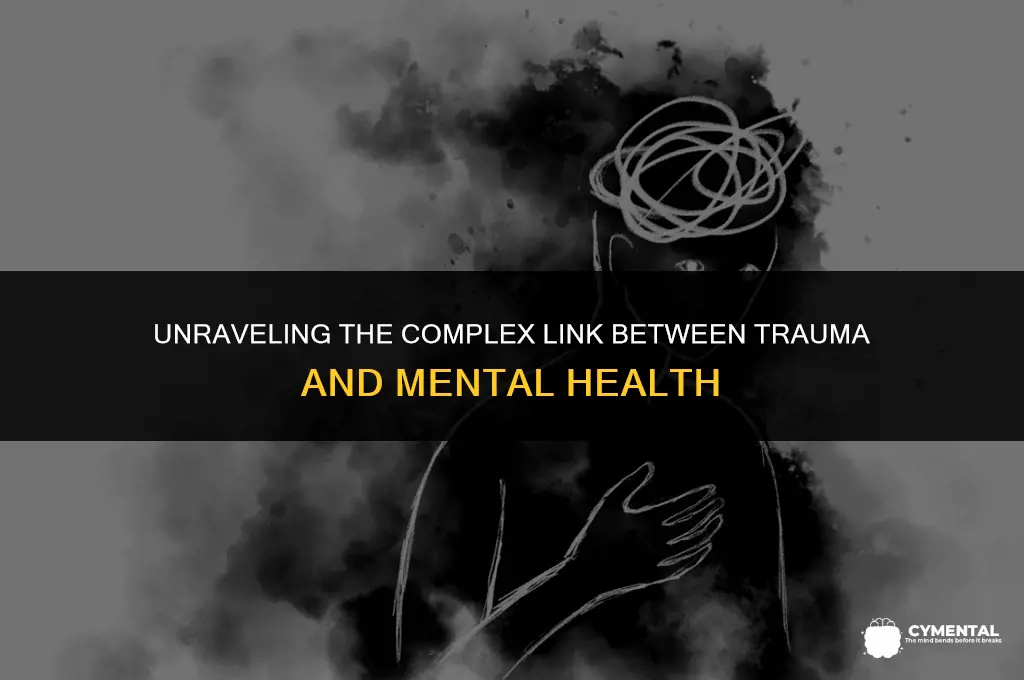
Trauma is a complex and multifaceted issue that significantly impacts mental health. It refers to the emotional response an individual has to a distressing or life-threatening event, which can lead to long-lasting psychological effects. Trauma can result from various experiences, including physical abuse, emotional neglect, accidents, natural disasters, or combat. When trauma is not adequately addressed, it can manifest as mental health disorders such as post-traumatic stress disorder (PTSD), anxiety, depression, or substance abuse. Understanding trauma as a mental health issue is crucial for developing effective treatment strategies and providing support to those affected.
| Characteristics | Values |
|---|---|
| Definition | Trauma is an emotional response to a distressing event or situation that exceeds an individual's ability to cope. |
| Types | Acute trauma (single event), chronic trauma (ongoing or repeated exposure), complex trauma (prolonged and multifaceted). |
| Causes | Accidents, natural disasters, violence, abuse, neglect, loss of a loved one, witnessing traumatic events. |
| Symptoms | Flashbacks, nightmares, anxiety, depression, irritability, difficulty concentrating, emotional numbing, avoidance behaviors. |
| Impact on Mental Health | Can lead to mental health issues such as post-traumatic stress disorder (PTSD), depression, anxiety disorders, substance abuse. |
| Treatment | Therapy (cognitive-behavioral therapy, exposure therapy), medication, support groups, self-care practices. |
| Prevention | Reducing exposure to traumatic events, promoting resilience, providing early intervention and support. |
| Prognosis | Varies depending on the individual and the severity of the trauma; with appropriate treatment, many people can recover and lead fulfilling lives. |
Explore related products


$14.15 $20

$9.98 $14.99

$20.49 $36.99


What You'll Learn

Definition and Types of Trauma
Trauma is a complex and multifaceted concept that encompasses a wide range of experiences and emotional responses. At its core, trauma refers to any event or series of events that cause significant physical, emotional, or psychological harm to an individual. This can include experiences such as natural disasters, accidents, violence, abuse, or loss of a loved one. Trauma can also result from ongoing stressors, such as poverty, discrimination, or chronic illness.
There are several types of trauma, each with its own unique characteristics and effects on mental health. Acute trauma refers to a single, sudden event that causes immediate distress and emotional upheaval. Examples of acute trauma include car accidents, physical assaults, or witnessing a violent crime. Chronic trauma, on the other hand, involves repeated or prolonged exposure to traumatic events, such as ongoing abuse, neglect, or living in a war zone. Complex trauma is a type of chronic trauma that involves multiple, interconnected traumatic experiences, often beginning in childhood and persisting over time. This can include experiences such as childhood abuse, neglect, or abandonment, which can have a profound impact on an individual's emotional and psychological development.
In addition to these types of trauma, there is also a growing recognition of the impact of collective trauma, which refers to the shared experiences of a group or community that have been subjected to traumatic events. This can include experiences such as genocide, slavery, or forced displacement, which can have a lasting impact on the mental health and well-being of entire communities.
The effects of trauma on mental health can be far-reaching and long-lasting. Trauma can lead to a range of mental health issues, including anxiety, depression, post-traumatic stress disorder (PTSD), and substance abuse. It can also impact an individual's ability to form healthy relationships, maintain employment, or engage in everyday activities. The impact of trauma on mental health can be particularly severe for children and adolescents, who may experience developmental delays, behavioral problems, and difficulties in school.
Despite the significant impact of trauma on mental health, there is hope for healing and recovery. Effective treatments for trauma-related mental health issues include cognitive-behavioral therapy (CBT), eye movement desensitization and reprocessing (EMDR), and trauma-focused cognitive-behavioral therapy (TF-CBT). These treatments can help individuals process their traumatic experiences, develop coping skills, and improve their overall mental health and well-being.
In conclusion, trauma is a complex and multifaceted issue that can have a profound impact on mental health. Understanding the different types of trauma and their effects is crucial for developing effective treatments and supporting individuals in their healing and recovery. By acknowledging the impact of trauma and providing access to evidence-based treatments, we can help individuals and communities build resilience and improve their overall mental health and well-being.
Bullying and Mental Health: Unraveling the Complex Connection and Impact
You may want to see also
Explore related products


Psychological Impact of Trauma
Trauma can have a profound and lasting impact on an individual's psychological well-being. The psychological effects of trauma can manifest in various ways, including anxiety, depression, post-traumatic stress disorder (PTSD), and dissociative disorders. These conditions can significantly impair a person's ability to function in daily life, affecting their relationships, work, and overall quality of life.
One of the most common psychological impacts of trauma is the development of PTSD. This condition is characterized by intrusive memories, flashbacks, and nightmares related to the traumatic event. Individuals with PTSD may also experience avoidance behaviors, hypervigilance, and exaggerated startle responses. These symptoms can be triggered by reminders of the trauma, such as specific sounds, smells, or situations, and can lead to a constant state of heightened alertness and anxiety.
In addition to PTSD, trauma can also lead to depression and anxiety disorders. These conditions may manifest as persistent feelings of sadness, hopelessness, and worthlessness, as well as excessive worry and fear. Trauma can also contribute to the development of dissociative disorders, which involve a disconnection from one's thoughts, feelings, or sense of self. This can lead to symptoms such as memory loss, identity confusion, and depersonalization.
The psychological impact of trauma can be particularly severe in cases of childhood trauma or prolonged exposure to traumatic situations. In these cases, the trauma can interfere with the normal development of the brain and nervous system, leading to long-term psychological and emotional difficulties.
Treatment for the psychological effects of trauma typically involves a combination of psychotherapy and medication. Cognitive-behavioral therapy (CBT) and eye movement desensitization and reprocessing (EMDR) are two common therapeutic approaches used to treat PTSD and other trauma-related disorders. Medications such as antidepressants and anti-anxiety drugs may also be prescribed to help manage symptoms.
In conclusion, the psychological impact of trauma can be significant and far-reaching, affecting various aspects of an individual's life. It is essential to recognize the signs of trauma-related disorders and seek appropriate treatment to address these issues and improve overall well-being.
Developmental Delays and Mental Health: Understanding the Connection
You may want to see also
Explore related products

$30.24 $57.99

$20.32 $22.95

$32.99 $32.99


Trauma and Mental Health Disorders
Trauma is a pervasive issue that significantly impacts mental health. It can stem from a wide range of experiences, including physical abuse, emotional neglect, natural disasters, and combat. The effects of trauma can be long-lasting and debilitating, often leading to the development of mental health disorders such as post-traumatic stress disorder (PTSD), anxiety, and depression. Understanding the complex relationship between trauma and mental health is crucial for effective treatment and support.
One of the key challenges in addressing trauma-related mental health issues is the stigma surrounding mental illness. Many individuals who have experienced trauma may feel ashamed or weak for seeking help, which can exacerbate their symptoms and hinder recovery. It is essential to create a supportive and non-judgmental environment where individuals feel safe to discuss their experiences and seek assistance.
Moreover, trauma can affect individuals of all ages, from children to older adults. The impact of trauma on children's mental health is particularly concerning, as it can interfere with their cognitive, emotional, and social development. Early intervention and evidence-based treatments, such as cognitive-behavioral therapy (CBT) and eye movement desensitization and reprocessing (EMDR), can help mitigate the long-term effects of trauma on children's mental health.
In addition to individual therapy, community-based approaches can also play a vital role in addressing trauma-related mental health issues. Support groups, peer counseling, and community education programs can help raise awareness about the effects of trauma and provide a sense of connection and validation for those who have experienced it. These initiatives can also help reduce stigma and promote a culture of understanding and empathy.
Ultimately, addressing trauma-related mental health issues requires a multifaceted approach that involves individual therapy, community support, and societal change. By increasing awareness, reducing stigma, and providing access to effective treatments, we can help individuals who have experienced trauma to heal and reclaim their lives.
Supporting Loved Ones: Compassionate Strategies for Mental Health Challenges
You may want to see also
Explore related products


$9.99


Treatment Approaches for Trauma
Trauma-focused cognitive behavioral therapy (TF-CBT) is a highly effective treatment approach for individuals experiencing trauma-related symptoms. This evidence-based therapy combines elements of cognitive behavioral therapy with trauma-specific interventions to help patients process and overcome their traumatic experiences. TF-CBT typically involves 12-16 sessions, during which patients learn to identify and challenge negative thought patterns, develop coping skills, and gradually confront their traumatic memories in a safe and controlled environment.
Another promising treatment approach is eye movement desensitization and reprocessing (EMDR). Developed by Dr. Francine Shapiro in the late 1980s, EMDR uses rapid eye movements to help patients process traumatic memories and reduce their emotional impact. During EMDR sessions, patients are asked to recall their traumatic experience while following the therapist's hand movements with their eyes. This process is believed to facilitate the reprocessing of traumatic memories, leading to a reduction in symptoms and improved emotional regulation.
For individuals with complex trauma histories, such as those who have experienced prolonged abuse or neglect, a more comprehensive treatment approach may be necessary. Trauma-informed care, which incorporates elements of TF-CBT, EMDR, and other trauma-specific interventions, aims to address the multifaceted needs of trauma survivors. This holistic approach recognizes the impact of trauma on various aspects of an individual's life, including their physical, emotional, and social well-being. Trauma-informed care providers work collaboratively with patients to develop personalized treatment plans that address their unique needs and goals.
In addition to these specialized therapies, adjunctive treatments such as medication, mindfulness practices, and somatic therapies can also be beneficial in managing trauma-related symptoms. Medications like selective serotonin reuptake inhibitors (SSRIs) and benzodiazepines can help alleviate symptoms of anxiety and depression, while mindfulness practices such as meditation and yoga can promote relaxation and emotional regulation. Somatic therapies, which focus on the physical manifestations of trauma, can help patients release stored tension and improve their overall sense of well-being.
It is essential to note that the effectiveness of these treatment approaches can vary depending on the individual's specific circumstances and the severity of their trauma. A comprehensive assessment by a qualified mental health professional is necessary to determine the most appropriate treatment plan for each patient. With the right support and interventions, however, individuals can learn to manage their trauma-related symptoms and improve their overall quality of life.
Effective Strategies to Prevent Mental Health Issues and Promote Well-Being
You may want to see also
Explore related products


Prevention and Resilience Strategies
Trauma prevention involves a multifaceted approach that targets both individual and systemic factors. At the individual level, education and awareness campaigns can help people recognize the signs of trauma and seek early intervention. Teaching coping skills, such as mindfulness and emotional regulation techniques, can also empower individuals to better manage traumatic experiences.
Community-based initiatives play a crucial role in trauma prevention. Programs that address social determinants of health, such as poverty and access to healthcare, can reduce the likelihood of traumatic events. Additionally, fostering a sense of community and social support can help mitigate the impact of trauma on individuals.
Resilience strategies focus on building the capacity to withstand and recover from traumatic experiences. Cognitive-behavioral therapy (CBT) and other evidence-based treatments can help individuals develop resilience by challenging negative thought patterns and promoting adaptive coping mechanisms.
In the context of mental health, trauma prevention and resilience strategies are essential components of a comprehensive approach to addressing trauma. By targeting both individual and systemic factors, these strategies can help reduce the prevalence and impact of trauma-related mental health issues.
How to Discuss Mental Health Concerns with Your Doctor Effectively
You may want to see also
Frequently asked questions
Yes, trauma is widely recognized as a mental health issue. It can lead to a range of psychological symptoms and disorders, including post-traumatic stress disorder (PTSD), anxiety, depression, and dissociative disorders. Trauma can deeply affect an individual's emotional and psychological well-being, impacting their ability to function in daily life.
Trauma can result from various distressing events, including physical or emotional abuse, neglect, accidents, natural disasters, war, and witnessing violence. It can also stem from personal losses, such as the death of a loved one, or from systemic issues like racism and discrimination. Any event that causes intense fear, helplessness, or horror can potentially lead to trauma.
Trauma can manifest in numerous ways, depending on the individual and the nature of the traumatic event. Common symptoms include flashbacks, nightmares, severe anxiety, uncontrollable thoughts about the event, emotional numbness, and avoidance of reminders of the trauma. Physical symptoms can also occur, such as headaches, stomach problems, and sleep disturbances. In some cases, individuals may develop coping mechanisms like substance abuse or self-harm.
Yes, trauma can be treated with various therapeutic approaches. Cognitive-behavioral therapy (CBT), eye movement desensitization and reprocessing (EMDR), and trauma-focused cognitive-behavioral therapy (TF-CBT) are among the most effective treatments. These therapies help individuals process their traumatic experiences, manage symptoms, and develop healthier coping strategies. Medications may also be used to alleviate symptoms of anxiety and depression associated with trauma.
Addressing trauma is crucial in mental health care because unresolved trauma can lead to long-term psychological distress and a range of mental health disorders. By acknowledging and treating trauma, individuals can begin to heal and regain control over their lives. Trauma-informed care, which recognizes the prevalence and impact of trauma, is essential for providing effective and compassionate mental health services. This approach helps to create a safe and supportive environment for individuals to explore and process their traumatic experiences.