Lucas Bennett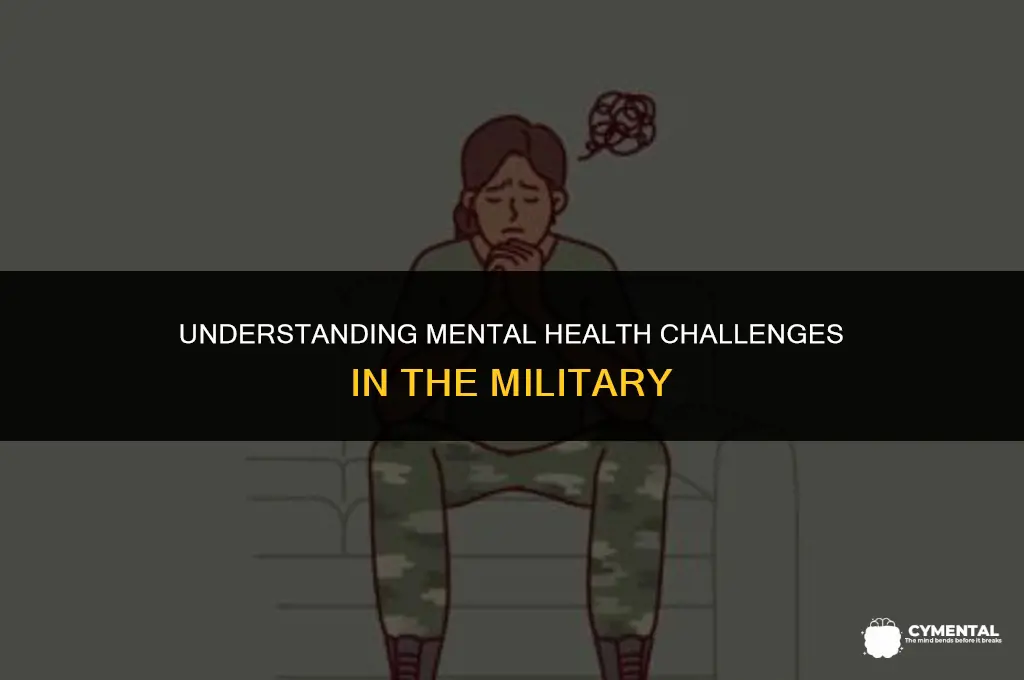
Mental health issues within the military are a critical concern, as service members often face unique stressors and challenges that can impact their psychological well-being. These issues can range from anxiety and depression to more severe conditions such as post-traumatic stress disorder (PTSD) and traumatic brain injury (TBI). The military environment, with its high-pressure situations, deployments, and potential exposure to combat, can exacerbate these conditions. Additionally, the stigma surrounding mental health within the military can prevent service members from seeking the help they need. Addressing these issues is essential for maintaining the readiness and resilience of military personnel, as well as ensuring their long-term health and well-being.
Explore related products


$9.99 $9.99


What You'll Learn
- Post-Traumatic Stress Disorder (PTSD): Combat-related trauma and its long-term psychological impact on soldiers
- Depression: Persistent feelings of sadness, hopelessness, and loss of interest in activities among military personnel
- Anxiety Disorders: Excessive worry, fear, and anxiety that interfere with daily functioning in military life
- Substance Abuse: Misuse of drugs or alcohol as a coping mechanism for stress and trauma in the military
- Suicidal Ideation: Thoughts or plans of suicide, often linked to mental health struggles and combat experiences

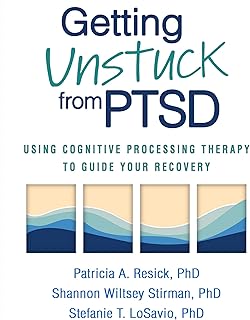
Post-Traumatic Stress Disorder (PTSD): Combat-related trauma and its long-term psychological impact on soldiers
Combat-related trauma is a significant contributor to Post-Traumatic Stress Disorder (PTSD) among military personnel. The intense and prolonged exposure to life-threatening situations, violence, and loss of comrades can lead to severe psychological distress. This distress manifests in various ways, including intrusive memories, heightened arousal, and emotional numbing.
The long-term psychological impact of combat trauma on soldiers is profound. It affects not only their mental health but also their ability to reintegrate into civilian life. Symptoms of PTSD can include flashbacks, nightmares, and severe anxiety, which can be debilitating. These symptoms often persist long after the soldier has left the battlefield, making it difficult for them to maintain relationships, hold down jobs, and lead a normal life.
Moreover, PTSD can lead to secondary issues such as substance abuse, depression, and even suicidal ideation. The stigma associated with mental health issues in the military can exacerbate these problems, as soldiers may be reluctant to seek help. It is crucial for military organizations to provide comprehensive mental health support and to foster an environment where seeking help is encouraged and not seen as a sign of weakness.
Effective treatment for PTSD includes a combination of psychotherapy, medication, and support groups. Cognitive Behavioral Therapy (CBT) and Eye Movement Desensitization and Reprocessing (EMDR) are two evidence-based therapies that have shown significant benefits in reducing PTSD symptoms. Medications such as selective serotonin reuptake inhibitors (SSRIs) can also be effective in managing symptoms.
In addition to individual treatment, peer support groups can play a vital role in the recovery process. These groups provide a safe space for soldiers to share their experiences and connect with others who have gone through similar trauma. This sense of community and understanding can be incredibly therapeutic and help soldiers feel less isolated.
Preventative measures are also essential in mitigating the risk of PTSD. Military training should include stress management techniques and education about the signs and symptoms of PTSD. Commanders should be trained to recognize the signs of psychological distress in their troops and to provide appropriate support and referrals. By addressing mental health issues early on, the military can help prevent the long-term psychological impact of combat trauma on soldiers.
Early Warning Signs: Recognizing Mental Health Issues in Children
You may want to see also
Explore related products


Depression: Persistent feelings of sadness, hopelessness, and loss of interest in activities among military personnel
Depression among military personnel is a significant mental health issue that can have profound impacts on both the individual and their unit's overall effectiveness. It is characterized by persistent feelings of sadness, hopelessness, and a loss of interest in activities that were once enjoyable. These symptoms can be particularly challenging for military members, who are often expected to maintain a high level of emotional resilience and physical readiness.
The unique stressors of military life, such as deployments, combat exposure, and frequent relocations, can contribute to the development of depression. Additionally, the stigma associated with mental health issues in the military can prevent individuals from seeking help, exacerbating the problem. It is crucial for military leaders and healthcare providers to recognize the signs of depression and ensure that affected personnel receive appropriate treatment and support.
Effective management of depression in the military may involve a combination of psychotherapy, medication, and lifestyle modifications. Cognitive-behavioral therapy (CBT) has been shown to be particularly effective in treating depression, as it helps individuals identify and challenge negative thought patterns. Antidepressant medications may also be prescribed, although careful consideration must be given to potential side effects and interactions with other medications.
In addition to professional treatment, military personnel can benefit from peer support groups and stress management techniques such as mindfulness meditation and physical exercise. These approaches can help individuals build resilience and develop coping strategies to manage the challenges of military life.
Ultimately, addressing depression in the military requires a multifaceted approach that includes education, stigma reduction, and access to quality mental health care. By prioritizing the mental well-being of military personnel, we can help ensure that they are able to perform their duties effectively and maintain a high quality of life.
Are Mental Health Disorders Passed Down Through Families?
You may want to see also
Explore related products


Anxiety Disorders: Excessive worry, fear, and anxiety that interfere with daily functioning in military life
Anxiety disorders are a prevalent mental health concern among military personnel, characterized by excessive worry, fear, and anxiety that significantly impede daily functioning. These disorders can manifest in various forms, including generalized anxiety disorder, panic disorder, and phobias, each with its unique set of symptoms and challenges. For instance, generalized anxiety disorder involves persistent and excessive worry about various aspects of life, such as work, relationships, and health, while panic disorder is marked by recurrent panic attacks that can occur unexpectedly and without an apparent trigger.
The military environment presents unique stressors that can exacerbate anxiety disorders, such as deployment, combat exposure, and the constant threat of danger. These stressors can lead to heightened levels of anxiety and fear, making it difficult for military personnel to perform their duties effectively. Moreover, the stigma associated with mental health issues in the military can deter individuals from seeking help, further complicating their condition.
Effective treatment for anxiety disorders in the military often involves a combination of psychotherapy and medication. Cognitive-behavioral therapy (CBT) is a commonly used psychotherapeutic approach that helps individuals identify and challenge negative thought patterns and behaviors contributing to their anxiety. Medications such as selective serotonin reuptake inhibitors (SSRIs) and benzodiazepines may also be prescribed to help manage symptoms.
In addition to professional treatment, there are several practical strategies that military personnel can employ to cope with anxiety disorders. These include practicing relaxation techniques such as deep breathing and meditation, engaging in regular physical exercise, maintaining a healthy diet, and seeking support from peers and mental health professionals. It is also essential for military leaders to foster a supportive and stigma-free environment that encourages individuals to seek help when needed.
Ultimately, addressing anxiety disorders in the military requires a multifaceted approach that combines professional treatment, self-help strategies, and organizational support. By working together, military personnel and leaders can help mitigate the impact of anxiety disorders and promote overall mental health and well-being.
Dave Matthews' Mental Health: Separating Fact from Speculation and Rumors
You may want to see also
Explore related products


Substance Abuse: Misuse of drugs or alcohol as a coping mechanism for stress and trauma in the military
Substance abuse, particularly the misuse of drugs and alcohol, is a significant concern within the military community. Often, individuals turn to these substances as a means of coping with the intense stress and trauma associated with military service. The high-pressure environment, coupled with exposure to traumatic events, can lead to a reliance on substances to numb emotional pain and provide a temporary escape from reality.
The misuse of drugs and alcohol can manifest in various ways within the military. For some, it may begin as a way to unwind after a long day or to bond with fellow service members. However, over time, this can escalate into a full-blown addiction, with individuals consuming substances in increasing quantities and frequencies. The availability of these substances on base, as well as the culture of silence surrounding mental health issues, can further exacerbate the problem.
The consequences of substance abuse in the military are far-reaching. Not only does it impact the individual's physical and mental health, but it can also compromise their ability to perform their duties effectively. Substance abuse can lead to impaired judgment, decreased reaction times, and an increased risk of accidents and injuries. Furthermore, it can strain relationships with fellow service members and superiors, ultimately affecting unit cohesion and morale.
Addressing substance abuse in the military requires a multifaceted approach. Education and awareness programs can help to reduce the stigma surrounding mental health issues and encourage individuals to seek help. Counseling and treatment services, specifically tailored to the unique needs of military personnel, are essential for those struggling with addiction. Additionally, implementing stricter policies and regulations regarding the use and distribution of substances on base can help to curb the problem.
In conclusion, substance abuse is a complex issue that affects many individuals in the military. By understanding the underlying causes and consequences, and by providing appropriate support and resources, we can work towards creating a healthier and more resilient military community.
Unraveling the Link: Smoking and Mental Health Explored
You may want to see also
Explore related products


$9.99 $14.4


Suicidal Ideation: Thoughts or plans of suicide, often linked to mental health struggles and combat experiences
Suicidal ideation refers to the presence of thoughts or plans related to suicide. In the context of military personnel, this issue is particularly concerning due to the unique challenges and stressors they face. Combat experiences, prolonged deployments, and exposure to traumatic events can significantly increase the risk of developing suicidal thoughts. It is essential to recognize that suicidal ideation is not a sign of weakness but rather a symptom of underlying mental health struggles that require professional attention.
One of the primary risk factors for suicidal ideation among military personnel is post-traumatic stress disorder (PTSD). PTSD can develop after experiencing or witnessing traumatic events, such as combat situations, and can lead to intrusive thoughts, flashbacks, and heightened anxiety. These symptoms can create a sense of hopelessness and despair, contributing to suicidal thoughts. Additionally, the military culture often emphasizes strength and resilience, which can discourage individuals from seeking help for mental health issues, further exacerbating the problem.
To address suicidal ideation in the military, it is crucial to implement comprehensive mental health screening and support programs. These programs should include regular assessments for signs of mental health struggles, such as depression, anxiety, and PTSD, as well as providing access to evidence-based treatments like cognitive-behavioral therapy (CBT) and medication management. Furthermore, efforts should be made to reduce the stigma associated with seeking mental health care by promoting a culture of openness and support within the military community.
In addition to professional interventions, peer support programs can also play a vital role in addressing suicidal ideation among military personnel. These programs train individuals to recognize the signs of mental health struggles and provide support and encouragement to their peers. By fostering a sense of camaraderie and understanding, peer support programs can help reduce feelings of isolation and promote help-seeking behaviors.
Ultimately, preventing and addressing suicidal ideation in the military requires a multifaceted approach that includes mental health screening, evidence-based treatments, cultural shifts, and peer support programs. By prioritizing the mental well-being of military personnel, we can help reduce the prevalence of suicidal thoughts and ensure that those who serve our country receive the support they need and deserve.
Supporting Someone with Mental Health Issues: A Compassionate Guide
You may want to see also
Frequently asked questions
Common mental health issues faced by military personnel include post-traumatic stress disorder (PTSD), depression, anxiety, substance abuse, and traumatic brain injury (TBI). These conditions can arise due to the stressful and traumatic experiences associated with military service.
The military addresses mental health concerns through various programs and services, including mental health screenings, counseling, therapy, and medication management. They also provide resources for family members and caregivers to support their loved ones.
Yes, the military uses specific criteria outlined in the Diagnostic and Statistical Manual of Mental Disorders (DSM-5) to diagnose mental health conditions. Additionally, they may consider the impact of the condition on the individual's ability to perform their duties and the potential risk to themselves or others.
Untreated mental health issues can have serious consequences for military personnel, including impaired performance, increased risk of suicide, and difficulty reintegrating into civilian life. It is crucial for individuals to seek help and for the military to provide adequate support and resources.