Madison Cole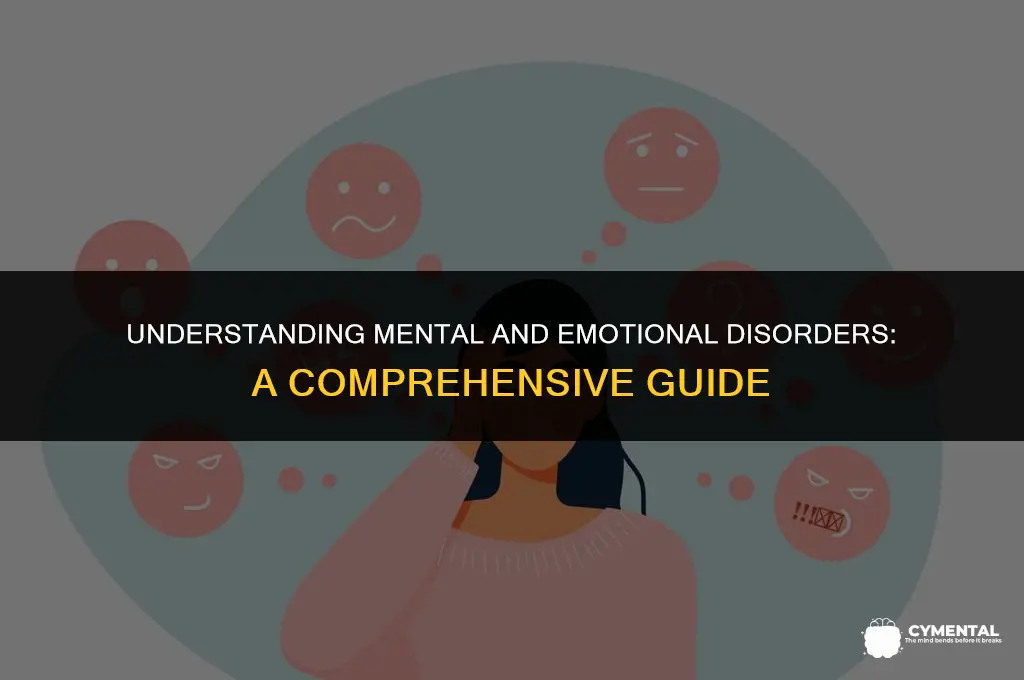
Mental and emotional disorders encompass a wide range of conditions that affect an individual's thoughts, feelings, and behaviors. These disorders can significantly impact a person's daily life, relationships, and overall well-being. Common mental health disorders include anxiety, depression, bipolar disorder, and schizophrenia, while emotional disorders may involve intense and persistent feelings of sadness, fear, or anger. Understanding these disorders is crucial for promoting awareness, reducing stigma, and providing effective treatment and support for those affected.
| Characteristics | Values |
|---|---|
| Definition | Mental and emotional disorders are conditions that affect an individual's thoughts, feelings, and behaviors, causing significant distress or impairment in daily functioning. |
| Types | Anxiety disorders, mood disorders, personality disorders, psychotic disorders, eating disorders, trauma-related disorders, etc. |
| Symptoms | Symptoms vary depending on the specific disorder but may include persistent feelings of sadness, anxiety, fear, anger, or irritability; changes in appetite or sleep patterns; difficulty concentrating; withdrawal from social activities; and thoughts of self-harm or suicide. |
| Causes | The exact causes of mental and emotional disorders are often complex and multifaceted, involving genetic, environmental, psychological, and social factors. |
| Diagnosis | Diagnosis is typically made by a mental health professional through a combination of clinical interviews, psychological assessments, and sometimes medical tests to rule out underlying physical conditions. |
| Treatment | Treatment options may include psychotherapy (talk therapy), medication, lifestyle changes, and support groups. The specific approach depends on the type and severity of the disorder. |
| Prognosis | The prognosis for mental and emotional disorders varies widely depending on the individual and the specific disorder. With appropriate treatment, many people can experience significant improvement or recovery. |
| Prevention | While it may not be possible to prevent all mental and emotional disorders, certain strategies can help reduce the risk, such as maintaining a healthy lifestyle, building strong social connections, and seeking early intervention for symptoms. |
| Impact on Daily Life | Mental and emotional disorders can significantly impact an individual's ability to function in daily life, affecting relationships, work or school performance, and overall well-being. |
| Stigma and Awareness | There is ongoing work to reduce the stigma associated with mental and emotional disorders and increase public awareness and understanding of these conditions. |
| Research and Development | Research into mental and emotional disorders is continually evolving, leading to new insights into causes, treatments, and potential cures. |
| Support Resources | Various resources are available to support individuals with mental and emotional disorders, including hotlines, online forums, and community-based organizations. |
Explore related products


What You'll Learn
- Anxiety Disorders: Excessive fear, worry, or anxiety that interferes with daily life
- Mood Disorders: Persistent feelings of sadness, hopelessness, or irritability
- Psychotic Disorders: Detachment from reality, hallucinations, delusions
- Eating Disorders: Abnormal eating habits, distorted body image
- Trauma Disorders: Emotional distress after experiencing or witnessing traumatic events

Anxiety Disorders: Excessive fear, worry, or anxiety that interferes with daily life
Anxiety disorders are characterized by persistent and excessive fear, worry, or anxiety that significantly disrupt daily functioning. Unlike normal feelings of anxiety that come and go, anxiety disorders can last for months or even years, and they often worsen over time without proper treatment. Common types of anxiety disorders include generalized anxiety disorder (GAD), panic disorder, social anxiety disorder, and specific phobias. Each type has its own unique set of symptoms and triggers, but all share the core feature of excessive and uncontrollable anxiety.
One of the most challenging aspects of anxiety disorders is their impact on daily life. Individuals with anxiety disorders may avoid certain situations or activities that trigger their anxiety, which can lead to social isolation, difficulty at work or school, and strained relationships with family and friends. Additionally, the physical symptoms of anxiety, such as rapid heartbeat, sweating, and trembling, can be debilitating and may even lead to health problems if left untreated.
Treatment for anxiety disorders typically involves a combination of psychotherapy and medication. Cognitive-behavioral therapy (CBT) is a common form of psychotherapy that helps individuals identify and change negative thought patterns that contribute to their anxiety. Medications such as selective serotonin reuptake inhibitors (SSRIs) and benzodiazepines can also be effective in reducing symptoms of anxiety. In some cases, lifestyle changes such as regular exercise, a healthy diet, and stress management techniques may also be recommended to help manage anxiety.
It is important to note that anxiety disorders are highly treatable, and with the right support and treatment, individuals can learn to manage their symptoms and lead fulfilling lives. However, left untreated, anxiety disorders can have serious consequences, including an increased risk of depression, substance abuse, and even suicide. Therefore, it is crucial for individuals who suspect they may have an anxiety disorder to seek professional help as soon as possible.
In conclusion, anxiety disorders are a serious mental health condition that can have a significant impact on daily life. However, with proper treatment and support, individuals can learn to manage their symptoms and lead happy, healthy lives. If you or someone you know is struggling with anxiety, it is important to seek help from a mental health professional.
Mental Health Conditions That May Disqualify You from Military Service
You may want to see also
Explore related products

$11.99


Mood Disorders: Persistent feelings of sadness, hopelessness, or irritability
Mood disorders encompass a range of conditions characterized by persistent feelings of sadness, hopelessness, or irritability. These disorders can significantly impact an individual's daily life, relationships, and overall well-being. One of the most common mood disorders is major depressive disorder, also known as clinical depression. This condition is marked by a persistent feeling of sadness or loss of interest in activities that were once enjoyable. Other symptoms may include changes in appetite, sleep disturbances, fatigue, and thoughts of suicide.
Another prevalent mood disorder is bipolar disorder, which involves episodes of mania and depression. During manic episodes, individuals may experience elevated mood, increased energy, and impulsive behavior. These episodes can alternate with periods of depression, creating a cycle that can be challenging to manage. Bipolar disorder can be further classified into different types, such as bipolar I and bipolar II, based on the severity and duration of the episodes.
Persistent depressive disorder, also known as dysthymia, is a chronic form of depression that lasts for at least two years. This condition is characterized by a low mood, loss of interest in activities, and other symptoms similar to major depressive disorder, but typically less severe. Seasonal affective disorder (SAD) is another type of mood disorder that occurs during specific times of the year, usually in the winter months when there is less natural sunlight. SAD is marked by symptoms of depression that resolve when the season changes.
Treatment for mood disorders often involves a combination of medication and psychotherapy. Antidepressants, mood stabilizers, and other medications can help alleviate symptoms, while cognitive-behavioral therapy (CBT) and other forms of psychotherapy can provide individuals with coping strategies and support. Lifestyle changes, such as regular exercise, a balanced diet, and stress management techniques, can also play a role in managing mood disorders. It is essential for individuals experiencing persistent feelings of sadness, hopelessness, or irritability to seek professional help, as early intervention can lead to better outcomes.
Understanding Homosexuality: Dispelling Myths and Embracing Diversity
You may want to see also
Explore related products


$13.85 $20.95


Psychotic Disorders: Detachment from reality, hallucinations, delusions
Psychotic disorders represent a group of severe mental health conditions characterized by a significant detachment from reality. This detachment often manifests through symptoms such as hallucinations and delusions, which can profoundly impact an individual's ability to function in daily life. Hallucinations are sensory experiences that occur without an external stimulus, meaning the individual may see, hear, smell, taste, or feel things that are not actually present. These experiences can be vivid and distressing, leading to confusion and fear.
Delusions, on the other hand, are firmly held beliefs that are not based in reality. These beliefs can be bizarre or persecutory, such as the conviction that one is being followed or monitored by a malevolent entity. Delusions can also be grandiose, where the individual believes they possess special powers or abilities. Both hallucinations and delusions can lead to disorganized thinking and behavior, making it challenging for individuals with psychotic disorders to maintain relationships, hold down jobs, or care for themselves.
One of the most well-known psychotic disorders is schizophrenia, which typically begins in late adolescence or early adulthood. Schizophrenia is characterized by a combination of positive symptoms (such as hallucinations and delusions) and negative symptoms (such as social withdrawal and emotional flatness). Treatment for schizophrenia often involves a combination of antipsychotic medications and psychotherapy, aimed at reducing the severity of symptoms and improving overall functioning.
Another psychotic disorder is bipolar disorder with psychotic features, which occurs when individuals experience episodes of mania or depression accompanied by hallucinations or delusions. These psychotic symptoms can be particularly dangerous during manic episodes, as they may lead to impulsive and risky behaviors. Treatment for bipolar disorder with psychotic features typically includes mood stabilizers, antipsychotics, and psychotherapy to manage both the mood and psychotic symptoms.
It is crucial for individuals experiencing symptoms of psychotic disorders to seek professional help as early as possible. Early intervention can significantly improve outcomes, as treatment can help manage symptoms and prevent the progression of the disorder. Additionally, support from family and friends can play a vital role in the recovery process, providing emotional support and helping individuals adhere to their treatment plans.
In conclusion, psychotic disorders are serious mental health conditions that require comprehensive treatment and support. By understanding the symptoms and seeking early intervention, individuals with psychotic disorders can lead fulfilling lives and manage their conditions effectively.
Exploring the Intricacies: Is Oddity a Mental Disorder?
You may want to see also
Explore related products

$10.1 $19


Eating Disorders: Abnormal eating habits, distorted body image
Eating disorders are a group of mental health conditions characterized by abnormal eating habits and a distorted body image. These disorders can have serious physical and emotional consequences, affecting individuals of all ages and backgrounds. The most common types of eating disorders include anorexia nervosa, bulimia nervosa, and binge eating disorder.
Anorexia nervosa is an eating disorder in which individuals restrict their food intake, leading to significant weight loss and a distorted body image. People with anorexia may also engage in excessive exercise or use laxatives to further reduce their weight. Bulimia nervosa, on the other hand, involves cycles of binge eating followed by purging, which can include vomiting, using laxatives, or excessive exercise. Binge eating disorder is characterized by recurrent episodes of eating large amounts of food in a short period, often leading to feelings of guilt or shame.
Eating disorders can be caused by a combination of genetic, environmental, and psychological factors. Risk factors include a family history of eating disorders, societal pressure to conform to certain body ideals, and traumatic life events. It is important to note that eating disorders are not simply a matter of willpower or self-control; they are complex mental health conditions that require professional treatment.
Treatment for eating disorders typically involves a combination of psychotherapy, medication, and nutritional counseling. Cognitive-behavioral therapy (CBT) is a common form of psychotherapy used to treat eating disorders, as it helps individuals identify and change negative thought patterns and behaviors. Medications such as antidepressants may also be prescribed to help manage symptoms. Nutritional counseling is essential to help individuals develop healthy eating habits and improve their overall physical health.
In addition to professional treatment, there are several self-help strategies that individuals can use to manage their eating disorder symptoms. These include keeping a food diary, practicing mindful eating, and engaging in regular physical activity. It is also important for individuals to surround themselves with supportive friends and family members who can offer encouragement and understanding.
Eating disorders are serious mental health conditions that require attention and treatment. By understanding the causes, symptoms, and treatment options, individuals can take the first step towards recovery and improving their overall well-being.
Decoding Forrest Gump's Mental Health: A Compassionate Analysis
You may want to see also
Explore related products





Trauma Disorders: Emotional distress after experiencing or witnessing traumatic events
Trauma disorders are a significant category of mental health conditions that arise from experiencing or witnessing deeply distressing events. These events can range from natural disasters and accidents to violent crimes and combat situations. The emotional aftermath of such trauma can be profound and long-lasting, affecting an individual's ability to function in daily life.
One of the most well-known trauma disorders is Post-Traumatic Stress Disorder (PTSD). PTSD is characterized by symptoms such as intrusive memories, flashbacks, nightmares, and severe anxiety. Individuals with PTSD may also experience emotional numbness, detachment from others, and heightened arousal, which can manifest as irritability or exaggerated startle responses. These symptoms can significantly impair social, occupational, and other important areas of functioning.
Complex Post-Traumatic Stress Disorder (C-PTSD) is another trauma disorder that can develop following prolonged or repeated exposure to traumatic events. C-PTSD often involves additional symptoms beyond those seen in PTSD, such as difficulties with emotional regulation, dissociation, and a persistent sense of threat. This disorder is commonly associated with childhood trauma, domestic abuse, or captivity.
Trauma disorders can also have physical manifestations. Chronic pain, headaches, and gastrointestinal issues are common among individuals who have experienced trauma. These physical symptoms can further complicate the diagnosis and treatment of trauma disorders, as they may not always be immediately linked to the psychological impact of the traumatic event.
Treatment for trauma disorders typically involves a combination of psychotherapy and medication. Cognitive-behavioral therapy (CBT) and eye movement desensitization and reprocessing (EMDR) are two effective psychotherapeutic approaches for PTSD. Medications such as selective serotonin reuptake inhibitors (SSRIs) and benzodiazepines may also be used to manage symptoms. It is crucial for individuals with trauma disorders to seek professional help, as untreated symptoms can worsen over time and significantly impact quality of life.
In conclusion, trauma disorders are complex mental health conditions that can arise from a variety of distressing experiences. Recognizing the symptoms and seeking appropriate treatment is essential for managing these disorders and improving overall well-being.
Understanding Gender Dysphoria: DSM-5 Classification and Beyond
You may want to see also
Frequently asked questions
Mental and emotional disorders are conditions that affect a person's thinking, feeling, and behavior. They can cause significant distress and impairment in daily life. Examples include depression, anxiety, schizophrenia, and bipolar disorder.
Mental disorders primarily affect a person's thinking and behavior, while emotional disorders primarily affect a person's feelings and emotions. However, many disorders have both mental and emotional components, and the distinction between the two is not always clear-cut.
Symptoms of mental and emotional disorders can vary widely depending on the specific condition. Some common symptoms include persistent feelings of sadness or anxiety, changes in appetite or sleep patterns, difficulty concentrating or making decisions, and withdrawal from social activities. It's important to note that only a qualified mental health professional can diagnose a mental or emotional disorder.