Lucas Bennett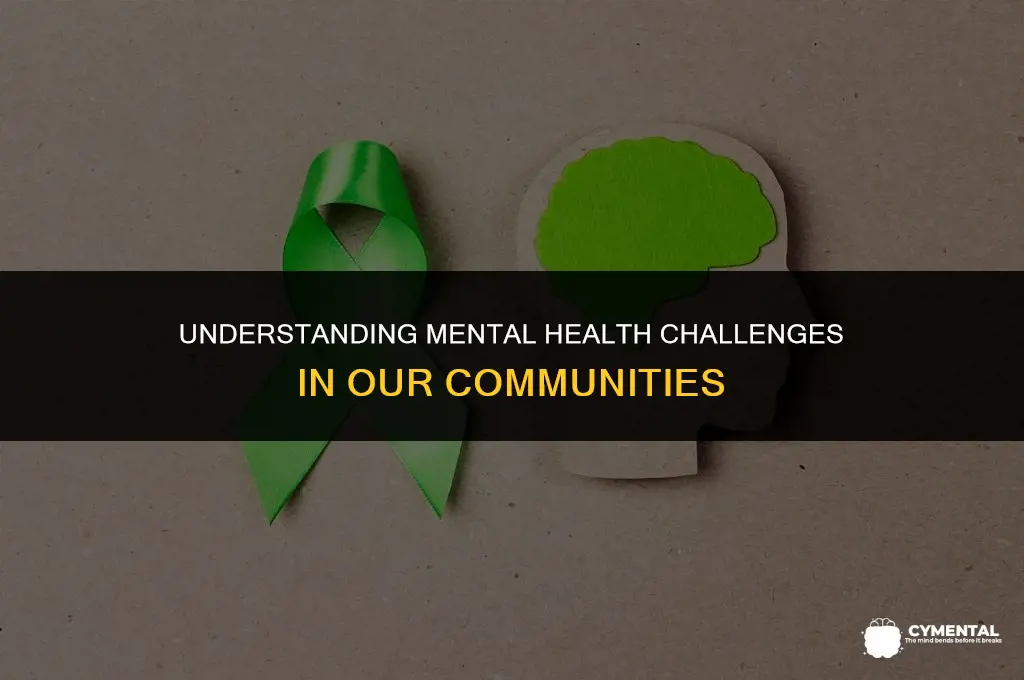
Mental health issues within communities are a critical aspect of public health that affect individuals, families, and societies as a whole. These issues encompass a wide range of conditions, including anxiety, depression, bipolar disorder, schizophrenia, and substance abuse disorders, among others. The prevalence of mental health problems can vary significantly across different communities due to factors such as socioeconomic status, access to healthcare, cultural attitudes towards mental illness, and the availability of support systems. Addressing mental health issues in communities requires a multifaceted approach that includes increasing awareness, reducing stigma, improving access to mental health services, and fostering supportive environments that promote overall well-being. By understanding the complexities of mental health within community contexts, we can work towards creating more inclusive and supportive societies that prioritize the mental well-being of all individuals.
Explore related products


$119.9 $133.32


What You'll Learn
- Stigma and Discrimination: Mental health stigma in communities, discrimination against individuals with mental illness
- Access to Care: Barriers to mental health services, disparities in healthcare access, rural vs. urban mental health resources
- Cultural Competence: Importance of culturally sensitive mental health care, addressing diverse community needs
- Prevention and Education: Community-based mental health education, strategies for preventing mental health issues
- Support Systems: Role of community support networks, peer support groups, family involvement in mental health

Stigma and Discrimination: Mental health stigma in communities, discrimination against individuals with mental illness
Mental health stigma in communities is a pervasive issue that can lead to discrimination against individuals with mental illness. This stigma often stems from a lack of understanding and education about mental health conditions, resulting in negative attitudes and beliefs. Such stigma can manifest in various ways, including social exclusion, verbal abuse, and even physical violence. It can also lead to internalized stigma, where individuals with mental illness begin to believe the negative stereotypes and feel ashamed or worthless.
Discrimination against individuals with mental illness can have severe consequences, including reduced access to healthcare, employment, and social opportunities. It can also exacerbate mental health symptoms and lead to increased rates of suicide. To combat stigma and discrimination, it is essential to promote mental health awareness and education in communities. This can be achieved through public campaigns, school programs, and community workshops that aim to dispel myths and provide accurate information about mental health conditions.
Efforts to reduce stigma should also involve engaging with individuals who have experienced mental illness, as their personal stories can help humanize the issue and challenge negative stereotypes. Additionally, policymakers and healthcare providers must work to ensure that mental health services are accessible and affordable, and that individuals with mental illness are treated with dignity and respect. By addressing stigma and discrimination, communities can create a more supportive and inclusive environment for individuals with mental illness, ultimately improving their overall well-being and quality of life.
Exploring the Mental Health Landscape on Twitch: A Comprehensive Look
You may want to see also
Explore related products


$14.99 $14.99


Access to Care: Barriers to mental health services, disparities in healthcare access, rural vs. urban mental health resources
Access to mental health care is a critical component in addressing mental health issues within communities. However, numerous barriers prevent individuals from receiving the necessary services. These barriers can be systemic, financial, or cultural, and they disproportionately affect certain populations. For instance, low-income individuals often face financial constraints that limit their ability to seek professional help. Similarly, cultural stigma surrounding mental health can deter people from accessing care, particularly in communities where mental illness is viewed as a sign of weakness or shame.
Disparities in healthcare access further exacerbate mental health issues in communities. Rural areas, in particular, face significant challenges due to a shortage of mental health professionals and limited resources. This scarcity forces individuals to travel long distances for care, which can be both time-consuming and costly. In contrast, urban areas tend to have more mental health resources, but these resources may still be inaccessible to marginalized populations, such as the homeless or undocumented immigrants.
To address these disparities, it is essential to implement targeted interventions that increase access to mental health services. Telehealth, for example, can bridge the gap between rural and urban areas by providing remote access to mental health professionals. Additionally, community-based programs that offer free or low-cost mental health services can help reduce financial barriers. Cultural competency training for mental health professionals can also help to address cultural stigma and improve access to care for diverse populations.
Ultimately, improving access to mental health care requires a multifaceted approach that addresses systemic, financial, and cultural barriers. By doing so, communities can better support individuals struggling with mental health issues and promote overall well-being.
FOMO and Mental Health: Understanding the Fear of Missing Out
You may want to see also
Explore related products






Cultural Competence: Importance of culturally sensitive mental health care, addressing diverse community needs
Cultural competence in mental health care is crucial for effectively addressing the diverse needs of various communities. It involves understanding and respecting the cultural backgrounds, beliefs, and values of individuals seeking care. This approach ensures that mental health services are tailored to meet the unique requirements of different populations, thereby improving treatment outcomes and fostering a more inclusive and equitable healthcare system.
One key aspect of culturally sensitive mental health care is the recognition of how cultural factors influence mental health issues. For instance, certain communities may experience higher rates of specific mental health conditions due to historical trauma, socioeconomic disparities, or cultural norms that affect emotional expression and coping mechanisms. By acknowledging these factors, mental health professionals can develop more targeted interventions that resonate with the lived experiences of their clients.
Moreover, cultural competence requires ongoing education and training for mental health providers. This includes learning about the cultural practices, communication styles, and family dynamics of the communities they serve. Such knowledge enables providers to build trust and rapport with clients, facilitating more open and honest discussions about mental health concerns. Additionally, it helps providers to avoid cultural misunderstandings and biases that could lead to misdiagnosis or ineffective treatment.
Culturally sensitive mental health care also involves engaging with community leaders and organizations to better understand the specific needs and challenges faced by different groups. This collaborative approach can lead to the development of community-based programs and resources that are more accessible and relevant to the target population. Furthermore, it can help to reduce stigma associated with mental health issues by promoting awareness and education within the community.
In conclusion, cultural competence is essential for providing effective and equitable mental health care. By recognizing the impact of cultural factors on mental health, educating providers about diverse cultural practices, and collaborating with community stakeholders, we can create a more inclusive and responsive mental health system that meets the unique needs of all individuals.
Gaslighting: A Mental Health Concern or Manipulative Tactic?
You may want to see also
Explore related products


Prevention and Education: Community-based mental health education, strategies for preventing mental health issues
Effective community-based mental health education is a critical component in preventing mental health issues. By fostering awareness and providing accessible resources, communities can empower individuals to take proactive steps towards maintaining their mental well-being. One key strategy is to integrate mental health education into existing community programs, such as schools, workplaces, and religious institutions. This approach ensures that information reaches a wide audience and is presented in a familiar and trusted context.
Another important aspect of prevention is promoting healthy lifestyle choices. Encouraging regular physical activity, balanced nutrition, and adequate sleep can significantly reduce the risk of developing mental health issues. Community initiatives, such as group exercise programs, cooking classes, and sleep hygiene workshops, can provide practical support and motivation for individuals to adopt these healthy habits.
Early intervention is also crucial in preventing the escalation of mental health issues. Communities can establish screening programs to identify individuals at risk and connect them with appropriate support services. Training community members, such as teachers, coaches, and faith leaders, to recognize the signs of mental health issues and provide initial support can be instrumental in encouraging individuals to seek professional help.
Furthermore, addressing social determinants of mental health, such as poverty, discrimination, and social isolation, is essential for effective prevention. Community-based initiatives that focus on building social connections, promoting inclusivity, and advocating for policy changes can help create a more supportive environment for mental health.
In conclusion, preventing mental health issues in communities requires a multifaceted approach that includes education, lifestyle promotion, early intervention, and addressing social determinants. By working together, communities can create a culture of mental health awareness and support that benefits everyone.
Addressing America's Mental Health Crisis: Strategies for Support and Change
You may want to see also
Explore related products


Support Systems: Role of community support networks, peer support groups, family involvement in mental health
Community support networks play a crucial role in addressing mental health issues by providing a sense of belonging and emotional support to individuals. These networks can include local organizations, religious groups, and online communities that offer a safe space for people to share their experiences and feelings. Peer support groups, in particular, have been shown to be effective in reducing symptoms of mental illness and improving overall well-being. These groups allow individuals to connect with others who have similar experiences, fostering a sense of camaraderie and understanding.
Family involvement is also a key component of support systems for mental health. Family members can provide emotional support, help with daily tasks, and assist in managing symptoms. However, it is important to recognize that family involvement can also be a source of stress and conflict, particularly if family members are not educated about mental health issues or do not understand the individual's experiences. Therefore, it is essential to provide education and resources to family members to help them better support their loved ones.
In addition to emotional support, community support networks and peer support groups can also provide practical assistance, such as help with housing, employment, and access to healthcare. This type of support can be particularly important for individuals who are struggling with mental health issues and may have limited resources or social connections.
One example of a successful community support network is the National Alliance on Mental Illness (NAMI), which offers a variety of programs and resources for individuals and families affected by mental illness. NAMI's peer-to-peer support groups have been shown to be effective in reducing symptoms of mental illness and improving overall well-being. Another example is the Samaritans, a UK-based charity that provides a helpline and online support for individuals in crisis. The Samaritans have been instrumental in reducing the number of suicides in the UK by providing a safe space for individuals to talk about their feelings.
In conclusion, support systems play a vital role in addressing mental health issues in the community. Community support networks, peer support groups, and family involvement can provide emotional support, practical assistance, and a sense of belonging to individuals struggling with mental health issues. By investing in these support systems, we can help to reduce the stigma surrounding mental illness and improve the overall well-being of our communities.
Supporting Children’s Mental Health: Practical Strategies for Parents and Caregivers
You may want to see also
Frequently asked questions
Common mental health issues in communities include anxiety disorders, depression, substance abuse, and stress-related disorders. These conditions can affect anyone regardless of age, gender, or socioeconomic status.
Mental health issues can significantly impact communities by affecting the overall well-being of its members. They can lead to decreased productivity, increased healthcare costs, and strained relationships among community members. Additionally, untreated mental health issues can contribute to social problems such as crime and homelessness.
Communities often have a variety of resources to address mental health issues, including mental health clinics, support groups, hotlines, and online resources. These resources provide services such as counseling, therapy, medication management, and crisis intervention.
Communities can promote mental health and prevent mental health issues by implementing programs that focus on education, awareness, and support. These programs can include mental health screenings, workshops on stress management and coping skills, and initiatives to reduce stigma associated with mental illness. Additionally, fostering a sense of community and social connectedness can help protect individuals from developing mental health issues.


![Community: The Complete Series [Blu-ray]](https://m.media-amazon.com/images/I/81FFwVczzsL._AC_UY218_.jpg)
![Community - The Complete Series [DVD]](https://m.media-amazon.com/images/I/81gzvMOCtjL._AC_UY218_.jpg)
![Community: The Complete Series [DVD]](https://m.media-amazon.com/images/I/91girv32r1L._AC_UY218_.jpg)


![Community [Blu-ray]](https://m.media-amazon.com/images/I/510iWDhNlOL._AC_UY218_.jpg)