Noah Parker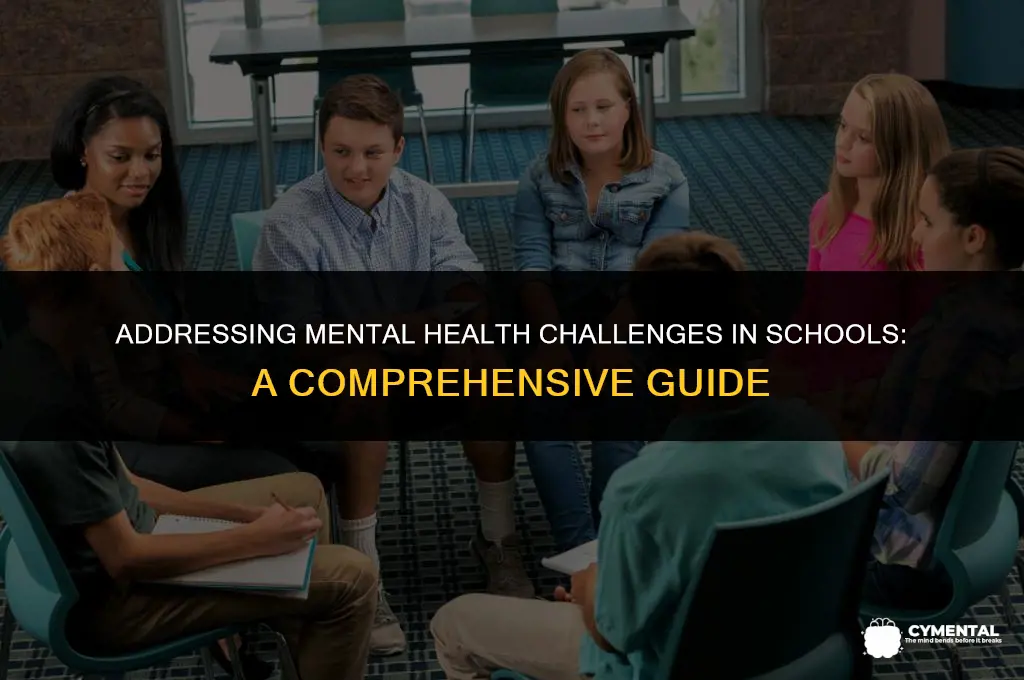
Schools today face a myriad of mental health issues that affect students, teachers, and staff alike. These challenges range from anxiety and depression to more severe conditions like bipolar disorder and schizophrenia. The pressures of academic performance, social media, and personal relationships can exacerbate these issues, leading to a significant impact on the overall well-being of the school community. Addressing these mental health concerns requires a comprehensive approach that includes education, support services, and a commitment to reducing stigma. By fostering a supportive and understanding environment, schools can help individuals navigate these challenges and promote better mental health outcomes.
Explore related products


$33.04 $52.99

$10.66 $18.99


What You'll Learn
- Student Stress and Anxiety: Academic pressure, social media influence, and personal issues contribute to rising stress levels among students
- Teacher Burnout: Educators face high workloads, limited resources, and challenging student behaviors, leading to burnout and decreased job satisfaction
- Bullying and Cyberbullying: Physical and online harassment among students can lead to severe mental health consequences, including depression and suicidal thoughts
- Lack of Mental Health Resources: Schools often have limited access to mental health professionals and resources, making it difficult to address students' needs effectively
- Stigma Surrounding Mental Health: Fear of judgment and discrimination can prevent students and teachers from seeking help for mental health issues

Student Stress and Anxiety: Academic pressure, social media influence, and personal issues contribute to rising stress levels among students
Academic pressure is a significant contributor to student stress and anxiety. The relentless pursuit of high grades, coupled with the demands of standardized testing, can create an environment where students feel constantly under scrutiny. This pressure can lead to a range of mental health issues, including anxiety disorders, depression, and even suicidal ideation. Schools must recognize the impact of academic stress and take steps to mitigate it, such as providing resources for time management, study skills, and stress reduction techniques.
Social media influence is another critical factor in student stress and anxiety. The constant connectivity and comparison fostered by social media platforms can lead to feelings of inadequacy, low self-esteem, and social isolation. Cyberbullying is also a prevalent issue, with students facing harassment and threats online. Schools can address these challenges by incorporating digital literacy and social media awareness into their curricula, as well as providing support for students who experience cyberbullying.
Personal issues, such as family problems, financial stress, and health concerns, can also contribute to rising stress levels among students. These issues can be particularly challenging for students who lack a strong support system or who are already struggling with academic and social pressures. Schools can help by providing access to counseling services, mental health resources, and support groups for students facing personal challenges.
To effectively address student stress and anxiety, schools must take a holistic approach that considers the interplay between academic, social, and personal factors. This may involve collaborating with mental health professionals, parents, and community organizations to provide comprehensive support for students. By prioritizing student well-being and creating a supportive school environment, educators can help mitigate the negative impacts of stress and anxiety on students' mental health and academic performance.
Supporting Employees: Compassionate Conversations About Mental Health at Work
You may want to see also
Explore related products


Teacher Burnout: Educators face high workloads, limited resources, and challenging student behaviors, leading to burnout and decreased job satisfaction
Educators are increasingly facing high workloads, limited resources, and challenging student behaviors, leading to a significant rise in teacher burnout. This phenomenon is characterized by emotional exhaustion, depersonalization, and a reduced sense of personal accomplishment. According to a recent study by the National Education Association, 53% of teachers report feeling burned out, with many citing the inability to meet the needs of their students due to lack of support and resources.
One of the primary contributors to teacher burnout is the high workload. Teachers are often expected to manage large class sizes, develop comprehensive lesson plans, grade assignments, and participate in professional development activities, all while adhering to strict curriculum standards. This can lead to a sense of being overwhelmed and a lack of time for self-care and relaxation.
Limited resources also play a significant role in teacher burnout. Many schools are underfunded, leading to shortages of essential materials, outdated technology, and inadequate facilities. This can make it difficult for teachers to provide the quality education they aspire to, leading to feelings of frustration and inadequacy.
Challenging student behaviors are another major factor contributing to teacher burnout. Educators often have to deal with students who exhibit disruptive behaviors, such as talking out of turn, refusing to follow instructions, and engaging in physical altercations. This can create a hostile and stressful learning environment, making it difficult for teachers to maintain their composure and enthusiasm for their work.
The consequences of teacher burnout are far-reaching. Burned-out teachers are more likely to take sick days, resign from their positions, or retire early, leading to a shortage of experienced educators. This can have a negative impact on student learning outcomes, as well as the overall functioning of the school.
To address the issue of teacher burnout, schools and policymakers must take a multifaceted approach. This could include providing teachers with additional support and resources, such as mental health services, professional development opportunities, and classroom management training. It could also involve implementing policies that reduce teacher workload, such as limiting class sizes and streamlining administrative tasks. By taking these steps, we can help to create a more supportive and sustainable working environment for educators, ultimately benefiting both teachers and students.
Understanding Britney Spears' Mental Health Struggles: A Compassionate Look
You may want to see also
Explore related products


Bullying and Cyberbullying: Physical and online harassment among students can lead to severe mental health consequences, including depression and suicidal thoughts
Bullying and cyberbullying are pervasive issues in schools that can have devastating effects on students' mental health. Physical harassment, such as hitting, pushing, or verbal abuse, can lead to severe consequences, including depression and suicidal thoughts. Cyberbullying, which involves online harassment through social media, messaging apps, or other digital platforms, can be equally damaging, as it often occurs outside of school hours and can be more difficult to detect and address.
One unique angle to consider when examining bullying and cyberbullying is the role of bystanders. Students who witness bullying but do not intervene can contribute to a culture of silence and inaction, which can exacerbate the problem. Empowering bystanders to speak up and support victims can be an effective way to prevent bullying and promote a positive school climate.
Another important aspect to consider is the impact of bullying on different groups of students. LGBTQ+ students, students with disabilities, and students from marginalized racial or ethnic backgrounds may be more vulnerable to bullying and may experience more severe mental health consequences as a result. Schools must take a proactive approach to addressing these disparities and creating inclusive environments that support all students.
To effectively address bullying and cyberbullying, schools must implement comprehensive prevention and intervention strategies. This may include educating students about the harmful effects of bullying, teaching them how to recognize and report it, and providing support services for victims. Schools should also work to create a positive school culture that promotes empathy, respect, and inclusivity.
In conclusion, bullying and cyberbullying are serious mental health issues that schools must address. By focusing on the role of bystanders, the impact on different groups of students, and the need for comprehensive prevention and intervention strategies, schools can create safer and more supportive environments for all students.
Unraveling the Complexities of Britney Spears' Mental Health Journey
You may want to see also
Explore related products

$44.99 $44.99


$35.95 $35.95


Lack of Mental Health Resources: Schools often have limited access to mental health professionals and resources, making it difficult to address students' needs effectively
Schools across the globe are increasingly recognizing the importance of mental health support for students. However, a significant challenge they face is the lack of adequate mental health resources. This scarcity can manifest in several ways, including insufficient numbers of trained mental health professionals, limited budgets for mental health services, and inadequate infrastructure to support these services. As a result, schools often struggle to provide the necessary support to students who are dealing with mental health issues.
One of the primary consequences of this lack of resources is that students may not receive timely intervention and support. Early identification and treatment of mental health issues are crucial in preventing these issues from escalating and causing more severe problems later on. However, without sufficient resources, schools may not be able to identify and address these issues as early as they should. This can lead to students struggling in silence, which can negatively impact their academic performance, social relationships, and overall well-being.
Furthermore, the lack of mental health resources in schools can also place a significant burden on teachers and other school staff. These individuals are often the first point of contact for students who are struggling with mental health issues. Without proper training and support, teachers may feel ill-equipped to handle these situations effectively. This can lead to feelings of burnout and stress among school staff, which can further exacerbate the problem.
In addition to these challenges, the lack of mental health resources in schools can also contribute to a culture of stigma surrounding mental health issues. When schools do not prioritize mental health support, it can send a message to students that mental health issues are not important or that they should be ashamed of seeking help. This can discourage students from seeking the support they need, which can have serious consequences for their mental health.
To address these issues, it is essential for schools to prioritize mental health resources. This can involve increasing funding for mental health services, hiring more trained mental health professionals, and providing training and support for teachers and other school staff. By taking these steps, schools can create a more supportive environment for students who are dealing with mental health issues, and help to ensure that they receive the help they need to thrive.
Empowering Compassion: Practical Ways to Support Mental Health Struggles
You may want to see also
Explore related products


Stigma Surrounding Mental Health: Fear of judgment and discrimination can prevent students and teachers from seeking help for mental health issues
The stigma surrounding mental health in educational settings is a pervasive issue that can have detrimental effects on both students and teachers. Fear of judgment and discrimination often prevents individuals from seeking the help they need, leading to untreated mental health issues that can worsen over time. This stigma can manifest in various ways, such as negative stereotypes, lack of understanding, and dismissive attitudes towards mental health concerns.
One of the primary reasons for this stigma is the lack of awareness and education about mental health. Many people may not recognize the signs of mental health issues or understand the importance of seeking professional help. This lack of knowledge can lead to misconceptions and prejudices, further perpetuating the stigma. Additionally, the pressure to maintain a certain image or meet societal expectations can discourage individuals from openly discussing their mental health struggles.
The impact of this stigma is particularly concerning in schools, where students and teachers spend a significant portion of their time. Untreated mental health issues can affect academic performance, social interactions, and overall well-being. Students may struggle with depression, anxiety, or other mental health conditions without anyone noticing or offering support. Similarly, teachers may experience burnout, stress, or other mental health challenges but feel unable to seek help due to the fear of being judged or discriminated against.
To address this issue, schools can implement various strategies to reduce the stigma surrounding mental health. These may include providing mental health education and resources, promoting open conversations about mental health, and creating a supportive and inclusive school environment. By fostering a culture of understanding and acceptance, schools can encourage students and teachers to seek the help they need without fear of judgment or discrimination.
In conclusion, the stigma surrounding mental health in schools is a significant barrier that prevents individuals from seeking necessary help. By increasing awareness, promoting open dialogue, and creating supportive environments, schools can play a crucial role in reducing this stigma and ensuring that students and teachers have access to the mental health resources they need.
Understanding the Nuances: Depression vs. General Mental Health Issues
You may want to see also
Frequently asked questions
Common mental health issues that students face include anxiety, depression, stress, and attention deficit hyperactivity disorder (ADHD). These issues can significantly impact a student's academic performance, social interactions, and overall well-being.
Schools can identify students who may be struggling with mental health issues by observing changes in behavior, academic performance, and social interactions. Teachers and staff can also look for signs such as frequent absences, difficulty concentrating, and expressions of hopelessness or helplessness.
Schools can implement various strategies to support students' mental health, including providing access to mental health professionals, offering counseling services, promoting mindfulness and stress-reduction techniques, and creating a supportive and inclusive school environment.
Parents and guardians can contribute to addressing mental health issues in schools by staying informed about their child's well-being, communicating openly with teachers and school staff, seeking professional help when needed, and advocating for policies and programs that support mental health in schools.