Caleb Wright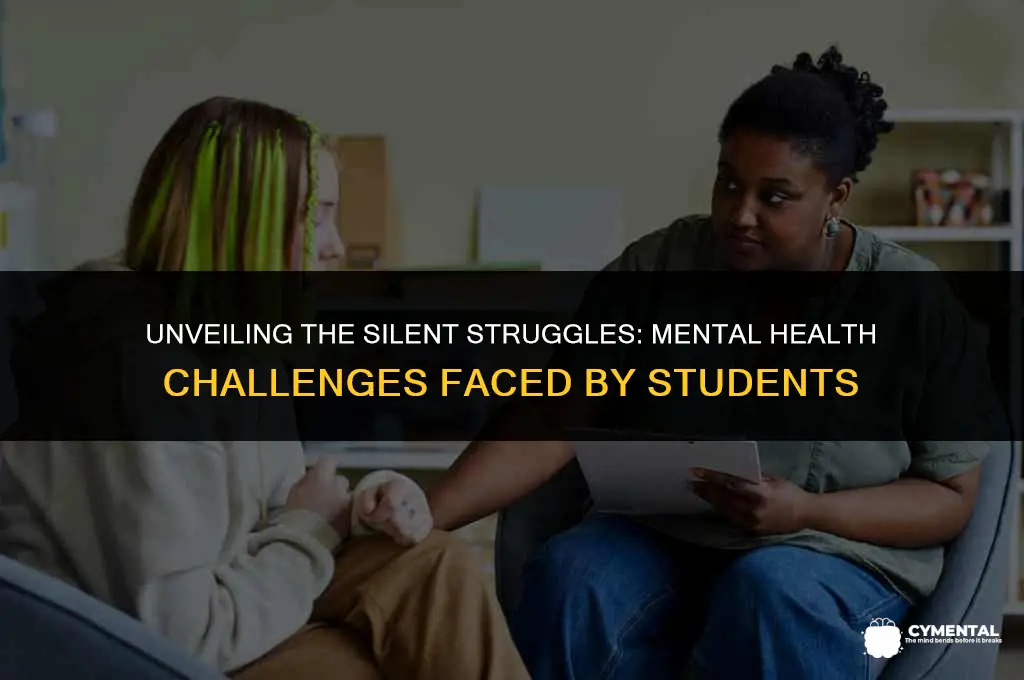
Mental health issues among students are a growing concern that affects academic performance, overall well-being, and future prospects. The pressures of modern education, including high expectations, rigorous workloads, and the stress of examinations, can lead to a range of mental health challenges. Anxiety and depression are among the most common issues, with symptoms often manifesting as persistent worry, sadness, or feelings of hopelessness. These conditions can be exacerbated by factors such as social isolation, lack of support, and the stigma surrounding mental health. Additionally, students may struggle with sleep disorders, eating disorders, and substance abuse, which can further impact their mental and physical health. Addressing these issues requires a multifaceted approach, involving increased awareness, access to mental health services, and the promotion of healthy coping mechanisms. By fostering a supportive and understanding environment, educational institutions can help students navigate these challenges and achieve their full potential.
Explore related products



What You'll Learn
- Academic Pressure: Stress from high expectations, workload, and fear of failure
- Social Anxiety: Difficulty in social interactions, feeling isolated or judged by peers
- Depression: Persistent sadness, loss of interest, and feelings of hopelessness
- Self-Esteem Issues: Negative self-image, lack of confidence, and self-doubt
- Coping Mechanisms: Strategies to manage stress, such as exercise, mindfulness, or seeking support

Academic Pressure: Stress from high expectations, workload, and fear of failure
Academic pressure is a pervasive issue affecting students worldwide, manifesting as stress from high expectations, an overwhelming workload, and a paralyzing fear of failure. This pressure can stem from various sources, including parents, educators, peers, and societal norms, all of which can contribute to a student's mental health struggles.
One of the primary drivers of academic pressure is the relentless pursuit of high grades and academic excellence. Students often feel compelled to achieve top marks to secure their future, whether it's to gain admission to a prestigious university, qualify for scholarships, or meet their parents' expectations. This can lead to an unhealthy obsession with grades, causing students to prioritize academic success over their well-being.
Another significant contributor to academic pressure is the sheer volume of work students are expected to complete. With multiple assignments, projects, and exams to juggle, students can feel overwhelmed and stressed, leading to burnout and mental exhaustion. This workload can be particularly challenging for students who struggle with time management or have other commitments, such as part-time jobs or extracurricular activities.
The fear of failure is also a potent source of academic pressure. Students may worry about not meeting their own expectations or those of others, leading to anxiety and self-doubt. This fear can be exacerbated by a lack of support or understanding from parents and educators, who may inadvertently create an environment where failure is seen as unacceptable.
To mitigate the effects of academic pressure, students can adopt various coping strategies. These may include practicing mindfulness and relaxation techniques, setting realistic goals, and seeking support from friends, family, or mental health professionals. Additionally, educators and parents can play a crucial role by fostering a supportive and understanding environment, encouraging a healthy work-life balance, and promoting a growth mindset that values effort and progress over grades and achievements.
Ultimately, addressing academic pressure requires a multifaceted approach that involves students, educators, parents, and society as a whole. By working together to create a more supportive and realistic academic environment, we can help students navigate the challenges of academic life while prioritizing their mental health and well-being.
Sharing Your Mental Health Struggles: A Guide to Open Communication
You may want to see also
Explore related products


Social Anxiety: Difficulty in social interactions, feeling isolated or judged by peers
Social anxiety is a prevalent mental health issue among students, characterized by an intense fear of being watched or judged by others in social situations. This fear can lead to significant distress and impairment in daily functioning, particularly in academic and social settings. Students with social anxiety may avoid social interactions altogether, leading to feelings of isolation and loneliness.
One unique aspect of social anxiety in students is the impact it can have on their academic performance. The fear of being judged by peers or teachers can lead to avoidance of classroom participation, difficulty in group projects, and even skipping classes or school days. This can result in falling behind academically and feeling even more isolated from peers.
Another important consideration is the role of social media in exacerbating social anxiety among students. The constant comparison to others' curated online personas can lead to feelings of inadequacy and low self-esteem, further fueling social anxiety. Students may feel pressured to present a perfect image online, which can be particularly challenging for those already struggling with social anxiety.
To address social anxiety in students, it is essential to provide support and resources that help them build confidence and develop coping strategies. This may include individual therapy, group therapy, or online resources that offer guidance and support. Additionally, creating a supportive and inclusive school environment that encourages open communication and fosters a sense of community can help reduce the stigma associated with social anxiety and promote a culture of understanding and acceptance.
In conclusion, social anxiety is a significant mental health issue that affects many students, impacting their academic performance, social relationships, and overall well-being. By providing targeted support and resources, and fostering a supportive school environment, we can help students overcome social anxiety and thrive in their academic and personal lives.
Mental Health Stigma: A Social Barrier to Healing and Acceptance
You may want to see also
Explore related products


Depression: Persistent sadness, loss of interest, and feelings of hopelessness
Depression is a pervasive mental health issue that affects students of all ages and backgrounds. It is characterized by persistent feelings of sadness, loss of interest in activities once enjoyed, and a sense of hopelessness that can permeate all aspects of life. For students, depression can be particularly debilitating, impacting their academic performance, social relationships, and overall well-being.
One unique aspect of depression in students is the way it can manifest in different age groups. In younger students, depression may present as irritability, clinginess, or a refusal to attend school. In contrast, older students may experience more classic symptoms such as persistent sadness, changes in appetite, and thoughts of self-harm. It is crucial for educators and parents to recognize these varied presentations to ensure that students receive the support they need.
Another critical factor to consider is the impact of depression on academic performance. Students struggling with depression may find it difficult to concentrate, complete assignments, or participate in class discussions. This can lead to a decline in grades and a sense of failure, which can exacerbate depressive symptoms. Teachers can play a vital role in identifying students who may be struggling with depression by monitoring changes in behavior and academic performance.
Furthermore, depression can significantly affect a student's social relationships. Students may withdraw from friends, lose interest in extracurricular activities, and feel isolated from their peers. This social withdrawal can contribute to a sense of loneliness and hopelessness, making it essential for schools to provide opportunities for social support and connection.
In terms of treatment, a multifaceted approach is often necessary. This may include individual therapy, group therapy, medication, and lifestyle changes such as regular exercise and a healthy diet. Schools can support students by providing access to mental health professionals, offering counseling services, and promoting a culture of openness and understanding around mental health issues.
Ultimately, addressing depression in students requires a comprehensive and compassionate approach that involves educators, parents, mental health professionals, and the students themselves. By working together, we can help students overcome the challenges of depression and thrive academically, socially, and emotionally.
Mental Health: A Liberal Issue or Universal Human Concern?
You may want to see also
Explore related products

$15.17 $17.99


$8.49 $11.99


Self-Esteem Issues: Negative self-image, lack of confidence, and self-doubt
Students grappling with self-esteem issues often find themselves trapped in a cycle of negative self-perception, which can manifest as a lack of confidence and pervasive self-doubt. These feelings can be particularly debilitating in an academic setting, where the pressure to perform and the scrutiny of peers can exacerbate existing insecurities.
One of the primary challenges for students with low self-esteem is the tendency to internalize criticism and setbacks. A single negative comment from a teacher or a disappointing grade can spiral into a broader narrative of inadequacy and failure. This can lead to a reluctance to take risks or try new things, as the fear of failure becomes overwhelming.
Moreover, social media can play a significant role in perpetuating self-esteem issues among students. The constant comparison to peers who seem to be achieving more or living more fulfilling lives can create unrealistic standards and reinforce feelings of inferiority. This can be particularly damaging for students who already struggle with self-doubt, as they may feel that they can never measure up to the curated images and accomplishments they see online.
To combat these issues, it is essential for students to develop a more realistic and compassionate view of themselves. This can involve practicing self-reflection and identifying areas of strength and accomplishment, as well as seeking support from friends, family, or mental health professionals. Additionally, schools can play a role by promoting a culture of inclusivity and support, and by providing resources and programs that help students build resilience and self-confidence.
Ultimately, addressing self-esteem issues requires a multifaceted approach that involves both individual and systemic changes. By fostering a more supportive and understanding environment, and by encouraging students to develop a more positive and realistic self-image, we can help to mitigate the damaging effects of low self-esteem and empower students to reach their full potential.
Rehab Centers for Mental Health: Are They Highly Recommended?
You may want to see also
Explore related products




Coping Mechanisms: Strategies to manage stress, such as exercise, mindfulness, or seeking support
Students often face a myriad of mental health challenges, from anxiety and depression to stress and burnout. Effective coping mechanisms are essential tools in managing these issues. One such strategy is regular physical exercise, which has been shown to reduce symptoms of anxiety and depression by releasing endorphins, the body's natural mood elevators. A brisk walk, a jog, or even a short yoga session can provide immediate relief from stress.
Mindfulness practices are another powerful coping mechanism. Techniques such as deep breathing, progressive muscle relaxation, and meditation can help students become more aware of their thoughts and emotions, allowing them to respond to stressors in a more balanced and controlled manner. Apps like Headspace and Calm offer guided meditations that can be easily incorporated into a daily routine.
Seeking social support is also crucial. Connecting with friends, family, or a mental health professional can provide students with a safe space to express their feelings and receive guidance and encouragement. Joining student organizations or support groups can further expand their social network and offer a sense of community and belonging.
Time management and organization skills are practical coping strategies that can help students reduce academic stress. By setting realistic goals, breaking tasks into smaller steps, and using tools like planners and reminders, students can better manage their workload and avoid the overwhelming feeling of being constantly behind.
Lastly, maintaining a healthy lifestyle, including a balanced diet and adequate sleep, is fundamental in supporting mental health. Consuming nutrient-rich foods and avoiding excessive caffeine and sugar can help stabilize mood, while getting enough sleep is essential for cognitive function and emotional regulation.
In conclusion, coping mechanisms such as exercise, mindfulness, social support, time management, and healthy lifestyle choices are vital in helping students manage the mental health challenges they face. By incorporating these strategies into their daily lives, students can build resilience and improve their overall well-being.
Empowering Compassion: Practical Ways to Support Mental Health Struggles
You may want to see also
Frequently asked questions
Students often deal with issues such as anxiety, depression, stress, and sleep disorders. These can be exacerbated by academic pressures, social demands, and personal challenges.
Mental health issues can significantly impact students' ability to concentrate, remember information, and complete tasks. This can lead to lower grades, missed classes, and decreased motivation.
Many schools offer counseling services, support groups, and mental health workshops. Additionally, there are online resources, hotlines, and mobile apps designed to help students manage their mental health.
Students can maintain good mental health by practicing self-care, such as regular exercise, healthy eating, and sufficient sleep. They should also seek support from friends, family, or professionals when needed and learn effective stress management techniques.
Addressing mental health issues early can prevent them from escalating into more severe problems. Early intervention can help students develop coping strategies, improve their quality of life, and ensure they receive the support they need to succeed academically and personally.