Noah Parker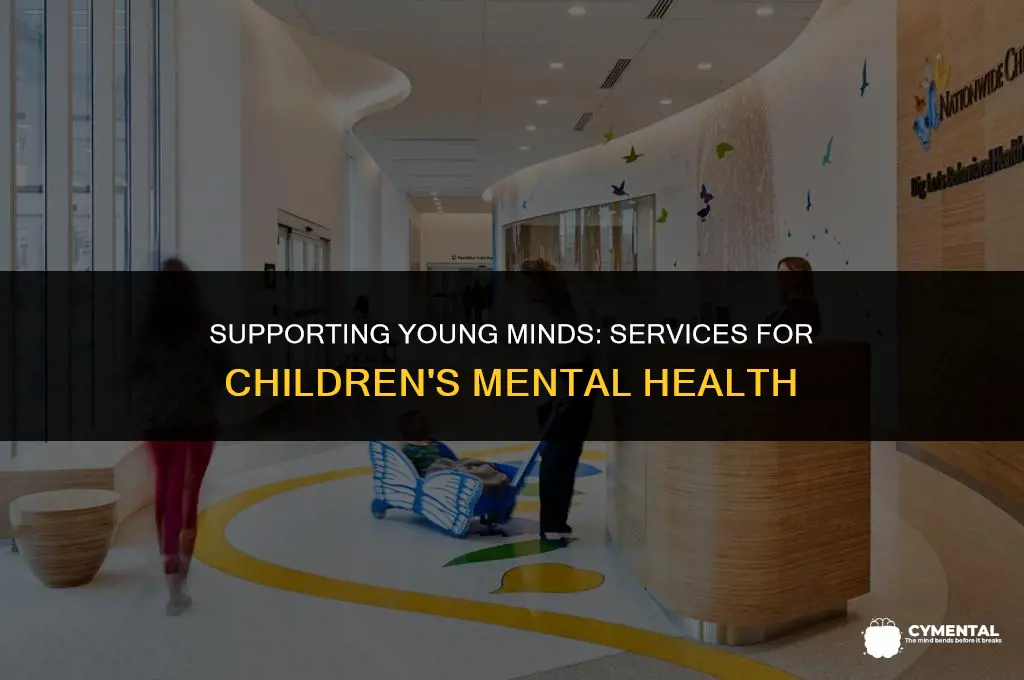
Services for children with mental health issues encompass a wide range of interventions and support systems designed to address the unique emotional, psychological, and behavioral needs of young individuals. These services aim to promote mental wellness, prevent mental illness, and provide treatment and support for children experiencing mental health challenges. They include therapeutic interventions such as individual, group, and family therapy, educational programs to enhance coping skills and emotional intelligence, and medical treatments when necessary. Additionally, these services often involve collaboration between mental health professionals, educators, parents, and other caregivers to create a comprehensive support network for the child. Early intervention and access to these services are crucial in mitigating the impact of mental health issues on a child's development and overall well-being.
| Characteristics | Values |
|---|---|
| Target Audience | Children and adolescents |
| Purpose | To provide support and treatment for mental health issues |
| Types of Services | Counseling, therapy, medication management, crisis intervention, support groups |
| Providers | Psychiatrists, psychologists, social workers, counselors, pediatricians |
| Settings | Schools, clinics, hospitals, community centers, private practices |
| Age Range | Typically 0-18 years, but can vary based on service |
| Common Issues Addressed | Anxiety, depression, ADHD, autism spectrum disorder, eating disorders, trauma |
| Assessment Methods | Interviews, questionnaires, behavioral observations, psychological testing |
| Treatment Approaches | Cognitive-behavioral therapy (CBT), play therapy, family therapy, medication, mindfulness-based interventions |
| Goals of Treatment | Improve mental health symptoms, enhance coping skills, promote well-being, support academic and social functioning |
| Parental Involvement | Often encouraged, may include education and support for parents |
| Accessibility | Services may be available in-person, online, or via telehealth, depending on location and provider |
| Funding Sources | Insurance, government programs, private pay, grants, donations |
| Referral Process | Referrals can be made by parents, schools, healthcare providers, or other professionals |
| Waiting Times | Can vary widely depending on location, provider, and funding source |
| Outcome Measures | Symptom reduction, improved functioning, increased well-being, academic and social success |
Explore related products


What You'll Learn
- Therapy Services: Individual, group, and family therapy sessions tailored to children's needs
- Educational Programs: Specialized educational support and resources for children with mental health challenges
- Medication Management: Psychiatric medication evaluation and ongoing management for children
- Support Groups: Peer support groups for children and families dealing with mental health issues
- Crisis Intervention: Emergency services and support for children experiencing mental health crises

Therapy Services: Individual, group, and family therapy sessions tailored to children's needs
Individual therapy sessions provide a one-on-one environment where children can receive personalized attention and support. These sessions are particularly beneficial for children who may have difficulty expressing themselves in a group setting or who require a more tailored approach to address their specific needs. Individual therapy can help children develop coping strategies, improve self-esteem, and work through personal challenges in a safe and confidential space.
Group therapy sessions, on the other hand, offer children the opportunity to interact with peers who may be facing similar challenges. This setting can foster a sense of community and belonging, as children learn from each other's experiences and develop social skills. Group therapy can be particularly effective in addressing issues such as anxiety, depression, and behavioral problems, as it allows children to practice new skills and receive feedback from both the therapist and their peers.
Family therapy sessions involve the entire family unit and are designed to improve communication, resolve conflicts, and strengthen relationships. These sessions can be especially helpful for children who are experiencing difficulties within their family dynamics, as they provide a structured environment for addressing and resolving issues. Family therapy can also help parents develop more effective parenting strategies and improve their ability to support their child's mental health needs.
Therapy services for children are typically provided by licensed mental health professionals who have specialized training in working with children and families. These professionals may include psychologists, social workers, and licensed therapists. Therapy sessions can take place in a variety of settings, such as private offices, community mental health centers, and schools.
The frequency and duration of therapy sessions will vary depending on the child's specific needs and the type of therapy being provided. In general, individual therapy sessions may occur weekly or bi-weekly, while group therapy sessions may meet less frequently. Family therapy sessions may be scheduled as needed, depending on the family's availability and the child's treatment plan.
In conclusion, therapy services for children, including individual, group, and family therapy sessions, can provide valuable support and resources for children struggling with mental health issues. These services can help children develop coping strategies, improve relationships, and enhance their overall well-being.
Navigating Mental Health Disclosure in Your PT Application: A Guide
You may want to see also
Explore related products

$13.99 $13.99


$36.95 $49.95


Educational Programs: Specialized educational support and resources for children with mental health challenges
Specialized educational programs play a crucial role in supporting children with mental health challenges. These programs are designed to cater to the unique needs of students who may be struggling with various mental health issues, such as anxiety, depression, or ADHD. By providing tailored resources and support, educational programs can help these children thrive academically and emotionally.
One key aspect of these programs is the integration of mental health services within the educational setting. This can include on-site counseling, therapy sessions, and psychiatric evaluations. By having these services readily available, children can receive the help they need without having to leave the school environment, which can be especially beneficial for those who may have difficulty accessing mental health care outside of school.
Another important component of specialized educational programs is the training of educators and staff to recognize and respond to mental health challenges. Teachers are often the first to notice when a student is struggling, and by providing them with the necessary tools and knowledge, they can better support these students and create a more inclusive and understanding classroom environment.
In addition to on-site services and staff training, educational programs may also incorporate technology and digital resources to support children with mental health challenges. This can include online therapy platforms, mental health apps, and virtual support groups. These digital tools can provide children with additional support and resources that they can access from anywhere, at any time.
Overall, specialized educational programs are essential in addressing the mental health needs of children. By providing a comprehensive approach that includes on-site services, staff training, and digital resources, these programs can help children with mental health challenges succeed academically and emotionally, and improve their overall quality of life.
Minnesota's Medical Assistance: Effective Mental Health Support or Not?
You may want to see also
Explore related products


Medication Management: Psychiatric medication evaluation and ongoing management for children
Psychiatric medication evaluation and ongoing management for children is a critical component of comprehensive mental health care. This process involves a thorough assessment of the child's symptoms, medical history, and current medications to determine the most appropriate pharmacological interventions. It is essential that this evaluation is conducted by a qualified mental health professional, such as a child psychiatrist, who has specialized training in the use of medications for pediatric populations.
The initial evaluation typically includes a detailed review of the child's psychiatric history, including any previous diagnoses, treatments, and responses to medication. The clinician will also assess the child's current symptoms, using standardized rating scales and clinical interviews to gather information about the severity and impact of the symptoms on the child's daily functioning. Additionally, the evaluation may involve input from parents, teachers, and other caregivers to provide a more comprehensive understanding of the child's needs.
Once the evaluation is complete, the clinician will develop a personalized treatment plan that may include the use of psychiatric medications. The selection of medications will be based on the child's specific diagnosis, symptom profile, and medical history. It is important that the child and their caregivers are actively involved in the decision-making process and are fully informed about the potential benefits and risks associated with each medication.
Ongoing management of psychiatric medications for children involves regular monitoring of the child's response to treatment, as well as any side effects or adverse reactions. This may include routine check-ups with the prescribing clinician, as well as laboratory tests to monitor medication levels and assess for potential drug interactions. Adjustments to the medication regimen may be necessary based on the child's changing needs and response to treatment.
In addition to medication management, it is important that children with mental health issues receive a comprehensive range of services, including psychotherapy, behavioral interventions, and educational supports. These services can help children develop coping skills, improve their social and emotional functioning, and achieve their full potential in school and other areas of life.
In conclusion, psychiatric medication evaluation and ongoing management for children is a complex and multifaceted process that requires careful consideration of the child's unique needs and circumstances. By working collaboratively with the child and their caregivers, mental health professionals can develop effective treatment plans that promote optimal outcomes and improve the quality of life for children with mental health issues.
Toxic Masculinity: A Critical Examination of Its Impact on Mental Health
You may want to see also
Explore related products


Support Groups: Peer support groups for children and families dealing with mental health issues
Peer support groups provide a safe and nurturing environment where children and families can connect with others who are facing similar mental health challenges. These groups are typically facilitated by trained professionals and offer a space for sharing experiences, expressing emotions, and learning coping strategies. For children, participating in peer support groups can help reduce feelings of isolation and stigma, while also promoting social skills and emotional resilience.
Family members can also benefit from peer support groups by gaining insight into their child's experiences and connecting with other parents or caregivers who understand their struggles. These groups often provide educational resources and guest speakers, which can help families better understand mental health conditions and available treatment options. Additionally, peer support groups can serve as a valuable resource for families navigating the mental health system, offering guidance on accessing services and advocating for their child's needs.
One of the unique aspects of peer support groups is their ability to foster a sense of community and belonging. By bringing together individuals with shared experiences, these groups can help break down barriers and promote understanding. This can be particularly important for children and families from marginalized communities, who may face additional challenges in accessing mental health services. Peer support groups can also provide a platform for children and families to share their strengths and successes, which can help build hope and resilience.
In conclusion, peer support groups are a vital component of the mental health services available to children and families. By offering a safe and supportive space for sharing experiences and learning from others, these groups can help reduce feelings of isolation and stigma, while also promoting emotional resilience and community connection.
Navigating Mental Health Challenges in the Workplace: Strategies for Success
You may want to see also
Explore related products


Crisis Intervention: Emergency services and support for children experiencing mental health crises
In times of acute mental health distress, children require immediate and specialized support to address their crises effectively. Crisis intervention services are designed to provide this urgent care, ensuring that children receive the necessary assistance to stabilize their condition and prevent further deterioration. These services often include emergency psychiatric evaluations, short-term counseling, and referrals to longer-term treatment options.
One critical component of crisis intervention is the involvement of trained professionals who can assess the child's situation rapidly and provide appropriate interventions. This may involve psychiatrists, psychologists, social workers, and other mental health experts working collaboratively to develop a comprehensive care plan. In some cases, crisis intervention may also necessitate the involvement of law enforcement or emergency medical services to ensure the child's safety and well-being.
Effective crisis intervention strategies often incorporate a combination of pharmacological and psychotherapeutic approaches. Medications may be prescribed to alleviate acute symptoms, while therapy sessions help children develop coping mechanisms and address underlying issues contributing to their crisis. Additionally, crisis intervention services may provide support to families, educating them on how to recognize signs of distress and offering guidance on how to assist their child during a crisis.
To ensure the best possible outcomes, crisis intervention services must be accessible and responsive. This includes having dedicated hotlines or walk-in clinics where children and their families can seek help at any time. Furthermore, these services should be integrated with other mental health resources, facilitating smooth transitions to ongoing care and support as needed.
In conclusion, crisis intervention plays a vital role in addressing the mental health needs of children experiencing acute distress. By providing timely, specialized care, these services can help stabilize children's conditions, prevent long-term consequences, and support their journey towards recovery and well-being.
Unraveling Paranoia: Understanding Its Impact on Mental Health
You may want to see also
Frequently asked questions
Services for children with mental health issues include therapy (such as cognitive-behavioral therapy, play therapy, and family therapy), medication management, educational support, and community-based programs.
Parents can identify if their child needs mental health services by observing changes in behavior, mood, or academic performance. Signs may include increased anxiety, depression, aggression, withdrawal, or difficulty in school. Consulting with a pediatrician or a mental health professional can provide guidance.
A child psychiatrist is a medical doctor who specializes in diagnosing and treating mental health disorders in children and adolescents. They can prescribe medication, provide therapy, and collaborate with other professionals to develop a comprehensive treatment plan.
Yes, there are online resources and support groups for children with mental health issues. Websites like the National Alliance on Mental Illness (NAMI) and the American Academy of Child and Adolescent Psychiatry (AACAP) offer information and resources. Online support groups can provide a platform for children and families to connect with others facing similar challenges.