Caleb Wright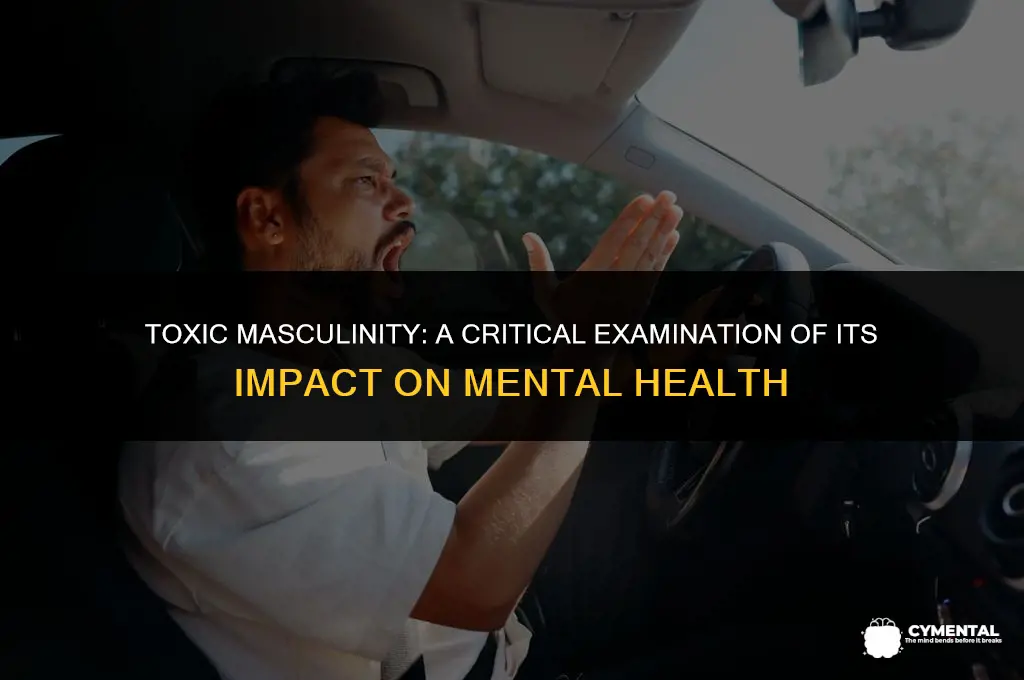
Toxic masculinity, a term that has gained significant attention in recent years, refers to the harmful and oppressive behaviors and attitudes traditionally associated with masculinity. It encompasses a range of negative traits, including aggression, dominance, emotional repression, and a lack of empathy. While toxic masculinity is often discussed in the context of its impact on society and interpersonal relationships, there is a growing recognition of its implications for mental health. This raises the question: is toxic masculinity a mental health issue? To address this, it is essential to explore the psychological underpinnings of toxic masculinity, its effects on individuals who exhibit these traits, and the potential for intervention and treatment. By examining the intersection of toxic masculinity and mental health, we can better understand the complexities of this issue and work towards promoting healthier expressions of masculinity.
| Characteristics | Values |
|---|---|
| Definition | Toxic masculinity refers to the harmful and oppressive behaviors and attitudes associated with traditional masculine norms |
| Impact on mental health | Can lead to negative outcomes such as depression, anxiety, substance abuse, and suicidal ideation |
| Perpetuation | Often perpetuated through societal expectations, media representation, and peer pressure |
| Harmful behaviors | Includes aggression, dominance, emotional suppression, and objectification of women |
| Root causes | Linked to patriarchal systems, gender roles, and power dynamics |
| Intervention strategies | Education, awareness campaigns, therapy, and promoting healthy masculinity |
| Importance of addressing | Crucial for creating a more equitable and mentally healthy society |
Explore related products


What You'll Learn

Definition and characteristics of toxic masculinity
Toxic masculinity refers to the harmful and oppressive behaviors, attitudes, and cultural norms associated with traditional masculine ideals. It is characterized by a narrow and rigid definition of manhood that emphasizes dominance, aggression, and emotional suppression. This concept is deeply rooted in societal expectations and gender roles, which can lead to detrimental effects on both men and women.
One of the key characteristics of toxic masculinity is the belief that men must be strong, stoic, and unemotional. This can result in men feeling pressured to suppress their emotions, leading to mental health issues such as depression, anxiety, and substance abuse. Additionally, toxic masculinity often promotes aggressive and violent behavior, which can manifest in various forms, including physical abuse, sexual assault, and verbal aggression.
Another aspect of toxic masculinity is the objectification of women and the belief that men are entitled to sexual access and dominance over them. This can lead to harmful behaviors such as catcalling, harassment, and rape. Furthermore, toxic masculinity can also perpetuate homophobia and transphobia, as it often equates masculinity with heterosexuality and traditional gender roles.
Toxic masculinity is not only harmful to individuals but also to society as a whole. It can contribute to a culture of violence, sexism, and discrimination, which can have far-reaching consequences. Addressing toxic masculinity requires a multifaceted approach that involves challenging societal norms, promoting healthy masculinity, and providing support and resources for those affected by its harmful effects.
In conclusion, toxic masculinity is a complex and pervasive issue that has significant implications for mental health and societal well-being. By understanding its definition and characteristics, we can better equip ourselves to address and combat its harmful effects.
Mental Health vs. Disease: Understanding the Difference and Impact
You may want to see also
Explore related products


Impact on mental health and well-being
Toxic masculinity can have a profound impact on mental health and well-being. Research indicates that men who adhere to traditional masculine norms are more likely to experience mental health issues such as depression, anxiety, and substance abuse. These norms often discourage men from expressing emotions, seeking help, or engaging in behaviors that are perceived as feminine, leading to a sense of isolation and emotional suppression.
One unique angle to consider is the role of toxic masculinity in perpetuating a culture of silence around mental health. Men may feel pressured to maintain a stoic facade, avoiding discussions about their feelings or struggles. This silence can exacerbate mental health issues, as individuals are less likely to seek support or professional help. Breaking down these barriers requires a shift in societal attitudes, encouraging open conversations about mental health and redefining what it means to be a man.
Another aspect to explore is the impact of toxic masculinity on relationships and social connections. Men who struggle with these norms may find it difficult to form and maintain healthy relationships, as they may be unable to communicate effectively or express empathy. This can lead to feelings of loneliness and disconnection, further contributing to mental health challenges. Addressing these issues involves promoting healthy communication skills and fostering environments where men feel comfortable expressing themselves.
In terms of practical steps, it's essential to encourage men to seek professional help when needed and to provide resources that cater specifically to male mental health. This could include support groups, counseling services, and educational materials that challenge traditional masculine norms. Additionally, promoting positive male role models who embody emotional intelligence and vulnerability can help to redefine societal expectations and reduce the stigma associated with mental health issues.
Ultimately, addressing the impact of toxic masculinity on mental health and well-being requires a multifaceted approach that involves changing societal norms, promoting open communication, and providing accessible resources for support and treatment. By doing so, we can work towards creating a more inclusive and supportive environment for all individuals, regardless of gender.
Navigating Job Searches: Strategies for Success with Mental Health Challenges
You may want to see also
Explore related products


Societal influences and media representation
The portrayal of toxic masculinity in media and its influence on societal norms is a critical aspect of understanding its impact on mental health. Media representation often perpetuates harmful stereotypes, depicting men as stoic, aggressive, and emotionally suppressive. These portrayals can contribute to the internalization of toxic masculinity, leading individuals to believe that such behaviors are not only acceptable but also expected.
Research has shown that exposure to media that reinforces traditional gender roles can have detrimental effects on mental health. For instance, a study published in the Journal of Adolescent Health found that adolescent boys who were exposed to media with high levels of violent and sexual content were more likely to engage in risky behaviors and exhibit aggressive attitudes. This suggests that media representation plays a significant role in shaping the behaviors and attitudes that contribute to toxic masculinity.
Furthermore, societal influences, such as peer pressure and cultural norms, can exacerbate the effects of media representation. In many cultures, men are socialized to conform to rigid gender roles that emphasize dominance, aggression, and emotional detachment. These societal pressures can make it difficult for individuals to challenge and overcome the harmful beliefs and behaviors associated with toxic masculinity.
To address the issue of toxic masculinity and its impact on mental health, it is essential to critically examine and challenge the harmful stereotypes perpetuated by media and societal norms. This can be achieved through education, awareness campaigns, and the promotion of alternative, healthier representations of masculinity in media. By fostering a more inclusive and supportive cultural environment, we can help individuals to develop a more positive and adaptive sense of self, free from the constraints of toxic masculinity.
Supporting Loved Ones: Compassionate Strategies for Mental Health Challenges
You may want to see also
Explore related products


Effects on relationships and communication
Toxic masculinity can have profound effects on relationships and communication, often leading to a breakdown in interpersonal connections. One of the primary ways this occurs is through the suppression of emotions. Men who adhere to traditional masculine norms may feel compelled to hide their feelings, leading to a lack of emotional intimacy in their relationships. This emotional suppression can result in increased feelings of loneliness and isolation, as well as a decreased ability to empathize with others.
Furthermore, toxic masculinity can foster a culture of competition and dominance, which can be detrimental to healthy communication. Men may feel the need to assert their authority or prove their worth, leading to conflicts and power struggles within relationships. This can create an environment where open and honest communication is discouraged, as individuals may fear being judged or belittled for expressing their thoughts and feelings.
In addition, the pressure to conform to masculine ideals can lead to the objectification of women and the devaluation of their contributions. This can result in unequal power dynamics and a lack of mutual respect in relationships. Men may also feel entitled to certain privileges or behaviors, which can further exacerbate communication issues and create resentment among partners.
To address these issues, it is essential to challenge and redefine traditional notions of masculinity. Encouraging men to express their emotions and fostering a culture of empathy and mutual respect can help to improve relationships and communication. Therapy and counseling can also be beneficial in addressing the underlying issues that contribute to toxic masculinity and promoting healthier ways of interacting with others.
Debunking the Myth: Military Service and Mental Health Misconceptions
You may want to see also
Explore related products


Strategies for addressing and overcoming toxic masculinity
Toxic masculinity can be addressed and overcome through a combination of education, self-reflection, and community support. One strategy is to challenge traditional gender norms and stereotypes by promoting gender equality and encouraging open conversations about emotions and vulnerability. This can be done in schools, workplaces, and community organizations by implementing programs that focus on emotional intelligence, empathy, and healthy relationships.
Another strategy is to provide mental health resources and support specifically tailored to men. This can include therapy groups, counseling services, and online resources that address issues such as depression, anxiety, and substance abuse. It is important to create safe spaces where men feel comfortable seeking help and discussing their struggles without fear of judgment or stigma.
Additionally, men can take steps to address toxic masculinity in their own lives by engaging in self-reflection and personal growth. This can involve examining one's own beliefs and behaviors, identifying areas for improvement, and seeking out positive role models and mentors. Men can also support each other by forming accountability groups and encouraging open and honest communication about challenges and setbacks.
Finally, it is crucial to address the root causes of toxic masculinity, such as societal pressures and cultural norms that promote aggression and dominance. This can be done by advocating for policy changes, supporting organizations that promote gender equality, and challenging harmful media representations of masculinity. By working together to address these underlying issues, we can create a more equitable and supportive society for all individuals.
Insomnia and Mental Health: Unraveling the Complex Connection
You may want to see also
Frequently asked questions
Toxic masculinity refers to the harmful behaviors and attitudes associated with traditional masculine norms, such as aggression, dominance, and emotional suppression. While toxic masculinity itself is not classified as a mental health disorder, it can contribute to mental health issues in individuals who feel pressured to conform to these norms.
Toxic masculinity can lead to a range of mental health problems, including depression, anxiety, substance abuse, and suicidal ideation. Men who feel the need to suppress their emotions or engage in aggressive behaviors may experience increased stress and difficulty forming healthy relationships.
Yes, therapy can be an effective way to address toxic masculinity and its associated mental health issues. Cognitive-behavioral therapy (CBT) and other forms of talk therapy can help individuals identify and challenge harmful thought patterns and behaviors, and develop healthier coping mechanisms.
Signs of toxic masculinity may include a tendency to suppress emotions, a need to dominate or control others, a propensity for aggression or violence, and a reluctance to seek help or support. Individuals who exhibit these behaviors may also experience difficulty in forming and maintaining healthy relationships.
Promoting healthy masculinity involves challenging harmful gender norms and encouraging individuals to express themselves in a more authentic and emotionally intelligent way. This can be achieved through education, awareness campaigns, and community-based initiatives that foster supportive and inclusive environments for all individuals, regardless of gender.