Ava Ramirez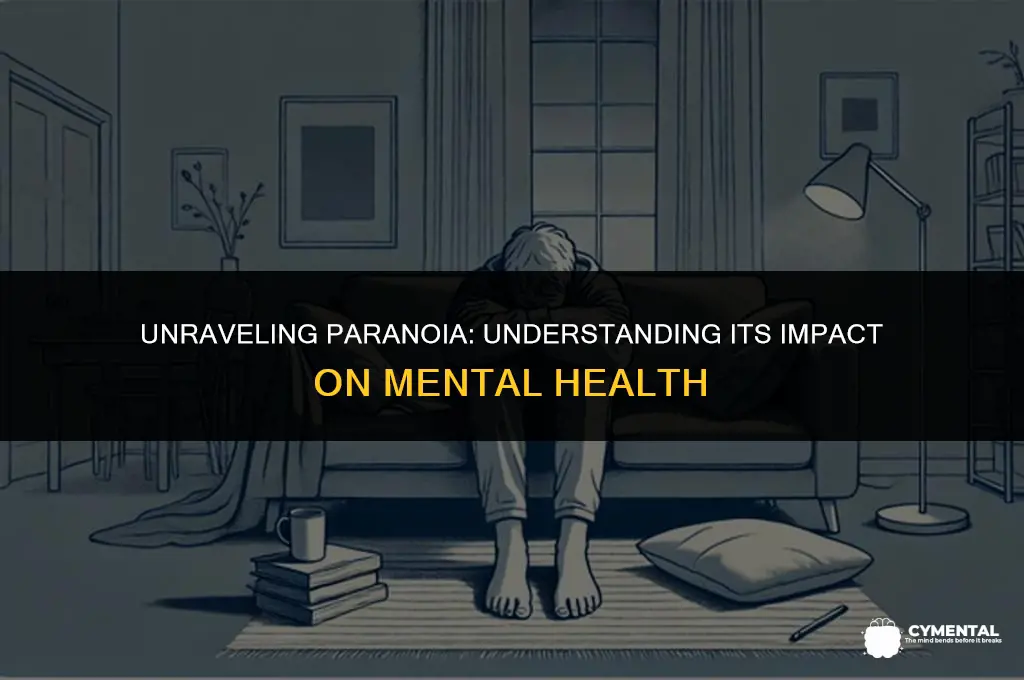
Paranoia, characterized by an excessive and irrational suspicion of others, is indeed a mental health issue often associated with various psychiatric conditions. It can manifest as a symptom of schizophrenia, bipolar disorder, or even severe depression. Individuals experiencing paranoia may have persistent, unfounded beliefs that they are being watched, persecuted, or harmed by others, which can significantly impact their daily functioning and social interactions. Understanding paranoia is crucial for mental health professionals to provide appropriate diagnosis and treatment, helping those affected to manage their symptoms and improve their quality of life.
| Characteristics | Values |
|---|---|
| Definition | Paranoia is a mental health issue characterized by an excessive and irrational suspicion or mistrust of others, often leading to delusions of persecution or conspiracy. |
| Symptoms | Common symptoms include persistent feelings of being watched, followed, or monitored; beliefs that others are plotting against or trying to harm the individual; difficulty trusting others; and a tendency to be easily offended or defensive. |
| Causes | Paranoia can be caused by various factors, including genetic predisposition, brain chemistry imbalances, traumatic experiences, chronic stress, substance abuse, and certain medical conditions affecting the brain. |
| Diagnosis | Diagnosis is typically made by a mental health professional through a combination of clinical interviews, psychological assessments, and sometimes medical tests to rule out other potential causes. |
| Treatment | Treatment often involves a combination of psychotherapy, such as cognitive-behavioral therapy, and medication, such as antipsychotics. Supportive care and social interventions may also be beneficial. |
| Prognosis | The prognosis varies depending on the severity of symptoms, the presence of co-occurring disorders, and the individual's response to treatment. With appropriate care, many people with paranoia can manage their symptoms and improve their quality of life. |
Explore related products


$19.11


What You'll Learn
- Definition and Symptoms: Understanding paranoia, its signs, and how it affects individuals
- Causes and Risk Factors: Exploring genetic, environmental, and psychological factors contributing to paranoia
- Diagnosis and Assessment: Methods used by mental health professionals to diagnose paranoid disorders
- Treatment Options: Therapies and medications available to manage and reduce paranoid symptoms
- Impact on Daily Life: How paranoia can influence relationships, work, and overall well-being

Definition and Symptoms: Understanding paranoia, its signs, and how it affects individuals
Paranoia is a mental health condition characterized by an excessive and irrational suspicion of others, often leading to a pervasive mistrust. It is a symptom commonly associated with various psychiatric disorders, including schizophrenia, bipolar disorder, and paranoid personality disorder. Individuals experiencing paranoia may have persistent, unfounded beliefs that others are plotting against them, watching them, or intending to harm them. These beliefs can be incredibly distressing and can significantly impact a person's daily functioning and social interactions.
The symptoms of paranoia can manifest in various ways. Some individuals may experience persecutory delusions, where they believe others are persecuting or conspiring against them. Others may have referential delusions, where they think that seemingly neutral events or comments are specifically directed at them. Paranoid thoughts can also lead to heightened vigilance, constant scanning of the environment for potential threats, and a tendency to misinterpret benign situations as dangerous.
Paranoia can affect individuals in numerous ways, interfering with their ability to form and maintain relationships, perform at work or school, and engage in everyday activities. It can lead to social isolation, as individuals may withdraw from others due to their mistrust. Paranoia can also result in increased anxiety, depression, and even suicidal thoughts in severe cases. Furthermore, it can impair cognitive functioning, particularly in areas such as attention, memory, and problem-solving.
Understanding the signs of paranoia is crucial for early detection and intervention. Some common signs include excessive suspicion, a preoccupation with perceived threats, a tendency to jump to conclusions without evidence, and a reluctance to confide in others. It is important to note that occasional paranoid thoughts are not uncommon and do not necessarily indicate a mental health issue. However, when these thoughts become persistent, pervasive, and interfere with daily life, it may be indicative of a more serious problem.
In conclusion, paranoia is a complex mental health issue that can have a profound impact on an individual's life. Recognizing the symptoms and understanding how they affect individuals is essential for providing appropriate support and treatment. By increasing awareness and promoting early intervention, we can help those struggling with paranoia to lead more fulfilling and productive lives.
Understanding Furry Fandom: Mental Health Stigma or Harmless Hobby?
You may want to see also
Explore related products


Causes and Risk Factors: Exploring genetic, environmental, and psychological factors contributing to paranoia
Paranoia, a condition characterized by an excessive and irrational suspicion of others, can stem from a complex interplay of genetic, environmental, and psychological factors. Research suggests that there may be a genetic predisposition to paranoid disorders, with certain genes potentially increasing an individual's vulnerability to developing paranoid symptoms. For instance, variations in genes involved in dopamine regulation and stress response have been implicated in the development of paranoia.
Environmental factors also play a significant role in the manifestation of paranoia. Traumatic experiences, such as physical or emotional abuse, bullying, or exposure to violence, can contribute to the development of paranoid thoughts and behaviors. Additionally, social isolation and marginalization can exacerbate feelings of paranoia, as individuals may feel disconnected from others and more prone to suspicious thinking.
Psychological factors, such as cognitive biases and personality traits, can further contribute to the development of paranoia. For example, individuals with a tendency towards negative thinking patterns or those who are more prone to anxiety and stress may be more likely to experience paranoid symptoms. Furthermore, certain personality disorders, such as schizoid personality disorder, can increase the risk of developing paranoia.
It is important to note that paranoia can also be a symptom of other mental health conditions, such as schizophrenia, bipolar disorder, or major depressive disorder. In these cases, the paranoia may be a manifestation of the underlying condition and may require targeted treatment approaches.
Understanding the causes and risk factors associated with paranoia is crucial for developing effective prevention and intervention strategies. By identifying individuals who may be at risk due to genetic, environmental, or psychological factors, mental health professionals can provide early support and treatment to help mitigate the impact of paranoid symptoms on an individual's life.
Supporting Mental Health in Kansas: Practical Ways to Help Loved Ones
You may want to see also
Explore related products


Diagnosis and Assessment: Methods used by mental health professionals to diagnose paranoid disorders
Mental health professionals employ a variety of methods to diagnose paranoid disorders, which are characterized by an excessive and irrational suspicion of others. The diagnostic process typically begins with a thorough clinical interview, during which the clinician assesses the patient's symptoms, medical history, and social functioning. This interview may include questions about the patient's beliefs, experiences, and behaviors, as well as their family history and any previous psychiatric treatments.
In addition to the clinical interview, mental health professionals may also use standardized assessment tools, such as the Minnesota Multiphasic Personality Inventory (MMPI) or the Structured Clinical Interview for DSM-5 (SCID-5), to gather more information about the patient's symptoms and personality traits. These tools can help clinicians identify patterns of thinking and behavior that are indicative of paranoid disorders.
Another important aspect of the diagnostic process is the mental status examination (MSE), which assesses the patient's cognitive functioning, emotional state, and overall mental health. The MSE may include tests of memory, attention, and problem-solving abilities, as well as an evaluation of the patient's mood, affect, and thought processes.
In some cases, mental health professionals may also use physical examinations or laboratory tests to rule out underlying medical conditions that could be contributing to the patient's symptoms. For example, thyroid dysfunction or vitamin deficiencies can sometimes cause symptoms that are similar to those of paranoid disorders.
Once the diagnostic process is complete, the clinician will use the information gathered to determine whether the patient meets the criteria for a paranoid disorder, as outlined in the Diagnostic and Statistical Manual of Mental Disorders (DSM-5). If a diagnosis is made, the clinician will then develop a treatment plan that is tailored to the patient's specific needs and circumstances. This plan may include psychotherapy, medication, or a combination of both, as well as recommendations for lifestyle changes and social support.
Navigating Interactions: Staying Safe Around Individuals Experiencing Delusions
You may want to see also
Treatment Options: Therapies and medications available to manage and reduce paranoid symptoms
Cognitive-behavioral therapy (CBT) is a frontline treatment for paranoia, focusing on identifying and challenging irrational thoughts and beliefs. Therapists work collaboratively with patients to develop coping strategies and improve social skills, often incorporating exposure therapy to gradually confront feared situations. For instance, a person with paranoid ideation about being followed might be encouraged to walk in public spaces with the therapist, challenging their beliefs in a controlled environment.
Medication can also play a crucial role in managing paranoid symptoms, particularly in cases where paranoia is a symptom of a broader mental health condition like schizophrenia or bipolar disorder. Antipsychotic medications such as olanzapine, risperidone, and quetiapine are commonly prescribed to reduce the intensity of paranoid delusions. These medications work by modulating dopamine and serotonin levels in the brain, which can help stabilize mood and reduce the severity of psychotic symptoms.
In addition to CBT and medication, other therapeutic approaches may be beneficial. Dialectical behavior therapy (DBT) can help individuals with paranoia develop emotional regulation skills and improve interpersonal relationships. Family therapy can also be valuable, educating relatives about the nature of paranoia and providing them with strategies to support their loved ones without exacerbating symptoms.
It's important to note that treatment for paranoia should be tailored to the individual's specific needs and circumstances. A comprehensive treatment plan may involve a combination of therapies and medications, along with lifestyle modifications such as regular exercise, a balanced diet, and stress management techniques. With the right support and interventions, many individuals with paranoid symptoms can experience significant improvement in their quality of life.
Is Jealousy a Mental Health Issue? Understanding Its Impact and Treatment
You may want to see also
Impact on Daily Life: How paranoia can influence relationships, work, and overall well-being
Paranoia can significantly impact an individual's daily life, affecting their relationships, work, and overall well-being. In relationships, paranoia can lead to mistrust and suspicion, causing tension and conflict with friends and family. This can result in social isolation and a breakdown of support networks, which are crucial for maintaining mental health. At work, paranoia can impair an individual's ability to collaborate with colleagues and trust their intentions, leading to decreased productivity and potential job loss. Furthermore, paranoia can also affect an individual's physical health, as the constant stress and anxiety can lead to sleep disturbances, poor appetite, and a weakened immune system.
One of the ways paranoia can influence relationships is through the development of trust issues. When an individual is paranoid, they may constantly question the motives and intentions of others, leading to a breakdown in communication and understanding. This can cause friends and family to distance themselves, as they may feel hurt or frustrated by the constant accusations and mistrust. In addition, paranoia can also lead to social anxiety, as individuals may avoid social situations for fear of being judged or persecuted.
In the workplace, paranoia can have a significant impact on an individual's ability to function effectively. Paranoid individuals may struggle to collaborate with colleagues, as they may believe that others are working against them or trying to sabotage their work. This can lead to decreased productivity and potential conflicts with coworkers or supervisors. In severe cases, paranoia can even result in job loss, as individuals may be unable to meet the demands of their job or maintain a professional demeanor.
The impact of paranoia on overall well-being can be profound. The constant stress and anxiety associated with paranoia can lead to a range of physical health problems, including sleep disturbances, poor appetite, and a weakened immune system. In addition, paranoia can also exacerbate existing mental health conditions, such as depression or anxiety disorders. This can create a vicious cycle, where the symptoms of paranoia worsen the individual's mental health, which in turn can lead to increased paranoia.
In conclusion, paranoia can have a significant impact on an individual's daily life, affecting their relationships, work, and overall well-being. It is important to recognize the signs of paranoia and seek professional help if necessary, as early intervention can help to mitigate the negative effects of this condition. By addressing paranoia, individuals can learn to rebuild trust, improve their relationships, and maintain a healthy and fulfilling life.
Supporting Loved Ones: Navigating Mental Health Challenges in Family Dynamics
You may want to see also
Frequently asked questions
Yes, paranoia is considered a mental health issue. It is a symptom of various psychiatric conditions, such as paranoid schizophrenia, paranoid personality disorder, and delusional disorder. Paranoia involves excessive and irrational suspicion or mistrust of others, which can significantly impact a person's daily life and relationships.
Common signs of paranoia include persistent and unfounded beliefs that others are trying to harm or deceive you, excessive suspicion of others' motives, and a tendency to misinterpret neutral or ambiguous situations as threatening. People experiencing paranoia may also exhibit behaviors such as social withdrawal, anxiety, and defensive or confrontational attitudes.
Paranoia is typically treated with a combination of psychotherapy and medication. Cognitive-behavioral therapy (CBT) is often used to help individuals identify and challenge their paranoid thoughts and beliefs. Medications such as antipsychotics may be prescribed to alleviate symptoms of paranoia, especially in cases where the paranoia is severe or accompanied by other psychiatric symptoms. Treatment plans are tailored to the individual's specific needs and may involve ongoing support and monitoring to manage symptoms effectively.