Noah Parker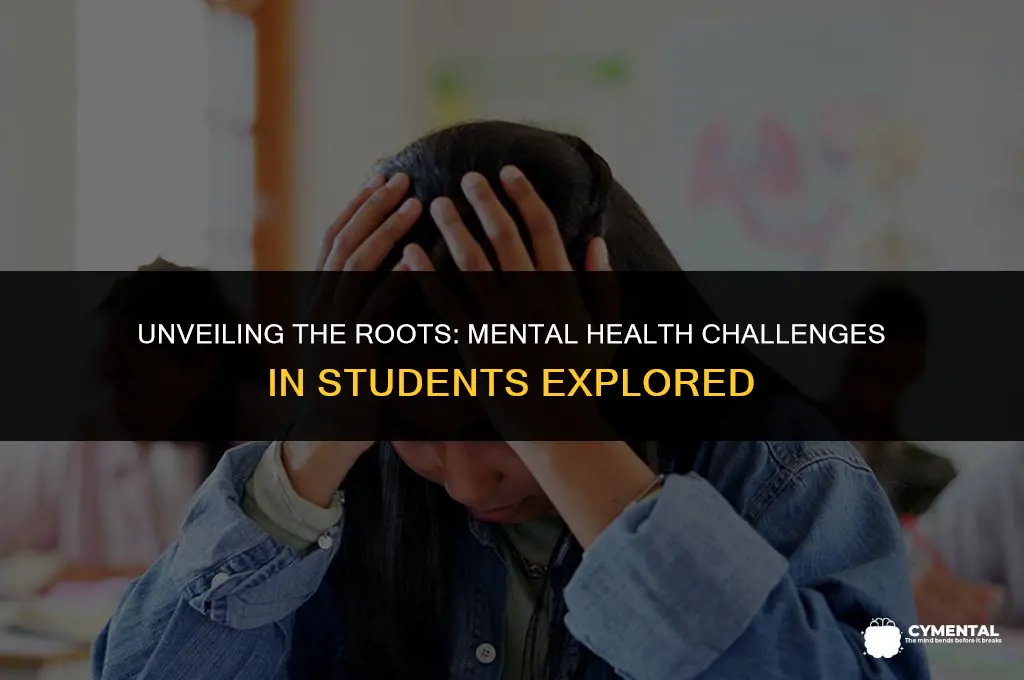
Mental health issues in students are a growing concern worldwide, with various factors contributing to their prevalence. Academic pressure, social media influence, and the transition to a new phase of life are some of the primary causes. Additionally, lack of sleep, poor diet, and inadequate physical activity can exacerbate these issues. It is essential to address these concerns to ensure the well-being of students and provide them with the necessary support to thrive in their academic and personal lives.
Explore related products


What You'll Learn
- Academic Pressure: High expectations, rigorous workloads, and the stress of achieving good grades can contribute to mental health issues
- Social Media Influence: Excessive use of social media can lead to feelings of isolation, anxiety, and depression in students
- Bullying and Cyberbullying: Being a victim of bullying, either in person or online, can have severe negative effects on a student's mental health
- Lack of Sleep: Insufficient sleep due to busy schedules or poor sleep habits can exacerbate mental health problems in students
- Family and Relationship Issues: Problems at home, such as parental conflict or strained relationships, can impact a student's mental well-being

Academic Pressure: High expectations, rigorous workloads, and the stress of achieving good grades can contribute to mental health issues
The relentless pursuit of academic excellence can exact a heavy toll on students' mental well-being. High expectations from parents, educators, and society at large create an environment where students feel compelled to excel, often at the expense of their mental health. This pressure is further exacerbated by rigorous workloads that leave little room for relaxation or self-care. Students are often bombarded with assignments, projects, and exams, each demanding a significant portion of their time and energy. The cumulative effect of these demands can lead to chronic stress, anxiety, and even depression.
The stress of achieving good grades is another significant contributor to mental health issues in students. The emphasis on grades as a measure of success creates a high-stakes environment where students feel that their entire future hinges on their academic performance. This can lead to unhealthy coping mechanisms, such as excessive studying, sleep deprivation, and the use of stimulants or other substances to enhance focus and productivity. These behaviors, while seemingly beneficial in the short term, can have long-term negative consequences for mental health.
Moreover, the pressure to succeed academically can also lead to feelings of inadequacy and low self-esteem. Students who struggle to meet the high expectations placed upon them may feel as though they are not good enough, leading to a negative self-image and a lack of confidence in their abilities. This can further exacerbate mental health issues, as students may become increasingly withdrawn and isolated, afraid to seek help or support.
To mitigate the effects of academic pressure on mental health, it is essential to adopt a more holistic approach to education. This includes recognizing the importance of self-care, providing students with adequate support and resources, and fostering an environment that values well-being alongside academic achievement. By doing so, we can help students navigate the challenges of academic life while maintaining their mental health and overall well-being.
Biden's Mental Health: Fact-Checking Concerns and Political Narratives
You may want to see also
Explore related products




Social Media Influence: Excessive use of social media can lead to feelings of isolation, anxiety, and depression in students
Social media platforms have become an integral part of students' lives, offering a space for connection, information, and entertainment. However, excessive use of these platforms can have detrimental effects on mental health, leading to feelings of isolation, anxiety, and depression. Research indicates that the constant comparison to peers' curated online lives can foster a sense of inadequacy and low self-esteem, particularly in adolescents.
One significant factor contributing to these negative outcomes is the phenomenon of 'social media addiction.' Students may find themselves compulsively checking their devices, sacrificing time that could be spent on academic work, physical activities, or face-to-face social interactions. This addiction can disrupt sleep patterns, further exacerbating feelings of fatigue and irritability, which are common precursors to depression.
Moreover, the pressure to present an idealized version of oneself online can lead to a loss of authenticity and increased anxiety. Students may feel compelled to conform to certain standards or trends, suppressing their true identities and interests. This dissonance between their online personas and real-life selves can result in heightened stress levels and a diminished sense of self-worth.
To mitigate these risks, it is essential for students to develop healthy social media habits. This includes setting boundaries for usage, engaging in offline activities, and cultivating genuine relationships. Educators and parents also play a crucial role in promoting digital literacy and encouraging balanced lifestyles. By fostering awareness of the potential pitfalls of excessive social media use, we can help students navigate this digital landscape more effectively, safeguarding their mental well-being.
Homicidal Tendencies: Unraveling the Mental Health Connection and Implications
You may want to see also
Explore related products


Bullying and Cyberbullying: Being a victim of bullying, either in person or online, can have severe negative effects on a student's mental health
Bullying and cyberbullying are pervasive issues that significantly impact the mental health of students. The advent of technology has expanded the avenues through which bullying can occur, making it essential to address both traditional in-person bullying and its online counterpart. Research indicates that victims of bullying are more likely to experience anxiety, depression, and other mental health disorders. The constant fear of being targeted can lead to social withdrawal, decreased academic performance, and even suicidal ideation.
One of the primary causes of bullying is the imbalance of power between the bully and the victim. Bullies often target individuals who they perceive as weaker or more vulnerable. In the context of cyberbullying, the anonymity provided by the internet can embolden bullies, making it easier for them to harass their victims without fear of immediate consequences. Additionally, the 24/7 nature of online platforms means that victims can be subjected to bullying at any time, leading to a sense of inescapability.
To effectively address bullying and cyberbullying, it is crucial to implement comprehensive prevention and intervention strategies. Schools can play a pivotal role by creating safe and supportive environments, promoting empathy and respect among students, and providing resources for those who have been bullied. Parents and caregivers should also be vigilant, monitoring their children's online activities and encouraging open communication about any experiences of bullying.
Furthermore, educating students about the impact of bullying and cyberbullying on mental health can help to foster a culture of kindness and empathy. By promoting digital literacy and responsible online behavior, we can empower students to become active participants in creating a safer and more inclusive environment for all.
Justin Bieber's Mental Health: Unraveling the Truth Behind the Struggles
You may want to see also
Explore related products


$12.92 $20


Lack of Sleep: Insufficient sleep due to busy schedules or poor sleep habits can exacerbate mental health problems in students
Chronic sleep deprivation is a pervasive issue among students, significantly impacting their mental health. Research indicates that insufficient sleep can lead to increased symptoms of depression, anxiety, and stress. For students, the demands of academic life, extracurricular activities, and social commitments often result in compromised sleep schedules. This lack of sleep can create a vicious cycle, where mental health issues worsen, further disrupting sleep patterns.
One of the primary reasons for sleep deprivation in students is the pressure to perform academically. Long nights spent studying for exams or completing assignments can lead to a chronic state of sleep loss. Additionally, the use of electronic devices before bedtime, such as smartphones and laptops, can interfere with the body's natural sleep-wake cycle, making it harder for students to fall asleep and stay asleep.
Poor sleep habits, such as irregular bedtimes and inadequate sleep environments, can also contribute to sleep deprivation. Students living in dormitories or shared accommodations may face challenges in maintaining a consistent sleep schedule due to noise and other disturbances. Furthermore, consuming caffeine and energy drinks to stay awake during study sessions can have long-lasting effects on sleep quality.
The consequences of sleep deprivation on mental health are well-documented. Studies have shown that sleep loss can impair cognitive function, mood regulation, and emotional resilience. This can lead to increased feelings of irritability, difficulty concentrating, and a heightened risk of developing mental health disorders. Addressing sleep issues is crucial in promoting overall well-being and academic success in students.
To combat sleep deprivation, students can adopt several strategies. Establishing a regular sleep schedule, creating a conducive sleep environment, and practicing good sleep hygiene are essential steps. Limiting screen time before bed, avoiding caffeine and alcohol, and engaging in relaxation techniques such as meditation or deep breathing exercises can also help improve sleep quality. Seeking support from school counselors or healthcare professionals is advisable for students struggling with persistent sleep problems.
In conclusion, lack of sleep is a significant contributor to mental health issues in students. By understanding the causes and consequences of sleep deprivation, and implementing effective sleep management strategies, students can better safeguard their mental health and academic performance.
Supporting Educators: Strategies for Teachers Managing Mental Health Challenges
You may want to see also
Explore related products


Family and Relationship Issues: Problems at home, such as parental conflict or strained relationships, can impact a student's mental well-being
Problems at home can significantly impact a student's mental well-being. Parental conflict, for instance, can create a stressful environment that affects a child's ability to concentrate and learn. When parents argue frequently, children may feel anxious, insecure, and helpless, leading to a decline in their academic performance and overall happiness.
Strained relationships with family members can also contribute to mental health issues in students. A lack of emotional support from parents or siblings can make students feel isolated and misunderstood. This emotional distance can exacerbate feelings of loneliness and depression, making it difficult for students to cope with the pressures of school life.
Moreover, family dynamics can influence a student's self-esteem and confidence. Criticism, neglect, or unrealistic expectations from parents can lead to a negative self-image, causing students to doubt their abilities and feel inadequate. This can result in a fear of failure, avoidance of challenges, and a reluctance to seek help when needed.
To mitigate these issues, it's essential for parents to be aware of their behavior and its impact on their children. Seeking counseling or therapy can help families address underlying conflicts and improve communication. Parents should also strive to provide a stable and supportive home environment, where children feel safe to express their feelings and concerns.
In addition, schools can play a crucial role in supporting students affected by family and relationship issues. Teachers and counselors can offer guidance, resources, and a listening ear to help students navigate their challenges. By fostering a positive and inclusive school culture, educators can help students build resilience and develop healthy coping mechanisms to deal with problems at home.
Exploring Neurodivergence: A Mental Health Perspective
You may want to see also
Frequently asked questions
Common causes include academic pressure, social isolation, lack of sleep, and financial stress. These factors can contribute to anxiety, depression, and other mental health concerns.
Social media can have both positive and negative effects. While it can provide a platform for connection and support, excessive use can lead to feelings of inadequacy, cyberbullying, and increased anxiety.
The educational environment can significantly impact student mental health. Factors such as the availability of mental health resources, the quality of teacher-student relationships, and the overall school climate can either exacerbate or mitigate mental health issues.
Parents and educators can support students' mental health by fostering open communication, encouraging healthy coping mechanisms, and advocating for access to mental health services. They can also help create a supportive and inclusive school environment that promotes well-being.