Harper Lewis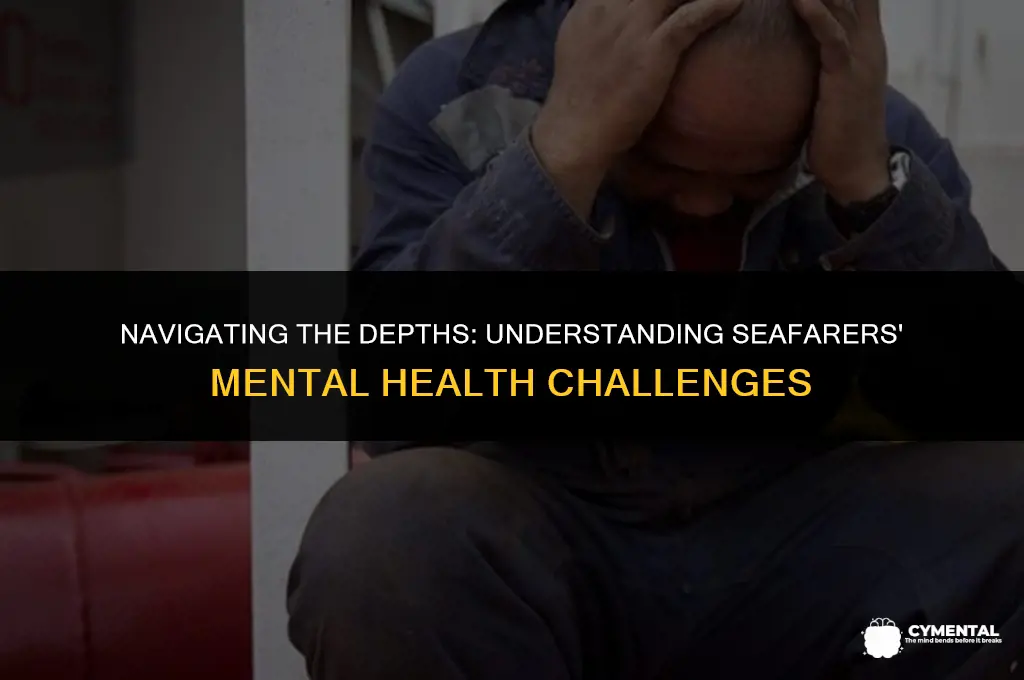
Seafarers often face a unique set of mental and psychological challenges due to the nature of their work. Long periods of isolation at sea, coupled with the constant motion of the vessel and the unpredictable nature of the ocean, can lead to a range of issues. Common problems include anxiety, depression, and stress-related disorders. The lack of social interaction and support networks can exacerbate these conditions, making it difficult for seafarers to cope. Additionally, the physical demands of the job, such as long hours and heavy lifting, can contribute to fatigue and burnout. It is essential for the maritime industry to address these issues and provide adequate support and resources for the mental health and well-being of seafarers.
Explore related products


$9.99 $18


What You'll Learn
- Isolation and Loneliness: Seafarers often experience prolonged periods of isolation, leading to feelings of loneliness and disconnection
- Stress and Anxiety: The demanding nature of seafaring work, combined with long hours and harsh conditions, can contribute to high levels of stress and anxiety
- Depression: The isolation, stress, and monotony of seafaring life can increase the risk of depression among seafarers
- Sleep Disorders: Irregular work schedules, noise, and confined living quarters can disrupt sleep patterns, leading to sleep disorders
- Substance Abuse: Some seafarers may turn to substance abuse as a coping mechanism for the stress and isolation they experience

Isolation and Loneliness: Seafarers often experience prolonged periods of isolation, leading to feelings of loneliness and disconnection
Seafarers often find themselves in a unique predicament, spending extended periods away from land and loved ones. This isolation can lead to profound feelings of loneliness and disconnection, significantly impacting their mental well-being. Unlike other professions that may involve temporary stints of solitude, seafaring demands a prolonged commitment to being at sea, sometimes for months on end. This extended separation from family, friends, and familiar surroundings can create a deep sense of isolation, making it challenging for seafarers to maintain strong social connections.
The psychological effects of this isolation can be severe. Research has shown that prolonged loneliness can lead to increased levels of stress, anxiety, and depression. Seafarers may also experience a sense of detachment from their life on land, feeling out of touch with the world and the people they care about. This disconnection can be exacerbated by the limited communication options available at sea, with internet access and phone calls often being unreliable or expensive.
Furthermore, the working environment on ships can contribute to feelings of loneliness. The close quarters and demanding work schedules can create a sense of claustrophobia, while the transient nature of the job means that seafarers often have to say goodbye to colleagues and friends they've made on board. This constant flux of relationships can make it difficult to form lasting connections, adding to the overall sense of isolation.
To mitigate these effects, it's essential for seafarers to have access to support systems and resources that can help them cope with the challenges of isolation. This may include mental health services, social support networks, and opportunities for regular communication with loved ones. Additionally, ship operators can play a crucial role by fostering a positive and supportive work environment, encouraging camaraderie among crew members, and providing opportunities for leisure and relaxation.
In conclusion, the isolation and loneliness experienced by seafarers are significant issues that can have a profound impact on their mental health and overall well-being. Addressing these challenges requires a multifaceted approach that includes access to mental health resources, social support, and a positive work environment. By taking these steps, we can help ensure that seafarers are better equipped to cope with the unique demands of their profession.
Understanding Fear: Is It a Mental Health Concern or Normal Emotion?
You may want to see also
Explore related products




Stress and Anxiety: The demanding nature of seafaring work, combined with long hours and harsh conditions, can contribute to high levels of stress and anxiety
Seafarers often find themselves in a unique and challenging work environment, where the combination of demanding tasks, long hours, and harsh living conditions can significantly impact their mental health. Stress and anxiety are prevalent issues among those in the maritime industry, and it's crucial to understand the specific factors contributing to these conditions.
One of the primary sources of stress for seafarers is the isolation and confinement experienced during long voyages. Being away from family and friends for extended periods can lead to feelings of loneliness and disconnection, which can exacerbate anxiety. Additionally, the close quarters and limited personal space on ships can create tension and conflict among crew members, further contributing to a stressful atmosphere.
The physical demands of seafaring work also play a significant role in the development of stress and anxiety. Seafarers often work long hours in physically challenging conditions, such as rough seas or extreme weather. This can lead to fatigue, which in turn can increase the likelihood of accidents and injuries. The constant pressure to perform physically demanding tasks, combined with the fear of potential hazards, can create a sense of unease and anxiety among seafarers.
Moreover, the uncertainty and unpredictability of life at sea can contribute to high levels of stress. Seafarers may face unexpected changes in their work schedules, sudden alterations in travel plans, or unforeseen challenges related to cargo or equipment. This lack of control and predictability can lead to feelings of helplessness and anxiety.
To address these issues, it's essential for the maritime industry to prioritize the mental health and well-being of seafarers. This can include providing access to counseling services, implementing stress management programs, and ensuring that seafarers have adequate rest and leisure time. Additionally, creating a supportive and inclusive work environment, where seafarers feel valued and respected, can help to mitigate the negative effects of stress and anxiety.
In conclusion, the demanding nature of seafaring work, combined with long hours and harsh conditions, can contribute to high levels of stress and anxiety among seafarers. It's crucial to recognize these challenges and take proactive steps to support the mental health and well-being of those in the maritime industry. By doing so, we can help to ensure that seafarers are able to perform their duties safely and effectively, while also maintaining their overall health and happiness.
Navigating Ethical Dilemmas in Mental Health Care: A Comprehensive Guide
You may want to see also
Explore related products


$11.47 $14.99



Depression: The isolation, stress, and monotony of seafaring life can increase the risk of depression among seafarers
Seafarers often face a unique set of challenges that can significantly impact their mental health. The isolation, stress, and monotony of life at sea can create a perfect storm for depression to develop. Long periods away from family and friends, coupled with the demanding nature of maritime work, can lead to feelings of loneliness and disconnection.
Research has shown that seafarers are at a higher risk of developing depression compared to the general population. A study published in the Journal of Occupational Health found that 25% of seafarers experienced depressive symptoms, with 10% meeting the criteria for major depressive disorder. These statistics highlight the need for greater awareness and support for the mental health of seafarers.
The risk factors for depression among seafarers are multifaceted. In addition to isolation and stress, factors such as poor living conditions, lack of access to mental health services, and the stigma associated with seeking help can all contribute to the development of depression. Furthermore, the unpredictable nature of seafaring work, with its irregular schedules and long hours, can disrupt the body's natural rhythms and exacerbate feelings of fatigue and hopelessness.
To mitigate the risk of depression, it is essential for seafarers to have access to adequate support and resources. This includes access to mental health professionals, peer support groups, and educational materials on mental health and well-being. Additionally, efforts should be made to improve living conditions on board ships, such as providing comfortable accommodations and recreational facilities, to help alleviate the stress and monotony of seafaring life.
In conclusion, depression is a significant concern for seafarers, and it is crucial that steps are taken to address this issue. By increasing awareness, providing support, and improving living conditions, we can help to reduce the risk of depression and promote the mental health and well-being of those who work at sea.
Approaching Mental Health Conversations: Compassionate Strategies for Supportive Connections
You may want to see also
Explore related products

$17.87 $20.99


Sleep Disorders: Irregular work schedules, noise, and confined living quarters can disrupt sleep patterns, leading to sleep disorders
Seafarers often face unique challenges that can significantly impact their mental and psychological well-being. One of the most prevalent issues is sleep disorders, which can arise from the demanding nature of their work environment. Irregular work schedules, constant noise, and confined living quarters can disrupt sleep patterns, leading to a range of sleep-related problems.
The disruption of sleep patterns can manifest in various ways, including insomnia, hypersomnia, and sleep apnea. Insomnia, characterized by difficulty falling asleep or staying asleep, is particularly common among seafarers due to the irregularity of their work hours. This can lead to chronic sleep deprivation, which in turn can affect cognitive function, mood, and overall health. Hypersomnia, or excessive daytime sleepiness, can also be a problem, as seafarers may find it difficult to stay awake during long shifts. Sleep apnea, a condition in which breathing stops and starts during sleep, can be exacerbated by the confined spaces and noise on board ships.
These sleep disorders can have serious consequences for seafarers. Chronic sleep deprivation can impair judgment, reaction time, and decision-making abilities, which are critical for safe and effective performance at sea. Sleep disorders can also contribute to the development of other mental health issues, such as anxiety and depression. Furthermore, the physical health of seafarers can be compromised, as sleep disorders have been linked to a range of health problems, including cardiovascular disease, obesity, and diabetes.
To address these issues, it is essential for seafarers to prioritize their sleep health. This can involve establishing a consistent sleep schedule, creating a sleep-conducive environment, and practicing good sleep hygiene. Employers can also play a role by providing adequate rest periods, minimizing noise levels, and ensuring that living quarters are comfortable and conducive to sleep. Additionally, seafarers may benefit from seeking professional help if they are experiencing persistent sleep problems.
In conclusion, sleep disorders are a significant concern for seafarers, given the unique challenges of their work environment. By understanding the causes and consequences of these disorders, and taking steps to prioritize sleep health, seafarers can better protect their mental and physical well-being.
Memory Loss and Mental Health: Understanding the Complex Connection
You may want to see also
Explore related products


Substance Abuse: Some seafarers may turn to substance abuse as a coping mechanism for the stress and isolation they experience
Substance abuse is a significant concern among seafarers, who often face unique stressors such as long periods of isolation, demanding work schedules, and the challenges of living in confined spaces. These factors can contribute to a higher risk of developing substance abuse disorders compared to the general population.
One of the primary reasons seafarers may turn to substance abuse is as a coping mechanism for stress. The maritime industry is known for its high-pressure environment, with seafarers often working long hours in physically demanding conditions. The use of substances such as alcohol, drugs, or tobacco can provide a temporary escape from these stressors, offering a sense of relaxation or relief.
Isolation is another major factor contributing to substance abuse among seafarers. Spending extended periods away from family, friends, and familiar surroundings can lead to feelings of loneliness and disconnection. Substances may be used as a way to alleviate these feelings, providing a sense of comfort or companionship in the absence of social support.
The confined living quarters on ships can also exacerbate substance abuse issues. With limited space and privacy, seafarers may feel trapped or claustrophobic, leading to increased stress and anxiety. Substances may be used as a way to cope with these feelings, providing a temporary escape from the confines of the ship.
Addressing substance abuse among seafarers requires a multifaceted approach. Education and awareness programs can help seafarers understand the risks and consequences of substance abuse, while providing them with healthier coping mechanisms for stress and isolation. Access to mental health services and support groups can also be crucial in helping seafarers overcome substance abuse disorders.
In conclusion, substance abuse is a complex issue among seafarers, influenced by factors such as stress, isolation, and confined living conditions. By addressing these underlying causes and providing seafarers with the necessary support and resources, it is possible to reduce the prevalence of substance abuse in the maritime industry.
Exploring the Roots of Mental Health Challenges in College Life
You may want to see also
Frequently asked questions
Seafarers often experience stress, anxiety, depression, and loneliness due to long periods at sea, isolation from family and friends, and the demanding nature of their work.
The lifestyle of seafarers, characterized by extended periods away from home, irregular sleep patterns, and limited social interaction, can negatively impact their psychological well-being, leading to increased rates of mental health issues.
Seafarers have access to various support systems, including onboard counseling services, telemedicine, and mental health hotlines. Additionally, many maritime organizations offer resources and assistance for seafarers dealing with mental health challenges.
Seafarers can cope with stress and isolation by maintaining regular communication with family and friends, engaging in physical exercise and hobbies, practicing relaxation techniques such as meditation, and seeking support from onboard resources or mental health professionals.
Untreated mental health issues in seafarers can lead to chronic conditions, impaired job performance, increased risk of accidents, and even suicidal ideation. It is crucial for seafarers to seek help and support to address their mental health concerns effectively.