Ava Ramirez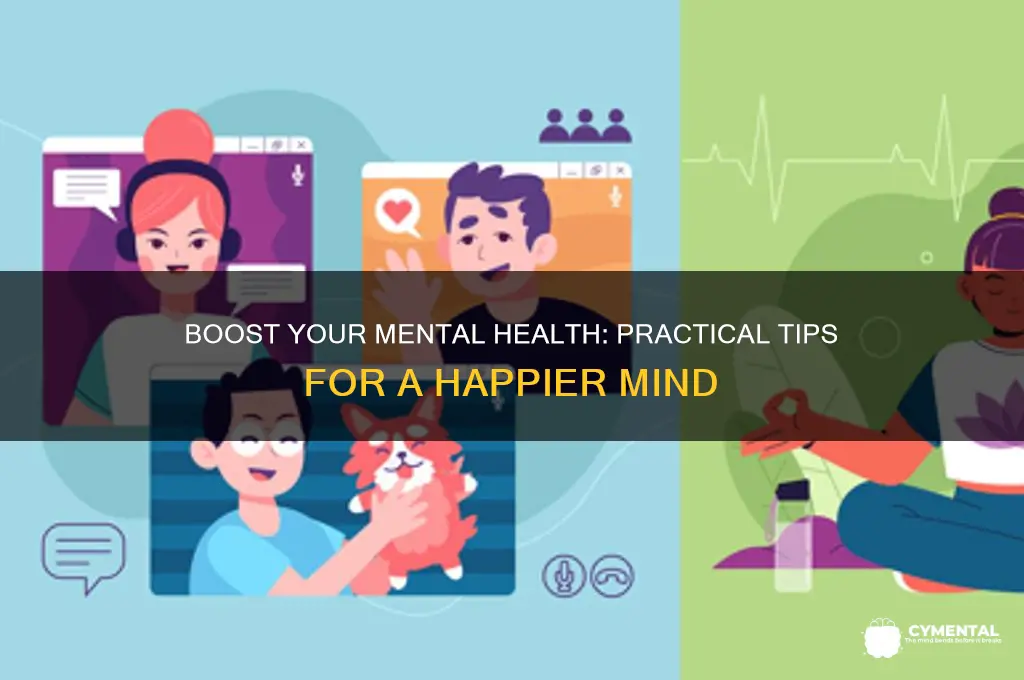
Taking care of your mental health is essential for overall well-being, and there are numerous strategies that can contribute to a healthier mindset. Engaging in regular physical exercise, such as walking, yoga, or team sports, has been proven to reduce stress and improve mood by releasing endorphins. Establishing a consistent sleep schedule and creating a relaxing bedtime routine can significantly enhance the quality of rest, which is crucial for emotional resilience. Mindfulness practices, including meditation and deep-breathing exercises, can help manage anxiety and promote a sense of calm. Building a strong support network by maintaining relationships with friends, family, or joining support groups provides a safe space to share feelings and gain perspective. Additionally, setting realistic goals, practicing gratitude, and seeking professional help when needed are all effective ways to nurture and strengthen your mental health.
| Characteristics | Values |
|---|---|
| Physical Activity | Regular exercise (e.g., walking, yoga, strength training) reduces stress, anxiety, and depression, and improves mood. |
| Healthy Diet | Consuming nutrient-rich foods (fruits, vegetables, whole grains, lean proteins) supports brain health and stabilizes mood. |
| Adequate Sleep | 7-9 hours of quality sleep per night improves emotional regulation and cognitive function. |
| Mindfulness & Meditation | Practices like mindfulness, meditation, and deep breathing reduce anxiety and improve focus. |
| Social Connections | Maintaining strong relationships and social support networks enhances emotional well-being. |
| Time in Nature | Spending time outdoors (e.g., parks, forests) reduces stress and improves mental clarity. |
| Limit Screen Time | Reducing time on social media and screens minimizes anxiety and improves sleep quality. |
| Therapy & Counseling | Professional support (e.g., CBT, talk therapy) addresses mental health issues effectively. |
| Hobbies & Creativity | Engaging in hobbies (e.g., art, music, writing) provides a sense of purpose and relaxation. |
| Hydration | Staying hydrated supports cognitive function and overall mental health. |
| Avoid Substance Abuse | Limiting alcohol, drugs, and caffeine reduces anxiety and depression risks. |
| Goal Setting | Setting achievable goals provides a sense of direction and accomplishment. |
| Gratitude Practice | Regularly acknowledging gratitude improves mood and reduces stress. |
| Consistent Routine | A structured daily routine provides stability and reduces anxiety. |
| Self-Compassion | Treating oneself with kindness and understanding fosters resilience and emotional health. |
Explore related products


What You'll Learn
- Exercise Regularly: Physical activity boosts mood, reduces stress, and improves overall mental well-being
- Mindfulness Practices: Meditation, deep breathing, and yoga calm the mind and enhance focus
- Healthy Sleep Habits: Consistent sleep schedules and routines support emotional and mental stability
- Social Connections: Building and maintaining relationships fosters a sense of belonging and support
- Balanced Nutrition: Eating nutrient-rich foods positively impacts brain function and mental clarity

Exercise Regularly: Physical activity boosts mood, reduces stress, and improves overall mental well-being
Regular physical activity is a powerful tool for enhancing mental health, yet it’s often overlooked in favor of therapy or medication. Studies show that just 30 minutes of moderate exercise, such as brisk walking or cycling, five days a week, can significantly reduce symptoms of depression and anxiety. This isn't about becoming a fitness guru; it’s about consistency. Even short bursts of activity, like a 10-minute dance session or a quick jog, can trigger the release of endorphins, the brain’s natural mood lifters. For those who feel overwhelmed by the idea of starting, begin small—a daily walk or gentle stretching can be a stepping stone to more structured routines.
The science behind exercise’s impact on mental health is compelling. Physical activity increases blood flow to the brain, promoting the growth of new neurons and improving cognitive function. It also reduces levels of cortisol, the stress hormone, while boosting serotonin and dopamine, neurotransmitters linked to happiness and motivation. For older adults, low-impact exercises like swimming or yoga not only improve mental well-being but also enhance balance and flexibility, reducing the risk of falls. Teenagers and young adults, who often face academic and social pressures, can benefit from team sports or high-intensity interval training (HIIT), which combine physical exertion with social interaction.
Incorporating exercise into daily life doesn’t require a gym membership or expensive equipment. Simple activities like taking the stairs instead of the elevator, gardening, or even vigorous housecleaning count. For those who enjoy structure, apps like Couch to 5K or YouTube workout videos offer guided routines tailored to all fitness levels. Group classes, whether in-person or virtual, provide accountability and a sense of community, which can further enhance mental health. The key is to choose activities that align with personal interests and lifestyle, making exercise feel less like a chore and more like a rewarding habit.
However, it’s crucial to approach exercise with mindfulness, especially for individuals with pre-existing mental health conditions. Overexertion or setting unrealistic goals can lead to burnout or increased stress. Start with manageable durations and intensities, gradually increasing as stamina improves. Consulting a healthcare provider before beginning a new exercise regimen is advisable, particularly for those with chronic illnesses or injuries. Remember, the goal isn’t perfection but progress—celebrating small victories along the way can reinforce the positive impact of physical activity on mental well-being.
Ultimately, exercise is not a cure-all, but it’s a versatile and accessible strategy for supporting mental health. Its benefits extend beyond mood enhancement, improving sleep quality, boosting self-esteem, and fostering resilience to life’s challenges. By making physical activity a regular part of one’s routine, individuals can cultivate a healthier mind-body connection, paving the way for long-term well-being. Whether it’s a morning jog, an evening yoga session, or a weekend hike, every step counts in the journey toward better mental health.
Healing and Empowerment: Supporting Women After Mental Abuse
You may want to see also
Explore related products


Mindfulness Practices: Meditation, deep breathing, and yoga calm the mind and enhance focus
The human mind is a restless entity, often racing with thoughts that can overwhelm and distract. Mindfulness practices offer a sanctuary, a way to anchor oneself in the present and cultivate a sense of calm. Among these, meditation, deep breathing, and yoga stand out as powerful tools to quiet mental noise and sharpen focus. Each practice, though distinct, converges on a common goal: to harmonize the mind and body, fostering mental clarity and emotional balance.
Consider meditation, the cornerstone of mindfulness. It is not about emptying the mind but observing thoughts without judgment. Start with just 5–10 minutes daily, sitting comfortably with eyes closed. Focus on your breath, noticing its rhythm. When thoughts wander—as they inevitably will—gently redirect your attention. Research suggests that consistent practice, even for beginners, can reduce symptoms of anxiety and depression. Apps like Headspace or Calm provide guided sessions tailored to various needs, making it accessible for all ages, from teenagers to seniors.
Deep breathing, often overlooked, is a simple yet potent technique. The 4-7-8 method, for instance, involves inhaling for 4 seconds, holding for 7, and exhaling for 8. This pattern activates the parasympathetic nervous system, promoting relaxation. Incorporate this into your routine during moments of stress or before bed to improve sleep quality. Unlike meditation, deep breathing requires no quiet space, making it ideal for busy environments like offices or public transport. Its immediacy and ease make it a go-to tool for instant mental reset.
Yoga bridges physical movement with mindfulness, offering a holistic approach to mental health. Poses like Child’s Pose or Downward Dog combine stretching with breath control, reducing cortisol levels and enhancing focus. A 30-minute session, even twice a week, can yield noticeable benefits. For those new to yoga, online platforms like Yoga with Adriene offer beginner-friendly routines. Unlike meditation or breathing, yoga engages the body, making it particularly effective for individuals who find stillness challenging.
While these practices are accessible, they are not one-size-fits-all. Meditation may feel frustrating for those with racing thoughts, and yoga might be physically demanding for some. Start small, adapt to your needs, and be patient. Combining these practices—say, deep breathing before meditation or yoga—can amplify their effects. The key is consistency, not perfection. Over time, these mindfulness practices can transform how you navigate stress, sharpen your focus, and nurture your mental well-being.
Supporting Mental Health: Practical Ways to Help People Thrive Daily
You may want to see also
Explore related products



Healthy Sleep Habits: Consistent sleep schedules and routines support emotional and mental stability
Sleep is the cornerstone of mental health, yet it’s often the first thing sacrificed in our fast-paced lives. Research shows that adults who maintain a consistent sleep schedule—going to bed and waking up at the same time daily—report lower levels of anxiety and depression. This isn’t just about logging 7–9 hours; it’s about synchronizing your body’s internal clock, or circadian rhythm, which regulates mood, energy, and cognitive function. When this rhythm is disrupted, cortisol (the stress hormone) spikes, and neurotransmitters like serotonin (the "feel-good" chemical) dip, leaving you emotionally vulnerable.
To build a sleep routine that stabilizes your mental health, start with small, actionable steps. First, set a bedtime alarm 30 minutes before your desired sleep time to signal your brain it’s time to wind down. During this period, avoid screens—blue light suppresses melatonin production—and instead engage in calming activities like reading, journaling, or practicing deep breathing exercises. For example, the 4-7-8 breathing technique (inhale for 4 seconds, hold for 7, exhale for 8) can reduce stress and prepare your body for rest. Consistency is key; even on weekends, aim to stay within an hour of your regular sleep and wake times.
One often-overlooked aspect of sleep hygiene is the environment. Your bedroom should be a sanctuary for rest: cool (60–67°F), dark (use blackout curtains or an eye mask), and quiet (or with white noise). Invest in a comfortable mattress and pillows, and reserve your bed for sleep and intimacy only—no work, scrolling, or binge-watching. For those struggling with racing thoughts, try a weighted blanket, which mimics the sensation of a gentle hug and has been shown to reduce anxiety and improve sleep quality in some individuals.
Compare this to irregular sleep patterns, which can exacerbate mental health issues. A study published in *The Lancet Psychiatry* found that individuals with inconsistent sleep schedules were twice as likely to develop depressive symptoms over time. The takeaway? Sleep isn’t a luxury; it’s a non-negotiable pillar of mental wellness. By prioritizing it, you’re not just resting—you’re actively fortifying your emotional resilience.
Finally, if you’ve tried these strategies and still struggle, consult a healthcare professional. Conditions like insomnia or sleep apnea may require targeted interventions, such as cognitive-behavioral therapy for insomnia (CBT-I) or a sleep study. Remember, healthy sleep habits aren’t about perfection but progress. Start tonight—your mind will thank you tomorrow.
Activities Empowering Mental Disability: Enhancing Lives Through Engagement and Support
You may want to see also
Explore related products




Social Connections: Building and maintaining relationships fosters a sense of belonging and support
Human beings are inherently social creatures, wired to seek connection and thrive in community. This isn't just a feel-good notion; research consistently shows that strong social connections are a cornerstone of good mental health. Loneliness, on the other hand, can be as detrimental to health as smoking 15 cigarettes a day, increasing the risk of depression, anxiety, and even physical ailments like heart disease.
Building and maintaining relationships isn't always easy. It requires effort, vulnerability, and a willingness to invest time. Think of it like tending a garden – it needs regular watering, sunlight, and care to flourish. Start small: reach out to a friend you haven't spoken to in a while, join a club or group aligned with your interests, or simply strike up a conversation with a neighbor. Even brief, positive interactions can boost oxytocin, the "love hormone" associated with bonding and trust.
Aim for quality over quantity. Deep, meaningful connections with a few individuals often provide more support than a large network of superficial acquaintances. Be present, listen actively, and show genuine interest in others. Vulnerability is key – sharing your own experiences and emotions fosters intimacy and strengthens bonds.
Technology can be a double-edged sword. While social media platforms can connect us across distances, they can also foster comparison and a sense of isolation. Use them mindfully, prioritizing platforms that encourage genuine interaction and community building. Remember, online connections should complement, not replace, real-world interactions.
Finally, don't be afraid to seek professional help if you're struggling to build or maintain relationships. Therapists can provide valuable tools and insights, helping you overcome social anxiety, communication barriers, or past experiences that may be hindering connection. Remember, reaching out for help is a sign of strength, not weakness. Building a strong social network is an investment in your mental well-being, one that pays dividends in happiness, resilience, and a deeper sense of belonging.
Yin Yoga: A Gentle Path to Teen Mental Wellness
You may want to see also
Explore related products





Balanced Nutrition: Eating nutrient-rich foods positively impacts brain function and mental clarity
The brain is an energy-intensive organ, consuming roughly 20% of the body’s total caloric intake, despite weighing only about 2% of total body weight. This staggering demand underscores the critical link between nutrition and cognitive function. Nutrient-rich foods act as fuel, supplying the brain with essential compounds like omega-3 fatty acids, antioxidants, and vitamins that support neurotransmitter production, reduce inflammation, and protect against oxidative stress. Without these, mental clarity can suffer, leading to foggy thinking, mood swings, and even long-term cognitive decline.
Consider the role of omega-3 fatty acids, found in fatty fish like salmon, walnuts, and flaxseeds. These fats are structural components of brain cell membranes and play a key role in synaptic plasticity—the brain’s ability to adapt and form new connections. Studies suggest that a daily intake of 250–500 mg of EPA and DHA (types of omega-3s) can improve focus, reduce symptoms of depression, and support overall mental resilience. For those who don’t consume fish regularly, supplements like fish oil or algae-based omega-3s can bridge the gap, though whole food sources are always preferred.
Antioxidants, such as those found in berries, dark leafy greens, and colorful vegetables, are another cornerstone of brain health. These compounds neutralize free radicals, which can damage brain cells and accelerate aging. For instance, flavonoids in blueberries have been linked to improved memory and learning in both young adults and older populations. Aim to include at least 2–3 servings of antioxidant-rich foods daily, focusing on variety to maximize benefits. A simple swap, like adding spinach to a morning smoothie or snacking on mixed berries, can make a measurable difference.
Hydration, often overlooked, is equally vital. Even mild dehydration (as little as 2% of body weight) can impair concentration, mood, and cognitive performance. The brain relies on water to transport nutrients, remove waste, and maintain electrical signaling. Adults should aim for 8–10 cups of water daily, adjusting for activity level, climate, and individual needs. Pairing hydration with electrolyte-rich foods like bananas, avocados, or coconut water can further support brain function, especially during periods of stress or physical exertion.
Finally, the timing and composition of meals matter. Fluctuations in blood sugar levels can lead to irritability, fatigue, and poor focus. To stabilize energy, prioritize complex carbohydrates (whole grains, legumes), lean proteins, and healthy fats in each meal. For example, a breakfast of oatmeal with chia seeds, almond butter, and sliced strawberries provides sustained fuel for the brain. Avoiding excessive caffeine and refined sugars, which can cause spikes and crashes, is equally important. Small, balanced meals every 3–4 hours can keep mental clarity consistent throughout the day.
By viewing food as a tool for brain health, you can proactively support mental clarity and resilience. Start with simple, intentional choices: swap processed snacks for nuts and seeds, incorporate fatty fish into weekly meals, and stay hydrated. These small changes, grounded in science, can yield profound improvements in cognitive function and overall well-being.
Supporting Severely Mentally Ill Homeless Individuals: Effective Strategies and Resources
You may want to see also
Frequently asked questions
Engaging in regular physical activity, practicing mindfulness or meditation, maintaining a balanced diet, getting adequate sleep, and connecting with supportive friends or family can significantly boost your mental well-being.
Therapy provides a safe space to explore thoughts, emotions, and behaviors, offering tools to manage stress, anxiety, depression, and other challenges. It helps identify patterns, develop coping strategies, and foster personal growth.
Yes, lifestyle changes like reducing alcohol and caffeine intake, setting boundaries, practicing gratitude, and engaging in hobbies or creative activities can positively impact mental health by reducing stress and increasing overall happiness.


![NatureWise Vitamin B12 1000 mcg - Dietary Supplement for Supporting Energy Metabolism, Mental Clarity, Nervous System Health - Easy-to-Swallow, Soy & Gluten-Free, Non-GMO - 60 Softgels[60-Day Supply]](https://m.media-amazon.com/images/I/71x8t3wybPL._AC_UL320_.jpg)