Harper Lewis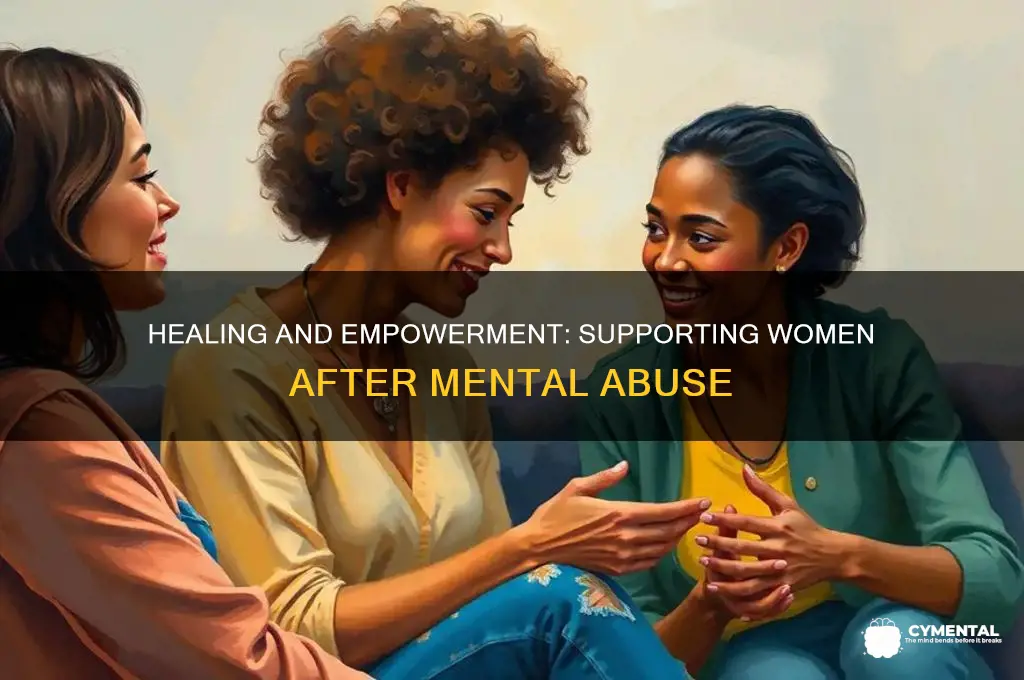
Helping women emerge from mentally abusive relationships requires a compassionate, informed, and multi-faceted approach. These survivors often face profound emotional scars, eroded self-esteem, and complex psychological challenges due to prolonged manipulation, gaslighting, and control. Support begins with creating a safe, non-judgmental space where they feel heard and validated, acknowledging the courage it takes to leave such situations. Practical assistance, such as access to counseling, support groups, and legal resources, is crucial for rebuilding independence and confidence. Educating survivors about the dynamics of emotional abuse and its long-term effects empowers them to recognize unhealthy patterns and prioritize self-care. Equally important is fostering a strong support network of trusted friends, family, or mentors who can provide ongoing encouragement and accountability. Ultimately, the goal is to help these women reclaim their autonomy, heal from trauma, and rebuild a life rooted in self-worth and resilience.
Explore related products


What You'll Learn
- Recognize abuse signs: Educate on red flags like gaslighting, isolation, and emotional manipulation to identify toxic patterns
- Build support systems: Encourage connections with trusted friends, family, or support groups for emotional backing
- Empower self-esteem: Promote self-worth through therapy, affirmations, and reclaiming independence after abuse
- Safety planning: Help create exit strategies, secure resources, and ensure physical and emotional safety post-separation
- Healing practices: Suggest therapy, mindfulness, journaling, or hobbies to process trauma and rebuild mental health

Recognize abuse signs: Educate on red flags like gaslighting, isolation, and emotional manipulation to identify toxic patterns
Mental abuse often leaves no visible scars, making it insidious and difficult to identify. Unlike physical violence, it operates in the shadows of manipulation, eroding self-worth and autonomy over time. Recognizing the signs is the first step toward breaking free. Red flags like gaslighting, isolation, and emotional manipulation are the tools abusers use to maintain control. Gaslighting, for instance, involves distorting someone’s perception of reality, making them question their own memories or sanity. Isolation cuts off support systems, leaving the victim dependent on the abuser. Emotional manipulation exploits vulnerabilities, using guilt, shame, or fear to enforce compliance. Understanding these tactics is crucial for anyone supporting a woman in this situation, as it empowers both her and those around her to name the abuse and take action.
To educate on these red flags, start by creating a safe space for open dialogue. Use concrete examples to illustrate each behavior. For gaslighting, describe scenarios like a partner dismissing a woman’s feelings as "overreacting" or denying promises they made. For isolation, highlight how an abuser might discourage friendships or monitor communication. Emotional manipulation often manifests as threats, such as "If you leave, I’ll hurt myself," or guilt-tripping phrases like "You never care about me." Pair these examples with actionable advice: encourage journaling to document patterns, suggest trusted friends or therapists to validate experiences, and recommend resources like books or online articles that explain these behaviors in depth. Knowledge is a weapon against abuse, and equipping women with it can help them reclaim their narrative.
Comparing healthy vs. toxic behaviors can also clarify what constitutes abuse. In a healthy relationship, disagreements are resolved through mutual respect and compromise. In contrast, a toxic partner might use silence or anger to punish, creating an environment of fear. Isolation in a healthy relationship involves occasional alone time by mutual agreement, whereas in an abusive one, it’s enforced through control and coercion. Emotional manipulation in a healthy dynamic might involve expressing hurt feelings, but in a toxic one, it escalates to threats or ultimatums. This comparative approach helps women see the stark differences and recognize when boundaries are being violated. It’s not about perfection but about identifying consistent patterns of harm.
Finally, caution must be taken when addressing these issues, as abusers often retaliate when their control is threatened. Never confront the abuser directly on behalf of the victim, as this can escalate danger. Instead, focus on empowering her to recognize and name the abuse herself. Provide practical steps like saving evidence of manipulative behavior, creating a safety plan, and connecting with local support groups or hotlines. Remind her that healing takes time and that self-compassion is essential. The goal isn’t to rush her out of the relationship but to equip her with the tools to make informed decisions. By educating on red flags and fostering awareness, you become a critical ally in her journey toward freedom.
How to Tell Your Mom You Need Mental Health Support
You may want to see also
Explore related products


Build support systems: Encourage connections with trusted friends, family, or support groups for emotional backing
Isolation is a cornerstone of mental abuse, eroding a woman's sense of self and severing her from lifelines. Rebuilding a support system isn't just about companionship; it's about reclaiming agency and rebuilding trust in a world that feels unsafe.
Step 1: Identify Safe Harbors
Begin by helping her audit her relationships. Who has consistently shown empathy, respect, and discretion? Prioritize reconnecting with 1-2 trusted individuals—a childhood friend, a supportive sibling, or a non-judgmental coworker. Avoid pressuring her to engage with anyone who triggers anxiety or doubt.
Step 2: Structure Low-Pressure Interactions
Suggest brief, predictable activities to ease re-entry: a 20-minute coffee date, a walk in a familiar park, or a shared hobby session. For women with children, playdates can double as social reintegration, allowing her to reconnect while focusing on her child’s needs first.
Step 3: Leverage Professional Circles
If familial or friend networks feel compromised, explore structured support groups. Organizations like *The National Domestic Violence Hotline* offer peer-led groups, while platforms like *7 Cups* provide anonymous, therapist-moderated communities. Aim for groups tailored to survivors of emotional abuse, where shared language and experiences foster deeper validation.
Caution: Pace Over Pressure
Resist the urge to "fix" her social life overnight. Overloading her calendar or pushing unscreened connections can retraumatize. Instead, celebrate micro-wins: a text exchange, a laughed-filled call, or simply attending a group meeting without leaving early.
A support system isn’t just a safety net—it’s a mirror reflecting her strength and worth. Each trusted connection chips away at the abuser’s narrative, replacing gaslighting with grounded affirmation. Over time, these relationships become the scaffolding for her rebuilt identity, one rooted in autonomy, not isolation.
Accessing Kaiser Permanente Mental Health Support: A Comprehensive Guide
You may want to see also
Explore related products


Empower self-esteem: Promote self-worth through therapy, affirmations, and reclaiming independence after abuse
Mental abuse erodes self-esteem, leaving survivors questioning their worth, capabilities, and even their reality. Rebuilding this foundation is critical for healing, and it begins with intentional, multi-faceted strategies. Therapy, particularly cognitive-behavioral therapy (CBT), is a cornerstone. A trained therapist helps survivors identify and challenge distorted beliefs planted by the abuser, replacing them with evidence-based self-perceptions. For instance, a woman who was told she’s "worthless" can work with a therapist to examine concrete examples of her competence, kindness, or resilience, gradually dismantling the lie. Studies show that 12–20 sessions of CBT can significantly improve self-esteem in abuse survivors, though individual needs vary.
Affirmations, when used strategically, reinforce therapeutic progress. Instead of generic statements like "I am enough," survivors should craft personalized affirmations tied to specific strengths or goals. For example, "I am capable of making decisions for myself" or "I deserve respect in all relationships." Writing these down daily, especially during moments of self-doubt, retrains the brain to accept positive self-regard. Pairing affirmations with sensory cues—like saying them aloud in front of a mirror or repeating them during a morning walk—increases their impact. However, affirmations alone are insufficient; they must complement, not replace, deeper emotional work.
Reclaiming independence is both symbolic and practical. Survivors often need to rebuild skills the abuser undermined, such as managing finances, making social plans, or pursuing hobbies. Start small: opening a personal bank account, enrolling in a class, or volunteering. Each act of autonomy counters the abuser’s narrative of dependency. For women with children, modeling self-reliance teaches resilience and breaks intergenerational cycles. Caution: independence doesn’t mean isolation. Support networks—friends, family, or support groups—are vital for encouragement and accountability.
The interplay of these strategies creates a self-reinforcing cycle. Therapy provides the framework, affirmations offer daily reinforcement, and independence builds tangible proof of one’s capabilities. For instance, a woman who completes a budgeting course (independence) can affirm, "I am skilled at managing money," solidifying a belief her therapist helped her develop. Over time, these practices shift survivors from surviving to thriving, transforming self-esteem from a fragile hope into an unshakable truth.
Creativity's Healing Power: Boosting Mental Health Through Artistic Expression
You may want to see also
Explore related products

$15.29 $21.99




Safety planning: Help create exit strategies, secure resources, and ensure physical and emotional safety post-separation
Leaving an abusive relationship is a courageous step, but it’s only the beginning of a journey toward safety and healing. Safety planning is a critical tool that empowers women to exit abusive situations strategically, secure essential resources, and rebuild their lives with confidence. It’s not just about leaving; it’s about leaving *well*.
Step 1: Develop a Tailored Exit Strategy
Every woman’s situation is unique, so a one-size-fits-all approach won’t work. Start by identifying safe times and methods for leaving. For instance, if the abuser is less volatile in the mornings, plan an exit during that window. Create a code word or signal with a trusted friend or family member to alert them of danger. Pack a "go bag" with essentials like identification, medications, a change of clothes, and important documents (birth certificates, bank statements, etc.). Store this bag in a secure, accessible location, such as a neighbor’s house or a storage locker. If children are involved, ensure their safety by coordinating with schools or caregivers to pick them up discreetly.
Step 2: Secure Immediate and Long-Term Resources
Safety planning isn’t just about the moment of departure; it’s about sustaining independence afterward. Help the woman identify local shelters, hotlines (like the National Domestic Violence Hotline at 1-800-799-SAFE), and legal aid services. Encourage her to open a private bank account and save even small amounts regularly. If she’s employed, advise her to inform a trusted coworker or HR representative about her situation, so they can provide support if needed. For emotional resources, connect her with support groups or therapists specializing in trauma recovery. Apps like *myPlan* or *Bright Sky* offer discreet tools for safety planning and resource-finding.
Step 3: Ensure Physical and Emotional Safety Post-Separation
After leaving, the focus shifts to maintaining safety and rebuilding emotional resilience. Help her change locks, install security systems, or obtain a restraining order if necessary. Encourage her to block the abuser’s phone number and social media accounts to prevent harassment. Emotionally, validate her feelings—leaving an abusive relationship often comes with guilt, shame, or fear. Suggest journaling, mindfulness practices, or creative outlets to process emotions. For children, provide age-appropriate explanations and reassure them of their safety.
Cautions and Considerations
Safety planning must account for the abuser’s potential reactions. Avoid predictable patterns; for example, don’t always leave for work at the same time or use the same route. Be mindful of digital footprints—abusers often track victims through shared devices or accounts. Clear browser histories, use incognito mode, or access resources from a public library or friend’s phone. If the abuser has access to joint finances, monitor accounts for suspicious activity and freeze credit to prevent identity theft.
Safety planning transforms fear into actionable steps, turning vulnerability into strength. By creating a detailed exit strategy, securing resources, and prioritizing ongoing safety, women can reclaim their lives after abuse. It’s a process that requires patience, support, and adaptability, but with the right tools and allies, it’s entirely possible to break free and thrive.
Gaming for Mental Health: Empowering Elmagplayers' Well-being and Resilience
You may want to see also
Explore related products





Healing practices: Suggest therapy, mindfulness, journaling, or hobbies to process trauma and rebuild mental health
Emerging from a mentally abusive relationship often leaves survivors with complex emotional wounds that require intentional healing. One of the most effective ways to address this trauma is through professional therapy. Cognitive Behavioral Therapy (CBT) and Eye Movement Desensitization and Reprocessing (EMDR) are evidence-based approaches tailored to process trauma and reframe negative thought patterns. For instance, CBT typically involves 12 to 20 sessions, focusing on identifying and challenging distorted beliefs, while EMDR uses bilateral stimulation to reprocess traumatic memories. Women should seek therapists specializing in trauma and domestic abuse for the most targeted support.
While therapy provides a structured framework, mindfulness practices offer daily tools to manage anxiety and regain emotional balance. Techniques like deep breathing exercises, progressive muscle relaxation, or guided meditation can be practiced for 10 to 20 minutes daily. Apps like Calm or Headspace provide accessible resources, but consistency is key—think of mindfulness as a mental health vitamin, not a one-time fix. Pairing these practices with physical activities like yoga or tai chi can amplify their benefits by integrating mind and body healing.
Journaling serves as a private, nonjudgmental space to process emotions and track progress. Prompts like "What triggered me today?" or "What am I grateful for?" encourage self-reflection and emotional release. For maximum impact, dedicate 15 to 20 minutes daily to writing, ideally in the morning or before bed. Over time, reviewing past entries can highlight patterns of growth and areas needing further attention. Pairing journaling with creative outlets like painting or poetry can deepen the therapeutic effect by engaging both logic and emotion.
Engaging in hobbies isn’t just a distraction—it’s a way to rebuild identity and joy outside the shadow of abuse. Whether it’s gardening, cooking, or learning a new language, hobbies provide a sense of accomplishment and normalcy. Start small, with activities requiring minimal commitment, and gradually explore more complex pursuits. For example, a 30-minute daily walk can evolve into training for a 5K, offering both physical and emotional milestones. The goal is to rediscover passions that were suppressed or neglected during the relationship.
Combining these practices—therapy, mindfulness, journaling, and hobbies—creates a holistic healing framework. Each tool addresses a different aspect of recovery: therapy tackles deep-seated trauma, mindfulness manages daily stress, journaling fosters self-awareness, and hobbies rebuild self-worth. Together, they empower women to reclaim their mental health and forge a future defined by resilience, not abuse. Consistency and patience are essential, as healing is a nonlinear process, but with these practices, transformation is not just possible—it’s inevitable.
Medical Marijuana's Role in Alleviating Mental Health Symptoms Explained
You may want to see also
Frequently asked questions
Listen without judgment, validate her feelings, and offer emotional support. Encourage her to seek professional help, such as therapy or counseling, and assist her in creating a safety plan if needed.
Signs include low self-esteem, withdrawal from friends and family, constant self-blame, fear of their partner’s reactions, and changes in behavior or mood. Be observant and approach the topic gently.
Encourage her to focus on her strengths, celebrate small achievements, and engage in activities she enjoys. Support her in setting boundaries and remind her that the abuse was not her fault.
Suggest local support groups, hotlines like the National Domestic Violence Hotline, books on healing from abuse, and therapy with a trauma-informed professional. Offer to accompany her to appointments if she feels more comfortable.