Harper Lewis
Engaging in structured activities plays a crucial role in supporting individuals with mental disabilities by fostering cognitive, emotional, and social development. These activities, tailored to individual needs and abilities, provide opportunities for skill-building, self-expression, and meaningful interaction, which can enhance self-esteem and reduce feelings of isolation. Whether through art, sports, vocational training, or group therapy, such activities create a sense of purpose and accomplishment, helping individuals develop independence and confidence. Additionally, they offer a safe and supportive environment for learning coping strategies and managing symptoms, ultimately improving overall quality of life and promoting greater inclusion in society.
| Characteristics | Values |
|---|---|
| Cognitive Stimulation | Activities like puzzles, memory games, and learning new skills improve focus, memory, and problem-solving abilities. |
| Social Interaction | Group activities foster communication, teamwork, and friendships, reducing isolation and improving social skills. |
| Emotional Regulation | Creative outlets like art, music, and dance help express emotions, manage stress, and improve mood. |
| Physical Health | Exercise-based activities improve physical health, coordination, and overall well-being. |
| Sense of Accomplishment | Completing tasks and mastering skills boosts self-esteem and confidence. |
| Structure and Routine | Scheduled activities provide predictability and reduce anxiety. |
| Skill Development | Activities tailored to individual abilities help develop practical skills for daily living. |
| Sensory Stimulation | Sensory-focused activities (e.g., sensory bins, textured materials) provide calming or stimulating experiences. |
| Reduced Challenging Behaviors | Engaging activities can redirect negative behaviors and provide positive outlets for energy. |
| Improved Quality of Life | Overall, activities enhance well-being, happiness, and sense of purpose. |
Explore related products






What You'll Learn
- Physical Exercise Benefits: Improves mood, reduces anxiety, and enhances overall well-being through movement and coordination
- Social Interaction Skills: Encourages communication, teamwork, and building relationships in group activities
- Cognitive Stimulation: Enhances memory, problem-solving, and focus through engaging, structured tasks
- Emotional Regulation: Helps manage stress, anger, and emotions via creative or therapeutic activities
- Daily Living Skills: Teaches independence in tasks like cooking, cleaning, and personal care

Physical Exercise Benefits: Improves mood, reduces anxiety, and enhances overall well-being through movement and coordination
Engaging in physical exercise is a powerful tool for individuals with mental disabilities, offering a natural and accessible way to enhance their overall quality of life. The impact of movement on mental health is profound, providing a means to improve mood, reduce anxiety, and foster a sense of well-being. This is particularly crucial for those facing mental challenges, as it offers a non-invasive, empowering approach to self-care.
The Science Behind the Smile: Endorphins and Beyond
Physical activity stimulates the release of endorphins, often referred to as 'feel-good' hormones, which act as natural painkillers and mood elevators. For individuals with mental disabilities, this can be a game-changer. A simple 30-minute walk or a gentle yoga session can trigger this chemical reaction, providing an immediate boost in mood. Research suggests that regular exercise can be as effective as medication or therapy in treating mild to moderate depression and anxiety, offering a compelling reason to incorporate movement into daily routines.
Anxiety's Antidote: Finding Calm in Motion
Anxiety disorders are common among people with mental disabilities, and exercise provides a unique solution. Aerobic exercises, such as swimming or cycling, have been shown to reduce anxiety sensitivity, helping individuals manage their response to stressful situations. The focus required during physical activities can also distract from worrying thoughts, offering a mental break. For instance, a study on adolescents with intellectual disabilities found that regular participation in sports significantly decreased anxiety levels, improving their overall social and emotional well-being.
Coordination and Confidence: A Holistic Approach
Activities that emphasize movement and coordination, like dance or martial arts, offer more than just physical benefits. These exercises improve motor skills and body awareness, which can be particularly beneficial for those with developmental disabilities. As individuals master new movements, their sense of accomplishment grows, boosting self-esteem. This increased confidence can translate to other areas of life, encouraging social interaction and a more positive self-image. For children with autism, for instance, structured physical activities can improve not only their physical health but also their ability to engage in social play.
Practical Implementation: A Guide to Getting Started
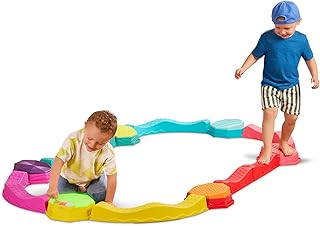
Incorporating physical exercise into the lives of the mentally disabled requires a tailored approach. Start with short, enjoyable activities to build interest and avoid overwhelm. For adults, this could mean a 15-minute dance session to their favorite music, gradually increasing duration. Children might engage in interactive games that promote movement, like tag or obstacle courses. It's essential to consider individual preferences and abilities, ensuring the activity is adaptable and enjoyable. Consistency is key; aim for daily movement, even if it's a short walk, to establish a routine that becomes a natural part of their day.
The benefits of physical exercise for the mentally disabled are clear, offering a holistic approach to improving mental health. By understanding the science and practical applications, caregivers and individuals can harness the power of movement to enhance mood, reduce anxiety, and build a stronger sense of self. This simple yet effective strategy can be a vital component in the overall care and empowerment of those with mental disabilities.
Does the Salvation Army Support Mental Health? Exploring Their Services
You may want to see also
Explore related products


Social Interaction Skills: Encourages communication, teamwork, and building relationships in group activities
Group activities serve as a powerful catalyst for developing social interaction skills in individuals with mental disabilities, fostering communication, teamwork, and relationship-building in a structured yet engaging environment. Consider a scenario where a group of adults with autism participates in a weekly cooking class. Each session requires them to collaborate on a recipe, dividing tasks such as chopping vegetables, measuring ingredients, and following instructions. This setup not only encourages verbal communication but also teaches patience, active listening, and the importance of relying on others to achieve a common goal. The repetitive nature of these activities, combined with the immediate reward of a completed dish, reinforces positive social behaviors over time.
To maximize the benefits of such activities, caregivers and facilitators should focus on creating inclusive environments that cater to varying skill levels. For instance, in a group of children with Down syndrome engaged in a team sport like soccer, roles can be tailored to individual abilities—some may excel at kicking the ball, while others might thrive as team cheerleaders or scorekeepers. This approach ensures everyone feels valued and contributes meaningfully, reducing anxiety and fostering a sense of belonging. Pairing participants with neurotypical peers can also model appropriate social behaviors, though this should be done thoughtfully to avoid tokenism.
A persuasive argument for the efficacy of group activities lies in their ability to simulate real-world social dynamics in a controlled setting. For example, a drama therapy session for individuals with schizophrenia allows participants to practice emotional expression, conflict resolution, and perspective-taking through role-playing scenarios. These skills, once honed in a safe space, can be transferred to everyday interactions, improving their ability to navigate social challenges outside the activity. Research suggests that consistent participation in such programs can lead to measurable improvements in social competence, as assessed by tools like the Social Skills Rating System (SSRS).
However, it’s crucial to balance structure with flexibility to accommodate the unique needs of participants. For instance, a board game night for adults with intellectual disabilities might require simplified rules or visual aids to ensure everyone can engage without feeling overwhelmed. Facilitators should also be trained to recognize and address social cues, such as when a participant withdraws or becomes frustrated, offering gentle redirection or a break as needed. This adaptive approach ensures the activity remains therapeutic rather than stressful, reinforcing positive associations with social interaction.
In conclusion, group activities are not just recreational—they are transformative tools for building social interaction skills in individuals with mental disabilities. By combining structured tasks, inclusive design, and adaptive facilitation, these activities create opportunities for communication, teamwork, and relationship-building that extend far beyond the activity itself. Whether through cooking, sports, or creative arts, the key lies in creating environments where participants feel safe, valued, and empowered to connect with others.
Navigating Adult Mental Health: Overcoming Terrifying Struggles and Finding Support
You may want to see also
Explore related products


Cognitive Stimulation: Enhances memory, problem-solving, and focus through engaging, structured tasks
Cognitive stimulation is a powerful tool for individuals with mental disabilities, offering a structured approach to enhance memory, problem-solving skills, and focus. By engaging in carefully designed tasks, these individuals can experience significant improvements in their cognitive abilities, leading to greater independence and quality of life. For instance, activities like memory games, puzzles, and sequencing tasks have been shown to activate neural pathways, fostering better information retention and recall. A study published in the *Journal of Intellectual Disabilities* found that consistent cognitive stimulation over 12 weeks improved memory performance by 30% in participants with mild to moderate intellectual disabilities.
To implement cognitive stimulation effectively, start with age-appropriate and skill-matched activities. For children (ages 6–12), consider simple matching games or storytelling exercises that require recall of details. Adolescents and adults can benefit from more complex tasks, such as Sudoku, crosswords, or digital apps designed for cognitive training. The key is to maintain a balance between challenge and achievability—tasks should be difficult enough to stimulate growth but not so hard as to cause frustration. For example, a 30-minute session of cognitive activities, three times a week, has been found to yield optimal results without overwhelming participants.
One practical tip is to incorporate real-life scenarios into cognitive tasks. For instance, planning a weekly grocery list or following a recipe step-by-step can enhance problem-solving and sequencing skills. These activities not only stimulate the brain but also provide functional benefits, making them particularly valuable for individuals with mental disabilities. Caregivers and educators should observe progress closely, adjusting the difficulty level as skills improve. For example, if a participant masters a three-step task, introduce a five-step version to continue challenging their cognitive abilities.
While cognitive stimulation is highly beneficial, it’s essential to avoid overloading individuals with too many tasks at once. Start with one or two activities per session and gradually increase complexity. Additionally, ensure the environment is free from distractions to maximize focus. For those with attention deficits, consider incorporating short breaks or using timers to maintain engagement. Pairing cognitive tasks with positive reinforcement, such as verbal praise or small rewards, can also boost motivation and participation.
In conclusion, cognitive stimulation through engaging, structured tasks is a proven method to enhance memory, problem-solving, and focus in individuals with mental disabilities. By tailoring activities to age, skill level, and interests, and by integrating practical, real-life applications, caregivers and educators can create meaningful and effective cognitive training programs. Consistency and gradual progression are key to achieving lasting improvements, making this approach a valuable addition to any support strategy.
Exercise and Diet: Powerful Allies in Mental Health Recovery
You may want to see also
Explore related products




Emotional Regulation: Helps manage stress, anger, and emotions via creative or therapeutic activities
Creative and therapeutic activities serve as powerful tools for emotional regulation among individuals with mental disabilities, offering structured outlets to process and express complex feelings. Art therapy, for instance, allows participants to externalize emotions through painting, sculpting, or collage-making, bypassing the need for verbal communication. Studies show that engaging in such activities for 30–45 minutes, 2–3 times per week, can significantly reduce cortisol levels, the hormone associated with stress. This non-verbal approach is particularly beneficial for those with conditions like autism or schizophrenia, where articulating emotions verbally may be challenging.
Consider the case of music therapy, another effective modality for emotional regulation. Listening to or creating music stimulates the release of dopamine, a neurotransmitter linked to pleasure and reward, while simultaneously calming the amygdala, the brain’s emotional center. For individuals with anxiety or mood disorders, structured sessions involving drumming, singing, or even passive listening can provide immediate relief. A study published in the *Journal of Music Therapy* found that participants who engaged in music-based activities reported a 25% reduction in anger and a 30% decrease in overall stress levels after just eight weeks of consistent practice.
While creative activities are impactful, they must be tailored to the individual’s preferences and abilities to maximize effectiveness. For example, a person with ADHD may benefit more from kinetic activities like dance or pottery, which combine physical movement with emotional expression. Conversely, someone with PTSD might find solace in repetitive, detail-oriented tasks like knitting or coloring, which promote mindfulness and reduce hyperarousal. Caregivers and therapists should observe which activities elicit positive responses and adjust the frequency and duration accordingly—typically starting with 15–20 minute sessions and gradually increasing as tolerance builds.
It’s crucial to note that while these activities are therapeutic, they are not a substitute for professional mental health treatment. Over-reliance on creative outlets without addressing underlying issues can lead to emotional suppression rather than regulation. For instance, a person with unresolved trauma may use art as a distraction rather than a processing tool. To prevent this, activities should be integrated into a broader treatment plan, with progress monitored by a qualified therapist. Combining creative therapies with cognitive-behavioral techniques, such as identifying triggers and practicing grounding exercises, enhances their efficacy.
Incorporating emotional regulation activities into daily routines can yield long-term benefits, fostering resilience and self-awareness. For children and adolescents with mental disabilities, play-based therapies like sandplay or puppetry can help them navigate emotions in a safe, non-threatening environment. Adults, on the other hand, may find journaling or photography to be effective tools for reflecting on and managing emotions. The key is consistency—making these activities a regular part of one’s routine, rather than sporadic interventions, ensures sustained emotional growth. With the right approach, creative and therapeutic activities become not just coping mechanisms, but pathways to emotional empowerment.
Meditation's Mental Benefits: Enhancing Mindfulness, Reducing Stress, and Improving Focus
You may want to see also
Explore related products


Daily Living Skills: Teaches independence in tasks like cooking, cleaning, and personal care
Mastering daily living skills is a cornerstone of fostering independence for individuals with mental disabilities. These skills, encompassing cooking, cleaning, and personal care, are not just about completing tasks—they are about building confidence, self-reliance, and a sense of accomplishment. For instance, learning to prepare a simple meal like scrambled eggs or a sandwich can empower someone to take control of their nutrition, reducing reliance on caregivers and enhancing their quality of life. Similarly, mastering basic cleaning routines, such as tidying a room or doing laundry, instills a sense of responsibility and pride in maintaining their living space.
Teaching these skills requires a structured, step-by-step approach tailored to the individual’s abilities and learning pace. Start with breaking tasks into smaller, manageable steps. For example, cooking can begin with learning to measure ingredients, followed by stirring, and eventually assembling a full meal. Visual aids, such as picture charts or video demonstrations, can be particularly effective for individuals who benefit from visual learning. Repetition is key—practicing tasks daily or weekly reinforces muscle memory and understanding. For personal care, tasks like brushing teeth or showering can be taught using a checklist or a timer to ensure each step is completed thoroughly.
One practical tip is to incorporate these activities into a daily routine, making them a natural part of the individual’s day rather than isolated lessons. For younger adults or teenagers, gamifying tasks—such as turning cleaning into a timed challenge—can increase engagement. For older individuals, focusing on the functional benefits, like how cooking at home saves money, can provide added motivation. Caregivers should also model tasks initially, demonstrating the correct way to perform them before allowing the individual to practice independently.
However, it’s crucial to balance independence with safety. For example, when teaching cooking, ensure the individual understands basic kitchen safety, such as using oven mitts or avoiding sharp knives unsupervised. Similarly, cleaning tasks should avoid hazardous chemicals unless the individual is fully capable of handling them. Regular supervision and gradual independence are key—start with close oversight and gradually reduce assistance as the individual becomes more proficient.
The ultimate takeaway is that daily living skills are not just about performing tasks; they are about transforming lives. By teaching these skills, we equip individuals with the tools to navigate their daily lives with greater autonomy, dignity, and self-worth. This independence not only benefits the individual but also alleviates the burden on caregivers, creating a more sustainable and fulfilling living environment for all involved. With patience, creativity, and a focus on safety, these skills can become second nature, paving the way for a more independent and empowered life.
Boost Your Mood: How Morning Cardio Enhances Mental Health
You may want to see also
Frequently asked questions
Activities provide structure, purpose, and engagement, which can reduce anxiety, depression, and feelings of isolation. They stimulate cognitive function, boost self-esteem, and promote emotional well-being by fostering a sense of accomplishment and belonging.
Activities like art therapy, music, physical exercises, and social games are highly beneficial. These activities encourage creativity, improve motor skills, enhance communication, and provide opportunities for social interaction, catering to diverse needs and abilities.
Yes, structured activities can teach practical skills, such as problem-solving, decision-making, and daily living tasks. They also encourage independence by building confidence, fostering self-reliance, and providing a safe environment to practice and master new abilities.