Lucas Bennett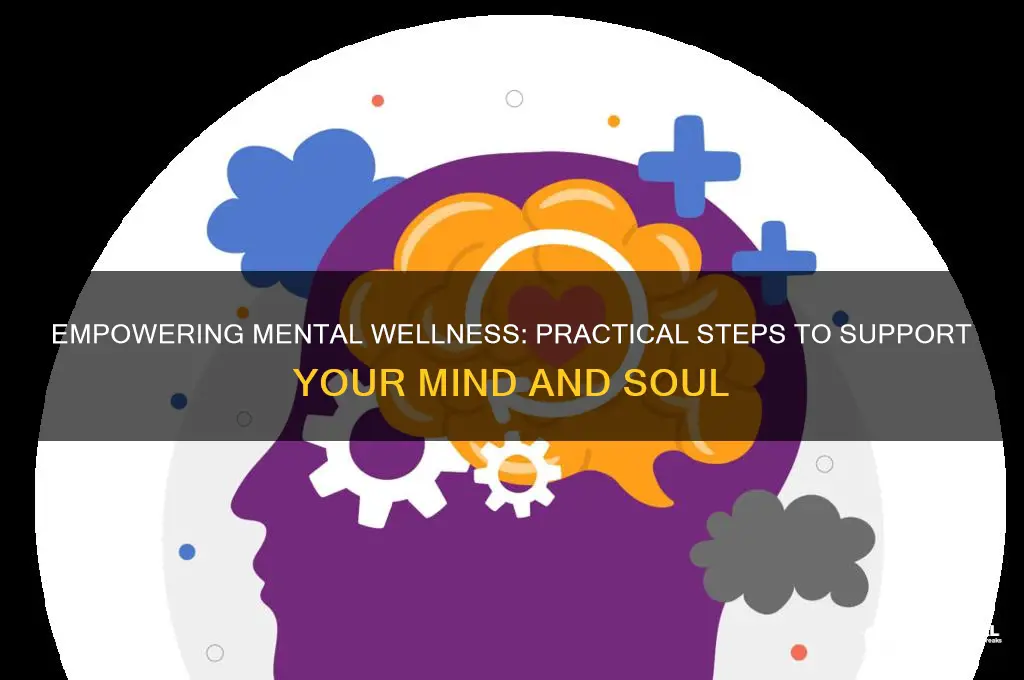
Supporting mental health is a collective responsibility that begins with individual actions. Simple yet impactful steps include fostering open conversations to reduce stigma, actively listening without judgment, and encouraging professional help when needed. Prioritizing self-care, such as maintaining a balanced lifestyle, exercising regularly, and practicing mindfulness, can significantly improve one’s own mental well-being while setting a positive example for others. Additionally, volunteering, donating to mental health organizations, or advocating for policy changes can create systemic support. Small acts of kindness, empathy, and awareness can make a profound difference in someone’s life, fostering a community that values and prioritizes mental health.
Explore related products


What You'll Learn
- Practice Self-Care: Prioritize sleep, exercise, nutrition, and relaxation to maintain emotional and psychological well-being
- Seek Professional Help: Consult therapists or counselors for guidance, support, and evidence-based treatment strategies
- Build Social Connections: Foster meaningful relationships and engage in supportive, positive interactions with others
- Manage Stress: Use mindfulness, meditation, or hobbies to reduce anxiety and improve mental clarity
- Educate Yourself: Learn about mental health to reduce stigma and better understand personal or others' struggles

Practice Self-Care: Prioritize sleep, exercise, nutrition, and relaxation to maintain emotional and psychological well-being
Sleep is the cornerstone of mental health, yet it’s often the first sacrifice in a busy schedule. Adults require 7–9 hours of quality sleep per night to allow the brain to process emotions, consolidate memories, and regulate stress hormones like cortisol. Chronic sleep deprivation exacerbates anxiety, depression, and irritability, while consistent rest improves mood stability and cognitive function. Practical tips include maintaining a consistent sleep schedule, creating a dark and quiet environment, and avoiding screens or caffeine at least an hour before bed. For those struggling with insomnia, cognitive-behavioral therapy for insomnia (CBT-I) is a proven, drug-free solution.
Exercise isn’t just about physical health—it’s a powerful tool for mental resilience. Studies show that 30 minutes of moderate-intensity exercise, such as brisk walking or cycling, five days a week, can reduce symptoms of depression and anxiety by releasing endorphins and promoting neural growth. Even shorter bursts of activity, like a 10-minute walk or stretching session, can provide immediate stress relief. For older adults or those with mobility issues, low-impact activities like yoga or swimming offer similar benefits. The key is consistency; integrating movement into daily routines, like taking the stairs or walking during lunch breaks, makes it sustainable.
Nutrition fuels not just the body but the brain, with a direct link between diet and mental health. Omega-3 fatty acids (found in salmon, walnuts, and flaxseeds), antioxidants (berries, spinach), and complex carbohydrates (whole grains) support neurotransmitter function and reduce inflammation, which is linked to depression. Conversely, high sugar and processed food intake can lead to mood swings and fatigue. A practical starting point is the Mediterranean diet, rich in fruits, vegetables, lean proteins, and healthy fats. For those with specific dietary restrictions, consulting a nutritionist can tailor a plan to meet both physical and mental health needs.
Relaxation isn’t a luxury—it’s a necessity for psychological recovery. Techniques like deep breathing, progressive muscle relaxation, or mindfulness meditation activate the parasympathetic nervous system, counteracting the body’s stress response. Dedicating 10–20 minutes daily to these practices can lower blood pressure, reduce anxiety, and improve focus. Apps like Headspace or Calm offer guided sessions for beginners, while activities like journaling, reading, or listening to music provide alternative ways to unwind. The goal is to find what works for you and integrate it into your routine, treating relaxation as non-negotiable as sleep or meals.
Self-care isn’t selfish; it’s a foundation for mental health. By prioritizing sleep, exercise, nutrition, and relaxation, you create a buffer against stress and emotional strain. These practices don’t require drastic lifestyle changes—small, consistent steps, like swapping sugary snacks for nuts or taking a 15-minute walk, accumulate significant benefits over time. The takeaway? Your mental health thrives when you treat your body and mind as interconnected, deserving of intentional care. Start today, with one actionable step, and build from there.
Can You Force Someone to Seek Mental Health Treatment?
You may want to see also
Explore related products





Seek Professional Help: Consult therapists or counselors for guidance, support, and evidence-based treatment strategies
Mental health challenges often require more than self-help strategies. While lifestyle changes like exercise and mindfulness can be beneficial, they may not address the root causes of conditions like depression, anxiety, or trauma. This is where professional intervention becomes critical. Therapists and counselors are trained to diagnose, treat, and manage mental health disorders using evidence-based approaches tailored to individual needs. Their expertise bridges the gap between coping mechanisms and long-term healing.
Consider the process of seeking professional help as a structured journey. Start by identifying the type of therapist suited to your concerns—psychologists, psychiatrists, licensed clinical social workers, and marriage and family therapists each bring unique specializations. For instance, cognitive-behavioral therapy (CBT) is highly effective for anxiety and depression, while dialectical behavior therapy (DBT) is often recommended for emotional regulation issues. Initial consultations typically involve assessments to determine the most appropriate treatment plan, which may include weekly 50-minute sessions for 3–6 months, depending on severity.
One common misconception is that therapy is only for severe cases. In reality, early intervention can prevent minor issues from escalating. For example, a 20-year-old college student experiencing persistent stress might benefit from learning stress-management techniques before it develops into generalized anxiety disorder. Similarly, a 40-year-old professional struggling with work-life balance could gain clarity through solution-focused brief therapy, a short-term, goal-oriented approach. The key is recognizing when self-help isn’t enough and taking proactive steps to engage with a professional.
Practical barriers, such as cost and accessibility, often deter people from seeking help. Many therapists offer sliding-scale fees or accept insurance, making treatment more affordable. Online platforms like BetterHelp or Talkspace provide virtual sessions for those with busy schedules or limited mobility. Additionally, employee assistance programs (EAPs) frequently include free counseling sessions. Overcoming these barriers is an investment in long-term mental well-being, much like regular physical check-ups prevent health complications.
Ultimately, consulting a therapist or counselor isn’t a sign of weakness but a strategic decision to prioritize mental health. Their guidance provides tools to navigate challenges, their support fosters a sense of accountability, and their evidence-based strategies ensure progress is measurable and sustainable. Whether you’re managing a diagnosed condition or seeking personal growth, professional help can be the catalyst for transformative change. Take the first step—reach out, schedule an appointment, and commit to the process. Your mental health deserves it.
Supporting Student Well-being: Universities' Role in Mental Health Initiatives
You may want to see also
Explore related products


Build Social Connections: Foster meaningful relationships and engage in supportive, positive interactions with others
Human beings are inherently social creatures, and our mental health thrives on connection. Research consistently shows a strong link between social isolation and increased risk of depression, anxiety, and even physical health problems. Conversely, strong social connections act as a buffer against stress, provide emotional support, and contribute to a sense of belonging and purpose.
Building and nurturing meaningful relationships isn't just about having a large social circle; it's about cultivating deep, authentic connections characterized by trust, empathy, and mutual understanding.
Consider the quality, not just the quantity, of your interactions. A single, heartfelt conversation with a close friend can be more beneficial than superficial small talk with a dozen acquaintances. Prioritize spending time with people who uplift and support you, who listen without judgment, and who celebrate your successes. Engage in activities that foster genuine connection, like sharing a meal, collaborating on a project, or simply enjoying each other's company in silence.
Active listening is crucial. Pay attention to nonverbal cues, ask open-ended questions, and demonstrate genuine interest in the other person's thoughts and feelings. Avoid interrupting or offering unsolicited advice; instead, create a safe space for them to express themselves freely.
Building strong social connections takes time and effort. Be patient with yourself and others. Initiate contact regularly, even if it's just a quick text message or phone call. Show appreciation for the people in your life, both verbally and through thoughtful gestures. Remember, relationships are a two-way street; be willing to offer support and understanding as much as you receive it.
Technology can be a double-edged sword when it comes to social connection. While social media platforms can help us stay connected with distant friends and family, excessive screen time can lead to feelings of loneliness and inadequacy. Set boundaries on your social media use and prioritize face-to-face interactions whenever possible. Join community groups, take a class, or volunteer for a cause you care about – these activities provide opportunities to meet like-minded individuals and build meaningful connections based on shared interests.
Mental Health Treatment: Boosting Welfare-to-Work Program Success?
You may want to see also
Explore related products

$19.56 $20.99


Manage Stress: Use mindfulness, meditation, or hobbies to reduce anxiety and improve mental clarity
Stress is an inevitable part of life, but its impact on mental health can be mitigated through intentional practices. Mindfulness, meditation, and engaging in hobbies are proven strategies to reduce anxiety and enhance mental clarity. These activities work by shifting focus away from stressors and fostering a sense of calm, allowing the mind to reset and regain perspective. For instance, mindfulness encourages living in the present moment, breaking the cycle of rumination that often fuels anxiety. Similarly, hobbies provide a creative outlet, diverting attention from worries and promoting a sense of accomplishment.
To incorporate mindfulness into daily life, start with small, consistent practices. Dedicate 5–10 minutes each morning to mindful breathing: sit quietly, close your eyes, and focus on the sensation of each inhale and exhale. Gradually extend this practice to 20 minutes for deeper benefits. Apps like Headspace or Calm offer guided sessions tailored to beginners. For those with busy schedules, integrate mindfulness into routine activities—like eating or walking—by paying full attention to the sensory experience. Research shows that even brief mindfulness exercises can reduce cortisol levels, the hormone associated with stress.
Meditation, a close companion to mindfulness, offers structured techniques to calm the mind. Beginners can start with body scan meditation, lying down and mentally scanning from head to toe to release tension. Another effective method is loving-kindness meditation, where you silently repeat phrases of compassion toward yourself and others. Consistency is key; aim for daily practice, even if only for a few minutes. Studies indicate that regular meditation can rewire the brain, increasing activity in areas linked to emotional regulation and decreasing activity in the amygdala, the brain’s stress center.
Hobbies serve as a powerful antidote to stress by providing a sense of purpose and enjoyment. Whether it’s painting, gardening, or playing an instrument, choose an activity that aligns with your interests and allows for immersion. For maximum benefit, allocate dedicated time each week—at least 1–2 hours—to engage fully in your hobby. For example, journaling can help process emotions, while physical activities like yoga or hiking combine stress relief with exercise. The key is to prioritize these activities as non-negotiable self-care, not optional luxuries.
While mindfulness, meditation, and hobbies are effective, they are not one-size-fits-all solutions. Experiment to find what works best for you, and be patient—results may take weeks to manifest. Avoid overloading yourself by trying to adopt all practices at once; instead, start with one and gradually incorporate others. Remember, the goal is not to eliminate stress entirely but to build resilience and maintain mental clarity amidst life’s challenges. By integrating these practices into your routine, you can transform stress from an overwhelming force into a manageable aspect of daily life.
Breaking Isolation: Effective Ways to Provide Mental Health Support
You may want to see also
Explore related products


Educate Yourself: Learn about mental health to reduce stigma and better understand personal or others' struggles
Misconceptions about mental health persist, fueling stigma and preventing people from seeking help. Educating yourself is the first step to dismantling these harmful beliefs. Start by seeking reliable sources: reputable mental health organizations like the National Alliance on Mental Illness (NAMI) or the World Health Organization (WHO) offer accurate, evidence-based information. Avoid sensationalized media portrayals that often perpetuate stereotypes. Dive into research studies, personal narratives, and educational videos to gain a well-rounded understanding of various mental health conditions, their symptoms, and their impact on daily life.
Consider this: Would you feel comfortable discussing a physical illness like diabetes with someone who knew nothing about it? The same principle applies to mental health. Learning about conditions like depression, anxiety, or bipolar disorder equips you with the language and empathy needed to engage in meaningful conversations. For instance, understanding that depression isn’t just "feeling sad" but a complex interplay of biological, psychological, and environmental factors can shift your perspective. This knowledge enables you to offer support without judgment, replacing phrases like "Just cheer up!" with "How can I help you today?"
Practical steps to educate yourself include enrolling in online courses (e.g., Yale’s "The Science of Well-Being" on Coursera), attending local workshops, or joining support groups where you can hear firsthand experiences. Dedicate 30 minutes weekly to reading articles or listening to podcasts focused on mental health. For parents, age-appropriate books like *What to Do When You Worry Too Much* (for children) or *The Anxiety and Worry Workbook* (for teens) can help normalize conversations about mental health at home.
However, education alone isn’t enough. Actively challenge stigmatizing language and behaviors when you encounter them. For example, instead of saying "She’s so OCD," correct it to "She likes things organized." Share what you’ve learned with others to amplify awareness. Remember, reducing stigma is a collective effort, and every informed conversation brings us closer to a more compassionate society.
The ultimate takeaway? Education transforms ignorance into empathy, fear into understanding, and silence into action. By committing to learn about mental health, you become an ally—not just for others, but for yourself. Whether you’re navigating your own struggles or supporting someone else, knowledge is the foundation upon which meaningful change is built. Start today, because every step toward understanding is a step toward healing.
Journaling for Mental Health: Unlocking Emotional Healing and Self-Discovery
You may want to see also
Frequently asked questions
Engaging in regular physical activity, practicing mindfulness or meditation, maintaining a balanced diet, getting adequate sleep, and staying connected with supportive relationships can all positively impact mental health.
Listen without judgment, offer empathy and understanding, encourage professional help if needed, and check in regularly to show you care. Avoid dismissing their feelings or trying to "fix" their problems.
Self-care is essential for mental health as it helps reduce stress, improve mood, and enhance overall well-being. Activities like setting boundaries, taking breaks, pursuing hobbies, and prioritizing personal needs are key components of self-care.
Yes, therapy is a proven and effective way to address mental health challenges. It provides tools to manage symptoms, gain insight into behaviors, and develop healthier coping strategies, often leading to long-term improvement.