Lucas Bennett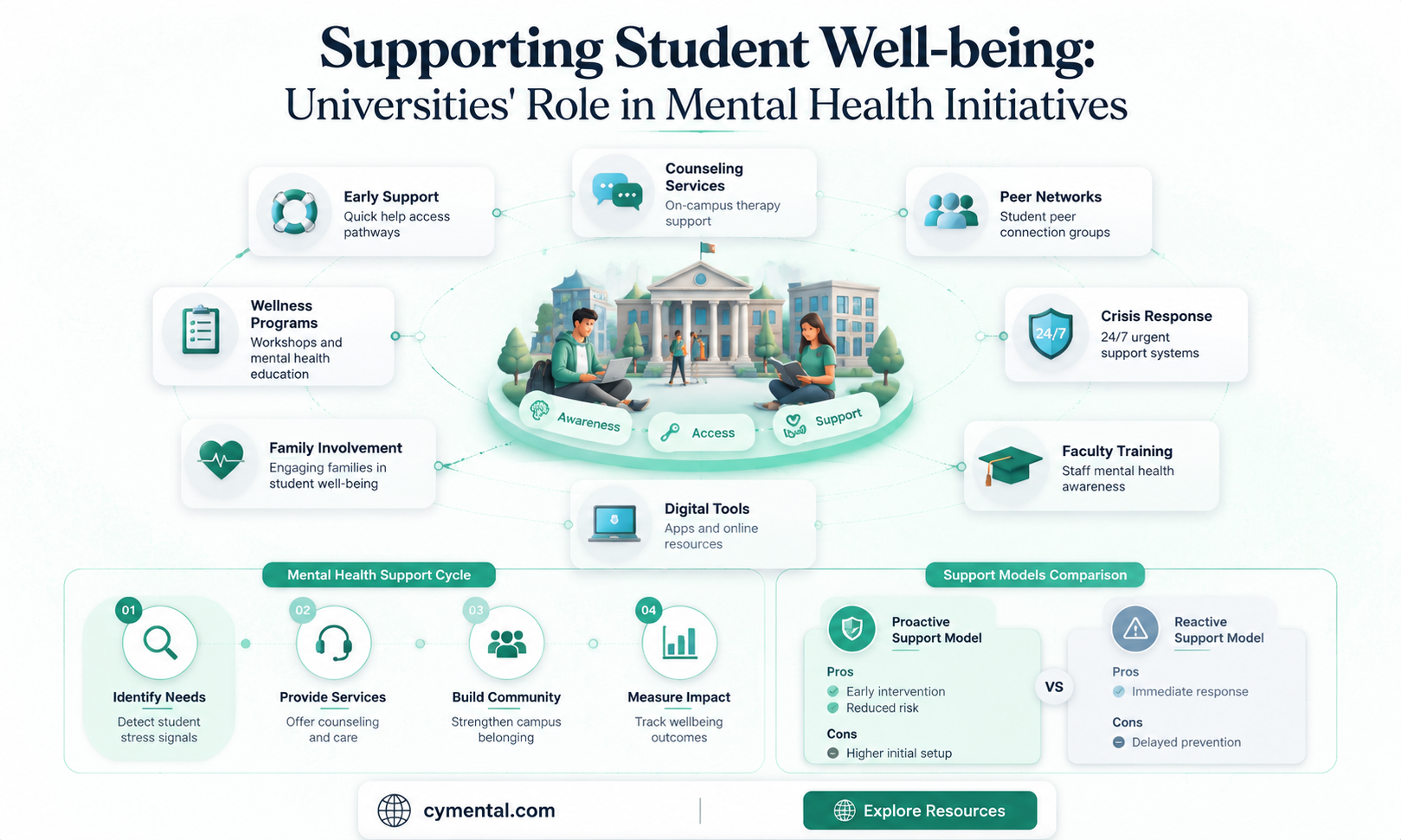
Universities play a crucial role in supporting student mental health, as the academic environment can often be a source of stress, anxiety, and other challenges. By offering comprehensive mental health services, such as counseling, therapy, and crisis intervention, institutions can provide students with the necessary tools to manage their well-being. Additionally, universities can foster a supportive campus culture through awareness campaigns, peer support programs, and faculty training to recognize and address mental health issues. Integrating mental health resources into academic advising, curriculum design, and extracurricular activities can also help reduce stigma and encourage students to seek help when needed. Ultimately, proactive and holistic approaches by universities can significantly contribute to students' overall mental health and academic success.
Explore related products


What You'll Learn
- Integrating mental health services into student wellness centers for easy access
- Training faculty and staff to recognize and respond to mental health issues
- Promoting mental health awareness through campaigns and educational workshops
- Offering flexible academic policies to reduce stress and support recovery
- Creating safe spaces and peer support groups for students to connect

Integrating mental health services into student wellness centers for easy access
Universities can significantly enhance student mental health by integrating mental health services directly into existing student wellness centers. This approach eliminates the stigma and logistical barriers often associated with seeking help. Instead of requiring students to navigate separate facilities or off-campus resources, embedding mental health services within wellness centers normalizes mental health care as an essential component of overall well-being. For instance, a student visiting the wellness center for a physical ailment or fitness advice could easily access a counselor or therapist in the same location, reducing the hesitation to seek mental health support.
Consider the practical steps involved in this integration. First, universities must allocate dedicated space within wellness centers for mental health professionals, ensuring privacy and comfort. Second, staffing should include licensed therapists, psychologists, and psychiatric nurse practitioners, with at least one professional available during peak hours (e.g., 9 a.m. to 5 p.m., Monday to Friday). Third, implement a seamless referral system where wellness center staff can directly connect students to mental health services without requiring additional appointments or paperwork. For example, a student seeking nutrition advice might be screened for stress or anxiety and immediately referred to an on-site counselor if needed.
A comparative analysis reveals the advantages of this model. Traditional campus mental health services often operate in isolation, leading to underutilization due to perceived inaccessibility or stigma. In contrast, integrated wellness centers foster a holistic approach to health, encouraging students to address mental and physical well-being simultaneously. For instance, the University of Michigan’s model integrates mental health services into its University Health Service, reporting a 20% increase in mental health consultations within the first year of implementation. This success underscores the effectiveness of breaking down silos in health care delivery.
However, integrating mental health services into wellness centers is not without challenges. Universities must ensure sufficient funding to hire qualified professionals and maintain resources like therapy rooms and diagnostic tools. Additionally, staff training is critical to ensure all wellness center employees can identify mental health concerns and facilitate referrals. A cautionary note: overburdening wellness centers without adequate resources can lead to burnout among staff and compromised care quality. Universities should conduct regular assessments to monitor service utilization and adjust staffing or resources accordingly.
In conclusion, integrating mental health services into student wellness centers offers a practical, stigma-reducing solution to improve access to mental health care. By creating a one-stop hub for physical and mental well-being, universities can encourage students to prioritize their mental health as readily as their physical health. With thoughtful planning, adequate resources, and ongoing evaluation, this model can serve as a blueprint for institutions aiming to support student mental health effectively.
ADHD Music: A Mental Fatigue Remedy or Myth?
You may want to see also
Explore related products


Training faculty and staff to recognize and respond to mental health issues
Faculty and staff are often the first to notice when a student is struggling, yet many feel ill-equipped to intervene effectively. This gap in preparedness can delay critical support, exacerbating mental health challenges. Training programs must bridge this divide by teaching not just the signs of distress but also actionable, empathetic responses tailored to academic environments.
Consider a tiered training model: foundational workshops for all staff, advanced sessions for resident advisors or academic advisors, and crisis intervention training for key personnel. Foundational workshops should cover common indicators of mental health issues—such as sudden changes in attendance, uncharacteristic irritability, or declining academic performance—paired with scripts for initiating conversations. For instance, instead of asking, *"Are you okay?"* (which often elicits a reflexive *"Yes"*), trainers can suggest, *"I’ve noticed you’ve missed a few classes. How can I support you right now?"* Advanced sessions might include role-playing scenarios, such as responding to a student disclosing suicidal thoughts, with an emphasis on active listening and de-escalation techniques.
However, training must go beyond symptom recognition to address systemic barriers. Faculty and staff should learn how to navigate campus resources—counseling services, disability accommodations, or emergency protocols—and understand their legal obligations under FERPA (Family Educational Rights and Privacy Act) when sharing concerns. For example, a professor might not realize that emailing a colleague about a student’s behavior, without consent, could violate privacy laws. Clear guidelines and flowcharts can demystify these processes, ensuring well-intentioned actions don’t inadvertently harm students.
A cautionary note: training should avoid pathologizing normal stress or academic struggles. Not every missed deadline or emotional outburst signals a mental health crisis. Trainers must emphasize the importance of context and proportionality in responses. Overreacting can stigmatize students, while underreacting can leave them unsupported. Striking this balance requires ongoing practice and reflection, not a one-time workshop.
Finally, institutions must measure the effectiveness of these programs. Post-training surveys, focus groups with trained staff, and tracking referral rates to counseling services can reveal gaps. For instance, if staff report feeling more confident but student utilization of mental health services remains low, the training may need to incorporate more practical resource-sharing strategies. By treating training as an iterative process, universities can ensure faculty and staff become not just observers but active allies in student mental health.
Blue Light Therapy: Enhancing Mental Well-Being Through Calming Illumination
You may want to see also
Explore related products


Promoting mental health awareness through campaigns and educational workshops
Universities can significantly impact student mental health by leveraging the power of campaigns and educational workshops, which serve as proactive measures to foster awareness, reduce stigma, and equip students with essential coping skills. These initiatives, when thoughtfully designed, can create a campus culture that prioritizes mental well-being, encouraging students to seek help without fear of judgment.
Crafting Impactful Campaigns: A Strategic Approach
Effective mental health campaigns hinge on clarity, creativity, and consistency. Start by defining a specific goal—whether it’s increasing awareness of available resources, normalizing conversations about mental health, or promoting self-care practices. For instance, a campaign titled *"You Are Not Alone"* could feature student testimonials, faculty support messages, and visually engaging posters placed in high-traffic areas like libraries and cafeterias. Incorporate digital platforms by using hashtags (e.g., #MindMatters) and sharing bite-sized content, such as 60-second stress-relief techniques or infographics on recognizing signs of burnout. Campaigns should run for at least 4–6 weeks to ensure sustained visibility, with weekly themes to keep the message fresh and engaging.
Workshops: From Theory to Practice
Educational workshops bridge the gap between awareness and action by providing students with tangible tools for mental health management. Design workshops to cater to diverse learning styles—incorporate interactive activities, group discussions, and practical exercises. For example, a 90-minute workshop on *"Mindfulness and Stress Reduction"* could include a 10-minute guided meditation, a 20-minute session on identifying stress triggers, and a 30-minute group activity where students create personalized self-care plans. Tailor workshops to specific demographics, such as first-year students adjusting to university life or international students navigating cultural transitions. Offer workshops during low-stress periods, like the beginning of the semester, and provide follow-up resources, such as downloadable guides or access to mental health apps.
Measuring Success: Beyond Attendance Numbers
The true impact of campaigns and workshops lies in their ability to drive behavioral change. Universities should employ both qualitative and quantitative methods to assess effectiveness. Pre- and post-event surveys can gauge shifts in attitudes toward mental health, while focus groups provide deeper insights into student experiences. For instance, a campaign might aim to increase usage of counseling services by 20% within six months, with monthly tracking to measure progress. Similarly, workshops could include a 30-day challenge, encouraging participants to practice new skills and report their experiences via an anonymous feedback form. By analyzing this data, universities can refine their strategies, ensuring initiatives remain relevant and impactful.
Collaborative Efforts: Amplifying Reach and Resonance
Partnerships are key to maximizing the reach and credibility of mental health initiatives. Collaborate with student organizations, such as psychology clubs or wellness groups, to co-create campaigns that resonate with their peers. Engage faculty and staff by offering training sessions on how to identify and support students in distress, fostering a campus-wide network of allies. External partnerships with mental health organizations can provide additional resources, such as guest speakers or funding for materials. For example, a workshop series on *"Building Emotional Resilience"* could feature a local therapist leading sessions, while a campaign on *"Breaking the Stigma"* might partner with a national mental health charity to amplify its message. By uniting diverse stakeholders, universities can create a cohesive and powerful movement for mental health awareness.
Designing Wellness: Graphic Design's Impact on Mental Health and Healing
You may want to see also
Explore related products


Offering flexible academic policies to reduce stress and support recovery
Academic stress is a significant contributor to mental health challenges among university students, often stemming from rigid policies that leave little room for personal circumstances. Offering flexible academic policies can alleviate this burden, providing students with the breathing space they need to manage their mental health effectively. For instance, institutions like the University of California allow students to take a reduced course load without financial penalties, recognizing that mental health recovery often requires a slower pace. Such policies not only reduce immediate stress but also foster a sense of institutional support, encouraging students to seek help without fear of academic repercussions.
One practical approach to flexibility is the implementation of "compassionate withdrawals" or late drops, which allow students to withdraw from a course after the standard deadline if they can demonstrate extenuating circumstances, such as mental health issues. This policy, adopted by universities like the University of Toronto, ensures that a temporary setback does not permanently damage a student’s academic record. Another effective measure is extending assignment deadlines or offering alternative assessment formats for students with documented mental health concerns. For example, a student struggling with anxiety might be permitted to submit a video presentation instead of a traditional written essay, reducing performance pressure while still meeting learning objectives.
However, flexibility must be balanced with clear guidelines to prevent misuse. Universities should require formal documentation from mental health professionals to verify the need for accommodations, ensuring fairness while maintaining support. Additionally, faculty training is crucial to help instructors understand how to implement these policies effectively without compromising academic standards. For instance, the University of Michigan provides workshops for professors on recognizing mental health issues and adapting course structures to support affected students. This dual focus on student needs and academic integrity ensures that flexibility serves its intended purpose.
Critics might argue that flexible policies could lead to lowered academic rigor or unfair advantages. Yet, evidence suggests that such measures improve overall student retention and well-being without compromising learning outcomes. A study by the American Psychological Association found that students who received academic accommodations for mental health issues were more likely to complete their degrees and report higher satisfaction with their university experience. By prioritizing mental health through flexible policies, universities not only support individual recovery but also cultivate a more resilient and engaged student body.
In conclusion, offering flexible academic policies is a proactive step universities can take to reduce stress and support mental health recovery. From compassionate withdrawals to alternative assessments, these measures provide students with the tools they need to navigate challenges without sacrificing their academic goals. By combining clear guidelines with faculty training, institutions can ensure that flexibility enhances, rather than undermines, the educational experience. Ultimately, such policies reflect a commitment to holistic student development, acknowledging that mental health is as vital to success as academic achievement.
Black Music's Healing Power: Boosting Mental Health and Well-being
You may want to see also
Explore related products


$7.66 $19.99


Creating safe spaces and peer support groups for students to connect
Universities can foster mental well-being by creating safe spaces and peer support groups that encourage connection and reduce isolation. These environments provide students with a sense of belonging, allowing them to share experiences, challenges, and coping strategies without fear of judgment. For instance, many institutions have established "Wellness Lounges" or "Calm Corners" where students can unwind, meditate, or engage in guided activities like journaling or mindfulness exercises. These spaces often feature comfortable seating, soft lighting, and access to mental health resources, creating a sanctuary amidst academic pressures.
To implement peer support groups effectively, universities should adopt a structured yet flexible approach. Start by training student facilitators in active listening, confidentiality, and crisis intervention. These facilitators can then lead weekly or bi-weekly meetings focused on specific themes, such as stress management, self-care, or navigating academic challenges. For example, a group might use the "Circle of Trust" model, where participants sit in a circle and take turns sharing their thoughts while others listen without interruption. This format fosters empathy and mutual support, helping students feel heard and understood.
While creating safe spaces is crucial, it’s equally important to address potential challenges. For instance, ensuring inclusivity requires considering diverse student needs, such as those of international students, LGBTQ+ individuals, or students with disabilities. Universities can tailor support groups to these communities, offering specialized sessions led by peers with shared experiences. Additionally, anonymity can be a concern for some students. To address this, institutions can provide online platforms or anonymous drop-in sessions, allowing students to engage without revealing their identities.
The impact of these initiatives is measurable and profound. Research shows that students who participate in peer support groups report lower levels of anxiety and depression, as well as improved academic performance. For example, a study at a large public university found that 78% of participants in a peer-led mental health group felt more connected to their campus community after just six weeks. Practical tips for maximizing effectiveness include promoting groups through multiple channels (e.g., social media, posters, and faculty referrals) and offering flexible meeting times to accommodate busy schedules.
In conclusion, creating safe spaces and peer support groups is a powerful way for universities to address student mental health. By combining physical environments, structured programs, and inclusive practices, institutions can build communities where students feel supported and empowered. With thoughtful planning and ongoing evaluation, these initiatives can become cornerstone elements of campus mental health strategies, fostering resilience and well-being for years to come.
Boost Your Mind: The Mental Benefits of Physical Fitness
You may want to see also
Frequently asked questions
Universities can offer on-campus counseling services, mental health workshops, peer support programs, and 24/7 crisis hotlines to ensure students have access to resources when needed.
Faculty and staff can be trained to recognize signs of mental health struggles, provide a supportive environment, and refer students to appropriate resources without stigmatizing their experiences.
Universities can organize awareness campaigns, host mental health events, and integrate mental health education into orientation programs to reduce stigma and encourage help-seeking behaviors.
Universities can provide academic accommodations such as extended deadlines, flexible attendance policies, and access to disability services to support students in managing their mental health while pursuing their studies.