Lucas Bennett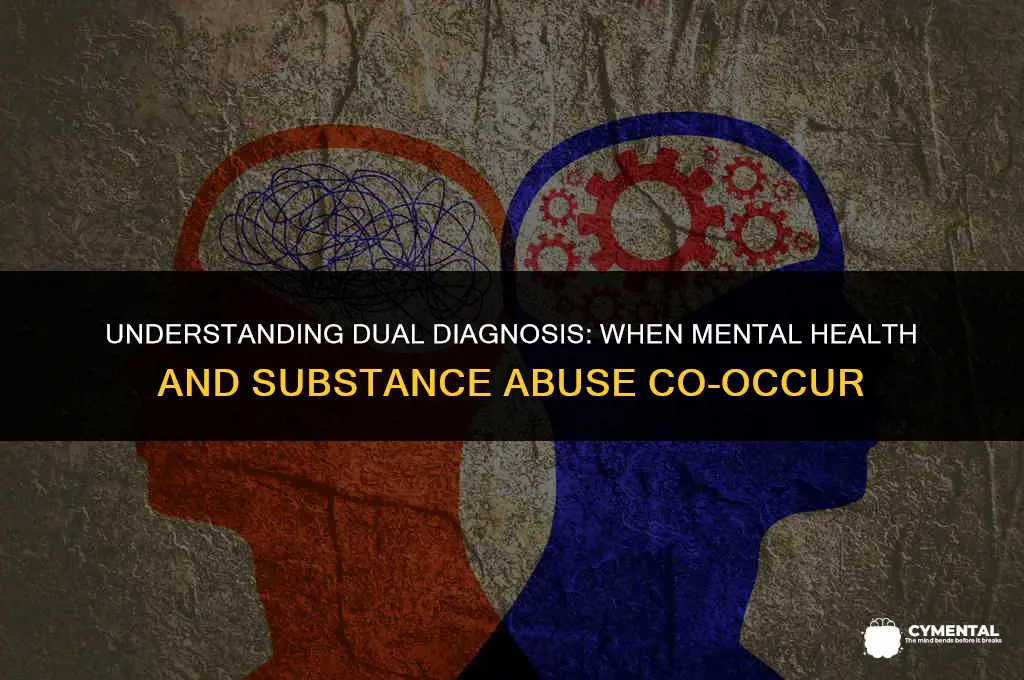
Dual diagnosis in mental health refers to the co-occurrence of a mental health disorder and a substance use disorder in an individual. This condition is also known as co-occurring disorders or comorbidity. It is a complex issue that requires specialized treatment approaches, as the symptoms and challenges of each disorder can exacerbate the other. Effective treatment for dual diagnosis typically involves addressing both disorders simultaneously through a combination of therapy, medication, and support services. Understanding dual diagnosis is crucial for healthcare professionals, as it allows them to provide more accurate diagnoses and develop comprehensive treatment plans that address the unique needs of individuals struggling with both mental health and substance use issues.
| Characteristics | Values |
|---|---|
| Definition | Dual diagnosis refers to the co-occurrence of a mental health disorder and a substance use disorder in an individual. |
| Prevalence | It is estimated that approximately 9.2 million adults in the United States have a dual diagnosis. |
| Common Disorders | Common mental health disorders in dual diagnosis include depression, anxiety, bipolar disorder, and schizophrenia. Common substance use disorders include alcoholism and drug addiction. |
| Symptoms | Symptoms can vary widely depending on the specific disorders present, but may include mood swings, behavioral changes, withdrawal symptoms, and impaired cognitive function. |
| Causes | Dual diagnosis can be caused by a combination of genetic, environmental, and psychological factors. Trauma, stress, and early exposure to substances can increase the risk. |
| Diagnosis | Diagnosis typically involves a comprehensive assessment by a mental health professional, including a review of symptoms, medical history, and substance use patterns. |
| Treatment | Treatment often involves a combination of medication, therapy, and support groups. Integrated treatment approaches that address both disorders simultaneously are most effective. |
| Prognosis | The prognosis for individuals with a dual diagnosis can be challenging, but with appropriate treatment and support, many are able to manage their symptoms and lead fulfilling lives. |
| Complications | Complications can include increased risk of relapse, impaired social and occupational functioning, and higher rates of emergency room visits and hospitalizations. |
| Support | Support for individuals with a dual diagnosis often involves a multidisciplinary team, including psychiatrists, therapists, substance abuse counselors, and support group facilitators. |
| Prevention | Prevention efforts can include early intervention for mental health issues, substance abuse education, and promoting healthy coping mechanisms. |
| Research | Ongoing research is focused on improving treatment outcomes, identifying risk factors, and developing more effective prevention strategies. |
Explore related products



What You'll Learn
- Definition: Dual diagnosis refers to co-occurring mental health and substance use disorders
- Prevalence: It's common, affecting nearly 9 million adults in the U.S. annually
- Challenges: Integrated treatment is crucial as each condition can exacerbate the other
- Treatment Approaches: Effective care often involves a combination of therapy, medication, and support groups
- Prognosis: With proper treatment, individuals can manage symptoms and improve their quality of life

Definition: Dual diagnosis refers to co-occurring mental health and substance use disorders
Dual diagnosis is a term used in the mental health field to describe individuals who suffer from both a mental health disorder and a substance use disorder simultaneously. This condition is also known as co-occurring disorders or comorbid disorders. The presence of both conditions can complicate the treatment process and often requires a specialized approach to address both issues effectively.
One of the challenges in treating dual diagnosis is that the symptoms of one disorder can mask or exacerbate the symptoms of the other. For example, someone with depression may turn to alcohol or drugs as a way to self-medicate, which can lead to addiction and worsen their mental health symptoms. Conversely, substance abuse can trigger or worsen mental health issues such as anxiety, paranoia, or psychosis.
Effective treatment for dual diagnosis typically involves an integrated approach that addresses both the mental health and substance use disorders concurrently. This may include a combination of medication, therapy, and support groups. Medications may be used to manage the symptoms of the mental health disorder, while behavioral therapies such as cognitive-behavioral therapy (CBT) or motivational interviewing can help individuals understand and change their substance use patterns.
In addition to professional treatment, support groups can play a crucial role in the recovery process for individuals with dual diagnosis. Groups such as Alcoholics Anonymous (AA) or Narcotics Anonymous (NA) provide a supportive community where individuals can share their experiences and learn from others who are facing similar challenges. These groups can also help individuals develop coping strategies and provide ongoing support to maintain sobriety and manage their mental health symptoms.
It is important to note that dual diagnosis is a complex condition that requires a comprehensive and individualized treatment plan. The specific treatment approach will vary depending on the individual's unique needs and circumstances. With the right treatment and support, however, individuals with dual diagnosis can achieve recovery and lead fulfilling lives.
Understanding Pink Slips: A Guide to Mental Health Discharge
You may want to see also
Explore related products


Prevalence: It's common, affecting nearly 9 million adults in the U.S. annually
Nearly 9 million adults in the United States are affected by a dual diagnosis each year, highlighting the widespread nature of this complex mental health issue. A dual diagnosis, also known as a co-occurring disorder, is when an individual suffers from both a mental health disorder and a substance use disorder simultaneously. This prevalence underscores the importance of understanding and addressing the unique challenges faced by those with a dual diagnosis.
The high prevalence of dual diagnosis can be attributed to several factors. Firstly, mental health disorders and substance use disorders often share common risk factors, such as genetic predisposition, environmental stressors, and traumatic experiences. Additionally, individuals with mental health disorders may turn to substances as a form of self-medication to alleviate their symptoms, which can lead to the development of a substance use disorder. Conversely, substance abuse can exacerbate or even trigger mental health issues, creating a vicious cycle that is difficult to break without comprehensive treatment.
Effective treatment for dual diagnosis requires an integrated approach that addresses both the mental health and substance use components simultaneously. This may involve a combination of psychotherapy, medication, and support groups. Cognitive-behavioral therapy (CBT) and dialectical behavior therapy (DBT) are commonly used psychotherapies that help individuals identify and change negative thought patterns and behaviors. Medications such as antidepressants, mood stabilizers, and anti-anxiety drugs may be prescribed to manage mental health symptoms, while medications like methadone or buprenorphine can be used to treat opioid addiction.
Support groups, such as Alcoholics Anonymous (AA) and Narcotics Anonymous (NA), provide a valuable resource for individuals with a dual diagnosis by offering a supportive community and a structured program for recovery. These groups can help individuals develop coping skills, build a support network, and maintain motivation for recovery.
In conclusion, the prevalence of dual diagnosis affecting nearly 9 million adults in the U.S. annually highlights the need for increased awareness, understanding, and access to effective treatment options. By addressing both the mental health and substance use components of dual diagnosis, individuals can achieve recovery and improve their overall quality of life.
Prioritizing Your Well-being: A Guide to Taking a Mental Health Leave from Work
You may want to see also
Explore related products


$14.44


Challenges: Integrated treatment is crucial as each condition can exacerbate the other
Integrated treatment is crucial for individuals with a dual diagnosis because the interplay between mental health disorders and substance abuse can significantly complicate recovery. Each condition has the potential to exacerbate the symptoms of the other, creating a vicious cycle that can be difficult to break without a comprehensive approach. For example, a person with depression may turn to alcohol as a form of self-medication, which can worsen their depressive symptoms over time. Conversely, someone with a substance use disorder may experience heightened anxiety or paranoia due to their drug use, further complicating their mental health.
One of the primary challenges in treating dual diagnosis is the need for a coordinated care plan that addresses both conditions simultaneously. This requires a multidisciplinary team of healthcare professionals, including psychiatrists, psychologists, social workers, and addiction counselors, who can work together to develop a personalized treatment strategy. Integrated treatment may involve a combination of medication, therapy, and support groups, tailored to the individual's specific needs and circumstances.
Another challenge is the potential for conflicting treatment goals and approaches. For instance, some mental health medications may interact negatively with substances of abuse, or certain therapeutic techniques may not be effective when used in isolation. It is essential for the treatment team to be aware of these potential conflicts and to adjust their approach accordingly. This may involve careful monitoring of medication interactions, as well as the use of evidence-based therapies that have been shown to be effective in treating both mental health disorders and substance abuse.
Integrated treatment also requires a high level of patient engagement and motivation. Individuals with a dual diagnosis may struggle with ambivalence about their recovery, or they may feel overwhelmed by the complexity of their treatment plan. It is crucial for healthcare providers to establish a strong therapeutic alliance with their patients, building trust and rapport to help them stay committed to their recovery goals. This may involve the use of motivational interviewing techniques, as well as ongoing support and encouragement throughout the treatment process.
In conclusion, integrated treatment is essential for individuals with a dual diagnosis, as it provides a comprehensive approach that addresses the complex interplay between mental health disorders and substance abuse. By coordinating care, addressing conflicting treatment goals, and fostering patient engagement, healthcare professionals can help their patients achieve lasting recovery and improve their overall quality of life.
Navigating the Process: Obtaining a Mental Health Warrant in Texas
You may want to see also
Explore related products


Treatment Approaches: Effective care often involves a combination of therapy, medication, and support groups
Effective treatment for dual diagnosis requires a multifaceted approach that addresses both the mental health disorder and the substance use disorder simultaneously. This integrated approach is crucial because treating one condition without addressing the other can lead to incomplete recovery and a higher risk of relapse. For instance, if a person with a dual diagnosis of depression and alcohol addiction only receives treatment for depression, the underlying alcohol addiction may exacerbate the depressive symptoms, hindering overall progress.
A combination of therapy, medication, and support groups is often the most effective treatment strategy for dual diagnosis. Therapy, particularly cognitive-behavioral therapy (CBT) and dialectical behavior therapy (DBT), helps individuals identify and change negative thought patterns and behaviors associated with both their mental health disorder and substance use. Medication can be used to manage symptoms of the mental health disorder, such as antidepressants for depression or mood stabilizers for bipolar disorder, and to aid in the detoxification process from substances. Support groups, like Alcoholics Anonymous (AA) or Narcotics Anonymous (NA), provide a community of peers who can offer encouragement, understanding, and accountability, which are essential for long-term recovery.
In addition to these core components, other supportive interventions may be beneficial. For example, motivational interviewing can help individuals resolve ambivalence about treatment and commit to the recovery process. Family therapy can address the impact of the dual diagnosis on loved ones and improve communication and support within the family system. Furthermore, holistic approaches, such as mindfulness practices, exercise, and nutritional support, can enhance overall well-being and aid in the recovery process.
It is important to note that treatment for dual diagnosis should be tailored to the individual's specific needs and circumstances. A one-size-fits-all approach is not effective, as each person's experience with dual diagnosis is unique. Therefore, a comprehensive assessment should be conducted to determine the most appropriate treatment plan, which may involve a combination of inpatient and outpatient services, depending on the severity of the disorders and the individual's support system.
In conclusion, treating dual diagnosis requires a comprehensive and integrated approach that addresses both the mental health and substance use disorders. By combining therapy, medication, support groups, and other supportive interventions, individuals with dual diagnosis can achieve lasting recovery and improve their overall quality of life.
Understanding the Semicolon: A Symbol of Mental Health Awareness
You may want to see also
Explore related products


Prognosis: With proper treatment, individuals can manage symptoms and improve their quality of life
Individuals diagnosed with dual mental health conditions face a complex journey, but with the right treatment plan, they can effectively manage their symptoms and significantly enhance their quality of life. This prognosis hinges on several critical factors, including the accuracy of the diagnosis, the integration of care, and the individual's commitment to the treatment process.
Accurate diagnosis is the cornerstone of effective treatment. Mental health professionals must carefully evaluate the individual's symptoms, medical history, and personal circumstances to identify the specific conditions at play. This process may involve psychological assessments, interviews with family members, and consultation with other healthcare providers. Once a precise diagnosis is established, a tailored treatment plan can be developed.
Integrated care is essential for individuals with dual diagnoses. This approach involves coordinating mental health services with medical care, social support, and other relevant services. Integrated care ensures that all aspects of the individual's health are addressed simultaneously, reducing the risk of complications and improving overall outcomes. For example, if an individual is diagnosed with both depression and diabetes, their treatment plan should address both conditions, ensuring that medications and therapies do not conflict and that the individual receives comprehensive support.
The individual's commitment to the treatment process is also crucial. Adhering to medication regimens, attending therapy sessions, and engaging in self-care activities are all important components of managing dual mental health conditions. Support from family and friends can play a significant role in encouraging individuals to stay committed to their treatment plan. Additionally, educating individuals about their conditions and involving them in the development of their treatment plan can empower them to take an active role in their recovery.
In conclusion, while dual mental health diagnoses can present significant challenges, proper treatment offers a promising prognosis. By focusing on accurate diagnosis, integrated care, and individual commitment, mental health professionals can help individuals manage their symptoms, improve their quality of life, and achieve long-term recovery.
Understanding the Nuances: Mental Health vs. Behavioral Health
You may want to see also
Frequently asked questions
Dual diagnosis in mental health refers to the presence of both a mental health disorder and a substance use disorder in an individual. This means that a person is dealing with two separate but interconnected conditions that require integrated treatment approaches.
Dual diagnosis is quite common, with studies showing that a significant proportion of individuals with mental health disorders also experience substance use disorders. Examples of dual diagnosis include someone with depression and alcohol addiction, or a person with schizophrenia and cannabis dependence.
Treating dual diagnosis can be complex due to the interplay between the mental health and substance use disorders. Challenges include managing withdrawal symptoms, addressing underlying psychological issues, and preventing relapse. Effective approaches often involve integrated treatment plans that combine psychotherapy, medication management, and support groups tailored to address both conditions simultaneously.