Lucas Bennett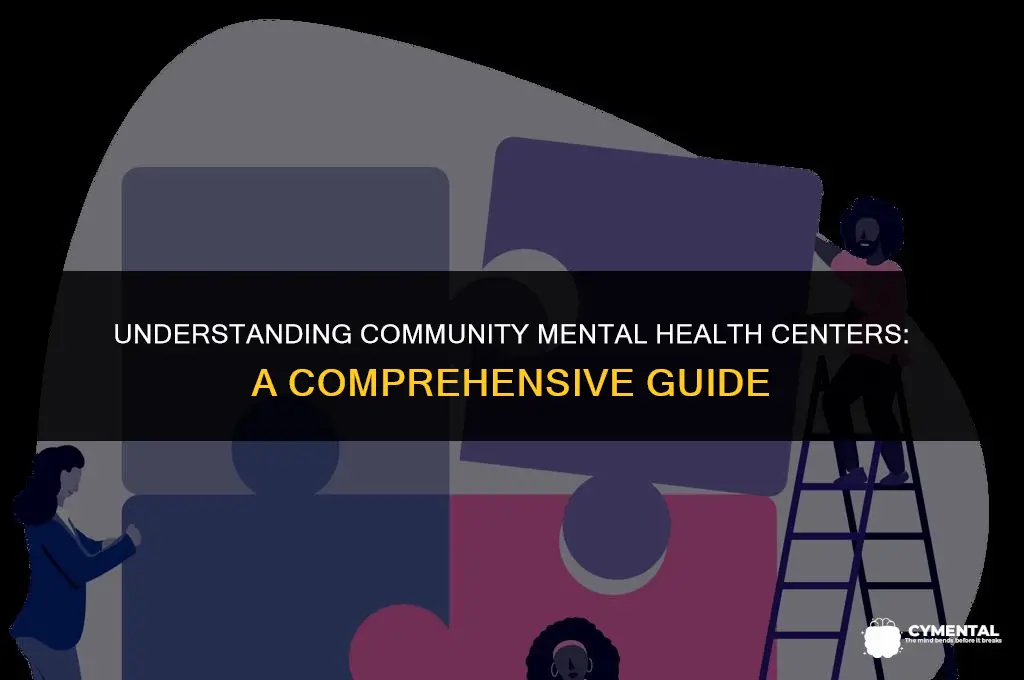
A community mental health center is a vital resource that provides a range of mental health services to individuals within a specific geographic area. These centers are designed to be accessible and welcoming, offering support to people of all ages and backgrounds. They typically provide a variety of services, including counseling, therapy, medication management, and crisis intervention. Community mental health centers play a crucial role in promoting mental wellness, preventing mental illness, and supporting individuals in their recovery journeys. They often collaborate with other community organizations to ensure comprehensive care and address the unique needs of the populations they serve.
Explore related products





What You'll Learn
- Services Offered: Community mental health centers provide various services like counseling, therapy, and psychiatric care
- Target Audience: These centers cater to individuals of all ages, focusing on those with mental health challenges
- Staffing: Typically staffed by psychiatrists, psychologists, social workers, and other mental health professionals
- Goals and Objectives: Aim to improve mental health, reduce stigma, and promote community well-being
- Funding and Support: Often funded by government grants, private donations, and community support initiatives

Services Offered: Community mental health centers provide various services like counseling, therapy, and psychiatric care
Community mental health centers serve as vital hubs for individuals seeking support for their mental well-being. These centers offer a wide array of services designed to address various mental health needs. Counseling is one of the primary services provided, where trained professionals offer guidance and support to help individuals navigate their emotional and psychological challenges. Therapy sessions, which can be individual, group, or family-based, are also a cornerstone of these services, employing evidence-based techniques to treat conditions such as depression, anxiety, and trauma.
In addition to counseling and therapy, community mental health centers often provide psychiatric care. This can include medication management, where psychiatrists prescribe and monitor medications to treat mental health disorders. Some centers also offer crisis intervention services, providing immediate support and stabilization for individuals experiencing acute mental health crises. These services are typically available 24/7, ensuring that help is accessible when it is most needed.
Moreover, many community mental health centers adopt a holistic approach to care, integrating services that address both mental and physical health. This can involve collaboration with primary care physicians, social workers, and other healthcare professionals to provide comprehensive care that considers the whole person. Some centers also offer specialized programs for specific populations, such as children, adolescents, or older adults, tailoring their services to meet the unique needs of these groups.
The accessibility of these services is a key aspect of community mental health centers. They are often located in easily accessible areas within communities and may offer services on a sliding scale or accept various forms of insurance, making mental health care more affordable and reachable for a broader range of individuals. Additionally, these centers frequently engage in outreach and education efforts, aiming to reduce the stigma surrounding mental health and promote awareness of the importance of seeking help.
In conclusion, community mental health centers play a crucial role in providing essential services that support the mental well-being of individuals within their communities. Through a combination of counseling, therapy, psychiatric care, and holistic approaches, these centers strive to ensure that everyone has access to the help they need to lead healthy and fulfilling lives.
Understanding ASAM: A Comprehensive Guide to Mental Health Assessment
You may want to see also
Explore related products


Target Audience: These centers cater to individuals of all ages, focusing on those with mental health challenges
Community mental health centers serve a diverse clientele, encompassing individuals across the lifespan from children to seniors. A key focus of these centers is providing specialized care for those grappling with mental health challenges, which can range from anxiety and depression to more severe conditions like schizophrenia or bipolar disorder. By offering a wide array of services tailored to different age groups and specific mental health needs, these centers aim to foster inclusivity and ensure that everyone has access to the support they require.
For children and adolescents, community mental health centers often provide targeted interventions such as play therapy, family counseling, and educational support to address issues like ADHD, autism spectrum disorders, and emotional regulation difficulties. These services are crucial in helping young people develop the skills and resilience they need to navigate their challenges and thrive in their daily lives.
Adults, too, benefit from the comprehensive care offered at these centers. Whether dealing with the stresses of daily life, coping with trauma, or managing chronic mental health conditions, adults can access a range of therapeutic approaches including cognitive-behavioral therapy (CBT), medication management, and group therapy. These services are designed to empower individuals to take control of their mental health and improve their overall well-being.
Seniors, who may face unique mental health challenges such as age-related cognitive decline, loneliness, or grief, also find valuable support at community mental health centers. Services for this demographic may include geriatric mental health assessments, memory care programs, and social support groups, all of which are tailored to address the specific needs of older adults.
In addition to providing direct services to individuals, community mental health centers also play a vital role in promoting mental health awareness and education within the broader community. By offering workshops, training sessions, and outreach programs, these centers help to reduce stigma, increase understanding, and foster a culture of support and inclusivity for those affected by mental health challenges.
Overall, the target audience of community mental health centers is broad and inclusive, reflecting the diverse needs of the communities they serve. By prioritizing accessibility, tailoring services to specific age groups and mental health conditions, and promoting mental health education and awareness, these centers are instrumental in supporting the well-being of individuals of all ages who face mental health challenges.
Empowering Minds: The Case for Mental Health Education in Schools
You may want to see also
Explore related products


Staffing: Typically staffed by psychiatrists, psychologists, social workers, and other mental health professionals
Community mental health centers are typically staffed by a multidisciplinary team of professionals, each bringing their unique expertise to address the complex needs of individuals seeking care. Psychiatrists, who are medical doctors specializing in mental health, play a crucial role in diagnosing and treating mental illnesses, often prescribing medications and providing medical consultations. Psychologists, on the other hand, focus on the psychological aspects of mental health, offering therapy and counseling services to help individuals cope with emotional and behavioral challenges.
Social workers are another essential component of the staffing mix, providing support and resources to help individuals navigate the social determinants of health, such as housing, employment, and family dynamics. They often work closely with other team members to develop comprehensive care plans that address the whole person, not just their mental health symptoms. Other mental health professionals, such as licensed professional counselors, marriage and family therapists, and substance abuse counselors, may also be part of the team, offering specialized services to meet the diverse needs of the community.
The collaborative approach taken by these professionals ensures that individuals receive holistic care that addresses their unique circumstances and goals. This integrated model of care is particularly effective in community mental health centers, where the focus is on providing accessible and comprehensive services to a wide range of individuals, from those experiencing acute mental health crises to those seeking ongoing support and maintenance.
In addition to direct clinical services, the staff at community mental health centers may also be involved in outreach and education efforts, working to reduce stigma and increase awareness about mental health issues in the community. They may provide training and support to local schools, businesses, and organizations, helping to create a more informed and supportive environment for individuals struggling with mental health challenges.
Overall, the staffing at community mental health centers is designed to provide a full spectrum of services that address the mental, emotional, and social needs of individuals in the community. By working together, these professionals can offer a comprehensive and compassionate approach to mental health care that helps individuals achieve their goals and improve their overall well-being.
Prioritizing Wellness: The Case for Mental Health Days in Education
You may want to see also
Explore related products



Goals and Objectives: Aim to improve mental health, reduce stigma, and promote community well-being
Community mental health centers play a pivotal role in addressing the mental health needs of diverse populations. By focusing on the goals and objectives of improving mental health, reducing stigma, and promoting community well-being, these centers can create a significant positive impact. One unique angle to approach this topic is by examining the specific strategies and initiatives that community mental health centers can implement to achieve these goals.
To improve mental health, community centers can offer a range of services, including individual and group therapy, counseling, and psychiatric evaluations. These services can be tailored to address various mental health conditions, such as depression, anxiety, and substance abuse. Additionally, centers can provide educational programs and workshops to increase awareness about mental health issues and promote healthy coping mechanisms.
Reducing stigma is another crucial objective for community mental health centers. Stigma can prevent individuals from seeking help and can lead to social isolation and discrimination. Centers can combat stigma by organizing community events, such as mental health awareness walks, and by partnering with local organizations to promote mental health education. They can also use social media and other platforms to share stories of recovery and to challenge negative stereotypes about mental illness.
Promoting community well-being is a broader goal that encompasses efforts to create a supportive and inclusive environment for all community members. Mental health centers can contribute to this goal by offering programs that foster social connections, such as support groups and peer mentoring initiatives. They can also collaborate with schools, workplaces, and other community institutions to develop comprehensive mental health strategies that address the needs of specific populations.
In conclusion, community mental health centers can achieve their goals and objectives by providing a range of services, promoting mental health education, combating stigma, and fostering community well-being. By implementing these strategies, centers can make a meaningful difference in the lives of individuals and communities, helping to create a more supportive and understanding environment for those affected by mental health issues.
Nurturing Minds, Nourishing Souls: Embracing Maternal Mental Wellness
You may want to see also
Explore related products


Funding and Support: Often funded by government grants, private donations, and community support initiatives
Community mental health centers rely heavily on a diverse range of funding sources to operate effectively. Government grants often provide the foundational support needed to establish and maintain these centers. These grants can come from federal, state, or local government agencies and are typically awarded based on a competitive application process. The funds are usually earmarked for specific services or programs, ensuring that the centers can provide a wide array of mental health support to the community.
Private donations also play a crucial role in the financial ecosystem of community mental health centers. These donations can come from individuals, corporations, or foundations and can be either unrestricted or designated for particular programs or initiatives. Private donations often allow centers to innovate and expand their services beyond what government funding might cover, such as implementing new therapeutic approaches or hiring additional staff to meet growing demand.
Community support initiatives are another vital funding source. These initiatives can include fundraising events, partnerships with local businesses, and volunteer programs. Community support not only provides financial resources but also helps to raise awareness about mental health issues and fosters a sense of ownership and investment in the center's mission among community members. This grassroots support can be instrumental in sustaining the center's operations and ensuring that it remains responsive to the needs of the community it serves.
In addition to these primary funding sources, community mental health centers may also explore other revenue streams such as insurance reimbursements, sliding scale fees, and grants from private organizations. Diversifying funding sources helps to ensure financial stability and allows centers to adapt to changes in the economic landscape or shifts in government priorities.
Effective management of these funding sources is critical for the success of community mental health centers. This involves not only securing funds but also ensuring that they are used efficiently and in alignment with the center's strategic goals. Financial planning, grant writing, and donor relations are all essential skills for the staff and leadership of these centers. By leveraging a combination of government grants, private donations, and community support initiatives, community mental health centers can provide comprehensive and accessible mental health services to those in need.
Understanding Complex PTSD: A Guide to Mental Health Recovery
You may want to see also
Frequently asked questions
A community mental health center is a facility that provides mental health services to individuals and families within a specific community. These centers offer a range of services, including counseling, therapy, medication management, and support groups, to help people cope with mental health issues and improve their overall well-being.
Community mental health centers typically offer a variety of services, such as individual and group therapy, counseling, medication management, crisis intervention, and support groups. They may also provide educational programs, workshops, and resources to help individuals and families better understand mental health issues and develop coping strategies.
Services at a community mental health center are generally available to anyone in need, regardless of age, income, or insurance status. These centers often prioritize serving underserved populations, such as low-income individuals, minorities, and those without health insurance. They may also offer specialized services for specific groups, such as children, adolescents, or older adults.
To find a community mental health center near you, you can start by searching online or contacting your local health department. You can also ask your primary care physician, a mental health professional, or a community organization for recommendations. Many community mental health centers have websites that provide information about their services, locations, and contact details.