Lucas Bennett
A mental health nurse practitioner (MHNP) is an advanced practice registered nurse (APRN) who specializes in providing mental health care to individuals, families, and communities. They are trained to assess, diagnose, and treat mental health conditions, as well as to prescribe medications and develop treatment plans. MHNPs often work in collaboration with other healthcare professionals, such as psychiatrists and social workers, to provide comprehensive care to their patients. They may work in a variety of settings, including hospitals, clinics, private practices, and community health centers. The role of an MHNP is critical in addressing the growing need for mental health care and reducing the stigma associated with mental illness.
| Characteristics | Values |
|---|---|
| Job Title | Mental Health Nurse Practitioner |
| Education | Master's degree in nursing, specialized in mental health |
| Licensure | Registered Nurse (RN) license, Advanced Practice Registered Nurse (APRN) certification in mental health |
| Responsibilities | Diagnose and treat mental health conditions, prescribe medications, provide psychotherapy, develop treatment plans |
| Work Environment | Hospitals, clinics, private practices, community health centers, schools |
| Patient Population | Individuals of all ages experiencing mental health issues |
| Skills Required | Strong communication skills, empathy, critical thinking, knowledge of mental health disorders and treatments |
| Job Outlook | Growing demand due to increased awareness and need for mental health services |
| Salary Range | Competitive, varies by location and experience |
| Professional Organizations | American Nurses Association (ANA), American Psychiatric Nurses Association (APNA) |
| Continuing Education | Ongoing education required to maintain licensure and stay updated on best practices |
| Work Hours | Flexible, may include evenings and weekends depending on the setting |
| Stress Level | Moderate to high, depending on the patient load and complexity of cases |
| Job Satisfaction | High, as it involves making a significant impact on patients' lives |
| Opportunities for Advancement | Potential to specialize further, take on leadership roles, or pursue doctoral degrees |
| Impact on Society | Contributes to improving mental health outcomes and reducing stigma associated with mental illness |
Explore related products


What You'll Learn
- Role and Responsibilities: Mental health nurse practitioners provide diagnosis, treatment, and management of mental health conditions
- Education and Training: They typically hold a Master's or Doctoral degree in nursing with a focus on mental health
- Skills and Competencies: Essential skills include strong communication, empathy, crisis intervention, and knowledge of psychopharmacology
- Work Environments: They work in various settings such as hospitals, clinics, private practices, and community health centers
- Certification and Licensure: Certification is often required, such as the PMHCNS-BC, and they must be licensed to practice nursing

Role and Responsibilities: Mental health nurse practitioners provide diagnosis, treatment, and management of mental health conditions
Mental health nurse practitioners play a crucial role in the healthcare system by providing specialized care to individuals with mental health conditions. They are responsible for diagnosing, treating, and managing a wide range of mental health issues, from anxiety and depression to more severe conditions like schizophrenia and bipolar disorder. This involves conducting thorough assessments, developing personalized treatment plans, and collaborating with other healthcare professionals to ensure comprehensive care.
One of the key responsibilities of mental health nurse practitioners is to provide medication management. This includes prescribing and monitoring the effects of psychiatric medications, adjusting dosages as needed, and educating patients about potential side effects and interactions. They also play a vital role in psychotherapy, offering individual, group, and family therapy sessions to help patients cope with their symptoms and improve their overall well-being.
In addition to direct patient care, mental health nurse practitioners are also involved in advocacy and education. They work to raise awareness about mental health issues, reduce stigma, and promote access to care. This may involve participating in community outreach programs, providing education to other healthcare professionals, and staying up-to-date on the latest research and best practices in the field.
The role of a mental health nurse practitioner is both challenging and rewarding. It requires a high level of empathy, strong communication skills, and the ability to work effectively in a multidisciplinary team. With the growing demand for mental health services, the role of these practitioners is becoming increasingly important in addressing the needs of individuals and communities.
Understanding Medicare Coverage for Mental Health Counseling Services
You may want to see also
Explore related products


Education and Training: They typically hold a Master's or Doctoral degree in nursing with a focus on mental health
Mental health nurse practitioners (MH NPs) undergo extensive education and training to provide specialized care. They typically hold a Master's or Doctoral degree in nursing with a focus on mental health, which equips them with the necessary knowledge and skills to assess, diagnose, and treat mental health conditions. This advanced degree program includes coursework in psychiatric nursing, pharmacology, and psychotherapy, among other areas.
In addition to their graduate education, MH NPs must also obtain licensure and certification. This usually involves passing a national certification exam, such as the American Nurses Credentialing Center (ANCC) Psychiatric-Mental Health Nurse Practitioner (PMHNP) exam. Some states may have additional requirements, such as a state-specific licensure exam or continuing education credits to maintain licensure.
MH NPs often pursue additional training and certifications to enhance their practice. For example, they may obtain certification in a specific area of mental health, such as child and adolescent mental health or substance abuse treatment. They may also participate in workshops, conferences, and online courses to stay up-to-date on the latest research and treatment approaches in mental health.
The education and training of MH NPs is designed to prepare them for the complex and challenging work of providing mental health care. By obtaining advanced degrees, licensure, and certifications, MH NPs demonstrate their commitment to providing high-quality, evidence-based care to individuals with mental health conditions.
Understanding Complex PTSD: A Guide to Mental Health Recovery
You may want to see also
Explore related products


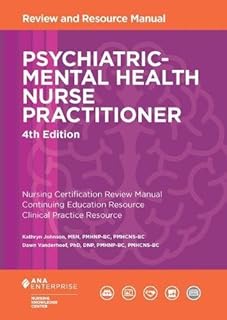

Skills and Competencies: Essential skills include strong communication, empathy, crisis intervention, and knowledge of psychopharmacology
Mental health nurse practitioners must possess a robust set of skills and competencies to effectively care for their patients. One of the most critical skills is strong communication. This involves not only the ability to convey information clearly and concisely but also to listen actively and empathetically to patients. Effective communication helps build trust, ensures that patients feel heard and understood, and facilitates the development of a therapeutic relationship.
Empathy is another essential skill. Mental health nurse practitioners need to be able to put themselves in their patients' shoes, understanding their feelings, thoughts, and experiences. This empathetic approach helps patients feel validated and supported, which is crucial for their recovery and well-being. Empathy also aids in crisis intervention, as it allows practitioners to connect with patients on an emotional level and de-escalate potentially dangerous situations.
Crisis intervention is a vital competency for mental health nurse practitioners. They must be able to quickly assess a patient's situation, identify potential risks, and take appropriate action to ensure the patient's safety. This may involve developing and implementing crisis plans, providing emergency care, or coordinating with other healthcare professionals to address the crisis.
Knowledge of psychopharmacology is also crucial. Mental health nurse practitioners need to understand the various medications used to treat mental health conditions, including their mechanisms of action, side effects, and potential interactions with other drugs. This knowledge enables them to make informed decisions about medication management and to educate patients about their treatment options.
In addition to these core skills, mental health nurse practitioners must also stay up-to-date with the latest research and best practices in their field. They should be familiar with evidence-based interventions and be able to adapt their approach to meet the unique needs of each patient. Continuous learning and professional development are essential for maintaining competency and providing the highest quality of care.
Overall, the skills and competencies required of mental health nurse practitioners are diverse and complex. By mastering these essential skills, they can provide compassionate, effective care to patients struggling with mental health issues, helping them to achieve recovery and improve their quality of life.
The Impact of School on Mental Health: A Critical Examination
You may want to see also
Explore related products



![Psychiatric-Mental Health Nurse Practitioner Study Cards: PMHNP Exam Review and Practice Test Questions for the Psychiatric Mental Health Nursing Certification [Full Color Cards]](https://m.media-amazon.com/images/I/51IRL+rhRgL._AC_UL320_.jpg)
Work Environments: They work in various settings such as hospitals, clinics, private practices, and community health centers
Mental health nurse practitioners (MH NPs) are versatile professionals who can be found working in a multitude of settings. One of the most common environments is the hospital, where they play a crucial role in both inpatient and outpatient psychiatric units. In these settings, MH NPs are responsible for conducting thorough psychiatric assessments, developing individualized treatment plans, and providing psychotherapy and medication management.
Clinics are another primary workplace for MH NPs, particularly those that specialize in mental health services. These clinics can range from small, private practices to larger, community-based organizations. In private practices, MH NPs often work closely with psychiatrists, psychologists, and other mental health professionals to provide comprehensive care. Community health centers, on the other hand, offer a more integrated approach, where MH NPs collaborate with primary care physicians and other healthcare providers to address the mental health needs of underserved populations.
In addition to these traditional settings, MH NPs are increasingly finding opportunities in non-traditional environments such as schools, correctional facilities, and telehealth platforms. School-based MH NPs work to address the mental health concerns of students, providing counseling and support to help them succeed academically and socially. Correctional facility-based MH NPs, meanwhile, focus on the unique needs of incarcerated individuals, offering mental health services and substance abuse treatment to help reduce recidivism rates. Telehealth platforms have also become a popular option, allowing MH NPs to provide remote consultations and therapy sessions to patients who may have limited access to in-person care.
Regardless of the setting, MH NPs must be adept at navigating complex healthcare systems and collaborating with a diverse range of professionals. They must also be able to adapt their practice to meet the specific needs of their patient populations, whether that means providing crisis intervention in a hospital emergency department or offering long-term therapy in a community clinic.
In conclusion, the work environments of MH NPs are varied and diverse, each presenting its own unique challenges and opportunities. Whether working in hospitals, clinics, private practices, community health centers, or other settings, MH NPs play a vital role in addressing the mental health needs of individuals and communities.
Cultural Threads: Weaving Understanding into Mental Health Conversations
You may want to see also
Explore related products


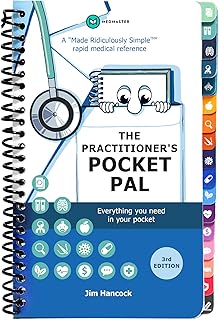


Certification and Licensure: Certification is often required, such as the PMHCNS-BC, and they must be licensed to practice nursing
Certification and licensure are critical components for mental health nurse practitioners (MH NPs) to legally and ethically practice their profession. The PMHCNS-BC (Psychiatric-Mental Health Clinical Nurse Specialist-Board Certified) is a prominent certification that many MH NPs pursue. This certification, offered by the American Nurses Credentialing Center (ANCC), validates an MH NP's expertise in providing mental health care across the lifespan. To obtain this certification, candidates must meet specific educational and clinical practice requirements, pass a rigorous examination, and maintain their certification through ongoing professional development.
In addition to certification, MH NPs must also be licensed to practice nursing in their state. Licensure requirements vary by state but typically include graduating from an accredited nursing program, passing the National Council Licensure Examination (NCLEX-RN), and meeting any additional state-specific requirements such as background checks or jurisprudence exams. Once licensed, MH NPs can legally provide mental health care services, including diagnosing mental health conditions, prescribing medications, and offering psychotherapy.
The combination of certification and licensure ensures that MH NPs have the necessary knowledge, skills, and legal authority to provide high-quality mental health care. It also serves as a safeguard for patients, ensuring that they receive care from qualified professionals who are held to high standards of practice. For aspiring MH NPs, understanding and meeting these certification and licensure requirements is a crucial step in their career journey.
Moreover, maintaining certification and licensure is an ongoing process that requires MH NPs to stay current with the latest developments in their field. This includes completing continuing education courses, participating in professional organizations, and staying informed about changes in healthcare policies and regulations. By doing so, MH NPs can continue to provide the best possible care to their patients and remain in good standing with their professional peers and regulatory bodies.
Understanding Mental Health Facilities: A Comprehensive Guide
You may want to see also
Frequently asked questions
A mental health nurse practitioner (MHNP) is an advanced practice registered nurse (APRN) who specializes in providing mental health care services. They are trained to assess, diagnose, and treat mental health conditions, and can prescribe medications and develop treatment plans.
To become an MHNP, one must first obtain a Bachelor of Science in Nursing (BSN) degree and become a licensed registered nurse (RN). Then, they must complete a Master of Science in Nursing (MSN) degree with a focus on mental health nursing. Some states may also require a Doctor of Nursing Practice (DNP) degree.
The responsibilities of an MHNP include conducting mental health assessments, diagnosing mental health conditions, developing and implementing treatment plans, prescribing medications, providing psychotherapy, and collaborating with other healthcare professionals to provide comprehensive care.
While both MHNPs and psychiatrists provide mental health care services, there are some key differences. Psychiatrists are medical doctors who specialize in psychiatry, while MHNPs are advanced practice registered nurses. Psychiatrists can prescribe medications and perform medical procedures, while MHNPs can prescribe medications but typically do not perform medical procedures. Additionally, psychiatrists often focus on diagnosing and treating more severe mental health conditions, while MHNPs may work with a wider range of mental health issues.