Harper Lewis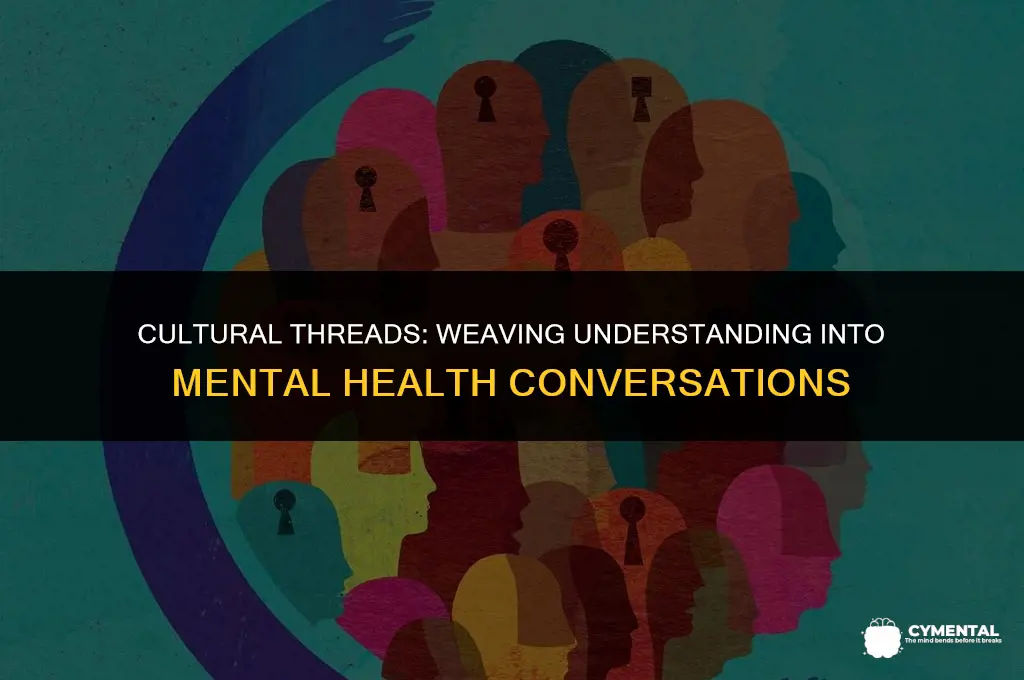
Culture plays a profound role in shaping our understanding and experience of mental health. It influences how we perceive and express emotions, how we cope with stress and adversity, and how we seek help when needed. Different cultures may have varying definitions of mental well-being and illness, as well as distinct approaches to treatment and support. For example, some cultures may emphasize the importance of community and family in maintaining mental health, while others may focus more on individual resilience and self-reliance. Additionally, cultural norms and values can impact the stigma associated with mental health issues, affecting how openly people discuss their struggles and seek assistance. Understanding these cultural nuances is crucial for developing effective and inclusive mental health strategies that cater to diverse populations.
Explore related products


What You'll Learn

Cultural norms and values
Moreover, cultural norms around social support and community engagement can impact mental well-being. Cultures that emphasize close-knit family ties and community involvement may provide a stronger support system for individuals, reducing the risk of mental health issues such as depression and anxiety. Conversely, cultures that prioritize individualism may leave individuals feeling more isolated and vulnerable to mental health challenges.
Another aspect to consider is the cultural valuation of mental health itself. In some societies, mental health is stigmatized, and seeking help is seen as a sign of shame. This can prevent individuals from accessing necessary care and support, exacerbating mental health problems. On the other hand, cultures that openly discuss mental health and promote seeking help may foster a more supportive environment for those struggling with mental health issues.
Furthermore, cultural norms around gender roles and expectations can also influence mental health. For example, cultures that impose strict gender roles may contribute to higher levels of stress and anxiety for individuals who do not conform to these expectations. This can be particularly impactful for women and LGBTQ+ individuals, who may face discrimination and marginalization based on their gender identity or expression.
In conclusion, cultural norms and values have a profound impact on mental health outcomes. By understanding and addressing these cultural factors, we can work towards creating more inclusive and supportive environments for individuals struggling with mental health issues.
Exploring the Link: Gender Affirming Care and Mental Health Improvement
You may want to see also
Explore related products


Social support systems
For instance, in collectivist cultures, where the emphasis is on group harmony and interdependence, social support often comes from extended family members and close-knit community groups. In contrast, individualistic cultures may prioritize personal autonomy and self-reliance, leading to a greater focus on professional support services and peer groups. These differences can influence how individuals seek help, the types of support they receive, and their overall mental health outcomes.
Moreover, cultural norms and values can shape the way social support is expressed and received. In some cultures, open displays of emotion and vulnerability are encouraged, fostering a sense of connection and empathy. In others, emotional restraint may be valued, leading to more subtle forms of support and a potential reluctance to seek help. Recognizing these variations can help mental health professionals tailor their approaches to better meet the needs of diverse populations.
In addition to these cultural differences, social support systems can also be influenced by socioeconomic factors, such as access to healthcare, education, and employment opportunities. These factors can impact the availability and quality of social support, as well as the ability of individuals to engage with and benefit from these systems. Addressing these disparities is crucial for promoting mental health equity across different cultural contexts.
Ultimately, a comprehensive understanding of social support systems requires an appreciation of the complex interplay between cultural, social, and economic factors. By acknowledging and addressing these nuances, we can develop more effective strategies for supporting mental health and well-being in diverse communities.
Exploring Mental Health Awareness: A Month-Long Journey
You may want to see also
Explore related products


Access to mental health services
In many cultures, mental health services are not readily accessible, leading to significant disparities in care. This lack of access can be attributed to various factors, including socioeconomic status, geographic location, and cultural attitudes towards mental illness. For instance, in some rural communities, mental health professionals may be scarce, making it difficult for individuals to receive timely and adequate treatment. Furthermore, in cultures where mental illness is stigmatized, individuals may be reluctant to seek help, fearing social ostracism or discrimination.
To address these disparities, it is essential to implement culturally sensitive approaches to mental health care. This involves training mental health professionals to understand and respect the cultural backgrounds of their patients, as well as developing programs that are tailored to the specific needs of different communities. For example, in some cultures, community-based interventions that involve family and social support networks may be more effective than individual therapy sessions. Additionally, the use of technology, such as telemedicine, can help to bridge the gap in access to mental health services, particularly in remote or underserved areas.
Another critical aspect of improving access to mental health services is advocacy and policy change. Governments and non-governmental organizations must work together to ensure that mental health care is prioritized and adequately funded. This includes investing in the training of mental health professionals, expanding the availability of services, and implementing policies that protect the rights of individuals with mental illness. By taking a comprehensive and culturally sensitive approach, we can begin to address the disparities in access to mental health services and improve outcomes for individuals around the world.
Understanding Mental Health Clinicians: Their Role in Your Well-being
You may want to see also
Explore related products


Stigma and discrimination
In many cultures, mental illness is viewed as a personal failing or a sign of weakness, rather than a legitimate health condition. This misconception can lead to individuals being ostracized by their communities, denied employment opportunities, or even subjected to physical or emotional abuse. Furthermore, cultural norms and values can influence the way mental health professionals diagnose and treat patients, potentially perpetuating harmful stereotypes and biases.
To combat stigma and discrimination, it is essential to promote cultural competence and sensitivity in mental health care. This involves educating professionals about the diverse cultural backgrounds of their patients, the impact of cultural beliefs on mental health, and the importance of tailoring treatment approaches to meet the unique needs of each individual. Additionally, community-based initiatives that aim to raise awareness about mental health, challenge negative stereotypes, and foster inclusive environments can play a vital role in reducing stigma and discrimination.
One effective strategy for addressing stigma and discrimination is through the use of storytelling and personal narratives. By sharing their experiences, individuals with mental health conditions can help to humanize the issue, challenge misconceptions, and inspire empathy and understanding in others. Furthermore, involving people with lived experience of mental illness in the development and implementation of anti-stigma campaigns can ensure that these initiatives are more effective and impactful.
Ultimately, addressing stigma and discrimination requires a multifaceted approach that involves changing cultural attitudes, improving mental health care, and promoting social inclusion. By working together to challenge negative beliefs and behaviors, we can create a more supportive and compassionate environment for individuals affected by mental health conditions.
Unveiling the True Colors of Mental Health Awareness Month
You may want to see also
Explore related products


$130.79 $160


Traditional healing practices
Another traditional healing practice is the incorporation of spiritual and religious beliefs into mental health treatment. In many indigenous cultures, spiritual leaders play a crucial role in guiding individuals through their mental health journeys, offering support, guidance, and rituals that are believed to promote healing and spiritual growth. These practices often emphasize the interconnectedness of the mind, body, and spirit, and aim to address the root causes of mental health issues rather than just the symptoms.
One of the key benefits of traditional healing practices is their ability to provide culturally sensitive and contextually appropriate care. Unlike Western-style mental health treatments, which may not always take into account the cultural backgrounds and beliefs of individuals, traditional healing practices are deeply rooted in the cultural contexts in which they are used. This can lead to better outcomes for individuals, as they are more likely to feel comfortable and understood in their treatment.
However, it is important to note that traditional healing practices are not always effective or safe. Some practices may be based on superstition or misinformation, and may not be supported by scientific evidence. Additionally, some traditional remedies may interact with modern medications or have harmful side effects. Therefore, it is crucial for individuals to consult with qualified healthcare professionals before using traditional healing practices to treat mental health issues.
In conclusion, traditional healing practices offer a unique and culturally sensitive approach to mental health treatment. By incorporating herbal remedies, spiritual beliefs, community support, and other culturally specific techniques, these practices can provide individuals with a holistic and personalized approach to mental health care. However, it is important to approach these practices with caution and to consult with qualified healthcare professionals to ensure their safety and effectiveness.
Unveiling the Salary Potential for Mental Health Counselors
You may want to see also
Frequently asked questions
Culture significantly shapes how mental health is perceived. Different cultures may view mental health issues as a sign of weakness, a spiritual problem, or a medical condition. These perceptions can affect how individuals seek help and the type of support they receive.
Cultural stigma can prevent individuals from seeking mental health care. Fear of being labeled or ostracized by their community can lead people to hide their struggles or avoid professional help, worsening their mental health outcomes.
Cultural values influence the approach to mental health treatment. For example, some cultures may prioritize family involvement in therapy, while others may focus on individual treatment. Understanding these values is crucial for mental health professionals to provide effective and culturally sensitive care.
Yes, certain cultural practices can contribute to mental health issues. For instance, practices that promote social isolation, gender inequality, or extreme stress can negatively impact mental health. Addressing these practices is important for promoting mental well-being within a community.
Cultural competence is essential for mental health professionals to effectively treat diverse populations. It allows them to understand and respect the cultural backgrounds of their clients, tailor treatment plans to meet their specific needs, and build trust within the therapeutic relationship.