Ava Ramirez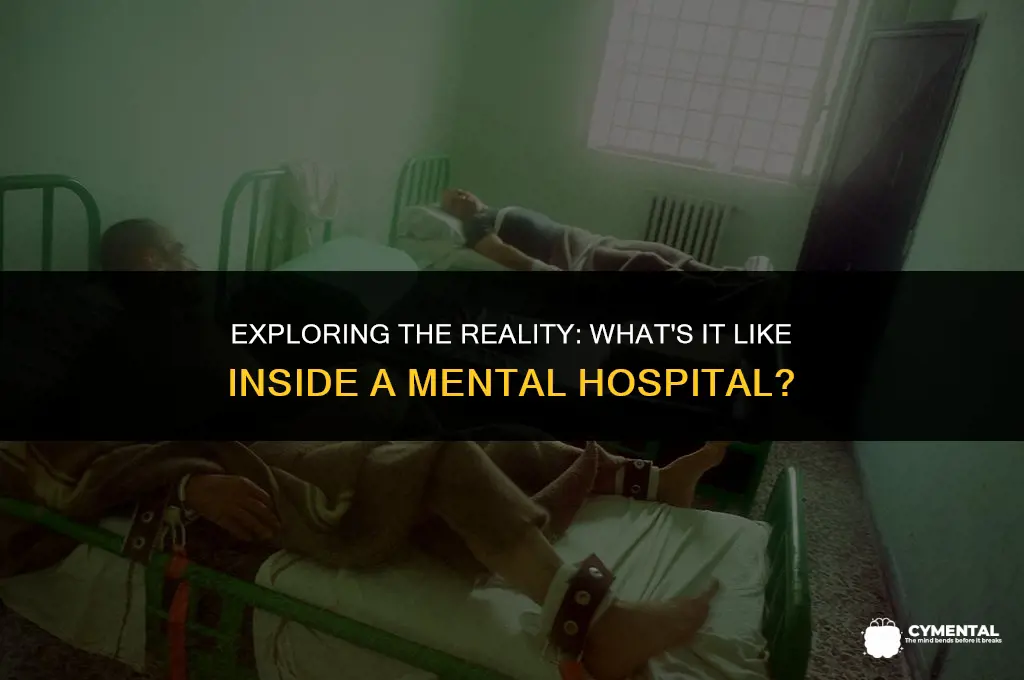
A mental hospital, also known as a psychiatric hospital or mental health facility, is a specialized healthcare institution designed to provide inpatient care and treatment for individuals experiencing mental health disorders. These facilities offer a range of services, including psychiatric evaluations, medication management, individual and group therapy sessions, and crisis intervention. The environment within a mental hospital is typically structured and supportive, with a focus on creating a safe and therapeutic space for patients to stabilize, recover, and develop coping strategies for managing their mental health conditions.
Explore related products


What You'll Learn
- Environment: Mental hospitals provide a controlled, safe space for patients with mental health issues
- Staff: Psychiatrists, psychologists, nurses, and support staff work together to provide comprehensive care
- Treatment: Patients receive individualized treatment plans, including therapy, medication, and group activities
- Patient Life: Daily routines, recreational activities, and social interactions are structured to promote healing
- Discharge: The process of leaving a mental hospital involves careful planning and follow-up care

Environment: Mental hospitals provide a controlled, safe space for patients with mental health issues
Mental hospitals are designed to provide a controlled and safe environment for patients with mental health issues. This controlled setting allows for the close monitoring of patients, ensuring their safety and the safety of others. The physical layout of a mental hospital often includes secure wards, common areas for socialization and therapy, and administrative offices. The design of these spaces is intended to minimize risks and promote a therapeutic atmosphere.
One unique aspect of the environment in mental hospitals is the use of sensory rooms or quiet rooms. These rooms are designed to provide a calming and soothing space for patients who may be experiencing sensory overload or agitation. They often feature dim lighting, comfortable seating, and sometimes even weighted blankets or other sensory tools to help patients regulate their emotions and sensory experiences.
Another important feature of the environment in mental hospitals is the presence of outdoor spaces. Many mental hospitals have gardens, courtyards, or walking paths that allow patients to spend time outside in a controlled and safe manner. These outdoor spaces can be crucial for promoting physical activity, reducing stress, and providing a change of scenery for patients who may be spending extended periods indoors.
The environment in mental hospitals also plays a key role in supporting the therapeutic process. Therapy rooms are designed to be comfortable and conducive to open communication between patients and their therapists. Group therapy rooms may feature seating arrangements that promote interaction and engagement among patients, while individual therapy rooms may be more private and intimate to facilitate one-on-one conversations.
In addition to these specialized spaces, mental hospitals also have protocols and procedures in place to ensure the overall safety and well-being of patients. This may include regular checks on patients, monitoring of medication, and the presence of security staff to respond to any emergencies or incidents that may arise. The controlled environment of a mental hospital allows for a comprehensive approach to patient care, addressing both the physical and psychological needs of individuals with mental health issues.
Understanding Mental Health Care: Inside the World of Psychiatric Hospitals
You may want to see also
Explore related products


Staff: Psychiatrists, psychologists, nurses, and support staff work together to provide comprehensive care
The multidisciplinary team in a mental hospital is crucial to delivering holistic care to patients. Psychiatrists, as medical doctors specializing in mental health, lead the team by diagnosing conditions, prescribing medications, and overseeing treatment plans. Psychologists complement this by providing talk therapy, conducting assessments, and offering counseling sessions. Together, they form the backbone of mental health care, addressing both the biological and psychological aspects of a patient's condition.
Nurses play a vital role in the day-to-day care of patients. They administer medications, monitor vital signs, and provide immediate support in crisis situations. Their presence ensures that patients receive consistent care and attention throughout their stay. Support staff, including social workers, occupational therapists, and administrative personnel, further enhance the care environment by addressing social needs, facilitating recreational activities, and managing the logistical aspects of patient care.
Collaboration among these professionals is essential for effective treatment. Regular team meetings allow for the sharing of information and the development of cohesive care plans tailored to each patient's unique needs. This integrated approach ensures that all aspects of a patient's mental health are addressed, leading to better outcomes and a more supportive therapeutic environment.
In addition to direct patient care, the staff in a mental hospital also focus on creating a safe and nurturing atmosphere. This includes maintaining a clean and comfortable facility, providing nutritious meals, and ensuring that patients have access to amenities that promote relaxation and well-being. By working together, the staff can create an environment that supports healing and recovery, making the hospital experience as positive as possible for patients.
Reaching Out: How to Contact a Loved One in a Mental Health Facility
You may want to see also
Explore related products


Treatment: Patients receive individualized treatment plans, including therapy, medication, and group activities
Upon admission to a mental hospital, patients undergo a comprehensive assessment to determine their specific needs and goals. This evaluation, conducted by a multidisciplinary team of psychiatrists, psychologists, social workers, and nurses, forms the foundation of an individualized treatment plan. The plan typically includes a combination of therapy, medication, and group activities tailored to address the patient's unique symptoms and circumstances.
Therapy sessions may involve various modalities, such as cognitive-behavioral therapy (CBT), dialectical behavior therapy (DBT), or psychodynamic therapy. These sessions aim to help patients identify and challenge negative thought patterns, develop coping skills, and improve their ability to function in daily life. Medication management is another crucial component of treatment, with psychiatrists prescribing and monitoring medications to alleviate symptoms and stabilize the patient's condition.
Group activities play a significant role in the treatment process, offering patients the opportunity to interact with peers and develop social skills. These activities may include group therapy sessions, recreational activities, or educational workshops. By participating in group settings, patients can learn from others' experiences, share their own insights, and build a sense of community and support.
The treatment plan is regularly reviewed and adjusted as needed to ensure that it remains effective and aligned with the patient's progress and changing needs. This collaborative approach, involving both the patient and the treatment team, empowers individuals to take an active role in their recovery and fosters a sense of ownership and responsibility for their mental health.
Throughout the treatment process, mental hospitals prioritize a holistic approach, addressing not only the patient's mental health needs but also their physical, emotional, and spiritual well-being. This comprehensive care model aims to promote overall wellness and equip patients with the tools and resources necessary to maintain their mental health and thrive in their daily lives.
Exploring Self-Admission to Mental Health Facilities: A Guide
You may want to see also
Explore related products


Patient Life: Daily routines, recreational activities, and social interactions are structured to promote healing
In a mental health hospital, patient life is meticulously structured to foster an environment conducive to healing and recovery. Daily routines are established to provide a sense of stability and predictability, which can be particularly comforting for individuals experiencing mental health challenges. These routines typically include set times for meals, medication, therapy sessions, and sleep, ensuring that patients have a clear understanding of their daily schedule.
Recreational activities play a crucial role in the therapeutic process, offering patients the opportunity to engage in enjoyable and relaxing pursuits. These activities can range from arts and crafts, music therapy, and exercise programs to outdoor excursions and educational workshops. Such activities not only serve as a distraction from symptoms but also help patients develop new skills, build self-esteem, and experience a sense of accomplishment.
Social interactions are another key component of patient life in a mental health hospital. Patients are encouraged to participate in group therapy sessions, where they can share their experiences, learn from others, and develop coping strategies in a supportive environment. Additionally, social activities such as games, movie nights, and communal meals provide opportunities for patients to form connections and practice social skills. These interactions can help reduce feelings of isolation and stigma, promoting a sense of community and belonging.
The hospital environment itself is designed to be calming and therapeutic, with features such as natural lighting, comfortable furnishings, and access to outdoor spaces. This attention to detail helps create a peaceful atmosphere that supports the healing process. Furthermore, staff members are trained to provide compassionate care, ensuring that patients feel safe, respected, and supported throughout their stay.
Overall, the structured approach to patient life in a mental health hospital, encompassing daily routines, recreational activities, and social interactions, is integral to promoting healing and recovery. By addressing the physical, emotional, and social needs of patients, these hospitals strive to create a holistic and supportive environment that empowers individuals to take steps towards improved mental health and well-being.
Understanding Mental Health Inpatient Care Duration
You may want to see also
Explore related products


Discharge: The process of leaving a mental hospital involves careful planning and follow-up care
The process of discharge from a mental hospital is a critical phase that requires meticulous planning and robust follow-up care. This transition period is pivotal in ensuring that patients maintain their mental health stability and successfully reintegrate into their communities. Discharge planning typically begins at the time of admission, with healthcare providers working collaboratively with patients and their families to develop a comprehensive discharge plan. This plan addresses various aspects of the patient's life, including housing, employment, social support, and ongoing mental health care.
A key component of the discharge process is the coordination of aftercare services. This may involve arranging for outpatient therapy sessions, medication management, and support groups. Healthcare providers also ensure that patients have access to emergency contact information and crisis intervention services in case of a mental health relapse. Additionally, practical considerations such as transportation, financial assistance, and legal support are addressed to facilitate a smooth transition.
During the discharge process, patients are encouraged to participate actively in their care planning. This empowers them to take ownership of their recovery and helps to build confidence and self-efficacy. Family members and caregivers are also involved, as their support is crucial for the patient's continued well-being. Education and training are provided to help them understand the patient's condition, manage potential challenges, and provide effective support.
The actual day of discharge can be both exciting and anxiety-provoking for patients. To mitigate any potential stress, healthcare providers conduct a final review of the discharge plan, ensuring that all necessary arrangements are in place. Patients are also given the opportunity to ask questions and express any concerns they may have. As patients leave the hospital, they are provided with a discharge packet that includes important documents, contact information, and a list of resources.
In the weeks and months following discharge, ongoing support and monitoring are essential. Healthcare providers maintain regular contact with patients, assessing their progress and making adjustments to the care plan as needed. This follow-up care helps to identify any potential issues early on and ensures that patients receive timely interventions if their mental health begins to deteriorate. By providing comprehensive discharge planning and follow-up care, mental hospitals can significantly improve patient outcomes and reduce the likelihood of readmission.
Understanding Your Rights: Can You Refuse Mental Hospital Admission?
You may want to see also
Frequently asked questions
The environment in a mental hospital is designed to be safe, structured, and supportive. It typically includes individual rooms or wards, common areas for activities and socializing, and secure outdoor spaces. The decor is often calming and neutral, with an emphasis on cleanliness and order.
Patients in a mental hospital have access to a variety of therapeutic activities, including group therapy sessions, individual counseling, recreational activities like art and music therapy, exercise programs, and educational workshops. These activities are tailored to meet the specific needs and interests of the patients.
Mental hospitals implement strict safety and security measures to protect patients and staff. These may include 24-hour supervision, secure entry and exit points, surveillance cameras, and emergency response plans. Staff are trained to handle crises and de-escalate potentially dangerous situations, ensuring a safe environment for all.