Noah Parker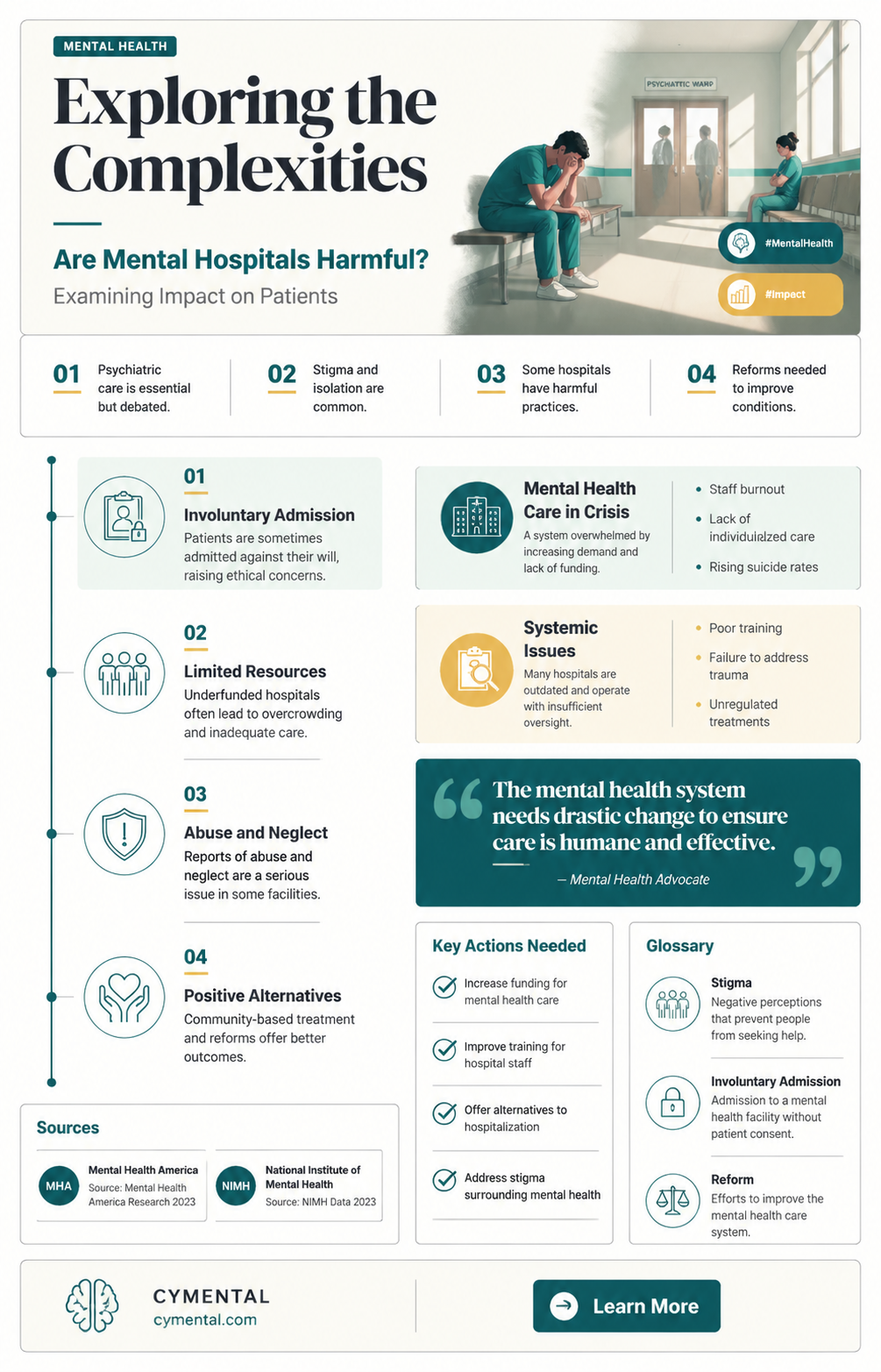
Mental hospitals, also known as psychiatric hospitals, have long been a subject of debate and controversy. While they are intended to provide care and treatment for individuals with mental health disorders, there have been concerns about the conditions and practices within these facilities. Some argue that mental hospitals can be detrimental to patients, citing issues such as overcrowding, understaffing, and the use of coercive treatments. Others maintain that these hospitals play a crucial role in supporting individuals in crisis and providing necessary medical intervention. The discussion surrounding mental hospitals raises important questions about the ethics of psychiatric care, patient rights, and the overall effectiveness of these institutions in promoting recovery and well-being.
| Characteristics | Values |
|---|---|
| Definition | Mental hospitals are institutions designed to provide care and treatment for individuals with mental health disorders. |
| Purpose | The primary purpose of mental hospitals is to offer a safe and controlled environment for patients to receive psychiatric care, therapy, and medication. |
| Types of Care | Mental hospitals provide various types of care, including inpatient services, outpatient clinics, emergency psychiatric services, and long-term residential care. |
| Staff | These facilities are typically staffed by psychiatrists, psychologists, nurses, social workers, and other mental health professionals. |
| Patient Rights | Patients in mental hospitals have rights to privacy, confidentiality, and informed consent regarding their treatment plans. |
| Controversies | Mental hospitals have faced criticism for issues such as overcrowding, understaffing, poor living conditions, and the use of coercive treatments like electroconvulsive therapy (ECT). |
| Alternatives | Alternatives to mental hospitals include community-based mental health services, crisis intervention teams, and supportive housing programs. |
| Admission Criteria | Admission to a mental hospital is usually based on a psychiatric evaluation and a determination that the individual poses a risk to themselves or others due to their mental health condition. |
| Discharge Planning | Discharge planning involves developing a comprehensive plan to ensure the patient's continued care and support after leaving the hospital. |
| Funding | Mental hospitals are funded through a combination of government funding, private insurance, and out-of-pocket payments from patients or their families. |
| Accreditation | Many mental hospitals are accredited by organizations such as the Joint Commission to ensure they meet certain standards of care and safety. |
| History | The concept of mental hospitals dates back to the 18th century, with the first modern psychiatric hospitals established in the early 19th century. |
| Public Perception | Public perception of mental hospitals varies, with some viewing them as necessary for the treatment of severe mental illness and others seeing them as stigmatizing or inhumane. |
| Legal Issues | Mental hospitals operate under specific legal frameworks that govern issues such as involuntary commitment, patient rights, and the use of restraints and seclusion. |
| Research and Innovation | Mental hospitals often serve as sites for research and innovation in the field of psychiatry, contributing to the development of new treatments and therapies. |
Explore related products


What You'll Learn
- Patient Rights and Autonomy: Concerns about the restriction of patients' rights and autonomy in mental hospitals
- Quality of Care: Variability in the quality of care provided, including access to effective treatments and therapies
- Stigma and Perception: The societal stigma associated with mental hospitals and its impact on patients and healthcare providers
- Safety and Security: Issues related to the safety and security of patients and staff within mental health facilities
- Alternatives to Hospitalization: Exploration of alternative treatments and support systems that could reduce the need for mental hospitals

Patient Rights and Autonomy: Concerns about the restriction of patients' rights and autonomy in mental hospitals
In the context of mental health care, patient rights and autonomy are paramount. However, there are significant concerns about the restriction of these rights within mental hospitals. Patients often feel disempowered and stripped of their autonomy due to the nature of their treatment and the environment in which they receive care.
One major concern is the use of involuntary commitment and treatment. In many cases, patients are admitted to mental hospitals against their will and subjected to treatments they do not consent to. This can include medication, therapy, and even physical restraints. While these measures may be necessary in some cases to ensure patient safety, they can also be seen as a violation of the patient's right to make decisions about their own care.
Another issue is the lack of privacy and personal space within mental hospitals. Patients often share rooms and common areas, which can lead to a lack of confidentiality and a feeling of being constantly monitored. This can be particularly distressing for patients who are already struggling with their mental health.
Furthermore, patients may be subjected to rules and regulations that limit their freedom of movement and expression. For example, they may be restricted from leaving the hospital grounds, using electronic devices, or engaging in certain activities. These restrictions can contribute to a sense of isolation and disconnection from the outside world.
To address these concerns, it is essential to promote a culture of respect and empowerment within mental hospitals. This can be achieved by involving patients in their treatment planning, providing them with information about their rights and options, and creating an environment that supports their autonomy and dignity. By prioritizing patient rights and autonomy, mental hospitals can better support the recovery and well-being of those in their care.
Understanding Your Rights: Can You Refuse Mental Hospital Admission?
You may want to see also
Explore related products


Quality of Care: Variability in the quality of care provided, including access to effective treatments and therapies
The quality of care in mental hospitals can vary significantly, impacting patients' outcomes and experiences. Access to effective treatments and therapies is a critical component of quality care, yet disparities exist across different facilities and regions. Some hospitals may offer a wide range of evidence-based treatments, such as cognitive-behavioral therapy, medication management, and group therapy, while others may have limited resources or outdated practices.
One factor contributing to variability in care is the availability of trained mental health professionals. Facilities in rural or underserved areas may struggle to attract and retain qualified staff, leading to higher patient-to-staff ratios and potentially inadequate care. Additionally, the physical environment of mental hospitals can influence the quality of care provided. Institutions with outdated infrastructure, overcrowding, or insufficient recreational spaces may not be able to create a therapeutic atmosphere conducive to recovery.
Another aspect to consider is the hospital's approach to patient-centered care. Facilities that prioritize individualized treatment plans, patient autonomy, and collaborative decision-making tend to have better outcomes. In contrast, hospitals that adopt a more paternalistic or punitive approach may exacerbate patients' distress and hinder their progress. Furthermore, the availability of specialized programs for specific mental health conditions, such as eating disorders or substance abuse, can also impact the overall quality of care.
To address these disparities, it is essential to implement standardized guidelines and best practices for mental health care. This includes ensuring that all hospitals have access to up-to-date treatment protocols, providing ongoing training for staff, and investing in infrastructure improvements. Additionally, promoting a culture of patient-centered care and involving patients in the development of their treatment plans can help to improve outcomes and reduce variability in the quality of care provided.
Navigating Mental Health: When to Consider Inpatient Care
You may want to see also
Explore related products


Stigma and Perception: The societal stigma associated with mental hospitals and its impact on patients and healthcare providers
The societal stigma associated with mental hospitals can have profound effects on both patients and healthcare providers. This stigma often stems from misconceptions and fear, leading to discrimination and marginalization of those involved with mental healthcare. Patients may feel ostracized and judged, which can exacerbate their mental health struggles and deter them from seeking necessary treatment. Healthcare providers, on the other hand, may face professional and personal repercussions, such as being viewed as less competent or even dangerous.
One of the key impacts of this stigma is the reluctance of individuals to admit to mental health issues or seek help. This can lead to delayed treatment, worsening of symptoms, and increased risk of suicide. Furthermore, the stigma can perpetuate harmful stereotypes, such as the notion that mental illness is a sign of weakness or that mental hospitals are places of confinement and control. These stereotypes can be damaging to patients' self-esteem and can create unrealistic expectations about the nature of mental healthcare.
Healthcare providers are not immune to the effects of stigma either. They may experience burnout and compassion fatigue due to the emotional toll of working in an environment that is often misunderstood and undervalued. Additionally, providers may face challenges in obtaining adequate resources and support, as mental healthcare is sometimes viewed as less important than physical healthcare. This can lead to a lack of proper training, insufficient staffing, and inadequate facilities, all of which can negatively impact the quality of care provided.
To combat the stigma associated with mental hospitals, it is essential to promote education and awareness about mental health issues. This includes dispelling myths and misconceptions, highlighting the importance of mental healthcare, and showcasing the positive impact that treatment can have on individuals' lives. By fostering a more supportive and understanding environment, we can encourage more people to seek help when needed and improve the overall quality of mental healthcare services.
In conclusion, the societal stigma associated with mental hospitals has far-reaching consequences for both patients and healthcare providers. It can lead to delayed treatment, worsened symptoms, and a lack of support and resources for those in need. Addressing this stigma through education and awareness is crucial for improving mental healthcare outcomes and creating a more compassionate society.
Understanding Mental Health Care Options for Children Under 12
You may want to see also
Explore related products


Safety and Security: Issues related to the safety and security of patients and staff within mental health facilities
Within mental health facilities, ensuring the safety and security of both patients and staff is paramount. One critical issue is the prevention of violence and aggression. Studies indicate that mental health patients are at a higher risk of committing violent acts compared to the general population. This risk can be mitigated through comprehensive risk assessments, effective communication among staff, and the implementation of de-escalation techniques. Staff training in crisis intervention and the use of restraint methods can also help minimize incidents of violence.
Another significant concern is the prevention of suicide. Mental health facilities must have robust suicide prevention protocols in place, including regular monitoring of patients, removing potential suicide hazards, and providing ongoing support and counseling. The design of the facility itself can also play a role in suicide prevention, with considerations such as the installation of shatterproof windows and the elimination of ligature points.
In addition to these measures, mental health facilities must also address the issue of patient elopement. Elopement can pose a significant risk to patients, who may be vulnerable to harm or exploitation once outside the facility. To prevent elopement, facilities should have secure perimeter fencing, surveillance systems, and strict access controls. Staff should also be trained to recognize and respond to elopement risks promptly.
The safety and security of staff members are equally important. Mental health workers are at risk of physical assault, verbal abuse, and other forms of violence. Facilities should provide staff with personal safety devices, such as panic buttons and radios, and ensure that they have access to emergency response teams. Regular safety drills and training in self-defense techniques can also help staff members feel more secure in their work environment.
Finally, mental health facilities must also consider the broader context of safety and security, including disaster preparedness and response. Facilities should have comprehensive emergency plans in place to address natural disasters, power outages, and other potential crises. This includes having backup power sources, emergency supplies, and clear evacuation procedures.
In conclusion, ensuring the safety and security of patients and staff within mental health facilities requires a multifaceted approach. By implementing evidence-based practices, providing comprehensive training, and maintaining a secure environment, facilities can help minimize risks and create a safe and supportive atmosphere for all.
Understanding Mental Health Inpatient Care Duration
You may want to see also
Explore related products


Alternatives to Hospitalization: Exploration of alternative treatments and support systems that could reduce the need for mental hospitals
One alternative to hospitalization is community-based treatment programs. These programs provide intensive therapy and support services in the individual's home or community, rather than in a hospital setting. Community-based treatments can include crisis intervention teams, assertive community treatment (ACT) teams, and intensive outpatient programs (IOPs). These programs often involve a multidisciplinary team of mental health professionals, including psychiatrists, therapists, and case managers, who work together to provide comprehensive care.
Another alternative is residential treatment centers. These facilities offer a structured and supportive living environment for individuals who require more intensive care than what can be provided in a community-based setting. Residential treatment centers can provide 24-hour supervision, medication management, and a variety of therapeutic activities. They can be particularly beneficial for individuals who are experiencing severe symptoms or who have not responded well to other forms of treatment.
Peer support programs are also an important alternative to hospitalization. These programs connect individuals with mental health challenges with trained peer support specialists who have experienced similar struggles. Peer support specialists can offer empathy, encouragement, and practical advice, and can help individuals develop coping skills and strategies for managing their symptoms. Peer support programs can be particularly effective in reducing feelings of isolation and stigma.
Technology-based interventions are another promising alternative to hospitalization. These interventions use digital platforms to provide mental health services, such as online therapy sessions, mobile apps for tracking symptoms, and virtual support groups. Technology-based interventions can increase access to care, reduce costs, and provide individuals with more flexibility and control over their treatment.
Finally, it is important to consider the role of social determinants of health in reducing the need for hospitalization. Factors such as housing instability, poverty, and lack of access to healthcare can contribute to mental health challenges and increase the likelihood of hospitalization. Addressing these social determinants through policies and programs that promote affordable housing, economic stability, and access to healthcare can help reduce the need for mental hospitals.
Navigating Mental Health Care Without Insurance: A Comprehensive Guide
You may want to see also
Frequently asked questions
Mental hospitals, like any healthcare facility, have their challenges and controversies. Historically, some institutions have been criticized for poor conditions, lack of privacy, and inadequate treatment. However, modern mental health facilities strive to provide compassionate care and support for individuals experiencing mental health issues. The quality of a mental hospital can vary greatly depending on factors such as funding, staffing, and adherence to ethical standards.
Common criticisms of mental hospitals include overcrowding, understaffing, lack of personalized treatment plans, and the use of coercive measures such as restraints and involuntary medication. Additionally, some facilities have been criticized for failing to provide adequate privacy, dignity, and respect for patients' rights. These issues can contribute to a negative perception of mental hospitals and may deter individuals from seeking the help they need.
Over time, mental hospitals have evolved to address criticisms and improve the quality of care provided to patients. Many facilities now focus on a more holistic approach to treatment, incorporating therapy, counseling, and support groups alongside medication. There has also been a shift towards deinstitutionalization, with an emphasis on providing care in community settings and supporting individuals in their recovery. Additionally, mental health advocacy groups and regulatory bodies have worked to establish standards and guidelines to ensure that mental hospitals operate ethically and provide safe, effective care.