Madison Cole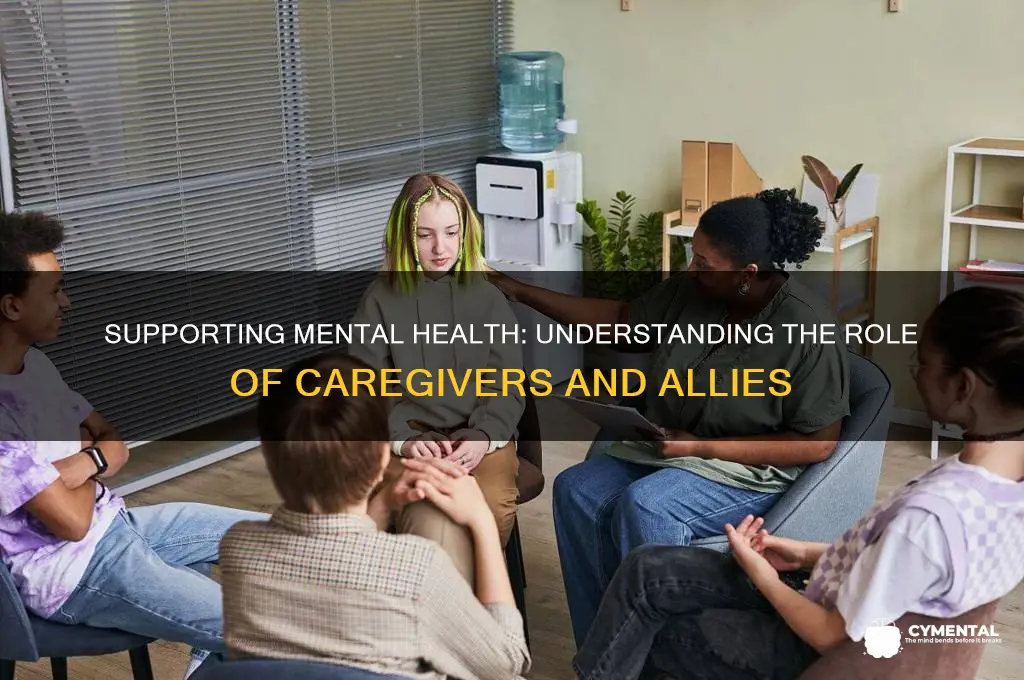
Assisting individuals with mental illness involves a range of supportive practices and interventions, often referred to as mental health support or psychosocial assistance. This can encompass various forms of help, including therapy, counseling, peer support, and community-based programs. Professionals such as psychologists, psychiatrists, social workers, and mental health counselors play a crucial role in providing structured care, while friends, family, and caregivers often offer emotional and practical support. The goal is to promote recovery, improve quality of life, and empower individuals to manage their mental health effectively. Understanding and addressing mental illness with compassion and evidence-based approaches is essential for fostering a supportive environment.
Explore related products


What You'll Learn
- Psychotherapy: Talking therapies like CBT, DBT, or psychoanalysis to treat mental health issues
- Medication Management: Prescribing and monitoring psychiatric medications to alleviate symptoms
- Support Groups: Peer-led or professional groups offering emotional support and shared experiences
- Crisis Intervention: Immediate assistance during mental health emergencies to ensure safety
- Case Management: Coordinated care planning and resource access for long-term mental health support

Psychotherapy: Talking therapies like CBT, DBT, or psychoanalysis to treat mental health issues
Psychotherapy, often referred to as talk therapy, is a cornerstone in the treatment of mental health issues, offering a structured yet flexible approach to healing. Unlike medication, which targets symptoms biochemically, psychotherapy addresses the root causes of mental distress through conversation and behavioral strategies. It encompasses various modalities, including Cognitive Behavioral Therapy (CBT), Dialectical Behavior Therapy (DBT), and psychoanalysis, each tailored to specific needs and conditions. These therapies are not one-size-fits-all; they require active participation from the individual and a collaborative relationship with a trained therapist.
CBT, for instance, is highly structured and goal-oriented, typically lasting 12 to 20 sessions. It focuses on identifying and challenging negative thought patterns and replacing them with healthier ones. For example, someone with anxiety might learn to reframe catastrophic thinking ("I’ll fail this exam") into more realistic thoughts ("I’ve prepared well, and I can handle the outcome"). CBT is particularly effective for conditions like depression, anxiety, and PTSD, with studies showing significant improvement in 50–75% of cases. Practical tips for maximizing CBT include keeping a thought journal and practicing new coping strategies between sessions.
DBT, on the other hand, was originally developed for individuals with borderline personality disorder but has since been adapted for other conditions, such as eating disorders and chronic suicidal ideation. It combines cognitive-behavioral techniques with mindfulness practices, emphasizing emotional regulation and distress tolerance. A typical DBT program includes weekly individual therapy, group skills training, and phone coaching as needed. For instance, a person struggling with emotional outbursts might learn grounding techniques to stay present during moments of intense distress. DBT’s holistic approach makes it particularly effective for those with complex emotional challenges.
Psychoanalysis, the oldest form of talk therapy, delves deep into unconscious processes and early life experiences to uncover the origins of current behaviors and emotions. Unlike CBT or DBT, psychoanalysis is open-ended and can last for years, involving multiple sessions per week. It’s less about quick fixes and more about profound self-discovery. For example, a person with recurring relationship issues might explore childhood dynamics with their parents to understand their attachment patterns. While psychoanalysis is time-intensive and not suitable for everyone, it can lead to transformative insights for those committed to the process.
Choosing the right form of psychotherapy depends on the individual’s needs, preferences, and the nature of their mental health issue. CBT is ideal for those seeking practical, short-term solutions, while DBT offers a balanced approach for emotional dysregulation. Psychoanalysis suits those ready to embark on a long-term journey of self-exploration. Regardless of the modality, the therapeutic alliance—the bond between therapist and client—is critical for success. Practical steps to enhance therapy outcomes include setting clear goals, being open and honest, and actively applying learned skills outside of sessions. Ultimately, psychotherapy is not just about alleviating symptoms but about fostering resilience, self-awareness, and lasting change.
Nutrition and Exercise: Unlocking Mental Health Benefits and Wellness
You may want to see also
Explore related products


Medication Management: Prescribing and monitoring psychiatric medications to alleviate symptoms
Psychiatric medications are a cornerstone of treatment for many mental health conditions, but their effectiveness hinges on precise management. This involves more than simply writing a prescription; it's a dynamic process requiring careful consideration of individual needs, ongoing monitoring, and adjustments over time.
Let's delve into the intricacies of medication management, exploring its crucial role in alleviating symptoms and improving quality of life.
The Art of Prescribing: Tailoring Treatment to the Individual
Prescribing psychiatric medication is not a one-size-fits-all approach. Psychiatrists meticulously evaluate a patient's diagnosis, symptom severity, medical history, and potential drug interactions before selecting the most suitable medication. For instance, a young adult with treatment-resistant depression might benefit from a combination of an SSRI (selective serotonin reuptake inhibitor) like fluoxetine (20-60 mg/day) and an atypical antipsychotic like aripiprazole (2-15 mg/day), while an elderly patient with anxiety may respond better to a lower dose of a benzodiazepine like lorazepam (0.5-2 mg/day) due to increased sensitivity.
This personalized approach maximizes efficacy while minimizing side effects.
Beyond the Prescription: The Vital Role of Monitoring
Prescribing is just the first step. Regular monitoring is essential to ensure medications are working as intended and to identify any emerging side effects. This involves routine check-ins with the prescribing psychiatrist, during which patients discuss their symptoms, any changes in mood or behavior, and any physical side effects experienced. Blood tests may be necessary to monitor medication levels, particularly for drugs with a narrow therapeutic index like lithium, where levels need to be carefully maintained within a specific range (0.5-1.5 mEq/L) to ensure effectiveness and prevent toxicity.
Adjustments to dosage or medication type may be made based on this ongoing assessment.
Empowering Patients: Active Participation in Treatment
Effective medication management requires active participation from the patient. This includes adhering to the prescribed dosage and schedule, reporting any changes in symptoms or side effects promptly, and attending follow-up appointments regularly. Patients should also be educated about their medication, its potential benefits and risks, and any lifestyle modifications that can enhance its effectiveness. For example, avoiding alcohol while taking certain antidepressants can prevent adverse interactions. By fostering a collaborative relationship between patient and provider, medication management becomes a shared responsibility, leading to better outcomes.
The Takeaway: A Dynamic Partnership for Mental Well-being
Medication management is a complex but crucial aspect of treating mental illness. It requires a personalized approach, ongoing monitoring, and active patient participation. By working together, psychiatrists and patients can harness the power of psychiatric medications to alleviate symptoms, improve functioning, and ultimately, enhance overall well-being. Remember, finding the right medication and dosage can take time and patience, but the potential benefits are significant.
Sex and Mental Health: Exploring the Surprising Benefits and Connections
You may want to see also
Explore related products


Support Groups: Peer-led or professional groups offering emotional support and shared experiences
Support groups serve as lifelines for individuals navigating mental health challenges, offering a blend of emotional solace and practical coping strategies. Unlike one-on-one therapy, these groups harness the power of collective experience, fostering a sense of belonging and mutual understanding. Whether peer-led or professionally facilitated, they provide a safe space where members can share struggles, celebrate victories, and learn from one another’s journeys. For instance, a peer-led depression support group might meet weekly, allowing participants to discuss their experiences openly, while a professionally guided anxiety group could incorporate structured exercises like mindfulness techniques or cognitive reframing.
Peer-led support groups are uniquely empowering because they are driven by individuals who have firsthand experience with mental health struggles. These groups often feel more accessible and less intimidating than clinical settings, as members speak a shared language of lived experience. For example, a peer-led group for individuals with bipolar disorder might focus on managing mood swings, medication adherence, and building resilience. However, it’s crucial to note that peer-led groups are not a substitute for professional treatment; they complement it by offering emotional support and practical advice. A key takeaway is that these groups thrive on authenticity and empathy, creating an environment where vulnerability is met with understanding rather than judgment.
Professionally facilitated support groups, on the other hand, bring a structured approach, often incorporating evidence-based techniques like cognitive-behavioral therapy (CBT) or dialectical behavior therapy (DBT). These groups are ideal for individuals seeking both emotional support and skill-building. For instance, a therapist-led group for social anxiety might include role-playing exercises to practice social interactions, alongside discussions about fear and avoidance. While these groups may feel more formal, they offer the added benefit of expert guidance, ensuring that conversations remain productive and focused. A practical tip for participants is to set personal goals before each session, such as identifying one specific challenge to address or one skill to practice.
Choosing between peer-led and professionally facilitated groups depends on individual needs and preferences. Peer-led groups excel in fostering a sense of community and reducing feelings of isolation, making them particularly beneficial for those seeking connection. Professionally facilitated groups, however, provide a more structured environment, which can be advantageous for individuals looking to develop specific coping skills. Regardless of the format, consistency is key—attending regularly maximizes the benefits of group support. For example, committing to a weekly group for at least three months allows participants to build trust, establish routines, and track progress over time.
Incorporating support groups into a mental health care plan requires thoughtful consideration. Start by researching local or online options tailored to specific conditions or concerns, such as grief, PTSD, or eating disorders. Many organizations, like the National Alliance on Mental Illness (NAMI), offer free peer-led groups, while hospitals and clinics often host professionally facilitated sessions. A cautionary note: ensure the group aligns with your goals and comfort level, as mismatched expectations can hinder progress. Ultimately, support groups are not a one-size-fits-all solution but a valuable tool in the broader toolkit of mental health care, offering both solace and strength through shared experiences.
Veganism and Mental Health: Exploring the Mind-Diet Connection
You may want to see also
Explore related products


Crisis Intervention: Immediate assistance during mental health emergencies to ensure safety
In moments of acute mental health crisis, immediate and effective intervention can be the difference between escalation and de-escalation. Crisis intervention is a structured, time-limited process aimed at providing rapid support to individuals experiencing mental health emergencies, such as suicidal ideation, severe anxiety, or psychotic episodes. The primary goal is to stabilize the individual, ensure their safety, and connect them with appropriate long-term resources. This approach is not about solving deep-rooted issues but about creating a safe space for the person to regain control and access further help.
Consider the steps involved in crisis intervention: assessment, stabilization, and referral. First, assess the situation to understand the immediate risks and the individual’s needs. This involves active listening, empathy, and a non-judgmental stance. For example, if someone is expressing suicidal thoughts, ask direct questions like, “Do you have a plan?” or “Do you have access to means?” to gauge the level of risk. Next, stabilize the individual by addressing their emotional and physical safety. Techniques like grounding exercises (e.g., “Name five things you can see right now”) or deep breathing can help reduce distress. Finally, refer the person to ongoing support, such as a mental health professional, crisis hotline, or community resources.
One critical aspect of crisis intervention is the use of evidence-based strategies tailored to the individual’s needs. For instance, the SAFER-R model (Stabilize, Ask, Provide support, Facilitate understanding, Encourage help-seeking, Respond to needs, and Review) is widely used in crisis situations. Another effective tool is the ABC model (Antecedents, Behavior, Consequences), which helps identify triggers and patterns in the individual’s crisis. These frameworks ensure that the intervention is structured yet flexible, allowing the helper to adapt to the unique circumstances of each case.
It’s essential to recognize the limitations of crisis intervention. While it provides immediate relief, it is not a substitute for long-term therapy or medication management. Helpers must also be mindful of their own emotional well-being, as supporting someone in crisis can be emotionally taxing. For example, a crisis intervention specialist working with a suicidal teenager may experience secondary trauma, highlighting the need for self-care and supervision. Additionally, cultural competence is crucial, as responses to mental health crises can vary widely across cultures. A one-size-fits-all approach may alienate individuals from diverse backgrounds, emphasizing the need for personalized and culturally sensitive interventions.
Practical tips for effective crisis intervention include maintaining a calm demeanor, avoiding arguments, and validating the individual’s feelings. For instance, instead of saying, “You shouldn’t feel this way,” try, “It sounds like you’re going through a really tough time, and I’m here to help.” If the person is agitated, create physical distance if necessary but remain within sight to signal availability. For those assisting remotely, such as via a hotline, active listening and reflective statements (e.g., “It seems like you’re feeling overwhelmed”) can build trust and rapport. Remember, the goal is not to fix the problem but to provide a lifeline until professional help can take over.
Healing Through Words: Literature's Impact on Mental Health Struggles
You may want to see also
Explore related products


Case Management: Coordinated care planning and resource access for long-term mental health support
Effective long-term mental health support often requires more than just therapy or medication. This is where case management steps in as a structured approach to ensure individuals receive comprehensive, coordinated care. At its core, case management involves a dedicated professional—often a case manager or care coordinator—who assesses the individual’s needs, develops a tailored care plan, and connects them to essential resources. These resources can range from medical services and housing assistance to vocational training and social support networks. The goal is to address the multifaceted challenges of mental illness, ensuring continuity of care and preventing gaps that could lead to relapse or crisis.
Consider the case of a 28-year-old with schizophrenia who struggles with medication adherence, social isolation, and unemployment. A case manager might first conduct a thorough assessment, identifying barriers like lack of transportation to appointments or difficulty managing finances. Next, they would collaborate with the individual to create a care plan that includes regular psychiatric check-ins, a peer support group, and a part-time job placement through a vocational rehabilitation program. The case manager would then coordinate with healthcare providers, employers, and community organizations to ensure all components of the plan are implemented smoothly. This proactive, holistic approach not only stabilizes the individual’s mental health but also fosters independence and quality of life.
One of the key strengths of case management is its adaptability. For instance, a teenager with anxiety and depression might require a different focus, such as school accommodations, family therapy, and access to digital mental health tools. In contrast, an older adult with bipolar disorder might need assistance with managing comorbid physical health conditions, accessing disability benefits, and finding senior-friendly social activities. Case managers tailor their strategies to the individual’s age, diagnosis, and life circumstances, ensuring relevance and effectiveness. This personalized approach is particularly critical in mental health, where one-size-fits-all solutions often fall short.
However, implementing case management is not without challenges. Coordination across multiple systems—healthcare, social services, education, and employment—can be complex and time-consuming. Case managers must possess strong communication skills, cultural competency, and a deep understanding of available resources. Additionally, funding for case management services can be limited, particularly in underserved communities. To address these challenges, some programs integrate technology, such as care coordination platforms, to streamline communication and track progress. Others advocate for policy changes to increase funding and expand access to these vital services.
In conclusion, case management serves as a cornerstone of long-term mental health support by providing coordinated care planning and resource access. Its strength lies in its ability to address the unique needs of each individual, bridging gaps between services and fostering sustained recovery. While challenges exist, the benefits—improved outcomes, reduced hospitalizations, and enhanced quality of life—make it an indispensable tool in the mental health landscape. For anyone seeking to support a loved one with mental illness, understanding and advocating for case management can be a transformative step toward lasting well-being.
Supporting Friends Through Mental Health Struggles: Compassionate and Practical Ways
You may want to see also
Frequently asked questions
It is often referred to as "mental health support" or "mental health advocacy." This can involve various forms of assistance, such as emotional support, practical help, or guiding the individual to professional resources.
Yes, this role is often called a "mental health caregiver" or "carer." Caregivers provide ongoing support, which may include helping with personal care, medication management, and accompanying the individual to therapy sessions.
Professionals in this field are typically known as "mental health professionals" or "mental health practitioners." This broad term encompasses various specialists like psychiatrists, psychologists, therapists, counselors, and social workers, each with their own specific qualifications and areas of expertise.