Madison Cole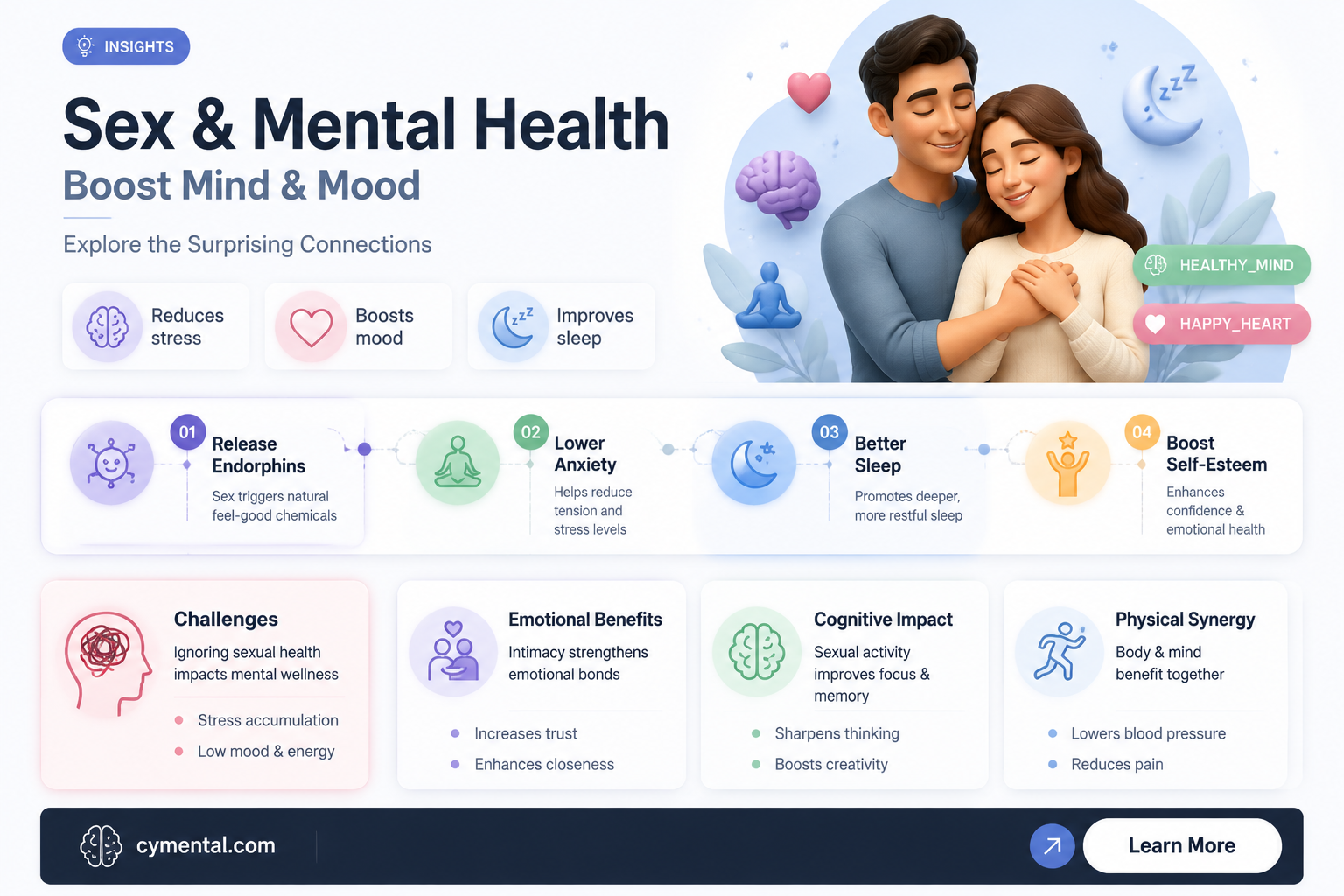
Sex and mental health are deeply interconnected, with growing research suggesting that sexual activity can have significant positive effects on psychological well-being. Engaging in consensual, fulfilling sex releases neurotransmitters like oxytocin, dopamine, and endorphins, which can reduce stress, alleviate anxiety, and boost mood. Additionally, physical intimacy fosters emotional connection and self-esteem, while regular sexual activity has been linked to improved sleep and reduced symptoms of depression. However, the relationship is complex, as factors like consent, communication, and individual experiences play crucial roles in determining whether sex enhances or detracts from mental health. Understanding this dynamic can shed light on how sexuality can be a tool for emotional healing and resilience.
| Characteristics | Values |
|---|---|
| Stress Reduction | Sexual activity triggers the release of endorphins and oxytocin, which reduce stress and promote relaxation. Studies show a significant decrease in cortisol levels post-sexual activity. |
| Mood Enhancement | Sex increases dopamine and serotonin levels, improving mood and reducing symptoms of depression and anxiety. Regular sexual activity is linked to higher life satisfaction. |
| Improved Sleep | Orgasm releases oxytocin and prolactin, which aid in falling asleep faster and improving sleep quality. Better sleep further supports mental health. |
| Boosted Self-Esteem | Positive sexual experiences can enhance self-worth and body image, contributing to better mental well-being. |
| Reduced Risk of Depression | Research indicates that individuals with a satisfying sex life have a lower risk of developing depression, partly due to increased emotional bonding. |
| Pain Relief | Endorphins released during sex act as natural painkillers, alleviating physical discomfort and indirectly benefiting mental health. |
| Enhanced Emotional Connection | Sexual intimacy fosters emotional bonding, reducing feelings of loneliness and isolation, which are risk factors for mental health issues. |
| Cognitive Benefits | Studies suggest that regular sexual activity may improve cognitive function and reduce the risk of cognitive decline, indirectly supporting mental health. |
| Regulation of Hormones | Sex helps regulate hormones like estrogen and testosterone, which play a role in mood stabilization and overall mental health. |
| Coping Mechanism | For some, sex serves as a healthy coping mechanism for stress and emotional challenges, though balance and consent are crucial. |
Explore related products


$14.34 $22




What You'll Learn
- Stress Reduction: Physical intimacy lowers cortisol, promoting relaxation and reducing anxiety
- Emotional Connection: Enhances bonding, boosts oxytocin, and fosters trust in relationships
- Mood Enhancement: Releases endorphins, dopamine, and serotonin, combating depression and improving mood
- Self-Esteem Boost: Positive sexual experiences can increase confidence and self-worth
- Sleep Improvement: Post-intimacy relaxation aids better sleep, benefiting overall mental well-being

Stress Reduction: Physical intimacy lowers cortisol, promoting relaxation and reducing anxiety
Physical intimacy, particularly sexual activity, acts as a natural stress reliever by directly influencing cortisol levels in the body. Cortisol, often referred to as the stress hormone, spikes during periods of anxiety or tension. Engaging in sexual activity triggers the release of endorphins and oxytocin, which counteract cortisol’s effects. Studies show that even a 15-minute session of intimate physical contact can lower cortisol by up to 20%, promoting a sense of calm and relaxation. This biochemical response is not just theoretical; it’s a measurable, immediate benefit of physical intimacy.
To maximize stress reduction through physical intimacy, consistency is key. Aim for at least two to three sessions of intimate activity per week, as this frequency has been linked to sustained lower cortisol levels. For couples, incorporating mindfulness techniques—such as deep breathing or focusing on sensory experiences—can enhance the stress-relieving effects. Singles can achieve similar benefits through self-stimulation, which also triggers endorphin release and cortisol reduction. The goal is to create a routine that prioritizes relaxation and connection, whether with a partner or oneself.
Comparing physical intimacy to other stress-relief methods highlights its unique advantages. While exercise and meditation are effective, they often require significant time and mental effort. Physical intimacy, on the other hand, combines emotional connection with physiological benefits in a shorter timeframe. For instance, a 30-minute workout may reduce stress, but it lacks the bonding hormone oxytocin, which is released during intimate moments. This makes sex a dual-purpose activity—alleviating stress while strengthening relationships.
Practical tips can further enhance the stress-reducing effects of physical intimacy. Start by setting a relaxing environment: dim lighting, soft music, and comfortable surroundings can amplify the experience. For those with busy schedules, even a brief 10-minute session of cuddling or kissing can lower cortisol levels. Additionally, communication is crucial; discussing stress triggers with a partner can deepen emotional connection, making the physical act more effective in reducing anxiety. By integrating these strategies, physical intimacy becomes a powerful tool in managing stress and improving mental well-being.
Effective Strategies to Help Others: A Comprehensive Guide to Support
You may want to see also
Explore related products


Emotional Connection: Enhances bonding, boosts oxytocin, and fosters trust in relationships
Physical intimacy, when rooted in emotional connection, acts as a powerful catalyst for bonding. During sexual activity, the brain releases oxytocin, often dubbed the "love hormone," which promotes feelings of attachment and closeness. Studies show that higher oxytocin levels correlate with increased relationship satisfaction and perceived partner responsiveness. For instance, couples who engage in affectionate touch and mindful intimacy report stronger emotional bonds compared to those who focus solely on physical pleasure. To maximize this benefit, prioritize non-sexual physical affection—holding hands, cuddling, or gentle massages—before and after intimate moments. This primes the brain to associate closeness with emotional safety, deepening the connection.
Consider the mechanics of trust-building in this context. Vulnerability is a prerequisite for intimacy, and when partners consistently respond with empathy and care, trust flourishes. A 2018 study in the *Journal of Social and Personal Relationships* found that individuals who felt emotionally supported during sexual experiences were 40% more likely to report higher levels of trust in their relationship. Practical steps include setting aside dedicated time for open communication about desires, boundaries, and fears. For example, a weekly "check-in" conversation can create a safe space for partners to express themselves without judgment, reinforcing the emotional foundation of their intimacy.
From a comparative standpoint, the emotional benefits of sex extend beyond romantic relationships. Friends with benefits or consensually non-monogamous arrangements often report enhanced emotional connection when physical intimacy is paired with clear communication and mutual respect. However, these dynamics require even greater intentionality to avoid misunderstandings. A key takeaway is that oxytocin release alone isn’t enough—it’s the emotional context that determines whether intimacy strengthens or weakens bonds. For instance, a 2020 study revealed that individuals in emotionally detached sexual relationships experienced a 25% increase in anxiety, underscoring the importance of alignment between physical and emotional intimacy.
To harness the mental health benefits of emotional connection through sex, start with small, consistent actions. Incorporate eye contact, verbal affirmations, and active listening during intimate moments. For couples struggling with emotional disconnection, a "touch-only" exercise—where partners focus solely on physical sensation without performance pressure—can rebuild trust. Additionally, mindfulness practices, such as deep breathing or synchronized movements, can amplify oxytocin release and emotional resonance. Remember, the goal isn’t perfection but presence—being fully engaged in the moment with your partner. By weaving emotional intentionality into physical intimacy, you create a feedback loop that nurtures both mental well-being and relational resilience.
Overcoming Mental Blocks: Strategies to Support Athletes' Performance and Resilience
You may want to see also
Explore related products


Mood Enhancement: Releases endorphins, dopamine, and serotonin, combating depression and improving mood
Sex acts as a natural mood booster, leveraging the body’s chemistry to combat depression and elevate emotional well-being. During sexual activity, the brain releases a trio of neurotransmitters—endorphins, dopamine, and serotonin—each playing a distinct role in mood regulation. Endorphins, often dubbed “feel-good” hormones, act as natural painkillers and stress relievers. Dopamine, the brain’s reward chemical, enhances pleasure and motivation. Serotonin, linked to happiness and stability, helps regulate mood and anxiety. Together, these chemicals create a biochemical symphony that can counteract symptoms of depression and foster a sense of contentment.
To maximize these benefits, consistency is key. Engaging in sexual activity 2–3 times per week has been shown to maintain optimal levels of these neurotransmitters, according to studies on human bonding and mental health. For individuals in relationships, incorporating intimacy into a routine can strengthen emotional connections while reaping the mood-enhancing effects. Solo sexual activity, such as masturbation, also triggers these chemical releases, offering a viable option for those without partners. Practical tips include setting aside dedicated time, creating a relaxing environment, and focusing on the sensory experience to amplify the brain’s response.
However, it’s essential to approach this strategy with awareness of individual differences. For some, particularly those with severe depression or trauma, sexual activity may not yield immediate benefits and could even trigger negative emotions. In such cases, combining intimacy with professional mental health support, such as therapy or medication, can create a more balanced approach. Additionally, mindfulness practices during sexual activity—like deep breathing or present-moment awareness—can enhance the release of serotonin, further stabilizing mood.
Comparatively, while exercise and meditation also boost endorphins and serotonin, sex uniquely combines physical stimulation with emotional connection, offering a dual benefit. Unlike pharmaceuticals, which may have side effects or require precise dosing, sexual activity is a natural, accessible method for mood enhancement. For older adults, maintaining sexual activity can counteract age-related declines in neurotransmitter production, promoting mental resilience. By understanding and harnessing this biochemical process, individuals can use sex as a proactive tool in their mental health toolkit, fostering both immediate and long-term emotional well-being.
Meditation's Impact: Enhancing Mental Health and Emotional Well-being
You may want to see also
Explore related products


$23.83 $44.99


Self-Esteem Boost: Positive sexual experiences can increase confidence and self-worth
Positive sexual experiences act as a mirror, reflecting back a sense of desirability and worthiness. When we feel desired, accepted, and appreciated by a partner, it challenges negative self-perceptions and fosters a more positive self-image. This is particularly impactful for individuals struggling with body image issues or past traumas, as it provides tangible evidence that they are worthy of love and pleasure.
Consider the neurological underpinnings: during sexual activity, the brain releases oxytocin, often dubbed the “love hormone,” which promotes feelings of connection and well-being. Simultaneously, dopamine floods the system, reinforcing the experience as rewarding. Over time, these biochemical responses can rewire self-perception, making it easier to internalize positive affirmations about one’s body, attractiveness, and value.
To harness this effect, focus on creating intentional, consensual, and emotionally safe sexual encounters. Communicate openly with your partner about what makes you feel valued and desired. Incorporate non-sexual affirmations into intimate moments, such as compliments about specific traits or actions. For solo experiences, practice self-touch with mindfulness, focusing on sensations rather than judgments. Aim for at least one positive sexual experience per week, whether partnered or solo, to build a consistent foundation of self-worth.
However, caution is necessary. Negative sexual experiences can have the opposite effect, eroding self-esteem rather than building it. Ensure all encounters are consensual, respectful, and aligned with your boundaries. If past traumas are a barrier, consider working with a therapist to address these issues before seeking sexual validation. Remember, the goal is not to derive all self-worth from sexual experiences but to use them as one tool in a broader toolkit for self-acceptance.
Incorporating positive sexuality into your life requires patience and self-compassion. Start small—perhaps by setting aside time for self-exploration or initiating a conversation with a partner about desires and insecurities. Track your emotional responses over time, noting shifts in how you perceive yourself. With consistent effort, these experiences can become a powerful catalyst for lasting self-esteem, proving that intimacy, when approached mindfully, is not just physical but profoundly transformative.
Mental Therapists and SSI Disability: Can Therapy Strengthen Your Claim?
You may want to see also
Explore related products

$6.01 $9.99


Sleep Improvement: Post-intimacy relaxation aids better sleep, benefiting overall mental well-being
The post-intimacy glow isn't just a romantic notion; it's a physiological phenomenon with tangible benefits for sleep quality. Orgasm triggers the release of oxytocin, often dubbed the "love hormone," which promotes feelings of relaxation and trust. Simultaneously, prolactin, another hormone released during sexual activity, induces drowsiness. This hormonal cocktail creates a natural sedative effect, making it easier to transition into a restful sleep state.
Studies suggest that even brief sexual activity can significantly improve sleep onset latency, meaning you'll fall asleep faster.
While the biological mechanisms are compelling, the psychological aspects of post-intimacy relaxation shouldn't be overlooked. Sharing physical intimacy fosters a sense of connection and security, reducing stress and anxiety – common culprits of sleep disturbances. The emotional closeness experienced during and after sex can act as a buffer against racing thoughts and worries, allowing the mind to quieten and prepare for sleep. This emotional regulation is particularly beneficial for individuals struggling with insomnia linked to stress or relationship issues.
For optimal sleep benefits, aim for sexual activity 1-2 hours before your intended bedtime. This allows the body to fully experience the hormonal shifts and emotional relaxation without feeling rushed.
It's important to note that the sleep-enhancing effects of sex aren't limited to penetrative intercourse. Any form of intimate physical contact, including cuddling, kissing, and mutual masturbation, can trigger the release of oxytocin and prolactin, leading to improved sleep quality. This inclusivity is crucial, as it allows individuals with varying sexual preferences, abilities, and relationship statuses to reap the sleep benefits of intimacy. Experimenting with different forms of physical connection can help individuals discover what works best for their unique needs and preferences.
To maximize the sleep-promoting potential of post-intimacy relaxation, create a conducive environment. Keep the bedroom cool, dark, and quiet. Avoid stimulating activities like watching TV or scrolling through social media after sex, as these can counteract the calming effects. Instead, engage in activities that further enhance relaxation, such as deep breathing exercises, light stretching, or listening to soothing music. By combining the physiological and psychological benefits of intimacy with a sleep-friendly environment, you can unlock a powerful tool for improving both your sleep and overall mental well-being.
Supporting Your Adult Son’s Mental Health: Practical Steps for Parents
You may want to see also
Frequently asked questions
Yes, sex can positively impact mental health by releasing endorphins, reducing stress, and promoting feelings of intimacy and connection, which can alleviate symptoms of anxiety and depression.
Sexual activity triggers the release of oxytocin and dopamine, which counteract stress hormones like cortisol, leading to relaxation and improved mood.
Yes, orgasms release prolactin, a hormone that promotes sleepiness, helping individuals fall asleep faster and improve overall sleep quality, which is crucial for mental well-being.
Absolutely, physical intimacy and positive sexual experiences can enhance self-esteem, foster a sense of desirability, and strengthen emotional bonds, all of which contribute to better mental health.