Caleb Wright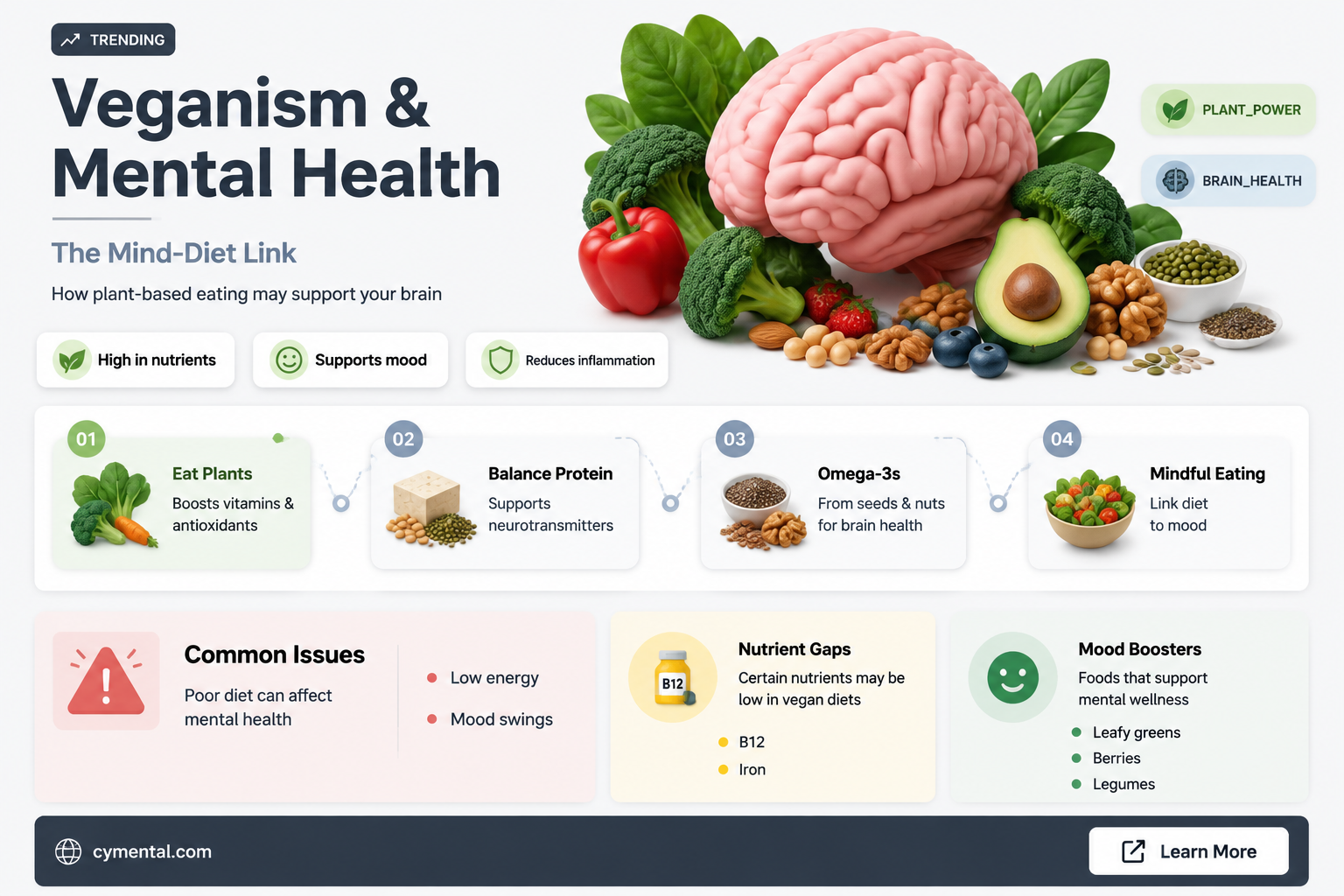
The relationship between diet and mental health has gained significant attention in recent years, with growing interest in whether adopting a vegan lifestyle can positively impact psychological well-being. A vegan diet, which excludes all animal products, is often rich in fruits, vegetables, whole grains, and plant-based proteins, providing essential nutrients that support brain function. Research suggests that such a diet may reduce inflammation, improve gut health, and increase intake of antioxidants, all of which are linked to better mental health outcomes. Additionally, ethical considerations associated with veganism, such as reducing harm to animals and the environment, may contribute to a sense of purpose and moral satisfaction, potentially alleviating stress and anxiety. While more studies are needed to establish a definitive link, preliminary evidence and anecdotal reports indicate that going vegan could be a valuable component of a holistic approach to mental health.
| Characteristics | Values |
|---|---|
| Impact on Mood | Some studies suggest a vegan diet may improve mood due to increased intake of nutrients like magnesium, folate, and vitamin C, which are linked to reduced depression and anxiety. |
| Reduction in Inflammation | Plant-based diets are rich in antioxidants and anti-inflammatory compounds, potentially reducing systemic inflammation, which is linked to improved mental health. |
| Gut-Brain Axis | Vegan diets promote a healthier gut microbiome by increasing fiber intake, which supports the production of neurotransmitters like serotonin, positively influencing mental well-being. |
| Ethical Considerations | For some individuals, the ethical alignment of a vegan lifestyle (e.g., reducing animal suffering) can reduce cognitive dissonance and improve psychological satisfaction, indirectly benefiting mental health. |
| Nutrient Deficiencies Risk | Poorly planned vegan diets may lead to deficiencies in B12, omega-3s, iron, and zinc, which are critical for brain function and mental health, potentially worsening conditions like depression or anxiety. |
| Social and Cultural Factors | Vegans may face social challenges (e.g., stigma, limited food options), which can increase stress or feelings of isolation, negatively impacting mental health. |
| Weight Management | Vegan diets are often associated with weight loss, which can improve self-esteem and reduce symptoms of depression in some individuals. |
| Environmental Impact | Knowing their diet reduces environmental harm may provide psychological benefits (e.g., reduced eco-anxiety) for some individuals. |
| Individual Variability | The mental health impact of going vegan varies widely based on factors like pre-existing conditions, diet quality, and personal beliefs. |
| Research Limitations | Current studies are mixed, with some showing benefits and others finding no significant impact. More longitudinal research is needed to establish clear causal links. |
Explore related products


What You'll Learn
- Reduced Inflammation: Vegan diets lower inflammation, linked to improved mood and reduced anxiety symptoms
- Nutrient Impact: Plant-based diets rich in vitamins and minerals support brain health and stability
- Ethical Satisfaction: Aligning diet with values reduces cognitive dissonance, enhancing emotional well-being
- Gut-Brain Connection: Vegan diets promote gut health, positively influencing mental health via microbiome balance
- Stress Reduction: Lower saturated fats and higher antioxidants may reduce stress hormone levels

Reduced Inflammation: Vegan diets lower inflammation, linked to improved mood and reduced anxiety symptoms
Chronic inflammation, often triggered by diets high in processed foods, saturated fats, and refined sugars, is increasingly recognized as a silent contributor to mental health issues. Vegan diets, rich in anti-inflammatory foods like fruits, vegetables, nuts, seeds, and legumes, naturally combat this underlying issue. For instance, leafy greens such as spinach and kale are packed with magnesium, a mineral shown to reduce inflammation markers like C-reactive protein (CRP). Similarly, berries, abundant in antioxidants, neutralize free radicals that drive inflammatory processes. By prioritizing these foods, individuals can create a dietary foundation that actively reduces systemic inflammation, a key factor in mental well-being.
Consider the mechanism: inflammation disrupts the blood-brain barrier, allowing harmful substances to enter the brain and interfere with neurotransmitter function. This disruption is linked to mood disorders like depression and anxiety. A study published in the *Journal of Affective Disorders* found that participants following a vegan diet for 16 weeks experienced significant reductions in CRP levels and reported improved mood scores compared to a control group. Practical steps to harness this benefit include incorporating turmeric, a potent anti-inflammatory spice, into daily meals and swapping inflammatory oils like soybean or corn oil for olive or avocado oil, which are rich in monounsaturated fats.
However, not all vegan diets are created equal. A diet heavy in processed vegan foods—think vegan burgers, fries, and sugary snacks—can still promote inflammation due to high levels of refined carbohydrates and additives. To maximize the anti-inflammatory potential of a vegan diet, focus on whole, unprocessed foods. For example, start the day with a smoothie blending spinach, berries, flaxseeds, and almond milk, providing a concentrated dose of anti-inflammatory compounds. For meals, prioritize dishes like lentil stews, quinoa salads, and roasted vegetables seasoned with herbs and spices like ginger and garlic, which have proven anti-inflammatory properties.
Age and lifestyle factors also play a role in how effectively a vegan diet reduces inflammation. Younger adults may see quicker results due to higher metabolic rates, while older individuals might need to pair dietary changes with regular physical activity to enhance benefits. Regardless of age, consistency is key. Gradually phasing out inflammatory foods while introducing anti-inflammatory options allows the body to adapt without feeling deprived. Tracking progress through mood journals or inflammation markers like CRP can provide tangible motivation, reinforcing the connection between diet and mental health.
In conclusion, a well-planned vegan diet offers a powerful tool for reducing inflammation and, by extension, improving mental health. By focusing on whole, nutrient-dense foods and avoiding processed alternatives, individuals can create a sustainable dietary pattern that supports both body and mind. Small, intentional changes—like swapping inflammatory oils or incorporating daily servings of leafy greens—can yield significant long-term benefits. This approach not only addresses the root cause of many mental health issues but also empowers individuals to take proactive control of their well-being.
Overcoming Mental Blocks: Strategies to Support Athletes' Performance and Resilience
You may want to see also
Explore related products


Nutrient Impact: Plant-based diets rich in vitamins and minerals support brain health and stability
Plant-based diets are inherently rich in nutrients that directly influence brain function and mental stability. Leafy greens like spinach and kale, for instance, are packed with folate, a B vitamin crucial for neurotransmitter production. A deficiency in folate has been linked to depression, making these vegetables a powerful tool in mood regulation. Similarly, nuts and seeds provide magnesium, a mineral that supports nerve function and reduces anxiety. Incorporating these foods into daily meals isn’t just about adding variety—it’s a strategic move to fortify mental resilience.
Consider the role of antioxidants in plant-based diets, which combat oxidative stress, a known contributor to mental health disorders. Berries, dark chocolate, and artichokes are loaded with antioxidants like flavonoids and polyphenols. Studies suggest that a diet high in these compounds can reduce symptoms of depression and improve cognitive function. For example, a handful of blueberries daily provides enough anthocyanins to potentially lower inflammation in the brain. This isn’t just theoretical—it’s a practical, measurable way to support mental health through diet.
Omega-3 fatty acids, often associated with fish, are equally accessible in plant sources like flaxseeds, chia seeds, and walnuts. These fats are essential for brain structure and function, yet many diets fall short in providing adequate amounts. A tablespoon of ground flaxseed, for instance, delivers about 1.8 grams of alpha-linolenic acid (ALA), a precursor to the brain-boosting EPA and DHA. Pairing these foods with vitamin C-rich options like oranges enhances ALA conversion, ensuring maximum benefit. This simple adjustment can bridge the nutrient gap often cited as a concern in vegan diets.
Practical implementation is key. Start by replacing one animal-based meal daily with a plant-rich alternative, focusing on nutrient density. For breakfast, swap eggs for a smoothie with spinach, banana, and almond butter, combining folate, magnesium, and healthy fats. For dinner, opt for a lentil stew fortified with turmeric, which has anti-inflammatory properties beneficial for brain health. Small, intentional changes like these accumulate over time, creating a foundation for mental stability without overwhelming dietary shifts.
Finally, while plant-based diets offer significant mental health benefits, they require mindfulness to avoid deficiencies. Vitamin B12, primarily found in animal products, is critical for nerve function and mood regulation. Vegans must supplement with 250–1000 mcg of B12 weekly or include fortified foods like nutritional yeast. Similarly, monitoring iron and zinc intake through sources like lentils and pumpkin seeds ensures balanced nutrition. With careful planning, a vegan diet doesn’t just support mental health—it actively enhances it.
Supporting Friends Through Mental Health Struggles: Compassionate Steps to Take
You may want to see also
Explore related products


Ethical Satisfaction: Aligning diet with values reduces cognitive dissonance, enhancing emotional well-being
Living a life that aligns with your values is a powerful act of self-care, and this principle extends to the food on your plate. For many, the decision to go vegan is not merely a dietary choice but a moral stance, a commitment to reducing harm to animals and the planet. This ethical alignment can significantly impact mental health, particularly in the realm of cognitive dissonance.
Cognitive dissonance, a term coined by psychologist Leon Festinger, refers to the mental discomfort experienced when holding two or more contradictory beliefs, values, or ideas simultaneously. In the context of diet, this might occur when an individual who values animal welfare continues to consume animal products, creating an internal conflict. For instance, a person who loves animals and believes in their right to live free from suffering may experience dissonance when eating meat, knowing the conditions in which many farm animals are raised. This dissonance can lead to feelings of guilt, anxiety, and even depression.
Adopting a vegan lifestyle can be a direct solution to this internal conflict. By eliminating animal products from one's diet, individuals can ensure their actions reflect their values, thereby reducing cognitive dissonance. This alignment of diet and ethics can lead to a sense of integrity and authenticity, which are essential for emotional well-being. Research supports this idea; a study published in the *Journal of Personality and Social Psychology* found that participants who made choices consistent with their values reported higher levels of life satisfaction and positive affect.
The process of going vegan can be a journey of self-discovery and empowerment. It often involves education about the food industry, animal agriculture, and the environmental impact of dietary choices. This knowledge can be a powerful tool, enabling individuals to make informed decisions and feel more in control of their lives. For example, learning about the environmental benefits of a plant-based diet might motivate someone to stick to veganism, knowing their actions contribute to a more sustainable world. This sense of purpose and contribution to a greater good can be a significant boost to mental health.
However, it's essential to approach this transition mindfully. Going vegan should be a personal choice, not a source of additional stress or anxiety. Some practical tips include starting gradually, perhaps by adopting a 'Meatless Monday' approach and slowly increasing plant-based meals. Seeking support from vegan communities, both online and offline, can provide valuable guidance and a sense of belonging. Additionally, consulting a dietician or nutritionist can ensure that the diet remains balanced and nutritious, addressing any concerns about potential nutrient deficiencies.
In summary, aligning one's diet with personal values through veganism can be a powerful tool for enhancing mental health. By reducing cognitive dissonance, individuals can experience increased emotional well-being and a sense of integrity. This approach to diet is not just about physical health but also about nurturing the mind and spirit, offering a holistic path to a more satisfying and authentic life.
CBD and Mental Health: Exploring Its Potential Benefits and Effects
You may want to see also
Explore related products

$21.02 $26


Gut-Brain Connection: Vegan diets promote gut health, positively influencing mental health via microbiome balance
The gut-brain axis is a bidirectional communication system linking emotional and cognitive centers of the brain with intestinal functions. Recent studies highlight that a vegan diet, rich in fiber, polyphenols, and prebiotics, fosters a diverse gut microbiome, which is crucial for producing neurotransmitters like serotonin and GABA. For instance, 90% of serotonin, a mood regulator, is synthesized in the gut. By eliminating animal products and increasing plant-based foods, vegans often consume 25–30 grams of fiber daily, compared to the average 15 grams in omnivorous diets. This fiber acts as a substrate for beneficial bacteria, promoting their growth and activity.
To harness the gut-brain connection through a vegan diet, focus on fermented foods like kimchi, tempeh, and miso, which introduce live probiotics. Incorporate prebiotic-rich foods such as garlic, onions, and bananas to feed these microbes. A study in *Nature* found that participants on a plant-based diet for 12 weeks showed increased levels of *Faecalibacterium prausnitzii*, a bacterium linked to reduced inflammation and improved mood. Pairing these foods with polyphenol sources like berries, nuts, and seeds enhances microbial diversity. For optimal results, aim for 5–7 servings of colorful vegetables daily and include a variety of whole grains like quinoa and barley.
However, transitioning to a vegan diet requires caution. Rapid dietary changes can disrupt gut balance initially, causing bloating or discomfort. Gradually increase fiber intake and stay hydrated to minimize side effects. Avoid over-reliance on processed vegan foods, which lack the nutrients and fiber of whole plants. For those with pre-existing gut conditions like IBS, consult a dietitian to tailor the diet. Additionally, consider a vitamin B12 supplement, as deficiency can impair neurotransmitter function and exacerbate mental health issues.
The evidence is compelling: a well-planned vegan diet can significantly enhance mental health by nurturing the gut microbiome. By prioritizing whole, plant-based foods and mindful transitions, individuals can leverage this gut-brain connection to improve mood, reduce anxiety, and promote cognitive clarity. Start small—swap one meal a day for a plant-based option, gradually building a sustainable, gut-friendly routine. The key lies in consistency and variety, ensuring the microbiome thrives and, in turn, supports mental well-being.
Gratitude's Power: Enhancing Mental Health and Emotional Well-being
You may want to see also
Explore related products


Stress Reduction: Lower saturated fats and higher antioxidants may reduce stress hormone levels
The link between diet and stress is a delicate balance of biochemistry. Saturated fats, prevalent in animal products, can trigger inflammation and disrupt the hypothalamic-pituitary-adrenal (HPA) axis, our body's stress response system. This disruption often leads to elevated cortisol levels, the primary stress hormone, which over time can contribute to anxiety, depression, and even cognitive decline. Conversely, antioxidants found abundantly in plant-based foods like berries, leafy greens, and nuts, act as a counterforce. They neutralize free radicals, reduce oxidative stress, and support the HPA axis in maintaining hormonal equilibrium.
Consider this: a study published in the *Journal of Nutritional Biochemistry* found that participants who consumed a diet high in saturated fats experienced a 25% increase in cortisol levels compared to those on a low-saturated-fat diet. Meanwhile, research from the *American Journal of Clinical Nutrition* highlights that a diet rich in antioxidants can lower cortisol by up to 15%. These findings underscore the potential of a vegan diet, naturally low in saturated fats and high in antioxidants, to mitigate stress at a hormonal level.
To harness these benefits, focus on practical dietary shifts. Replace butter with avocado or olive oil, swap red meat for lentils or chickpeas, and incorporate antioxidant-rich foods like spinach, blueberries, and dark chocolate into daily meals. Aim for at least 5 servings of fruits and vegetables daily, ensuring a diverse intake of phytonutrients. For those new to veganism, start small: begin with meatless Mondays, gradually increasing plant-based meals throughout the week.
However, caution is warranted. Simply eliminating animal products doesn’t guarantee stress reduction if the diet lacks variety or relies heavily on processed vegan foods, which can be high in unhealthy fats and sugars. Pair dietary changes with lifestyle habits like regular exercise, adequate sleep, and mindfulness practices for optimal results.
In conclusion, a vegan diet’s inherent reduction in saturated fats and boost in antioxidants offers a tangible pathway to lower stress hormone levels. By making informed, intentional food choices, individuals can leverage this dietary approach to foster mental resilience and emotional well-being.
Brain Scans and Mental Health: Unlocking Diagnostic Potential for Illnesses
You may want to see also
Frequently asked questions
Some studies suggest a vegan diet may improve mental health by reducing inflammation, increasing intake of mood-boosting nutrients (like magnesium and folate), and promoting a healthier gut microbiome, which is linked to brain health.
Research is mixed, but some studies indicate that plant-based diets rich in fruits, vegetables, and whole grains may lower symptoms of anxiety and depression due to higher antioxidant and fiber intake, though individual results vary.
For some, restrictive diets like veganism can lead to stress, nutrient deficiencies (e.g., B12, iron), or disordered eating patterns, potentially worsening mental health if not properly managed.
Yes, foods like leafy greens (rich in folate), nuts and seeds (high in omega-3s), and fermented foods (for gut health) are linked to improved mental well-being when included in a balanced vegan diet.
It depends on the individual. While a well-planned vegan diet may benefit some, others may need a different approach. Consulting a healthcare professional or dietitian is recommended before making significant dietary changes.