Caleb Wright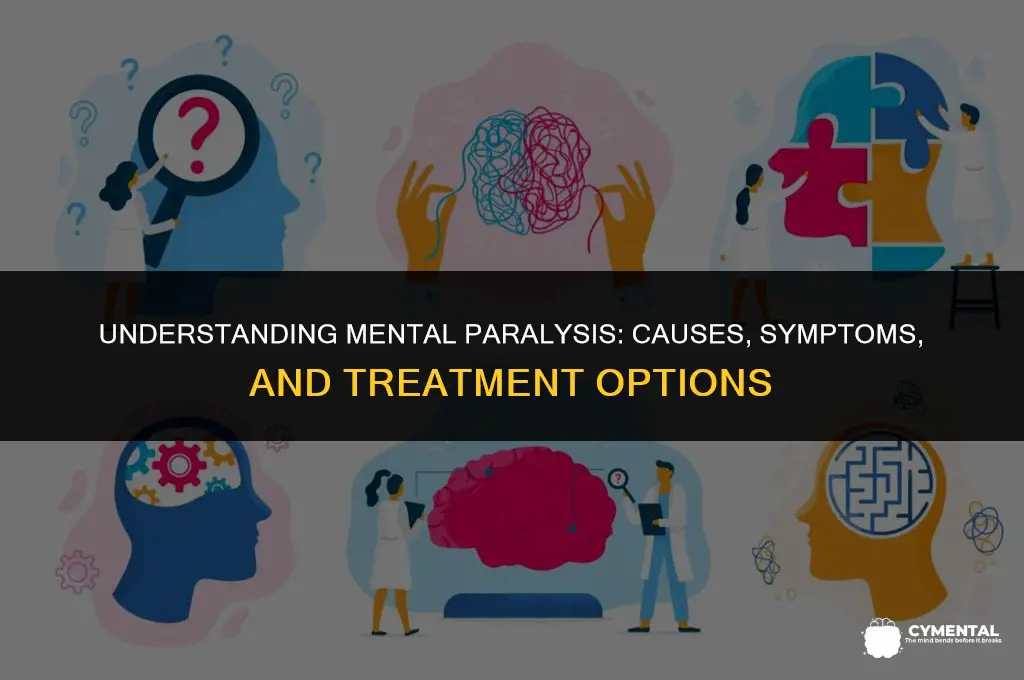
Mental paralysis, also known as psychological paralysis or dissociative paralysis, is a condition characterized by a temporary inability to move or respond to stimuli, often accompanied by a sense of being frozen or immobilized. This phenomenon can arise from various psychological factors, including extreme stress, anxiety, fear, or trauma. During an episode of mental paralysis, individuals may experience a profound sense of helplessness and disconnection from their surroundings, which can be both distressing and debilitating. Understanding the underlying causes and mechanisms of mental paralysis is crucial for developing effective interventions and supporting those affected by this condition.
| Characteristics | Values |
|---|---|
| Definition | Mental paralysis, also known as dissociative paralysis, is a condition where a person experiences a sudden and temporary loss of the ability to move or speak. |
| Causes | Often triggered by extreme stress, trauma, or a severe emotional shock. It can also be associated with underlying mental health conditions such as dissociative identity disorder or post-traumatic stress disorder. |
| Symptoms | Inability to move or speak, feeling of being frozen or immobilized, detachment from surroundings, and a sense of being outside one's body. |
| Duration | Episodes can last from a few minutes to several hours or even days in severe cases. |
| Treatment | Treatment typically involves psychotherapy, particularly cognitive-behavioral therapy (CBT) and exposure therapy. Medications such as antidepressants or anti-anxiety drugs may also be prescribed to manage symptoms. |
| Prognosis | With appropriate treatment, most individuals can recover from mental paralysis. However, the recovery process can be slow and may require ongoing therapy to address underlying issues. |
| Prevalence | Mental paralysis is relatively rare, but it can occur in individuals of any age, gender, or background. |
| Risk Factors | Previous trauma, history of mental health disorders, substance abuse, and exposure to extreme stressors. |
| Complications | Can lead to social isolation, difficulty in performing daily activities, and increased risk of developing other mental health conditions such as depression or anxiety disorders. |
| Support | Support groups and counseling can be beneficial for individuals experiencing mental paralysis, providing a safe space to share experiences and receive emotional support. |
| Research | Ongoing research is focused on understanding the neurological and psychological mechanisms underlying mental paralysis, as well as developing more effective treatment strategies. |
| Awareness | Raising awareness about mental paralysis is crucial in reducing stigma and ensuring that individuals affected by this condition receive appropriate care and support. |
Explore related products


What You'll Learn
- Definition: Mental paralysis refers to a psychological condition characterized by an inability to make decisions or take action
- Causes: It can be caused by various factors such as stress, anxiety, depression, or neurological disorders
- Symptoms: Individuals may experience feelings of being stuck, unable to move forward, or having a lack of motivation
- Treatment: Treatment options include therapy, medication, and lifestyle changes to address underlying causes
- Coping Strategies: Practicing mindfulness, setting small goals, and seeking support from loved ones can help manage symptoms

Definition: Mental paralysis refers to a psychological condition characterized by an inability to make decisions or take action
Mental paralysis, also known as decision paralysis or analysis paralysis, is a psychological state where an individual feels overwhelmed by the need to make a decision, leading to an inability to act. This condition can manifest in various aspects of life, from personal relationships to professional settings, and can significantly impact an individual's well-being and productivity.
One unique angle to explore when discussing mental paralysis is its relationship with perfectionism. Often, individuals experiencing mental paralysis are driven by a desire for perfection, which can lead to an excessive fear of making mistakes. This fear can be so paralyzing that it prevents them from taking any action at all, resulting in a cycle of inaction and anxiety.
Another important aspect to consider is the role of cognitive biases in mental paralysis. Cognitive biases, such as the sunk cost fallacy or the availability heuristic, can distort an individual's perception of reality and lead to irrational decision-making. In the context of mental paralysis, these biases can exacerbate the individual's inability to make decisions, as they may become fixated on irrelevant information or past experiences.
To overcome mental paralysis, it is essential to develop strategies for managing stress and anxiety, as well as techniques for improving decision-making skills. One effective approach is to practice mindfulness meditation, which can help individuals become more aware of their thoughts and emotions, and learn to respond to them in a more adaptive way. Additionally, setting clear goals and priorities, and breaking down complex decisions into smaller, more manageable steps, can help individuals regain a sense of control and agency.
In conclusion, mental paralysis is a complex psychological condition that can have a significant impact on an individual's life. By understanding the underlying causes and developing effective coping strategies, individuals can learn to overcome mental paralysis and regain their ability to make decisions and take action.
Wellness Essentials: Unveiling the Least Critical Step
You may want to see also
Explore related products

$9.99 $15.99




Causes: It can be caused by various factors such as stress, anxiety, depression, or neurological disorders
Mental paralysis, a condition characterized by an inability to move or speak despite being conscious, can be triggered by a variety of factors. Stress, often a precursor, can overwhelm the nervous system, leading to a shutdown in motor functions. This is particularly evident in situations where individuals face extreme pressure or traumatic events, causing their bodies to enter a state of heightened alertness that can culminate in paralysis.
Anxiety, closely linked to stress, can also induce mental paralysis. When anxiety becomes severe, it can manifest physically, disrupting the normal flow of neurotransmitters and impairing motor control. This is often seen in panic attacks, where the body's fight-or-flight response is activated, leading to symptoms such as trembling, shortness of breath, and an inability to move.
Depression, another significant contributor, can lead to mental paralysis through its impact on brain chemistry. The neurotransmitters serotonin and dopamine, which play crucial roles in mood regulation and motor function, are often imbalanced in individuals with depression. This imbalance can result in a lack of energy and motivation, progressing to a state where physical movement becomes challenging.
Neurological disorders, such as Parkinson's disease and multiple sclerosis, can also cause mental paralysis. These conditions affect the central nervous system, leading to difficulties in transmitting signals from the brain to the muscles. This results in muscle stiffness, tremors, and eventually, an inability to initiate voluntary movements.
Understanding the causes of mental paralysis is crucial for developing effective treatment strategies. By addressing the underlying factors, whether they are psychological or neurological, individuals can work towards regaining control over their bodies and improving their overall quality of life.
Unraveling Mental Health Myths: What's True About Mental Status Changes?
You may want to see also
Explore related products


Symptoms: Individuals may experience feelings of being stuck, unable to move forward, or having a lack of motivation
Individuals experiencing mental paralysis often report a pervasive sense of stagnation. This feeling of being stuck can manifest in various ways, such as an inability to make decisions, a lack of motivation to pursue goals, or a general sense of inertia that prevents them from moving forward in life. These symptoms can be particularly debilitating, as they not only affect one's personal life but also professional and social interactions.
One unique aspect of mental paralysis is the way it can distort an individual's perception of time. People may feel as though they are trapped in a never-ending cycle, where days blend into weeks and months pass without any significant progress. This temporal distortion can exacerbate feelings of hopelessness and despair, making it even more challenging to break free from the paralysis.
Another critical symptom is the profound lack of motivation that often accompanies mental paralysis. This is not merely a lack of energy or enthusiasm but a deep-seated apathy that can make even the simplest tasks feel insurmountable. Such a state can lead to a neglect of personal responsibilities, hygiene, and health, further compounding the individual's struggles.
Moreover, mental paralysis can manifest physically. Individuals may experience tension headaches, muscle stiffness, or chronic fatigue, which can be both symptoms and contributors to their mental state. These physical manifestations can serve as a tangible reminder of the paralysis, making it difficult for individuals to escape the cycle of inactivity and stagnation.
Breaking free from mental paralysis requires a multifaceted approach. Cognitive-behavioral therapy can help individuals reframe their thoughts and develop strategies to overcome feelings of stagnation. Additionally, setting small, achievable goals can provide a sense of accomplishment and gradually build motivation. Engaging in physical activity, even if it's just a short walk, can also help alleviate both mental and physical symptoms.
In conclusion, mental paralysis is a complex condition characterized by feelings of being stuck, a lack of motivation, and a distorted perception of time. Addressing these symptoms requires a comprehensive approach that combines therapeutic techniques, goal-setting, and physical activity to help individuals regain control and move forward in their lives.
Finding Solace: Gentle Ways to Comfort Yourself in Tough Times
You may want to see also
Explore related products





Treatment: Treatment options include therapy, medication, and lifestyle changes to address underlying causes
Cognitive-behavioral therapy (CBT) is a common therapeutic approach used to treat mental paralysis. CBT helps individuals identify and challenge negative thought patterns that contribute to their condition. By working with a therapist, patients can learn to reframe their thoughts and develop coping strategies to manage symptoms. In some cases, medication may be prescribed to alleviate symptoms of mental paralysis. Antidepressants, anti-anxiety medications, and mood stabilizers are among the types of drugs that may be used. It is essential to consult with a healthcare professional to determine the most appropriate medication and dosage for each individual case.
In addition to therapy and medication, lifestyle changes can play a significant role in addressing the underlying causes of mental paralysis. Regular exercise, a balanced diet, and adequate sleep are essential for maintaining overall mental health. Mindfulness practices, such as meditation and deep breathing exercises, can also help reduce stress and anxiety levels. Furthermore, social support is crucial for individuals experiencing mental paralysis. Connecting with friends and family, joining support groups, and engaging in community activities can help combat feelings of isolation and provide a sense of belonging.
It is important to note that treatment for mental paralysis should be tailored to each individual's specific needs and circumstances. A comprehensive treatment plan may involve a combination of therapy, medication, and lifestyle changes. With the right support and resources, individuals can learn to manage their symptoms and improve their overall quality of life.
Engaging Minds: Fun Ways to Mentally Stimulate Your Dog
You may want to see also
Explore related products




Coping Strategies: Practicing mindfulness, setting small goals, and seeking support from loved ones can help manage symptoms
Mindfulness practices, such as meditation and deep breathing exercises, can be instrumental in managing the symptoms of mental paralysis. By focusing on the present moment and observing thoughts without judgment, individuals can reduce feelings of overwhelm and regain a sense of control. It is recommended to start with short mindfulness sessions, gradually increasing the duration as comfort and proficiency grow.
Setting small, achievable goals is another effective coping strategy. Breaking down larger tasks into manageable steps can help alleviate the sense of being frozen or unable to act. This approach allows individuals to experience a sense of accomplishment and progress, which can be motivating and help to build momentum. It is important to set realistic goals and to celebrate each small victory along the way.
Seeking support from loved ones can also play a crucial role in managing symptoms. Talking to friends and family about experiences and feelings can help to reduce isolation and provide a sense of connection. It can also be beneficial to join support groups or seek professional counseling, as these resources can offer additional guidance and strategies for coping with mental paralysis.
In addition to these strategies, it is important to prioritize self-care and to engage in activities that promote overall well-being. This may include regular exercise, healthy eating, and getting enough sleep. By taking care of the body, individuals can better support their mental health and reduce the impact of symptoms.
It is also helpful to educate oneself about mental paralysis and its underlying causes. Understanding the condition can help individuals to better recognize and manage their symptoms. This may involve researching the latest treatments and therapies, as well as learning about the experiences of others who have faced similar challenges.
In conclusion, coping with mental paralysis requires a multifaceted approach that includes mindfulness practices, goal-setting, seeking support, self-care, and education. By incorporating these strategies into daily life, individuals can better manage their symptoms and improve their overall quality of life.
Understanding Intellectual Disabilities: A Modern Perspective
You may want to see also
Frequently asked questions
Mental paralysis, also known as mental block or psychological paralysis, is a state where an individual feels unable to think, make decisions, or perform mental tasks effectively. It's often characterized by a sense of being overwhelmed, stuck, or frozen in thought.
Mental paralysis can be caused by various factors, including stress, anxiety, fear, trauma, and neurological conditions. It can also result from mental exhaustion, information overload, or a lack of motivation and confidence.
Mental paralysis can significantly impact daily life by hindering an individual's ability to function normally. It can lead to difficulties in decision-making, problem-solving, and concentrating on tasks. This can affect work performance, relationships, and overall well-being.
Strategies to overcome mental paralysis include practicing relaxation techniques, such as meditation and deep breathing, to reduce stress and anxiety. Breaking tasks into smaller, manageable steps, setting realistic goals, and seeking support from friends, family, or professionals can also be helpful. Additionally, engaging in physical exercise and maintaining a healthy lifestyle can improve mental clarity and resilience.