Harper Lewis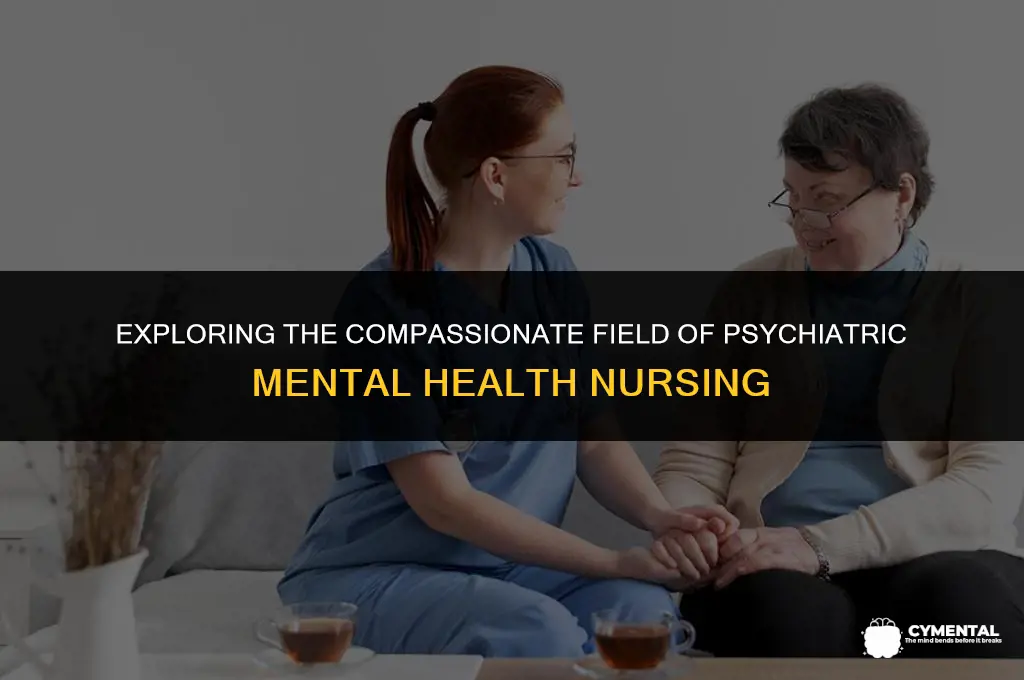
Psychiatric mental health nursing is a specialized field of nursing that focuses on the care and treatment of individuals with mental health disorders. It encompasses a wide range of services, including assessment, diagnosis, treatment, and support for patients experiencing various mental health challenges such as depression, anxiety, schizophrenia, and substance abuse disorders. Psychiatric nurses work in diverse settings, including hospitals, clinics, community centers, and private practices, and collaborate with other healthcare professionals to provide comprehensive care. They play a crucial role in promoting mental health, preventing illness, and supporting recovery by combining medical knowledge with a compassionate and empathetic approach to patient care.
| Characteristics | Values |
|---|---|
| Definition | Psychiatric mental health nursing is a specialized field of nursing that focuses on the care of individuals with mental health disorders and illnesses. |
| Primary Goal | The primary goal is to promote mental health, prevent mental illness, and provide care and support to individuals experiencing mental health issues. |
| Scope of Practice | Psychiatric nurses work in various settings including hospitals, clinics, community centers, schools, and private practices. They provide direct patient care, medication management, therapy, and support. |
| Education Requirements | Typically, a Bachelor of Science in Nursing (BSN) is required, along with a valid nursing license. Many psychiatric nurses also pursue a Master of Science in Nursing (MSN) with a focus on psychiatric mental health. |
| Key Skills | Essential skills include strong communication, empathy, patience, crisis intervention, and knowledge of psychotropic medications and their effects. |
| Patient Population | Psychiatric nurses care for a diverse population, including children, adolescents, adults, and the elderly, with various mental health conditions such as depression, anxiety, schizophrenia, and bipolar disorder. |
| Interdisciplinary Collaboration | They often work closely with psychiatrists, psychologists, social workers, and other healthcare professionals to provide comprehensive care. |
| Therapeutic Interventions | Interventions may include individual and group therapy, cognitive-behavioral therapy (CBT), dialectical behavior therapy (DBT), and other evidence-based practices. |
| Medication Management | Psychiatric nurses are responsible for administering and monitoring the effects of medications used to treat mental health disorders. |
| Crisis Management | They are trained to handle acute psychiatric crises, including suicide prevention and management of aggressive behavior. |
| Research and Evidence-Based Practice | Psychiatric nurses stay updated with the latest research and incorporate evidence-based practices into their patient care. |
| Professional Organizations | Key professional organizations include the American Psychiatric Nurses Association (APNA) and the International Society of Psychiatric and Mental Health Nurses (ISPN). |
| Certification | Nurses can obtain certification in psychiatric mental health nursing through organizations like the American Nurses Credentialing Center (ANCC). |
| Job Outlook | The job outlook for psychiatric nurses is positive, with a growing demand for mental health services and an aging population increasing the need for specialized care. |
| Challenges | Challenges in the field include managing high-stress situations, dealing with stigma surrounding mental illness, and ensuring access to care for underserved populations. |
| Rewards | Rewards include the opportunity to make a significant impact on patients' lives, the satisfaction of helping individuals recover and lead fulfilling lives, and the chance to work in a dynamic and rewarding healthcare environment. |
Explore related products


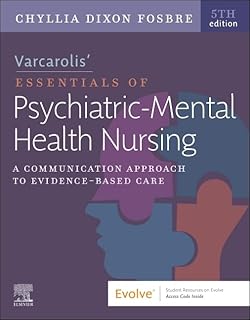

What You'll Learn
- Assessment and Diagnosis: Psychiatric nurses conduct thorough assessments to diagnose mental health conditions accurately
- Treatment Planning: Developing individualized care plans, including therapy and medication, to address patients' specific needs
- Crisis Intervention: Providing immediate support and care during mental health crises, such as suicidal ideation or psychotic episodes
- Patient Education: Educating patients about their conditions, treatment options, and strategies for managing their mental health
- Community Support: Connecting patients with community resources and support systems to promote ongoing mental wellness

Assessment and Diagnosis: Psychiatric nurses conduct thorough assessments to diagnose mental health conditions accurately
Psychiatric nurses play a crucial role in the accurate assessment and diagnosis of mental health conditions. Their expertise lies in conducting comprehensive evaluations that take into account a patient's psychological, social, and biological factors. This holistic approach ensures that diagnoses are not only accurate but also tailored to the individual needs of each patient.
The assessment process typically begins with a thorough review of the patient's medical history, including any previous psychiatric diagnoses, treatments, and hospitalizations. Psychiatric nurses then conduct a series of interviews and observations to gather information about the patient's current symptoms, coping mechanisms, and support systems. They may also administer standardized assessment tools, such as the Mini-Mental State Examination (MMSE) or the Beck Depression Inventory (BDI), to help identify specific mental health conditions.
In addition to these formal assessments, psychiatric nurses also rely on their clinical intuition and observational skills to detect subtle signs and symptoms that may not be immediately apparent. They are trained to recognize the complex interplay between mental and physical health and to consider the impact of cultural, socioeconomic, and environmental factors on a patient's mental well-being.
Once a diagnosis has been made, psychiatric nurses work collaboratively with other members of the healthcare team, including psychiatrists, social workers, and occupational therapists, to develop a comprehensive treatment plan. This plan may include medication management, psychotherapy, behavioral interventions, and community support services, depending on the patient's specific needs and preferences.
Throughout the treatment process, psychiatric nurses continue to monitor and assess the patient's progress, making adjustments to the treatment plan as needed. They also provide education and support to patients and their families, helping them to understand the diagnosis and treatment options and to develop coping strategies for managing mental health symptoms.
In conclusion, the role of psychiatric nurses in assessment and diagnosis is multifaceted and requires a high level of skill, knowledge, and compassion. By conducting thorough assessments and working collaboratively with other healthcare professionals, psychiatric nurses play a vital role in ensuring that patients receive accurate diagnoses and effective treatment for their mental health conditions.
Understanding Mental Health Parity: A Guide to Equal Care
You may want to see also
Explore related products


Treatment Planning: Developing individualized care plans, including therapy and medication, to address patients' specific needs
In the realm of psychiatric mental health nursing, treatment planning stands as a cornerstone of effective patient care. It involves the meticulous development of individualized care plans that address the unique needs of each patient. This process is multifaceted, requiring a deep understanding of the patient's condition, their personal history, and their specific goals for recovery.
The first step in treatment planning is a comprehensive assessment of the patient. This includes a thorough review of their medical and psychiatric history, as well as an evaluation of their current symptoms and functioning. Nurses must also consider the patient's social support system, their living situation, and any other factors that may impact their mental health.
Once the assessment is complete, the nurse works collaboratively with the patient to develop a care plan. This plan typically includes a combination of therapy and medication, tailored to the patient's specific needs. For example, a patient with depression may benefit from cognitive-behavioral therapy and an antidepressant medication, while a patient with schizophrenia may require a different type of therapy and antipsychotic medication.
The care plan also includes specific goals and objectives for the patient's treatment. These goals are often SMART (Specific, Measurable, Achievable, Relevant, and Time-bound), allowing the nurse to track the patient's progress over time. For instance, a goal for a patient with anxiety might be to reduce their anxiety levels by 50% within three months, as measured by a standardized anxiety scale.
Throughout the treatment process, the nurse regularly reviews and updates the care plan. This ensures that the plan remains relevant and effective, as the patient's needs and circumstances may change over time. The nurse also provides ongoing education and support to the patient, helping them to understand their condition and to manage their symptoms effectively.
In conclusion, treatment planning is a critical component of psychiatric mental health nursing. It requires a patient-centered approach, a deep understanding of the patient's condition, and a commitment to ongoing evaluation and adjustment. By developing individualized care plans that address the specific needs of each patient, nurses can help to improve outcomes and enhance the quality of life for those with mental health conditions.
Empowering Minds: A Guide to Becoming a Mental Health Volunteer
You may want to see also
Explore related products


![Psychiatric Mental Health Nursing Study Guide: PMHN Practitioner Exam Review Secrets, Full-Length Practice Test, Detailed Answer Explanations: [3rd Edition] (Mometrix Test Preparation)](https://m.media-amazon.com/images/I/719Plao-cKL._AC_UL320_.jpg)


Crisis Intervention: Providing immediate support and care during mental health crises, such as suicidal ideation or psychotic episodes
In the realm of psychiatric mental health nursing, crisis intervention stands as a critical component, providing immediate support and care during mental health crises such as suicidal ideation or psychotic episodes. This specialized approach is designed to address urgent mental health needs, stabilize the individual, and prevent potential harm. Psychiatric nurses play a pivotal role in crisis intervention, leveraging their expertise to assess the situation, provide emotional support, and implement evidence-based interventions to mitigate the crisis.
Effective crisis intervention in psychiatric mental health nursing involves a multifaceted approach. Firstly, nurses must be adept at recognizing the signs and symptoms of a mental health crisis, which can manifest in various ways such as sudden changes in behavior, expressions of hopelessness, or disorganized thinking. Once a crisis is identified, nurses must establish a therapeutic relationship with the individual, characterized by empathy, active listening, and non-judgmental communication. This relationship serves as the foundation for trust and cooperation, essential elements in the crisis intervention process.
A key aspect of crisis intervention is the development and implementation of a crisis plan. This plan, created collaboratively with the individual and other healthcare providers, outlines specific strategies and interventions to be employed during a crisis. It may include techniques such as cognitive-behavioral therapy, mindfulness practices, or medication management. Nurses must be well-versed in these interventions and able to adapt them to the unique needs of each individual. Additionally, they must be prepared to coordinate with other members of the healthcare team, including psychiatrists, social workers, and emergency responders, to ensure comprehensive care.
In the context of crisis intervention, psychiatric nurses also play a crucial role in educating individuals and their families about mental health conditions, treatment options, and self-care strategies. By empowering individuals with knowledge and skills, nurses can help them better manage their mental health and reduce the likelihood of future crises. Furthermore, nurses must be aware of the cultural and social factors that can influence mental health and crisis experiences, ensuring that their interventions are sensitive to these nuances.
In conclusion, crisis intervention in psychiatric mental health nursing is a complex and dynamic process that requires specialized knowledge, skills, and compassion. By providing immediate support and care during mental health crises, psychiatric nurses can significantly impact the lives of individuals, helping them navigate challenging times and move towards recovery and stability.
June: Shining a Light on Men's Mental Health Matters
You may want to see also
Explore related products

$17.02 $86.99


Patient Education: Educating patients about their conditions, treatment options, and strategies for managing their mental health
Patient education is a critical component of psychiatric mental health nursing, as it empowers individuals to take an active role in their recovery and well-being. By providing patients with comprehensive information about their conditions, treatment options, and strategies for managing their mental health, nurses can help reduce stigma, promote adherence to treatment plans, and improve overall outcomes.
One effective approach to patient education is through the use of psychoeducation groups. These groups bring together patients with similar conditions to learn about their illnesses, discuss coping strategies, and share experiences. Led by a trained nurse or therapist, psychoeducation groups can provide a supportive environment for patients to ask questions, express concerns, and gain insights from others who understand their struggles.
In addition to group settings, one-on-one education sessions can be tailored to meet the specific needs of individual patients. These sessions may include discussions about medication management, symptom monitoring, and crisis intervention techniques. Nurses can also provide patients with educational materials, such as brochures, videos, or online resources, to supplement their learning and reinforce key concepts.
Technology has also opened up new avenues for patient education in psychiatric mental health nursing. Mobile apps, for example, can offer patients access to educational content, mood tracking tools, and relaxation techniques at their fingertips. Telehealth platforms enable nurses to conduct virtual education sessions, making it easier for patients to access care from the comfort of their own homes.
Ultimately, the goal of patient education in psychiatric mental health nursing is to equip individuals with the knowledge, skills, and confidence to manage their conditions effectively and lead fulfilling lives. By providing patients with the tools they need to understand and navigate their mental health, nurses can help foster a sense of control, hope, and resilience.
Understanding Short-Term Disability Coverage for Mental Health Conditions
You may want to see also
Explore related products



Community Support: Connecting patients with community resources and support systems to promote ongoing mental wellness
Connecting patients with community resources and support systems is a vital component of psychiatric mental health nursing. This approach recognizes that mental wellness is not solely the absence of illness but also the presence of supportive networks and resources that can help individuals thrive. Psychiatric nurses play a crucial role in facilitating these connections, ensuring that patients have access to the tools and support they need to maintain their mental health.
One key aspect of community support is linking patients with local mental health organizations and support groups. These groups can provide a sense of community, reduce isolation, and offer practical advice and coping strategies. Psychiatric nurses can also help patients access online resources and telehealth services, which can be particularly beneficial for those in remote or underserved areas. Additionally, nurses can collaborate with social workers and other healthcare professionals to develop individualized care plans that incorporate community resources and support systems.
Another important element of community support is educating patients and their families about mental health and wellness. Psychiatric nurses can provide information on topics such as stress management, healthy coping mechanisms, and the importance of social connections. They can also help patients develop skills to navigate the mental health system and advocate for their own needs. By empowering patients with knowledge and skills, psychiatric nurses can help them take an active role in their own mental health care.
Furthermore, psychiatric nurses can work with community leaders and organizations to address broader social determinants of mental health, such as poverty, housing instability, and access to healthcare. By advocating for policy changes and community initiatives, nurses can help create a more supportive environment for mental wellness. This might involve participating in local coalitions, providing education to community groups, or collaborating with policymakers to develop mental health-focused legislation.
In conclusion, community support is a multifaceted approach that requires collaboration between healthcare professionals, patients, and community organizations. Psychiatric nurses are uniquely positioned to facilitate these connections, leveraging their knowledge of mental health and their skills in patient advocacy and education. By focusing on community support, psychiatric nurses can help promote ongoing mental wellness and improve the overall quality of life for their patients.
Unveiling Men's Mental Health Awareness Month: A Time for Reflection and Support
You may want to see also
Frequently asked questions
Psychiatric mental health nursing is a specialized field of nursing that focuses on the care of individuals with mental health disorders. Nurses in this field work to assess, diagnose, and treat mental health conditions, and they often collaborate with other healthcare professionals to provide comprehensive care.
Psychiatric mental health nurses are responsible for assessing patients' mental health needs, developing and implementing care plans, administering medications, providing psychotherapy, and educating patients and their families about mental health conditions and treatment options.
To become a psychiatric mental health nurse, one must first obtain a Bachelor of Science in Nursing (BSN) degree from an accredited nursing program. After completing the BSN, nurses must pass the National Council Licensure Examination (NCLEX-RN) to become licensed registered nurses. Additional training in psychiatric mental health nursing may be required, and many nurses in this field also pursue advanced degrees, such as a Master of Science in Nursing (MSN) or a Doctor of Nursing Practice (DNP).
Psychiatric mental health nurses face a number of challenges in their work, including managing patients with complex and severe mental health conditions, dealing with high levels of stress and burnout, and navigating the legal and ethical issues surrounding mental health care. Additionally, there is often a shortage of mental health professionals, which can lead to heavy workloads and limited resources.
Despite the challenges, working as a psychiatric mental health nurse can be incredibly rewarding. Nurses in this field have the opportunity to make a significant impact on the lives of their patients, helping them to manage their mental health conditions and improve their overall well-being. Additionally, psychiatric mental health nursing offers a sense of fulfillment and purpose, as well as opportunities for professional growth and development.