Caleb Wright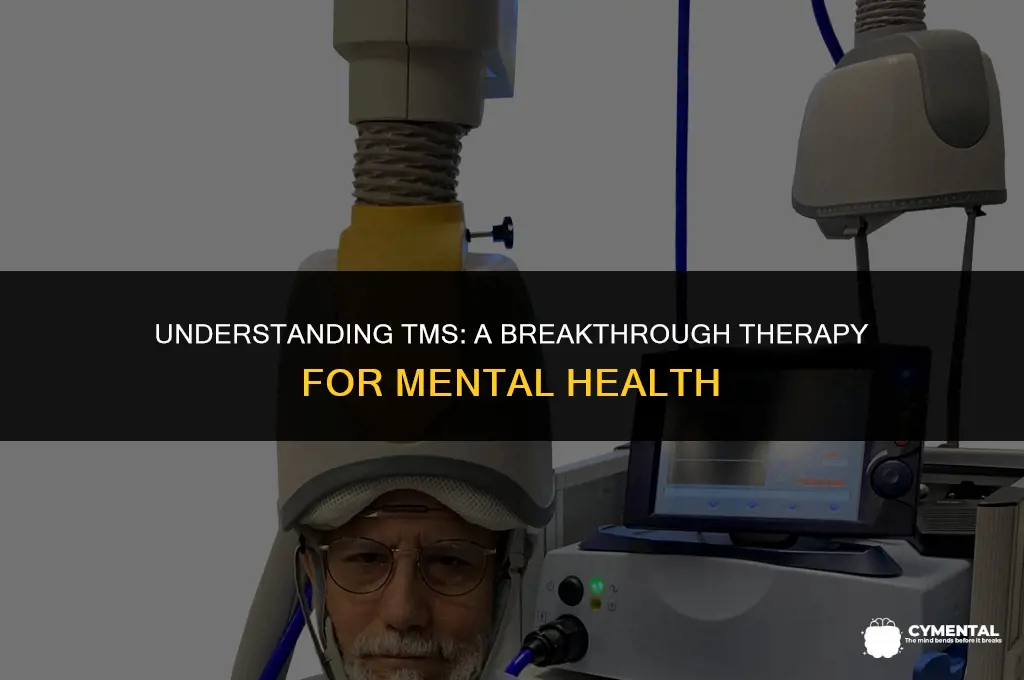
Transcranial Magnetic Stimulation (TMS) is a non-invasive procedure used in the field of mental health to treat various neurological and psychiatric conditions. It involves the use of magnetic fields to stimulate specific areas of the brain, which can help alleviate symptoms of disorders such as depression, anxiety, and obsessive-compulsive disorder (OCD). TMS is typically administered in a clinical setting by a trained professional and does not require anesthesia or sedation. The procedure is generally well-tolerated, with minimal side effects, making it an attractive option for individuals who have not responded well to traditional treatments like medication or psychotherapy. Research continues to explore the efficacy of TMS for a broader range of mental health conditions, and it is increasingly recognized as a valuable tool in the treatment arsenal of psychiatrists and neurologists.
| Characteristics | Values |
|---|---|
| Definition | Transcranial Magnetic Stimulation (TMS) is a noninvasive procedure that uses magnetic fields to stimulate nerve cells in the brain. |
| Purpose | TMS is used to treat various mental health conditions, including depression, anxiety, and obsessive-compulsive disorder (OCD). |
| Mechanism | It works by modulating the activity of neurons in specific areas of the brain, such as the prefrontal cortex, which is involved in mood regulation. |
| Procedure | During a TMS session, a magnetic coil is placed near the scalp, and brief magnetic pulses are delivered to the brain. |
| Duration | Each session typically lasts about 20-30 minutes, and multiple sessions may be required for optimal results. |
| Side Effects | Common side effects include headache, scalp discomfort, and facial twitching. Serious side effects are rare but can include seizures. |
| Contraindications | TMS is not recommended for individuals with metal implants in the head, pacemakers, or a history of seizures. |
| Efficacy | Research has shown that TMS can be effective in reducing symptoms of depression and anxiety, with some studies reporting significant improvements. |
| Comparison to Medication | TMS may be considered when antidepressant medications have not been effective or have caused intolerable side effects. |
| Accessibility | TMS is available in many mental health clinics and hospitals, but insurance coverage may vary. |
| Cost | The cost of TMS can be high, and it may not be fully covered by insurance, making it less accessible to some individuals. |
| Research | Ongoing research is exploring the use of TMS for other mental health conditions, such as post-traumatic stress disorder (PTSD) and bipolar disorder. |
| Safety | TMS is generally considered safe when performed by a trained professional, but it is important to discuss potential risks and benefits with a healthcare provider. |
| Patient Experience | Patients may experience a tapping or clicking sensation during the procedure, and some may find it uncomfortable. |
| Follow-up Care | After TMS treatment, patients may need to continue with other forms of therapy or medication to maintain their mental health. |
Explore related products


What You'll Learn
- Definition: Transcranial Magnetic Stimulation (TMS) is a non-invasive brain stimulation technique used to treat mental health disorders
- Mechanism: TMS uses magnetic fields to stimulate nerve cells in the brain, particularly in areas associated with mood regulation
- Uses: Commonly used to treat depression, TMS is also being studied for other conditions like anxiety and PTSD
- Procedure: A TMS session involves placing a magnetic coil near the scalp to deliver magnetic pulses to the brain
- Safety: TMS is generally safe with minimal side effects, such as headaches or scalp discomfort, and is well-tolerated by most patients

Definition: Transcranial Magnetic Stimulation (TMS) is a non-invasive brain stimulation technique used to treat mental health disorders
Transcranial Magnetic Stimulation (TMS) is a groundbreaking technique in the realm of mental health treatment. It utilizes magnetic fields to stimulate specific areas of the brain, offering a non-invasive alternative to traditional treatments. TMS has been particularly effective in addressing conditions such as depression, anxiety, and obsessive-compulsive disorder (OCD).
The procedure involves placing a TMS coil against the scalp, which then generates a magnetic field that penetrates the brain. This field stimulates the neurons in targeted regions, such as the prefrontal cortex, which is often implicated in mood regulation and executive functions. TMS therapy typically consists of multiple sessions, each lasting about 20 minutes, with the frequency of sessions varying depending on the individual's needs and the specific condition being treated.
One of the significant advantages of TMS is its minimal side effect profile compared to pharmacological treatments. Common side effects include mild headaches and scalp discomfort, which are generally well-tolerated by patients. TMS is also considered safe for individuals who may not respond well to medication or who are looking for an adjunctive therapy to enhance their current treatment regimen.
Research has shown that TMS can lead to significant improvements in mental health outcomes. For instance, studies have demonstrated that TMS can reduce symptoms of depression by up to 50% in some cases. It has also been shown to be effective in reducing the frequency and severity of anxiety attacks and OCD symptoms.
Despite its efficacy, TMS is not a first-line treatment for most mental health disorders. It is typically recommended for individuals who have not responded adequately to other forms of treatment, such as medication and psychotherapy. TMS is also not suitable for everyone; individuals with certain medical conditions, such as epilepsy or those with metal implants in the head, may not be candidates for this therapy.
In conclusion, Transcranial Magnetic Stimulation represents a promising advancement in the treatment of mental health disorders. Its non-invasive nature, coupled with its potential for significant symptom reduction, makes it an attractive option for individuals seeking alternative or adjunctive therapies. As research continues to evolve, TMS is likely to play an increasingly important role in the mental health treatment landscape.
Exploring Effective Mental Health Resources: A Comprehensive Guide
You may want to see also
Explore related products


Mechanism: TMS uses magnetic fields to stimulate nerve cells in the brain, particularly in areas associated with mood regulation
Transcranial Magnetic Stimulation (TMS) is a non-invasive procedure that utilizes magnetic fields to stimulate specific areas of the brain. This technique is particularly effective in targeting regions associated with mood regulation, offering a promising treatment option for various mental health conditions.
The mechanism behind TMS involves the generation of a magnetic field using an electromagnetic coil, which is then directed at the scalp. This magnetic field induces an electric current in the underlying brain tissue, leading to the depolarization of nerve cells. By precisely targeting areas such as the prefrontal cortex, which plays a crucial role in regulating emotions and cognitive functions, TMS can modulate neural activity and alleviate symptoms of depression, anxiety, and other mood disorders.
One of the key advantages of TMS is its ability to provide targeted stimulation without affecting surrounding brain areas. This specificity minimizes potential side effects and allows for a more personalized treatment approach. Additionally, TMS does not require the use of medication, making it a viable option for individuals who may not respond well to pharmacological interventions or prefer non-medication-based treatments.
TMS sessions typically involve a series of treatments administered over several weeks. Each session lasts approximately 20-30 minutes, during which the patient remains awake and alert. The procedure is generally well-tolerated, with some individuals experiencing mild discomfort or a headache following treatment.
Research has shown that TMS can be an effective treatment for major depressive disorder, particularly in cases where medication has not provided adequate relief. It has also been explored as a potential therapy for other conditions such as obsessive-compulsive disorder, post-traumatic stress disorder, and bipolar disorder.
In conclusion, TMS represents a significant advancement in the field of mental health treatment, offering a non-invasive and targeted approach to addressing mood disorders. By harnessing the power of magnetic fields to modulate neural activity, TMS provides new hope for individuals struggling with mental health challenges.
Understanding DMDD: A Guide to Recognizing and Managing Disruptive Mood Dysregulation Disorder
You may want to see also
Explore related products




Uses: Commonly used to treat depression, TMS is also being studied for other conditions like anxiety and PTSD
Transcranial Magnetic Stimulation (TMS) has revolutionized the treatment landscape for depression, offering a non-invasive alternative to traditional antidepressant medications. By using magnetic fields to stimulate specific areas of the brain, TMS has shown significant efficacy in alleviating symptoms of depression, particularly in cases where medication has proven ineffective.
Beyond its established use in treating depression, TMS is also being explored for its potential in addressing other mental health conditions. Anxiety disorders, which often co-occur with depression, are a key area of interest. Preliminary studies suggest that TMS may help reduce anxiety symptoms by modulating neural activity in regions associated with fear and emotional regulation.
Post-Traumatic Stress Disorder (PTSD) is another condition where TMS is showing promise. PTSD is characterized by intrusive memories, heightened arousal, and emotional numbing, often resulting from traumatic experiences. TMS therapy may help mitigate these symptoms by promoting neuroplasticity and improving emotional processing in affected brain regions.
The versatility of TMS in treating various mental health conditions underscores its significance as a therapeutic tool. As research continues to expand, it is likely that TMS will play an increasingly important role in the management of a range of psychiatric disorders, offering hope to patients who may not have found relief through conventional treatments.
Understanding the 1014 Crisis Code in Mental Health Contexts
You may want to see also
Explore related products



Procedure: A TMS session involves placing a magnetic coil near the scalp to deliver magnetic pulses to the brain
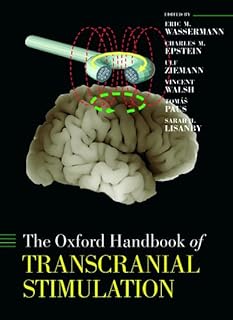
During a TMS session, a specialized magnetic coil is positioned close to the patient's scalp. This coil generates magnetic pulses that are directed towards specific areas of the brain. The procedure is non-invasive and does not require any surgical intervention.
The magnetic pulses produced by the TMS device are designed to stimulate or modulate the activity of neurons in the targeted brain region. This can help to alleviate symptoms of various mental health conditions, such as depression, anxiety, or OCD. The exact mechanism of action is still being researched, but it is believed that TMS can help to normalize the functioning of brain circuits that are disrupted in these conditions.
A typical TMS session lasts for about 20-30 minutes. During this time, the patient will hear a series of clicking sounds as the magnetic pulses are delivered. Some patients may experience mild discomfort or tingling sensations in the scalp, but these side effects are generally well-tolerated.
It is important to note that TMS is not a one-time treatment. Most patients will require a series of sessions, typically 5-20, depending on the severity of their symptoms and the specific condition being treated. The frequency and number of sessions will be determined by the treating physician based on the patient's individual needs.
TMS has been shown to be a safe and effective treatment for various mental health conditions. However, as with any medical procedure, there are some risks and contraindications. Patients with certain types of implants, such as pacemakers or metal plates in the skull, may not be suitable for TMS. Additionally, there is a small risk of seizure induction, although this is rare and typically only occurs in patients with a pre-existing seizure disorder.
Overall, TMS is a promising treatment option for patients with mental health conditions who have not responded to traditional therapies. It is a non-invasive, relatively painless procedure that can provide significant relief from symptoms. As with any medical treatment, it is important for patients to discuss the potential benefits and risks with their healthcare provider to determine if TMS is right for them.
Exploring Mental Health Awareness: June's Significance and Impact
You may want to see also
Explore related products




Safety: TMS is generally safe with minimal side effects, such as headaches or scalp discomfort, and is well-tolerated by most patients
Transcranial Magnetic Stimulation (TMS) has emerged as a promising treatment option for various mental health conditions, offering a non-invasive approach to managing symptoms. One of the key advantages of TMS is its safety profile, which is generally well-tolerated by most patients. Unlike some other treatments, TMS does not involve systemic medication, reducing the risk of widespread side effects.
The most common side effects associated with TMS are relatively mild and typically include headaches or scalp discomfort. These side effects are usually short-lived and can be managed with over-the-counter pain relievers if necessary. In rare cases, some patients may experience more severe side effects, such as seizures, but these are extremely uncommon and typically occur in individuals with pre-existing seizure disorders.
One of the reasons TMS is considered safe is due to its targeted approach. The magnetic fields used in TMS are precisely directed at specific areas of the brain, minimizing the impact on surrounding tissues. This targeted delivery helps to reduce the risk of systemic side effects and ensures that the treatment is focused on the areas most relevant to the patient's condition.
Additionally, TMS does not require sedation or anesthesia, which can further reduce the risk of complications. Patients are awake and alert during the procedure, allowing them to communicate with the healthcare provider and report any discomfort or concerns immediately. This level of patient awareness and involvement contributes to the overall safety of the treatment.
In conclusion, the safety of TMS makes it an attractive option for individuals seeking treatment for mental health conditions. With its minimal side effects and well-tolerated nature, TMS offers a viable alternative to traditional medication-based treatments, providing hope for those who may not have found relief through other methods.
Navigating Mental Health: When Inpatient Treatment Becomes Necessary
You may want to see also
Frequently asked questions
TMS stands for Transcranial Magnetic Stimulation, a non-invasive procedure used to treat various mental health conditions.
TMS works by using magnetic fields to stimulate nerve cells in the brain, particularly in areas associated with mood regulation and other mental health functions.
TMS is commonly used to treat depression, anxiety, PTSD, OCD, and bipolar disorder, among other conditions.
Yes, TMS is considered a safe treatment option with minimal side effects, which can include mild headaches or scalp discomfort.
TMS offers benefits such as being non-invasive, having fewer side effects than medication, and being effective for treatment-resistant conditions.