Madison Cole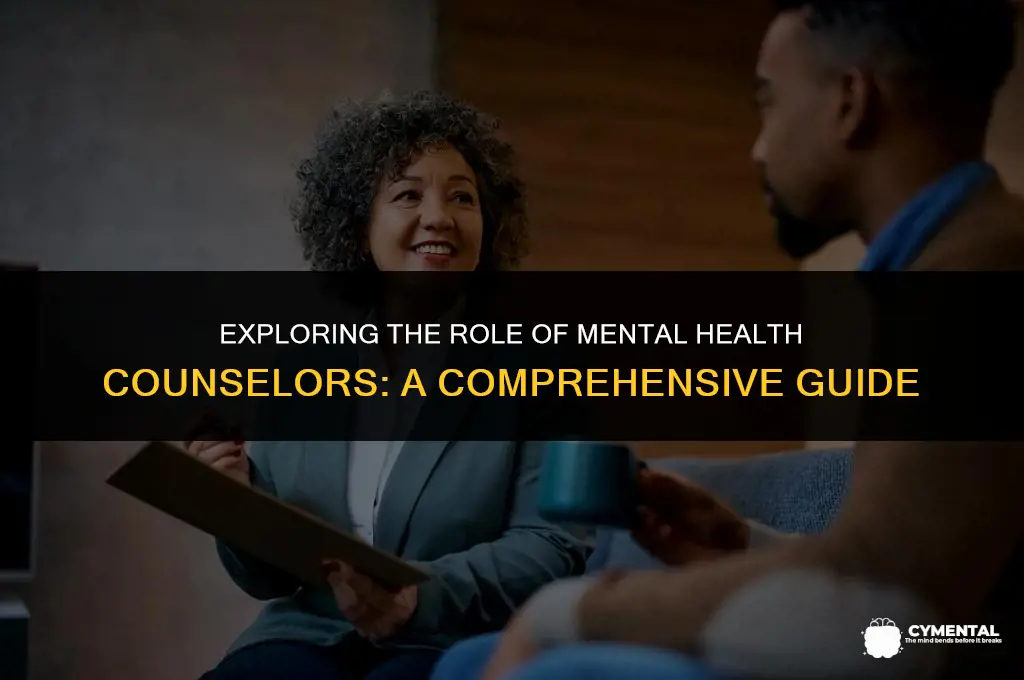
Mental health counselors play a vital role in supporting individuals through various mental health challenges. They are trained professionals who provide guidance, therapy, and support to help clients manage and overcome issues such as anxiety, depression, stress, and other mental health concerns. Counselors work in a variety of settings, including private practices, hospitals, schools, and community centers, and they often collaborate with other healthcare professionals to ensure comprehensive care for their clients. Their approach typically involves creating a safe and non-judgmental environment where clients can openly discuss their feelings and experiences, and together they develop strategies and coping mechanisms to improve mental well-being.
Explore related products



![NCMHCE Exam Study Cards: NCMHCE Test Prep 2026-2027 for the National Clinical Mental Health Counseling Examination [Full Color Cards]](https://m.media-amazon.com/images/I/61Vg-0Wk9RL._AC_UL320_.jpg)
What You'll Learn
- Assessment and Diagnosis: Evaluate clients' mental health, identify issues, and develop personalized treatment plans
- Counseling Sessions: Provide individual, group, or family therapy to help clients cope with emotional and psychological challenges
- Crisis Intervention: Offer immediate support and guidance during mental health emergencies or crises
- Referral and Collaboration: Connect clients with appropriate resources, services, or specialists to ensure comprehensive care
- Education and Prevention: Teach clients coping strategies, promote mental wellness, and conduct outreach programs to reduce stigma

Assessment and Diagnosis: Evaluate clients' mental health, identify issues, and develop personalized treatment plans
Mental health counselors play a crucial role in assessing and diagnosing clients' mental health conditions. This process involves a thorough evaluation of the client's psychological state, identifying underlying issues, and developing personalized treatment plans. The assessment phase typically begins with an initial consultation, where the counselor gathers information about the client's symptoms, medical history, and personal circumstances. This may involve conducting interviews, administering psychological tests, and consulting with other healthcare professionals.
Once the assessment is complete, the counselor analyzes the gathered data to identify potential mental health issues. This could include conditions such as depression, anxiety, bipolar disorder, or post-traumatic stress disorder (PTSD). The counselor must consider various factors, including the client's symptoms, life experiences, and family history, to make an accurate diagnosis. It is essential for the counselor to approach this process with empathy and sensitivity, ensuring that the client feels heard and understood.
After diagnosing the client's condition, the counselor develops a personalized treatment plan. This plan may include various therapeutic approaches, such as cognitive-behavioral therapy (CBT), dialectical behavior therapy (DBT), or eye movement desensitization and reprocessing (EMDR). The counselor must consider the client's unique needs, preferences, and circumstances when selecting the most appropriate treatment methods. In some cases, medication may also be recommended, either in conjunction with therapy or as a standalone treatment.
Throughout the treatment process, the counselor continuously monitors the client's progress and adjusts the treatment plan as needed. This may involve modifying therapeutic techniques, changing medication dosages, or incorporating additional support services, such as group therapy or family counseling. The ultimate goal of this process is to help the client achieve improved mental health and well-being, enabling them to lead a more fulfilling life.
In conclusion, the assessment and diagnosis phase is a critical component of a mental health counselor's role. By conducting thorough evaluations, identifying underlying issues, and developing personalized treatment plans, counselors can provide effective support to clients struggling with mental health conditions. This process requires a combination of clinical expertise, empathy, and collaboration with the client to ensure the best possible outcomes.
Empowering Teens: Strategies for Boosting Mental Health and Well-being
You may want to see also
Explore related products


Counseling Sessions: Provide individual, group, or family therapy to help clients cope with emotional and psychological challenges
Mental health counselors play a pivotal role in providing support and guidance to individuals, groups, and families grappling with emotional and psychological challenges. Counseling sessions are tailored to address a wide array of issues, from anxiety and depression to relationship conflicts and trauma. These sessions are designed to be a safe space where clients can explore their thoughts and feelings, gain insight into their behaviors, and develop coping strategies to improve their mental well-being.
Individual therapy sessions allow for a one-on-one interaction between the counselor and the client, enabling a deeply personalized approach to addressing specific concerns. These sessions may involve various therapeutic techniques, such as cognitive-behavioral therapy (CBT), dialectical behavior therapy (DBT), or psychodynamic therapy, depending on the client's needs and the counselor's expertise. The goal is to help clients identify and challenge negative thought patterns, develop healthier behaviors, and enhance their self-esteem and resilience.
Group therapy, on the other hand, brings together individuals who share similar struggles or experiences, fostering a sense of community and mutual support. This setting can be particularly beneficial for those dealing with issues such as substance abuse, grief, or social anxiety, as it allows clients to learn from others' experiences, share their own insights, and practice social skills in a controlled environment. Family therapy sessions involve working with family members to improve communication, resolve conflicts, and strengthen relationships. These sessions may focus on issues such as parenting challenges, marital problems, or generational conflicts, aiming to create a more harmonious and supportive family dynamic.
Counseling sessions are typically conducted in a confidential and non-judgmental setting, ensuring that clients feel safe and comfortable expressing themselves. The frequency and duration of sessions vary depending on the client's needs and the counselor's recommendations. Some clients may benefit from weekly sessions, while others may require less frequent meetings. The therapeutic process is collaborative, with the counselor and client working together to set goals, track progress, and make adjustments as needed.
In addition to providing emotional support and guidance, mental health counselors may also help clients access additional resources, such as medication, support groups, or other mental health services. They may collaborate with other healthcare professionals, such as psychiatrists or social workers, to ensure that clients receive comprehensive care. Ultimately, the goal of counseling sessions is to empower clients to take control of their mental health, develop the skills they need to cope with life's challenges, and achieve a greater sense of well-being and fulfillment.
Navigating Mental Health: When Inpatient Treatment Becomes Necessary
You may want to see also
Explore related products


![NCMHCE Secrets Study Guide - Exam Review and NCMHCE Practice Test for the National Clinical Mental Health Counseling Examination: [2nd Edition]](https://m.media-amazon.com/images/I/61st2jwaFIL._AC_UL320_.jpg)


Crisis Intervention: Offer immediate support and guidance during mental health emergencies or crises
In the realm of mental health counseling, crisis intervention stands as a critical component, providing immediate support and guidance during emergencies. Mental health crises can manifest in various forms, such as suicidal thoughts, panic attacks, or psychotic episodes, and require swift, professional intervention to mitigate risks and stabilize the individual.
Crisis intervention involves a structured approach, beginning with an assessment of the situation to identify the nature and severity of the crisis. Counselors utilize their training to recognize warning signs and evaluate the individual's emotional state, cognitive functioning, and level of distress. This initial assessment is crucial in determining the appropriate course of action and ensuring the safety of both the individual and those around them.
Following the assessment, counselors employ a range of techniques to provide immediate support and guidance. These may include active listening, empathy, and validation to help the individual feel heard and understood. Counselors may also use crisis de-escalation strategies, such as calming techniques, distraction methods, or problem-solving approaches, to help the individual regain control and reduce their distress.
In some cases, crisis intervention may involve collaboration with other professionals, such as psychiatrists, social workers, or emergency responders, to ensure comprehensive care and support. Counselors may also provide referrals to community resources, such as support groups, shelters, or legal aid, to address underlying issues that may have contributed to the crisis.
Throughout the crisis intervention process, counselors prioritize the individual's autonomy and dignity, working collaboratively to develop a plan for ongoing care and support. This may include follow-up appointments, medication management, or ongoing therapy to address the underlying mental health concerns that led to the crisis.
In conclusion, crisis intervention is a vital aspect of mental health counseling, requiring specialized training, quick thinking, and compassionate care. By providing immediate support and guidance during mental health emergencies, counselors play a crucial role in stabilizing individuals, reducing risks, and promoting long-term recovery and well-being.
February: A Month Dedicated to Mental Health Awareness
You may want to see also
Explore related products

$20.49 $36.99


Referral and Collaboration: Connect clients with appropriate resources, services, or specialists to ensure comprehensive care
Mental health counselors play a crucial role in connecting clients with the resources they need to achieve comprehensive care. This often involves referring clients to specialists or services that can provide more targeted support. For instance, a counselor may refer a client struggling with addiction to a substance abuse treatment center or connect someone experiencing severe anxiety with a psychiatrist who can prescribe medication.
Effective referral and collaboration require a deep understanding of the client's needs and the available resources in the community. Counselors must stay informed about local services, support groups, and specialists to make appropriate referrals. They also need to consider factors such as the client's insurance coverage, transportation options, and personal preferences when making recommendations.
In addition to making referrals, counselors often collaborate with other professionals to coordinate care. This might involve working closely with a client's primary care physician, communicating with a psychiatrist about medication adjustments, or coordinating with a social worker to address housing or employment issues. By working together, these professionals can provide a more holistic approach to care, addressing the client's mental, physical, and social needs.
Counselors also play an important role in advocating for their clients. They may help clients navigate complex systems, such as insurance or social services, and ensure that they receive the care they need. This advocacy can be particularly important for clients who face barriers to accessing care, such as those with limited financial resources or those who live in rural areas with fewer available services.
Overall, referral and collaboration are essential components of a mental health counselor's role. By connecting clients with the right resources and working closely with other professionals, counselors can help ensure that their clients receive comprehensive, coordinated care that addresses all aspects of their well-being.
Nurturing Your Mind: A Guide to Self-Care for Mental Health
You may want to see also
Explore related products

$22.24 $34.99

$99.46 $133.32

$36.79 $45.99


Education and Prevention: Teach clients coping strategies, promote mental wellness, and conduct outreach programs to reduce stigma
Mental health counselors play a crucial role in educating clients and communities about mental wellness and prevention strategies. One key aspect of this involves teaching clients effective coping mechanisms to manage stress, anxiety, and other mental health challenges. Counselors may use a variety of techniques, such as cognitive-behavioral therapy (CBT), mindfulness practices, or relaxation techniques, to help clients develop these skills. By empowering clients with practical tools, counselors can help them build resilience and improve their overall mental health outcomes.
In addition to individual client work, mental health counselors also focus on promoting mental wellness at a broader level. This may involve conducting workshops, seminars, or support groups to educate the public about mental health issues and provide resources for maintaining well-being. Counselors may also collaborate with schools, workplaces, or community organizations to develop and implement mental health programs that target specific populations or needs.
Another important component of a mental health counselor's role is conducting outreach programs to reduce stigma surrounding mental illness. Stigma can be a significant barrier to seeking help, and counselors work to combat this by raising awareness and promoting understanding of mental health issues. This may involve participating in public events, giving presentations, or engaging with the media to share accurate information and challenge misconceptions about mental illness.
To be effective in these educational and preventive efforts, mental health counselors must stay up-to-date with the latest research and best practices in the field. They may attend conferences, workshops, or continuing education courses to enhance their knowledge and skills. Counselors must also be culturally competent and sensitive to the diverse needs and backgrounds of their clients and communities.
In summary, mental health counselors are not only focused on treating mental health issues but also on preventing them and promoting overall wellness. Through education, outreach, and the development of coping strategies, counselors play a vital role in supporting individuals and communities in maintaining good mental health.
Exploring Diverse Work Settings for Mental Health Counselors
You may want to see also
Frequently asked questions
Mental health counselors provide support and guidance to individuals, couples, families, and groups to help them manage and overcome mental health issues, emotional challenges, and life stressors. They use various therapeutic techniques and strategies to promote well-being and personal growth.
Mental health counselors address a wide range of issues, including anxiety, depression, stress, relationship problems, grief, trauma, substance abuse, and behavioral disorders. They also help clients with personal growth, self-esteem, and coping skills.
Mental health counselors typically have a master's degree in counseling or a related field, such as psychology or social work. They may also have additional certifications or licenses, depending on the state or country they practice in. Many counselors have specialized training in specific therapeutic approaches or areas of expertise.