Madison Cole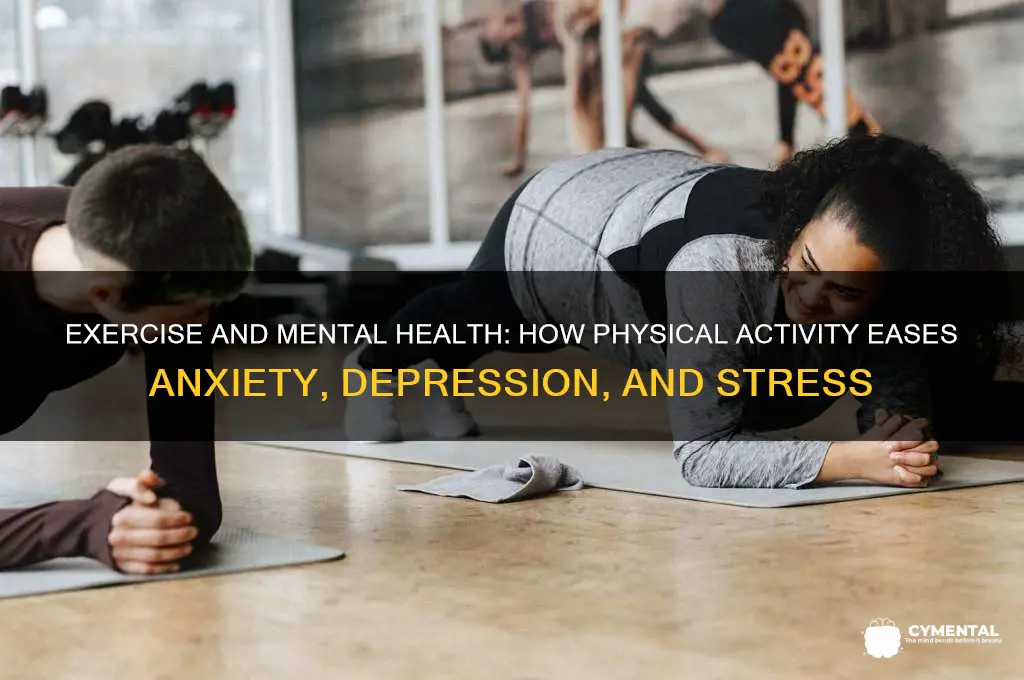
Exercise is a powerful tool for improving mental health, offering benefits that extend far beyond physical fitness. Research has shown that regular physical activity can effectively alleviate symptoms of various mental health issues, including depression, anxiety, stress, and even conditions like ADHD and PTSD. By releasing endorphins, reducing stress hormones, and promoting better sleep, exercise can enhance mood, increase energy levels, and improve overall cognitive function. Additionally, engaging in physical activity often fosters social connections and a sense of accomplishment, further contributing to mental well-being. Whether through aerobic exercises, strength training, or mindfulness-based movement like yoga, incorporating exercise into one’s routine can be a transformative strategy for managing and improving mental health.
Explore related products

$21.45 $24.95


$22.66 $25.99


What You'll Learn
- Depression: Regular exercise boosts mood, reduces symptoms, and increases serotonin and endorphin levels naturally
- Anxiety: Physical activity lowers stress hormones, promotes relaxation, and improves overall calmness
- ADHD: Exercise enhances focus, reduces restlessness, and supports better cognitive function in ADHD management
- PTSD: Movement therapy helps process trauma, reduces hyperarousal, and improves emotional regulation
- Insomnia: Consistent exercise regulates sleep patterns, reduces anxiety, and promotes deeper, more restful sleep

Depression: Regular exercise boosts mood, reduces symptoms, and increases serotonin and endorphin levels naturally
Depression often feels like a heavy fog that clouds every aspect of life, but regular exercise can act as a powerful beacon, cutting through the mist. Studies show that physical activity stimulates the release of serotonin and endorphins, neurotransmitters that regulate mood and promote feelings of well-being. For instance, a 30-minute brisk walk, five days a week, has been shown to reduce symptoms of depression as effectively as medication in some cases. This isn’t about running marathons—it’s about consistency. Even moderate activities like cycling, swimming, or yoga can make a significant difference. The key is to find something enjoyable, as adherence is crucial for long-term benefits.
Consider the biological mechanism at play: exercise increases brain plasticity, fostering the growth of new neurons in the hippocampus, an area often shrunk in depressed individuals. This structural change complements the chemical boost from serotonin and endorphins, creating a dual-pronged approach to combating depression. For those who struggle with motivation, starting small is essential. Begin with 10 minutes of activity daily and gradually increase duration and intensity. Pairing exercise with social interaction, such as joining a group fitness class, can amplify its mood-enhancing effects by adding a layer of emotional support.
While exercise isn’t a cure-all, it’s a tool that empowers individuals to take control of their mental health. Unlike medication, it comes with no side effects and offers additional benefits like improved sleep and increased energy. However, it’s important to approach it as part of a holistic treatment plan, especially for severe depression. Consulting a healthcare provider can help tailor an exercise regimen to individual needs. For older adults, low-impact activities like tai chi or water aerobics are excellent options, while younger individuals might benefit from high-intensity interval training (HIIT) to maximize endorphin release.
The takeaway is clear: exercise is a natural, accessible, and effective way to alleviate depression symptoms. It doesn’t require a gym membership or expensive equipment—a pair of walking shoes and a commitment to consistency can be transformative. By incorporating regular physical activity into daily life, individuals can harness its mood-boosting power, reduce symptoms, and foster a sense of accomplishment. Depression may dim the light, but exercise can help reignite it, one step, stretch, or stroke at a time.
Supporting Loved Ones: A Guide to Accessing Mental Health Care
You may want to see also
Explore related products


Anxiety: Physical activity lowers stress hormones, promotes relaxation, and improves overall calmness
Exercise is a powerful tool in the battle against anxiety, offering a natural and accessible way to alleviate its symptoms. When you engage in physical activity, your body undergoes a series of changes that directly counteract the physiological effects of anxiety. One of the key benefits is the reduction of stress hormones, such as cortisol, which are often elevated in individuals experiencing anxiety. A study published in the *Journal of Psychiatric Research* found that regular aerobic exercise significantly decreases cortisol levels, leading to a more balanced and calm state of mind.
To harness these benefits, aim for at least 30 minutes of moderate-intensity exercise, such as brisk walking, cycling, or swimming, most days of the week. For those with busy schedules, even shorter bursts of activity, like a 10-minute jog or a quick yoga session, can provide immediate relief. Consistency is key; incorporating exercise into your daily routine can create a sustained reduction in anxiety symptoms over time. For older adults or individuals with physical limitations, low-impact activities like tai chi or gentle stretching can be equally effective in promoting relaxation and reducing stress hormones.
Beyond hormonal changes, exercise promotes relaxation by shifting your focus away from anxious thoughts and onto physical sensations. This mindfulness-like effect is particularly beneficial for those whose anxiety manifests as racing thoughts or mental restlessness. Activities that combine physical movement with a meditative component, such as yoga or Pilates, are especially effective in fostering this mental shift. For instance, a study in the *International Journal of Yoga* highlighted that participants who practiced yoga regularly reported significant improvements in anxiety levels and overall calmness.
Practical tips for integrating exercise into your anxiety management plan include choosing activities you enjoy to increase adherence, setting realistic goals to avoid overwhelm, and pairing exercise with other relaxation techniques like deep breathing or progressive muscle relaxation. For younger individuals or those new to exercise, starting with group classes or team sports can provide social support and motivation. Remember, the goal isn’t to achieve peak fitness but to use movement as a tool to cultivate a sense of calm and resilience in the face of anxiety.
Diagnosis and Beyond: How Mental Health Labels Impacted My Journey
You may want to see also
Explore related products

$11.19 $12.99


ADHD: Exercise enhances focus, reduces restlessness, and supports better cognitive function in ADHD management
Exercise isn't just about building muscle or shedding pounds; it's a powerful tool for managing ADHD symptoms. For individuals with ADHD, the constant barrage of distractions and restlessness can make focus a formidable challenge. Here's where physical activity steps in as a natural remedy. Research consistently shows that regular exercise can significantly improve attention span, reduce hyperactivity, and enhance overall cognitive function in those with ADHD.
A study published in the *Journal of Attention Disorders* found that just 20 minutes of moderate-intensity aerobic exercise, such as brisk walking or cycling, can lead to immediate improvements in attention and focus. This effect is particularly beneficial for children and adolescents with ADHD, who often struggle with sustained concentration in school or during tasks. For adults, incorporating strength training or high-intensity interval training (HIIT) can yield similar cognitive benefits while also addressing restlessness and impulsivity.
To maximize these benefits, consistency is key. Aim for at least 30 minutes of moderate exercise daily, or 60 minutes for children, as recommended by the American Psychological Association. Breaking this into shorter, manageable sessions throughout the day can make it easier to stick to the routine. For instance, a 10-minute morning jog, a 10-minute walk during lunch, and a 10-minute yoga session before bed can add up to significant improvements over time. Additionally, combining aerobic exercise with mindfulness practices, such as tai chi or yoga, can further enhance focus and reduce stress, creating a holistic approach to ADHD management.
While exercise is not a cure for ADHD, it complements traditional treatments like medication and therapy by addressing symptoms from a different angle. It boosts dopamine and norepinephrine levels in the brain, neurotransmitters that play a crucial role in attention and mood regulation. This biochemical effect helps individuals with ADHD feel more grounded and less overwhelmed by their environment. However, it’s important to tailor the type and intensity of exercise to the individual’s preferences and energy levels. For example, team sports might be ideal for those who thrive on social interaction, while solitary activities like swimming or hiking may suit those who prefer quiet focus.
Practical tips can make integrating exercise into daily life more achievable. Start small—even a 5-minute dance break or a quick stretch can provide immediate relief from restlessness. Use technology to your advantage; fitness apps or wearable devices can track progress and provide motivation. For parents of children with ADHD, incorporating physical activity into family routines, such as bike rides or active games, can make exercise feel less like a chore and more like fun. Finally, consult with a healthcare provider or a certified fitness trainer to create a personalized exercise plan that aligns with specific needs and abilities.
In essence, exercise is a versatile and accessible tool for managing ADHD symptoms. By enhancing focus, reducing restlessness, and supporting cognitive function, it empowers individuals to take control of their mental health in a proactive and sustainable way. Whether it’s a morning run, an afternoon yoga session, or an evening walk, the key is to move consistently and mindfully, harnessing the transformative power of physical activity.
Seeking Support: A Guide to Recovering from Mental Breakdown
You may want to see also
Explore related products




PTSD: Movement therapy helps process trauma, reduces hyperarousal, and improves emotional regulation
Trauma lodges itself in the body as much as the mind, often manifesting as hyperarousal—a state of heightened vigilance and reactivity. For individuals with PTSD, this can mean a constant flood of stress hormones, leaving them on edge and unable to relax. Movement therapy, a structured approach to exercise, offers a unique intervention by engaging the body’s natural mechanisms for stress reduction. Unlike traditional talk therapy, which primarily targets cognitive processes, movement therapy works through physical activity to recalibrate the nervous system. Activities like yoga, tai chi, or even rhythmic walking can help disrupt the cycle of hyperarousal, signaling to the body that it is safe to release tension. Research suggests that as little as 30 minutes of moderate-intensity exercise, three times a week, can significantly lower cortisol levels, the hormone associated with stress, providing a physiological foundation for emotional stability.
Consider the case of a veteran diagnosed with PTSD who incorporates boxing into their therapy regimen. The repetitive, rhythmic motions of punching a bag not only serve as a physical outlet for pent-up aggression but also help reestablish a sense of control over their body. This is no accident—movement therapy leverages the brain’s ability to form new neural pathways through somatic experiences. By focusing on the present moment and the physical sensations of movement, individuals can gradually dissociate traumatic memories from their bodily responses. For instance, a study published in the *Journal of Traumatic Stress* found that participants who engaged in structured movement exercises reported a 25% reduction in PTSD symptoms over 12 weeks, highlighting the tangible benefits of this approach.
However, not all movement is created equal. For PTSD, the key lies in exercises that combine mindfulness with physical engagement. Yoga, for example, integrates breath control, meditation, and postures to foster a sense of grounding. A specific pose like Child’s Pose can activate the parasympathetic nervous system, promoting relaxation and counteracting hyperarousal. Similarly, dance therapy encourages emotional expression through movement, allowing individuals to externalize and process trauma in a non-verbal way. Practical tips for implementation include starting with short, 10-minute sessions to avoid overwhelm and gradually increasing duration as tolerance builds. Group classes can also provide a sense of community, though some may prefer the privacy of one-on-one sessions initially.
It’s important to note that movement therapy is not a one-size-fits-all solution. For adolescents with PTSD, activities like martial arts or team sports may be particularly effective, as they combine physical exertion with social interaction and skill-building. In contrast, older adults might benefit from gentler practices like qigong or water aerobics, which minimize joint strain while still offering therapeutic benefits. Regardless of age or fitness level, consistency is key. A daily routine, even if brief, can yield more significant results than sporadic, intense workouts. For those hesitant to begin, pairing movement with music or nature—such as hiking or outdoor yoga—can make the experience more enjoyable and less daunting.
Ultimately, movement therapy serves as a bridge between the physical and emotional realms, offering a holistic approach to PTSD treatment. By addressing both the body’s stress response and the mind’s emotional regulation, it empowers individuals to reclaim agency over their lives. While it may not replace traditional therapies, its accessibility and low barrier to entry make it a valuable adjunctive tool. For anyone struggling with PTSD, the message is clear: movement is not just exercise—it’s a pathway to healing. Start small, stay consistent, and let the body lead the way.
Empowering Change: Simple Ways You Can Make a Difference Today
You may want to see also
Explore related products


Insomnia: Consistent exercise regulates sleep patterns, reduces anxiety, and promotes deeper, more restful sleep
Insomnia, a pervasive sleep disorder affecting millions, often stems from irregular sleep patterns and heightened anxiety. Exercise emerges as a potent remedy, offering a natural and sustainable solution. By engaging in consistent physical activity, individuals can recalibrate their circadian rhythms, fostering a more predictable sleep-wake cycle. This regulation is particularly beneficial for those whose insomnia is tied to erratic schedules or stress-induced restlessness. For instance, a 30-minute brisk walk or a moderate-intensity workout in the late afternoon can signal the body to wind down, preparing it for a restful night.
The anxiety-reducing effects of exercise further contribute to its efficacy in combating insomnia. Physical activity stimulates the release of endorphins, often referred to as "feel-good" hormones, which counteract stress and promote relaxation. Studies suggest that even low- to moderate-intensity exercises, such as yoga or swimming, can significantly lower anxiety levels. For optimal results, aim for at least 150 minutes of moderate aerobic activity or 75 minutes of vigorous activity per week, as recommended by health guidelines. Incorporating mindfulness-based exercises like tai chi can also enhance mental calmness, creating a synergistic effect on sleep quality.
One of the most compelling benefits of exercise for insomnia is its ability to promote deeper, more restorative sleep. Vigorous activities, such as running or cycling, increase the duration of deep sleep, the stage in which the body repairs tissues and consolidates memories. However, timing is crucial—exercising too close to bedtime can have the opposite effect, making it harder to fall asleep. Ideally, complete your workout at least 2–3 hours before bedtime to allow your body temperature and heart rate to return to baseline levels. Additionally, consistency is key; irregular exercise routines may disrupt rather than enhance sleep patterns.
Practical implementation is essential for reaping these benefits. Start with small, manageable changes, such as a 10-minute evening stretch routine or a morning jog. Gradually increase intensity and duration as your fitness level improves. For older adults or those with physical limitations, low-impact activities like walking or water aerobics can be equally effective. Pairing exercise with other sleep hygiene practices, such as maintaining a cool, dark bedroom and limiting screen time before bed, amplifies its impact. By integrating these strategies, individuals can transform their sleep quality, turning restless nights into a thing of the past.
Congress and Mental Health: Assessing the Impact of Legislative Efforts
You may want to see also
Frequently asked questions
Yes, exercise can significantly help with depression. Physical activity stimulates the release of endorphins, which are natural mood lifters, and reduces stress hormones like cortisol. Regular exercise has been shown to alleviate symptoms of depression, improve sleep, and boost overall well-being.
Absolutely, exercise is an effective tool for managing anxiety. It promotes relaxation by increasing the production of neurotransmitters like serotonin and GABA, which help calm the mind. Activities like yoga, running, or even walking can reduce anxiety symptoms and improve mental clarity.
Yes, exercise can help individuals with ADHD by improving focus, reducing restlessness, and enhancing cognitive function. Physical activity increases dopamine, norepinephrine, and serotonin levels, which play key roles in attention and impulse control, making it a valuable complement to other ADHD treatments.