Caleb Wright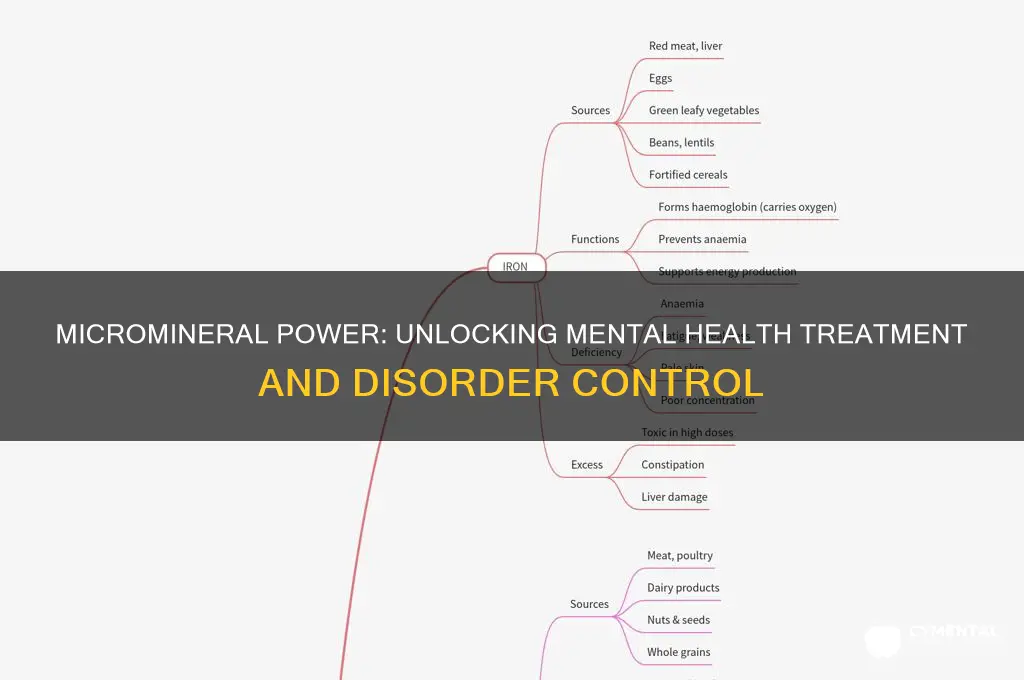
Microminerals, though required in small amounts, play a crucial role in maintaining overall health, including mental well-being. Among these, zinc stands out as a micromineral that has garnered significant attention for its potential in controlling and treating mental disorders. Research suggests that zinc is involved in various neurological processes, such as neurotransmitter function, synaptic plasticity, and neuroprotection. Deficiencies in zinc have been linked to conditions like depression, anxiety, and ADHD, while supplementation has shown promise in alleviating symptoms and improving cognitive function. Its role in modulating the brain’s response to stress and inflammation further underscores its importance in mental health management. Thus, understanding zinc’s impact on mental disorders opens new avenues for therapeutic interventions and preventive strategies.
Explore related products


What You'll Learn

Zinc's role in mood regulation and depression treatment
Zinc, an essential micromineral, plays a pivotal role in brain function and emotional well-being. Research suggests that zinc deficiency is linked to mood disorders, including depression and anxiety. This mineral acts as a modulator of neurotransmitter systems, such as GABA and glutamate, which are critical for emotional stability. Studies have shown that individuals with depression often exhibit lower serum zinc levels, highlighting its potential as a therapeutic target. Understanding zinc’s role in mood regulation opens avenues for complementary treatment strategies, particularly in cases where traditional antidepressants fall short.
To harness zinc’s benefits for mental health, consider incorporating zinc-rich foods into your diet, such as oysters, beef, pumpkin seeds, and lentils. For those with severe deficiencies or dietary restrictions, supplementation may be necessary. A typical daily dose ranges from 15 to 30 mg, but it’s crucial to consult a healthcare provider to avoid toxicity, as excessive zinc intake can interfere with copper absorption. Pairing zinc with vitamin B6 can enhance its bioavailability and efficacy, as these nutrients work synergistically in neurotransmitter synthesis.
Comparatively, zinc supplementation stands out as a low-risk, cost-effective adjunct to conventional depression treatment. Unlike many antidepressants, zinc does not cause significant side effects when taken at recommended doses. However, it’s important to note that zinc is not a standalone cure for depression but rather a supportive measure. Clinical trials have demonstrated that zinc augmentation can improve the efficacy of antidepressant medications, particularly in treatment-resistant cases. This makes it a valuable tool in personalized mental health care.
For practical implementation, start by monitoring your zinc intake through diet and supplementation. Keep a food diary to track zinc-rich foods and consider periodic blood tests to assess zinc levels. If opting for supplements, choose chelated forms like zinc gluconate or zinc picolinate, which are more easily absorbed. Avoid taking zinc with high-fiber foods or phytate-rich grains, as these can inhibit absorption. Finally, combine zinc interventions with lifestyle changes, such as regular exercise and stress management, for a holistic approach to mood regulation.
Exploring the Role of Medication in Mental Health Treatment
You may want to see also
Explore related products


Magnesium's impact on anxiety and stress reduction
Magnesium, an often-overlooked micromineral, plays a pivotal role in regulating the body’s stress response system. Research indicates that magnesium deficiency is linked to heightened anxiety and stress levels, as it impairs the function of the hypothalamic-pituitary-adrenal (HPA) axis, the body’s central stress management mechanism. Studies show that individuals with low magnesium levels often exhibit increased cortisol, the primary stress hormone, which can exacerbate feelings of anxiety. Supplementation with magnesium has been shown to reduce cortisol levels, promoting a calmer physiological state. For adults, a daily intake of 300–400 mg of magnesium (via supplements or diet) is recommended to support stress reduction, though individual needs may vary based on age, sex, and health status.
One of the most practical ways to harness magnesium’s anxiety-reducing benefits is through transdermal application, such as magnesium chloride oil or Epsom salt baths. This method bypasses potential digestive issues associated with oral supplements and allows for direct absorption through the skin. A 15–20 minute soak in a warm bath with 1–2 cups of Epsom salt (magnesium sulfate) can help relax muscles, reduce tension, and lower stress levels. For topical use, applying magnesium oil to the skin after a shower can provide sustained benefits throughout the day. This approach is particularly useful for those who struggle with oral supplementation or have absorption issues.
Comparatively, magnesium glycinate stands out as one of the most effective forms of magnesium for anxiety and stress relief due to its high bioavailability and calming properties. Unlike magnesium citrate, which has a laxative effect, magnesium glycinate is gentle on the stomach and promotes better sleep, a critical factor in managing stress. A 2018 study published in *Nutrients* found that participants who took 300 mg of magnesium glycinate daily reported significant reductions in anxiety symptoms after just one month. Pairing magnesium glycinate with vitamin B6 can enhance its absorption and efficacy, as B6 aids in the conversion of magnesium into a form the body can readily use.
While magnesium’s benefits are clear, it’s essential to approach supplementation with caution. Excessive magnesium intake can lead to side effects such as diarrhea, nausea, and abdominal cramping. Individuals with kidney disease should avoid magnesium supplements altogether, as impaired kidney function can hinder the body’s ability to excrete excess magnesium. Always consult a healthcare provider before starting any new supplement regimen, especially if you’re taking medications like antibiotics or diuretics, which can interact with magnesium. Combining dietary sources—such as leafy greens, nuts, seeds, and whole grains—with moderate supplementation is a balanced approach to ensuring adequate magnesium levels.
Incorporating magnesium into a holistic stress management routine can yield transformative results. For instance, combining magnesium supplementation with mindfulness practices like meditation or yoga amplifies its calming effects. A 2020 study in the *Journal of Clinical Psychology* found that participants who paired magnesium supplementation with mindfulness exercises experienced greater reductions in anxiety compared to those who used either method alone. Practical tips include taking magnesium supplements in the evening to improve sleep quality, which in turn reduces daytime stress. For children and adolescents, magnesium-rich foods like almonds, spinach, and bananas can help support emotional regulation without the need for supplements. By addressing magnesium deficiency, individuals can take a proactive step toward mitigating anxiety and fostering resilience against stress.
Isochronic Tones: Potential Benefits for Cognitive Enhancement in Mental Retardation
You may want to see also
Explore related products


$16.95


Iron deficiency links to cognitive function and ADHD
Iron deficiency, a condition often overlooked in discussions of mental health, plays a significant role in cognitive function and the manifestation of attention-deficit/hyperactivity disorder (ADHD). Studies have shown that iron is essential for the synthesis of neurotransmitters like dopamine, which is critically involved in attention and reward-motivated behavior. When iron levels are low, dopamine production can be impaired, leading to symptoms that mimic or exacerbate ADHD, such as difficulty concentrating, restlessness, and impulsivity. This connection highlights the importance of assessing iron status in individuals with ADHD, particularly children and adolescents, who are more vulnerable to the cognitive and behavioral impacts of deficiency.
Consider the following scenario: a 10-year-old child diagnosed with ADHD shows minimal improvement with stimulant medication. A routine blood test reveals ferritin levels (a marker of iron stores) below 30 ng/mL, indicating deficiency. Supplementation with 3–5 mg/kg/day of elemental iron, under medical supervision, could be a game-changer. Research suggests that correcting iron deficiency not only improves ADHD symptoms but also enhances the efficacy of standard treatments. For instance, a 2018 study in *Journal of Child and Adolescent Psychopharmacology* found that iron supplementation significantly reduced ADHD symptoms in iron-deficient children compared to controls.
However, addressing iron deficiency in ADHD is not a one-size-fits-all solution. Absorption of iron supplements can be hindered by factors like concurrent calcium intake or certain foods. Practical tips include administering iron supplements with vitamin C-rich foods (e.g., orange juice) to enhance absorption and avoiding tea, coffee, or dairy products within two hours of dosing. Monitoring for side effects, such as constipation or nausea, is crucial, as these can affect compliance. Regular follow-up blood tests every 3–6 months ensure that iron levels are restored and maintained within the optimal range (ferritin > 50 ng/mL for most individuals).
Comparatively, while other microminerals like zinc and magnesium also influence cognitive function, iron’s role in ADHD is particularly pronounced due to its direct impact on dopamine pathways. Unlike zinc, which is often studied for its modulatory effects on neurotransmission, iron deficiency has a more immediate and measurable link to ADHD symptoms. This distinction underscores the need for targeted interventions focused on iron, especially in populations at higher risk, such as premenopausal women, vegetarians, and individuals with malabsorption disorders.
In conclusion, recognizing and treating iron deficiency should be a priority in the management of ADHD and cognitive disorders. By integrating iron status assessments into routine evaluations and tailoring supplementation strategies, healthcare providers can address a root cause of symptoms rather than merely managing them. For parents and caregivers, understanding this link empowers proactive steps to support cognitive health, from dietary adjustments to informed supplementation. The evidence is clear: iron is not just a micromineral—it’s a critical player in the mental health puzzle.
Supporting Mental Health Crises: Compassionate Steps to Guide and Assist
You may want to see also
Explore related products



Selenium's antioxidant effects on reducing oxidative stress in mental disorders
Oxidative stress, characterized by an imbalance between free radicals and antioxidants, plays a significant role in the pathophysiology of mental disorders such as depression, anxiety, and schizophrenia. Selenium, an essential micromineral, has emerged as a potent antioxidant that can mitigate this oxidative damage. Its unique ability to support the activity of selenoproteins, particularly glutathione peroxidase, enables it to neutralize harmful reactive oxygen species (ROS) in the brain. This mechanism is crucial, as excessive ROS can lead to neuronal damage, inflammation, and impaired neurotransmitter function—all hallmarks of mental health conditions.
Consider the practical implications of selenium supplementation. Studies suggest that adequate selenium intake, typically 55–70 µg/day for adults, may help reduce symptoms of depression and anxiety. For instance, a randomized controlled trial published in the *Journal of Clinical Psychiatry* found that selenium supplementation (200 µg/day) significantly improved mood and reduced anxiety in patients with mild to moderate depression. However, dosage must be carefully monitored, as excessive selenium intake (>400 µg/day) can lead to selenosis, a condition marked by gastrointestinal issues, hair loss, and neurological symptoms.
Comparatively, selenium’s role in mental health is distinct from other antioxidants like vitamin C or E. While these vitamins act directly on free radicals, selenium enhances the body’s endogenous antioxidant defenses by supporting selenoprotein function. This makes it particularly effective in combating oxidative stress in the brain, where neuronal cells are highly susceptible to damage. For example, in schizophrenia, oxidative stress is linked to dopaminergic dysfunction, and selenium’s neuroprotective effects may help stabilize neurotransmitter systems.
To incorporate selenium into a mental health regimen, focus on dietary sources such as Brazil nuts (one nut provides ~96 µg), seafood, eggs, and whole grains. For those considering supplements, consult a healthcare provider to determine appropriate dosage based on age, sex, and existing selenium levels. Pregnant women, older adults, and individuals with selenium deficiency may benefit most, but caution is advised for those with pre-existing thyroid conditions, as selenium can influence thyroid function.
In conclusion, selenium’s antioxidant properties offer a promising avenue for managing oxidative stress in mental disorders. By integrating this micromineral through diet or targeted supplementation, individuals may enhance their brain’s resilience against oxidative damage, potentially alleviating symptoms of depression, anxiety, and other conditions. However, a balanced approach is essential to maximize benefits while minimizing risks.
Accepting Compliments: A Simple Tool for Mental Health Recovery
You may want to see also
Explore related products


Copper imbalance and its connection to schizophrenia symptoms
Copper, a trace mineral essential for neurological function, has emerged as a focal point in schizophrenia research. Studies suggest that copper imbalance—whether deficiency or excess—may exacerbate symptoms of this complex disorder. For instance, elevated copper levels in the brain have been linked to increased oxidative stress, which can damage neurons and disrupt neurotransmitter systems critical for mood and cognition. Conversely, copper deficiency can impair the synthesis of dopamine and norepinephrine, neurotransmitters whose dysregulation is a hallmark of schizophrenia. This dual role of copper highlights its delicate balance in mental health.
Analyzing the connection further, researchers have noted that individuals with schizophrenia often exhibit altered copper metabolism. Blood and cerebrospinal fluid samples from patients frequently show higher copper levels compared to healthy controls, while zinc levels—a mineral that competes with copper for absorption—are typically lower. This imbalance may contribute to the neuroinflammation and oxidative damage observed in schizophrenia. A 2018 study published in *Schizophrenia Bulletin* found that copper supplementation in animal models worsened psychotic-like behaviors, underscoring the risks of excess copper in vulnerable populations.
Practical steps to address copper imbalance in schizophrenia management include dietary adjustments and targeted supplementation. Foods high in copper, such as shellfish, nuts, and seeds, should be consumed in moderation. Simultaneously, increasing zinc intake through foods like beef, pumpkin seeds, and lentils can help restore mineral balance, as zinc competes with copper for absorption and reduces its bioavailability. For those with severe imbalances, chelation therapy under medical supervision may be considered, though this approach is controversial and requires careful monitoring.
A comparative perspective reveals that copper’s role in schizophrenia contrasts with its benefits in other mental health conditions. For example, copper is crucial for the formation of myelin, the protective sheath around neurons, and deficiencies have been linked to depression and cognitive decline. However, in schizophrenia, the focus shifts to managing excess rather than replenishing deficits. This nuance underscores the importance of personalized treatment plans that account for individual mineral profiles.
In conclusion, copper imbalance is a critical yet often overlooked factor in schizophrenia symptomology. While further research is needed to establish causal relationships, current evidence suggests that monitoring and modulating copper levels could be a valuable adjunctive strategy in treatment. Patients and clinicians alike should approach this with caution, prioritizing holistic assessments and evidence-based interventions to avoid unintended consequences.
Later School Start Times: Boosting Mental Health for Students?
You may want to see also
Frequently asked questions
Magnesium is a micromineral that has been shown to play a significant role in managing mental disorders. It helps regulate neurotransmitters, reduce inflammation, and support overall brain function, making it beneficial for conditions like depression and anxiety.
Zinc is a micromineral that acts as a modulator of neurotransmitter systems and has neuroprotective properties. It is involved in the regulation of dopamine and serotonin, which are critical for mood and attention. Studies suggest zinc supplementation may improve symptoms of ADHD, depression, and other mood disorders.
Selenium is a micromineral with antioxidant properties that help reduce oxidative stress in the brain, which is often linked to mental health issues. Research indicates that adequate selenium levels may support cognitive function and reduce symptoms of anxiety, though more studies are needed to fully understand its role in mental health treatment.