Madison Cole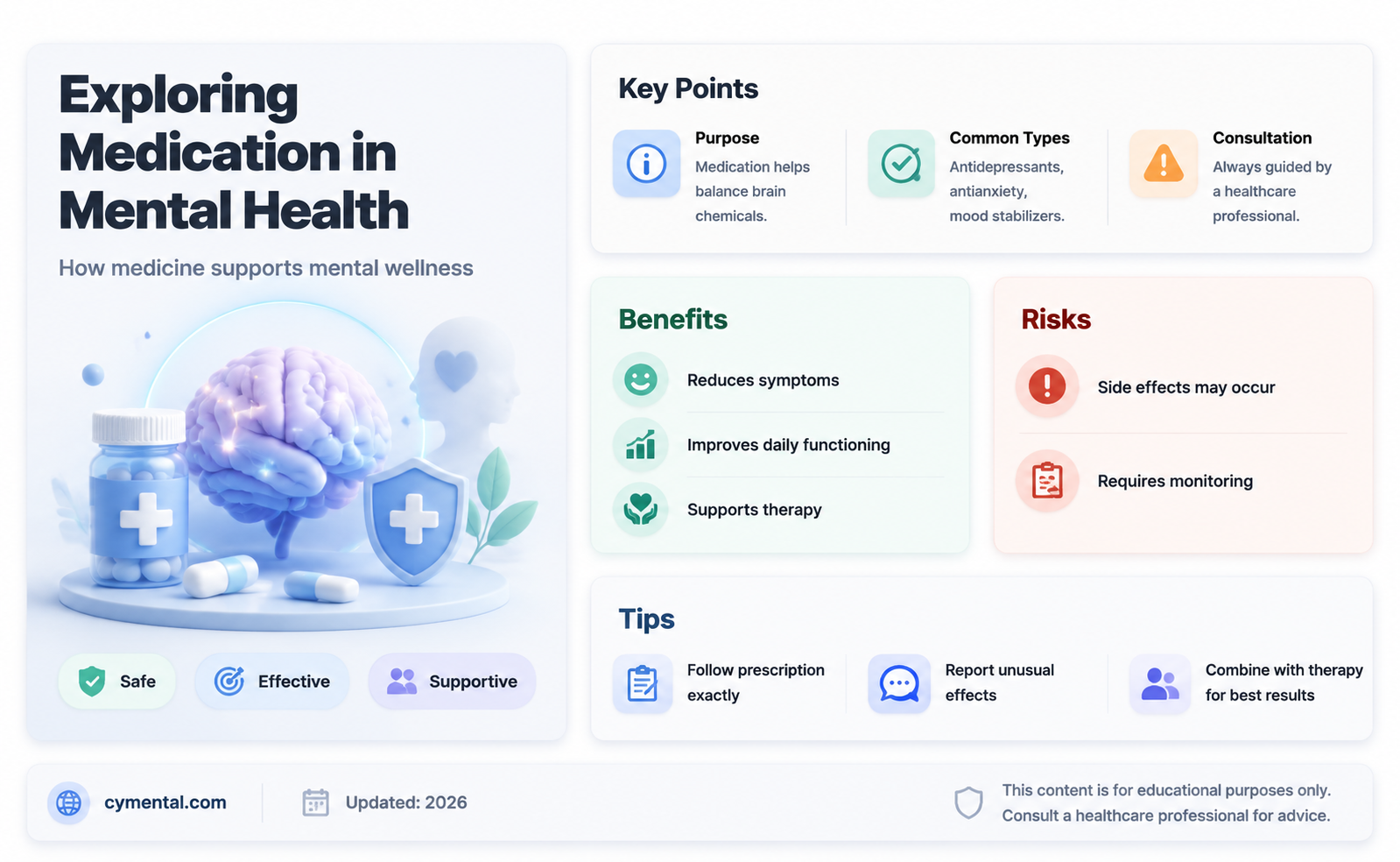
The question of whether drugs can help with mental health is a complex and multifaceted one, as it involves balancing potential benefits against risks and side effects. On one hand, pharmaceutical interventions, such as antidepressants, antipsychotics, and anxiolytics, have been shown to alleviate symptoms of conditions like depression, anxiety, and schizophrenia for many individuals, often improving their quality of life and functioning. These medications work by altering brain chemistry to restore balance and reduce distressing symptoms. However, they are not a one-size-fits-all solution, as effectiveness varies widely among individuals, and some may experience adverse effects or find limited relief. Additionally, drugs are often most effective when combined with therapy, lifestyle changes, and social support, highlighting the importance of a holistic approach to mental health treatment. While drugs can be a valuable tool in managing mental health conditions, they are not a cure-all, and careful consideration of their role within a broader treatment plan is essential.
Explore related products


What You'll Learn
- Antidepressants for Depression: SSRIs, SNRIs, and other types to manage symptoms effectively
- Anxiety Medications: Benzodiazepines, beta-blockers, and alternatives for anxiety relief
- Mood Stabilizers: Lithium, antipsychotics for bipolar disorder and mood regulation
- ADHD Treatments: Stimulants, non-stimulants to improve focus and reduce impulsivity
- Antipsychotics for Schizophrenia: Managing hallucinations, delusions, and disorder symptoms

Antidepressants for Depression: SSRIs, SNRIs, and other types to manage symptoms effectively
Depression, a pervasive mental health condition affecting millions globally, often requires a multifaceted treatment approach. Among the most prescribed medications are antidepressants, which work by balancing brain chemicals associated with mood regulation. Selective Serotonin Reuptake Inhibitors (SSRIs) and Serotonin-Norepinephrine Reuptake Inhibitors (SNRIs) are the first-line treatments due to their efficacy and relatively mild side effects. However, understanding their mechanisms, dosages, and potential interactions is crucial for effective symptom management.
SSRIs, such as fluoxetine (Prozac) and sertraline (Zoloft), primarily increase serotonin levels in the brain by blocking its reabsorption. Typically, treatment begins with a low dose—for instance, 20 mg/day for fluoxetine—and may be adjusted over 4–6 weeks based on response. These medications are often preferred for their safety profile, making them suitable for adolescents and adults. However, side effects like nausea, insomnia, and sexual dysfunction can occur, though they often subside with continued use. For patients with comorbid anxiety, SSRIs are particularly beneficial due to their anxiolytic properties.
SNRIs, including venlafaxine (Effexor) and duloxetine (Cymbalta), target both serotonin and norepinephrine, offering a dual mechanism of action. Starting doses are usually lower, such as 37.5 mg/day for venlafaxine, with gradual increases to minimize side effects like dizziness and increased blood pressure. SNRIs are advantageous for individuals with treatment-resistant depression or chronic pain conditions, as they address both mood and physical symptoms. However, they may not be suitable for those with cardiovascular issues due to their impact on blood pressure.
Beyond SSRIs and SNRIs, other antidepressants like tricyclics (e.g., amitriptyline) and monoamine oxidase inhibitors (MAOIs) exist but are less commonly prescribed due to their side effect profiles and dietary restrictions. Atypical antidepressants, such as bupropion (Wellbutrin), which affects dopamine and norepinephrine, are alternatives for patients experiencing sexual side effects from SSRIs or SNRIs. Bupropion is also unique in its ability to aid smoking cessation, making it a versatile option.
Practical tips for managing antidepressant treatment include maintaining consistent dosing times, avoiding alcohol, and monitoring symptoms regularly. It’s essential to communicate openly with a healthcare provider about side effects or lack of improvement, as adjustments or alternative medications may be necessary. While antidepressants are not a cure, they can significantly alleviate symptoms, enabling individuals to engage more effectively in therapy and lifestyle changes for long-term mental health management.
Can Dogs Provide Emotional Support for Mental Health Struggles?
You may want to see also
Explore related products


Anxiety Medications: Benzodiazepines, beta-blockers, and alternatives for anxiety relief
Anxiety disorders affect millions globally, and while therapy remains a cornerstone of treatment, medications often play a pivotal role in managing symptoms. Among these, benzodiazepines and beta-blockers are two classes frequently prescribed, each with distinct mechanisms and applications. Benzodiazepines, such as alprazolam (Xanax) and diazepam (Valium), act on the central nervous system to induce rapid calming effects, making them effective for acute anxiety or panic attacks. However, their potential for dependence and withdrawal symptoms limits their long-term use, typically reserved for short-term relief. Beta-blockers, like propranolol, target physical symptoms of anxiety—such as rapid heartbeat and tremors—by blocking adrenaline receptors. They are particularly useful for performance anxiety or situational stress but do not address the psychological roots of anxiety. Understanding these differences is crucial for informed decision-making in anxiety management.
For those seeking alternatives to traditional anxiety medications, several options exist, each with unique benefits and considerations. Selective serotonin reuptake inhibitors (SSRIs), such as sertraline (Zoloft) and fluoxetine (Prozac), are often prescribed as first-line treatments for generalized anxiety disorder due to their efficacy and lower risk of dependence compared to benzodiazepines. Dosages typically start low (e.g., 25 mg/day for sertraline) and are adjusted gradually under medical supervision. Another alternative is buspirone, a non-benzodiazepine anxiolytic that lacks sedative effects and is less habit-forming, though it may take weeks to achieve full therapeutic benefit. Herbal remedies like lavender oil and valerian root have gained popularity for mild anxiety, though scientific evidence is mixed, and consistency in quality varies. Mindfulness-based practices, such as meditation and yoga, complement pharmacological treatments by addressing the cognitive and emotional aspects of anxiety.
When considering anxiety medications, it’s essential to weigh the risks and benefits, particularly for vulnerable populations. Benzodiazepines, for instance, are generally avoided in older adults due to increased risks of falls and cognitive impairment. Pregnant or breastfeeding individuals should also exercise caution, as some medications may pose risks to fetal or infant development. Beta-blockers are contraindicated in patients with asthma or severe bradycardia, as they can exacerbate these conditions. Adherence to prescribed dosages and regular follow-ups with a healthcare provider are critical to monitor efficacy and side effects. For example, abruptly discontinuing benzodiazepines can lead to severe withdrawal symptoms, so tapering under medical guidance is essential.
Practical tips can enhance the effectiveness of anxiety medications and reduce reliance on them. Combining medication with cognitive-behavioral therapy (CBT) has been shown to yield better long-term outcomes than medication alone. Lifestyle modifications, such as regular exercise, a balanced diet, and adequate sleep, can significantly improve anxiety symptoms. For beta-blockers, taking the medication 30–60 minutes before a stressful event (e.g., public speaking) maximizes their efficacy. Keeping a symptom journal can help track progress and identify triggers, enabling more targeted treatment adjustments. Finally, open communication with a healthcare provider ensures that treatment remains tailored to individual needs, fostering a collaborative approach to anxiety management.
In conclusion, while benzodiazepines and beta-blockers offer effective short-term relief for anxiety, their limitations underscore the importance of exploring alternatives. SSRIs, buspirone, and non-pharmacological interventions provide viable options for long-term management, particularly when combined with therapy and lifestyle changes. By understanding the nuances of each treatment and adopting practical strategies, individuals can navigate anxiety with greater confidence and control. The key lies in personalized care, balancing medication benefits with potential risks to achieve sustained mental well-being.
Moving Out: A Mental Health Boost or Added Stress?
You may want to see also
Explore related products


Mood Stabilizers: Lithium, antipsychotics for bipolar disorder and mood regulation
Mood stabilizers, particularly lithium and antipsychotics, are cornerstone treatments for bipolar disorder, a condition marked by extreme mood swings between mania and depression. Lithium, a naturally occurring element, has been used for decades and remains the gold standard for long-term mood regulation. Its mechanism is complex, involving modulation of neurotransmitters and neuroprotective effects. For adults, the typical dosage ranges from 600 to 1,200 mg daily, divided into two or three doses, with blood levels monitored to ensure therapeutic efficacy (0.6–1.2 mEq/L) and avoid toxicity. Adherence to prescribed dosages and regular monitoring are critical, as lithium’s therapeutic window is narrow.
Antipsychotics, such as quetiapine, olanzapine, and aripiprazole, are often prescribed as adjuncts or alternatives to lithium, particularly during acute manic episodes or when lithium is contraindicated. These medications work by blocking dopamine receptors, reducing symptoms of mania and psychosis. For instance, quetiapine is typically started at 50 mg twice daily and titrated up to 300–800 mg daily, depending on response and tolerability. While effective, antipsychotics carry risks such as weight gain, metabolic syndrome, and extrapyramidal symptoms, necessitating careful patient selection and monitoring.
The choice between lithium and antipsychotics often hinges on individual factors, including symptom severity, comorbid conditions, and patient preference. Lithium is preferred for long-term maintenance due to its proven efficacy in reducing suicide risk and preventing mood episodes. However, its side effects, such as renal impairment, thyroid dysfunction, and hand tremors, may limit its use in certain populations, such as the elderly or those with pre-existing kidney issues. Antipsychotics, while faster-acting in acute mania, are generally less effective for long-term depression prevention and carry a higher side effect burden.
Practical tips for patients include maintaining consistent medication schedules, staying hydrated (especially with lithium), and monitoring for early signs of side effects. For lithium users, avoiding low-sodium diets and being cautious with diuretics or NSAIDs is essential, as these can alter lithium levels. Combining pharmacotherapy with psychotherapy, such as cognitive-behavioral therapy, enhances outcomes by addressing behavioral and cognitive aspects of bipolar disorder. Ultimately, mood stabilizers are not a cure but powerful tools for managing symptoms and improving quality of life when used judiciously and under professional guidance.
Journaling for Mental Health: Unlocking Emotional Healing and Self-Discovery
You may want to see also
Explore related products


ADHD Treatments: Stimulants, non-stimulants to improve focus and reduce impulsivity
Attention Deficit Hyperactivity Disorder (ADHD) affects millions globally, impairing focus, increasing impulsivity, and disrupting daily life. While behavioral therapy plays a role, medication remains a cornerstone of treatment. Stimulants and non-stimulants offer distinct approaches to managing symptoms, each with unique mechanisms, benefits, and considerations.
Stimulants, such as methylphenidate (Ritalin, Concerta) and amphetamines (Adderall, Vyvanse), are the most commonly prescribed ADHD medications. Paradoxically, these drugs calm the overactive brain by increasing dopamine and norepinephrine levels, enhancing attention and impulse control. Dosages vary by age and severity: children typically start with 5–10 mg of methylphenidate daily, while adults may require 20–30 mg or more. Extended-release formulations provide all-day coverage, reducing the need for midday dosing. However, stimulants carry risks, including appetite suppression, sleep disturbances, and potential misuse, particularly in adolescents and young adults. Monitoring heart rate and blood pressure is essential, as these medications can elevate cardiovascular risks.
Non-stimulants like atomoxetine (Strattera) and guanfacine (Intuniv) offer alternatives for those intolerant to stimulants or at risk of misuse. Atomoxetine selectively increases norepinephrine, improving focus without the euphoric effects of stimulants, making it less prone to abuse. Guanfacine, originally a blood pressure medication, modulates norepinephrine receptors in the prefrontal cortex, enhancing attention and reducing impulsivity. Non-stimulants are generally better tolerated, with fewer sleep and appetite issues, but they may take 4–6 weeks to reach full efficacy, compared to stimulants’ immediate effects. Starting doses are typically 0.5–1 mg/kg/day for guanfacine and 0.5–1.2 mg/kg/day for atomoxetine, adjusted based on response and side effects.
Choosing between stimulants and non-stimulants requires careful consideration of individual needs. Stimulants are highly effective for rapid symptom relief but demand vigilant monitoring. Non-stimulants provide a safer profile for long-term use, particularly in patients with comorbid anxiety or tic disorders. Combining medication with behavioral strategies, such as time management techniques and structured routines, maximizes outcomes. For instance, pairing methylphenidate with a daily planner can help individuals capitalize on improved focus. Parents and caregivers should collaborate with healthcare providers to tailor treatment plans, ensuring medications align with the patient’s lifestyle and developmental stage.
Practical tips enhance medication efficacy: take stimulants 30–60 minutes before meals to minimize stomach upset, and establish a bedtime routine to counteract sleep disturbances. Regular follow-ups with a psychiatrist or pediatrician are crucial to assess progress and adjust dosages. While medication is not a cure, it empowers individuals with ADHD to harness their potential, transforming challenges into manageable tasks. By understanding the nuances of stimulants and non-stimulants, patients and providers can navigate treatment with confidence, fostering focus and reducing impulsivity in meaningful ways.
Supporting Loved Ones: Practical Ways to Help with Anxiety and Depression
You may want to see also
Explore related products


Antipsychotics for Schizophrenia: Managing hallucinations, delusions, and disorder symptoms
Schizophrenia, a complex mental health disorder characterized by hallucinations, delusions, and disorganized thinking, affects approximately 20 million people worldwide. Antipsychotic medications are the cornerstone of treatment, offering relief from these distressing symptoms and improving overall functioning. These drugs work by modulating dopamine and other neurotransmitters in the brain, reducing the intensity and frequency of psychotic episodes. While they don’t cure schizophrenia, they can significantly enhance quality of life when used consistently and as prescribed.
Consider the case of a 28-year-old diagnosed with schizophrenia who experiences auditory hallucinations and paranoid delusions. A psychiatrist prescribes a first-generation antipsychotic like haloperidol, starting at 2–5 mg daily, or a second-generation option like olanzapine, beginning at 10 mg daily. The choice depends on factors such as side effect profiles, patient history, and symptom severity. For instance, second-generation antipsychotics are often preferred due to their lower risk of extrapyramidal symptoms (e.g., tremors, stiffness), though they may cause weight gain or metabolic issues. Regular monitoring of side effects and symptom response is crucial, as adjustments in dosage or medication type may be necessary to optimize treatment.
One critical aspect of antipsychotic use is adherence. Studies show that up to 75% of patients with schizophrenia discontinue medication within 18 months, often due to side effects or lack of insight into their condition. To improve adherence, clinicians often involve caregivers, use long-acting injectable formulations (e.g., aripiprazole lauroxil, administered every 4–6 weeks), and educate patients about the importance of consistent treatment. Practical tips include pairing medication with daily routines, using pill organizers, and setting reminders. For adolescents and young adults, family support and psychoeducation are particularly vital, as early intervention can prevent symptom escalation.
While antipsychotics are effective, they are not without risks. Common side effects include drowsiness, weight gain, and metabolic changes, while rare but serious complications like tardive dyskinesia (involuntary movements) may develop with long-term use. To mitigate these risks, clinicians often prescribe the lowest effective dose and recommend lifestyle changes such as regular exercise and a balanced diet. Additionally, combining antipsychotics with psychotherapy, such as cognitive-behavioral therapy for psychosis, can enhance outcomes by addressing coping strategies and social skills.
In conclusion, antipsychotics play a pivotal role in managing schizophrenia by alleviating hallucinations, delusions, and other symptoms. Their effectiveness hinges on careful selection, dosage titration, and ongoing monitoring, alongside strategies to improve adherence and minimize side effects. For individuals living with schizophrenia, these medications, when used as part of a comprehensive treatment plan, can be transformative, enabling them to lead more stable and fulfilling lives.
Seeking Mental Health Support: A Guide to Finding the Right Help
You may want to see also
Frequently asked questions
Yes, medications like antidepressants, antipsychotics, and mood stabilizers can effectively manage symptoms of mental health disorders such as depression, anxiety, bipolar disorder, and schizophrenia when used as part of a comprehensive treatment plan.
No, drugs are often one component of treatment. Therapy, lifestyle changes, and support systems are also crucial for addressing mental health concerns holistically.
Yes, most mental health medications can cause side effects, which vary by drug and individual. Common side effects include nausea, weight changes, drowsiness, or sexual dysfunction. It’s important to discuss potential risks with a healthcare provider.
Most mental health medications manage symptoms rather than cure the disorder. Some individuals may need long-term treatment, while others may eventually reduce or stop medication under professional guidance.
Stopping medication abruptly can lead to withdrawal symptoms or a relapse of symptoms. Always consult a healthcare provider before discontinuing any mental health medication to develop a safe tapering plan.