Caleb Wright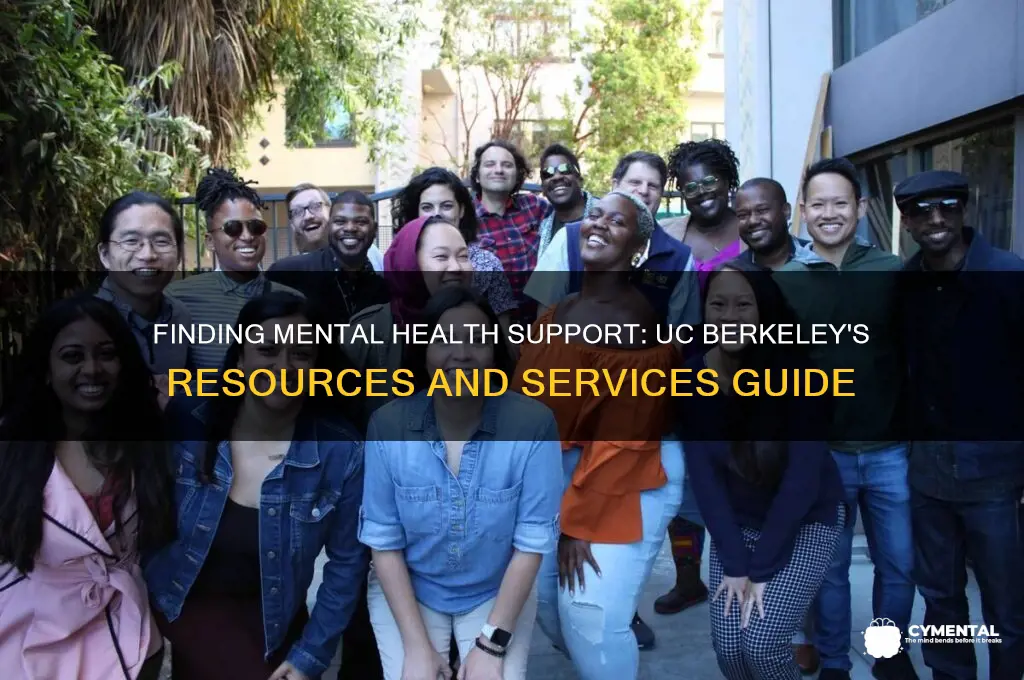
At UC Berkeley, students seeking mental health support have access to a variety of resources designed to address their emotional and psychological well-being. The University Health Services (UHS) offers counseling and psychological services, including individual therapy, group counseling, and crisis intervention, provided by licensed professionals. Additionally, the Tang Center serves as a hub for mental health care, offering appointments with psychiatrists and psychologists. For those in need of immediate assistance, the 24/7 After-Hours Crisis Line is available. Beyond UHS, students can explore campus organizations like the Mental Health Peer Support Collective, which fosters community and peer-to-peer support, or seek guidance from academic advisors and faculty who can provide referrals. UC Berkeley also collaborates with external providers through insurance plans to ensure students have comprehensive options for mental health care.
| Characteristics | Values |
|---|---|
| Counseling and Psychological Services (CAPS) | Located in the Tang Center, offers individual counseling, group therapy, crisis intervention, and workshops. |
| Hours of Operation | Monday–Friday, 8:00 AM–5:00 PM (varies by service). |
| Contact Information | Phone: (510) 642-9494, Email: [email protected]. |
| Crisis Support | 24/7 crisis line: (510) 643-2005. |
| Telehealth Services | Available for remote counseling sessions. |
| Specialized Services | Cultural/identity-specific counseling, LGBTQ+ support, and more. |
| Workshops and Groups | Regularly scheduled groups for stress management, mindfulness, etc. |
| Eligibility | Open to all UC Berkeley students. |
| Cost | Covered by student health fees; no additional charge for most services. |
| Location | 2222 Bancroft Way, Berkeley, CA 94720 (Tang Center). |
| Website | CAPS at UC Berkeley |
| Additional Resources | Let’s Talk drop-in consultations, self-help resources, and referrals. |
Explore related products


What You'll Learn

Counseling and Psychological Services (CAPS)
At UC Berkeley, Counseling and Psychological Services (CAPS) stands as a cornerstone for students navigating mental health challenges. Located in the Tang Center, CAPS offers a range of services tailored to the diverse needs of the student body. From individual counseling to group therapy sessions, the center provides evidence-based interventions designed to address issues such as anxiety, depression, and academic stress. Notably, CAPS operates on a short-term therapy model, typically offering up to 10 sessions per academic year, with extensions possible based on clinical need. This structured approach ensures students receive timely support while being guided toward long-term coping strategies.
One of the standout features of CAPS is its accessibility. Students can schedule an initial triage appointment by calling or walking in, ensuring immediate access to professional help. During this 30-minute session, a counselor assesses the student’s needs and recommends appropriate services, which may include individual therapy, group workshops, or referrals to off-campus resources. For urgent situations, CAPS offers same-day crisis appointments, providing a critical safety net for students in distress. Additionally, the center’s after-hours support line connects students to trained professionals when the center is closed, ensuring continuous care.
CAPS also prioritizes inclusivity, offering specialized services for marginalized communities. For instance, the center provides culturally sensitive counseling, LGBTQ+ support groups, and programs addressing racial trauma. These targeted initiatives acknowledge the unique mental health challenges faced by different student populations, fostering a more equitable and supportive environment. Furthermore, CAPS collaborates with campus organizations to host workshops and events that promote mental health awareness and stigma reduction, empowering students to seek help proactively.
While CAPS is a vital resource, it’s important to recognize its limitations. The short-term therapy model may not suit students requiring long-term treatment, in which case CAPS counselors assist with referrals to external providers. Students should also be aware of the center’s high demand during peak times, such as midterms and finals, which may result in longer wait times for non-urgent appointments. To maximize the benefits of CAPS, students are encouraged to engage early, attend consistently, and communicate openly with their counselors about their needs and goals.
In conclusion, CAPS at UC Berkeley offers a comprehensive, accessible, and inclusive framework for student mental health support. By combining immediate crisis intervention with structured therapy and community outreach, the center addresses both acute and chronic mental health concerns. While it may not be a one-size-fits-all solution, CAPS remains an invaluable resource for students seeking guidance, healing, and resilience during their academic journey.
Breaking Silence: How Open Conversations Heal Mental Health Struggles
You may want to see also
Explore related products




Student Health Services Mental Health
At UC Berkeley, Student Health Services (SHS) Mental Health stands as a cornerstone for students navigating the complexities of mental well-being. This on-campus resource offers a comprehensive suite of services tailored to the unique challenges faced by college students, from academic stress to personal crises. Understanding how to access and utilize these services can be transformative for students seeking support.
Initial Steps to Access Care: To begin, students can schedule an intake appointment by calling SHS or using the online portal. During this 30-minute session, a mental health professional assesses the student’s needs, discusses treatment options, and develops a care plan. This could include short-term individual therapy, group therapy, or referrals to specialized providers. Notably, SHS operates on a sliding fee scale, ensuring affordability for all students, regardless of insurance status.
Specialized Programs and Services: SHS Mental Health goes beyond traditional therapy by offering targeted programs. For instance, the *Let’s Talk* program provides informal, drop-in consultations for students who want to discuss concerns without committing to formal therapy. Additionally, the *Mental Health Peer Support Program* connects students with trained peers for guidance and solidarity. For those with severe or persistent mental health issues, SHS collaborates with off-campus providers to ensure continuity of care, though this may involve additional costs.
Crisis Support and After-Hours Assistance: In moments of acute distress, SHS offers crisis intervention services during business hours. For after-hours emergencies, students can contact the 24/7 crisis line at (510) 643-2005. This immediate access to support is critical for addressing urgent mental health needs, such as suicidal ideation or severe anxiety.
Limitations and Considerations: While SHS Mental Health is a robust resource, it’s important to recognize its limitations. Short-term therapy sessions are capped, typically ranging from 6 to 12 sessions per academic year, which may not suffice for long-term treatment. Students with chronic conditions or complex needs may require external providers, and SHS can assist with referrals. Additionally, wait times for non-urgent appointments can vary, so early outreach is advisable.
In summary, Student Health Services Mental Health at UC Berkeley offers a multifaceted approach to mental health care, blending accessibility, affordability, and specialized support. By understanding its structure and services, students can proactively address their mental health needs and thrive in their academic and personal lives.
Do Mental Hospitals Truly Aid Recovery and Healing?
You may want to see also
Explore related products
$10.99 $18.99



Peer Support Programs
At UC Berkeley, peer support programs offer a unique avenue for mental health assistance, leveraging the power of shared experiences to foster connection and understanding. These programs are designed to complement professional services, providing a more informal yet highly effective form of support. Unlike traditional therapy, peer support is grounded in mutuality, where individuals with lived experience offer guidance, empathy, and practical strategies to their peers. This approach can be particularly appealing to students who may feel hesitant to seek formal counseling but still desire a safe space to express their struggles.
One standout example is the BearPals program, which pairs trained student volunteers with their peers for one-on-one support. Sessions typically last 45–60 minutes and focus on active listening, goal-setting, and resource sharing. BearPals is not a substitute for therapy but rather a supplement, offering a relatable perspective that can make mental health conversations feel less intimidating. For instance, a student dealing with academic stress might find it easier to open up to someone who has navigated similar challenges, gaining both emotional relief and practical advice on time management or campus resources.
While peer support programs are accessible and inclusive, they are not a one-size-fits-all solution. It’s crucial to recognize their limitations. Peer supporters are not trained therapists and cannot provide diagnoses or crisis intervention. If a student discloses severe symptoms, such as suicidal ideation, the peer supporter is ethically obligated to refer them to professional services like the University Health Services (UHS) or the Counseling and Psychological Services (CAPS). This boundary ensures safety while still allowing the program to serve its intended purpose.
Implementing peer support into your mental health toolkit requires intentionality. Start by identifying specific areas where you feel a peer’s perspective could be most beneficial—whether it’s managing anxiety, adjusting to campus life, or coping with homesickness. Next, research available programs at UC Berkeley, such as the Mental Health Peers or Cal Peer Counseling, and attend an initial session to gauge the fit. Consistency is key; regular engagement, such as weekly meetings, can deepen the connection and maximize the program’s benefits. Finally, remain open to combining peer support with other resources, like group therapy or mindfulness workshops, for a holistic approach to well-being.
The beauty of peer support lies in its ability to humanize mental health struggles, reminding participants that they are not alone. By fostering a culture of empathy and shared resilience, these programs empower students to support one another while also encouraging professional help-seeking when needed. For UC Berkeley students, peer support is not just a resource—it’s a community, a reminder that in the face of adversity, we are stronger together.
Financial Aid Options for Mental Health Support in Adulthood
You may want to see also
Explore related products


Campus Crisis Resources
UC Berkeley recognizes that crises don't adhere to a 9-to-5 schedule. That's why their 24/7 Crisis Line (510-643-2005) is a cornerstone of their Campus Crisis Resources. This confidential service connects students with trained counselors who can provide immediate support during moments of acute distress. Whether you're grappling with overwhelming anxiety, suicidal thoughts, or the aftermath of a traumatic event, the Crisis Line offers a lifeline, guiding you through the storm and connecting you with further resources if needed.
Remember, reaching out is a sign of strength, not weakness.
Beyond the Crisis Line, UC Berkeley offers Tang Center's After-Hours Advice Nurse (877-797-8336). This service, available when the Tang Center is closed, provides medical advice and can help you determine if your situation requires immediate attention. While not specifically focused on mental health crises, the Advice Nurse can assess your symptoms and guide you towards appropriate resources, including emergency services if necessary.
Think of them as a triage system, helping you navigate the often confusing landscape of healthcare options during vulnerable moments.
For situations requiring in-person intervention, CAPSS (Counseling and Psychological Services) Crisis Walk-In Hours provide a vital safety net. During designated hours, students experiencing acute distress can walk into CAPSS without an appointment and receive immediate attention from a mental health professional. This service is particularly valuable for those who find it difficult to articulate their needs over the phone or prefer face-to-face interaction during a crisis.
Finally, Tele-Bear (510-643-7197) offers a unique blend of accessibility and anonymity. This 24/7 peer-run crisis line is staffed by UC Berkeley students who have received extensive training in active listening and crisis intervention. Talking to a peer can sometimes feel less intimidating than speaking with a professional, making Tele-Bear a valuable resource for students who may be hesitant to seek traditional help. Remember, these resources are not mutually exclusive. You can utilize multiple services depending on your needs and comfort level. The key is to reach out – UC Berkeley's Campus Crisis Resources are here to support you through even the darkest times.
Work's Impact: How Employment Influences Mental Health and Well-Being
You may want to see also
Explore related products

$9.79 $17.99



Mental Health Workshops & Groups
UC Berkeley offers a variety of mental health workshops and groups designed to support students in navigating academic and personal challenges. These programs are often facilitated by trained professionals from the University Health Services (UHS) and the Counseling and Psychological Services (CAPS), ensuring a safe and supportive environment. Workshops typically cover topics such as stress management, mindfulness, and resilience-building, while groups focus on specific issues like anxiety, depression, or cultural identity. Participation is free for enrolled students, making these resources accessible to those seeking structured support beyond individual counseling.
One standout offering is the Stress Management Workshop Series, which meets weekly for six sessions. Each session introduces practical techniques, such as progressive muscle relaxation and cognitive reframing, to help students cope with academic pressure. Attendees receive handouts with exercises to practice between sessions, reinforcing skills over time. For those preferring peer-led environments, the Let’s Talk Groups provide drop-in discussions facilitated by CAPS staff. These groups are ideal for students who want to explore mental health topics without the commitment of a structured workshop.
Comparatively, Identity-Based Support Groups cater to students from specific communities, such as LGBTQ+, international students, or first-generation college attendees. These groups foster a sense of belonging while addressing unique stressors. For instance, the International Student Support Group meets biweekly to discuss challenges like cultural adjustment and visa-related anxiety. Such groups combine emotional support with practical advice, creating a dual-purpose space for healing and resource-sharing.
When considering which workshop or group to join, assess your needs and schedule. Structured workshops are best for learning specific skills, while groups offer ongoing support and community. Be mindful of group dynamics; some students may prefer the anonymity of larger workshops, while others thrive in smaller, more intimate settings. CAPS also offers Screening Days where students can meet briefly with a counselor to determine the best fit for their needs.
To maximize benefits, attend consistently and engage actively. Workshops often include homework or reflection prompts, so allocate time to practice techniques outside of sessions. For groups, arrive open-minded and respectful of others’ experiences. Remember, these programs are not a substitute for individual therapy but can complement it by providing additional tools and connections. By participating, you invest in your mental well-being and join a community of students prioritizing the same.
Supporting Rape Survivors: Mental Healing and Recovery Strategies
You may want to see also
Frequently asked questions
UC Berkeley offers a range of mental health resources, including the University Health Services (UHS) Counseling and Psychological Services (CAPS), which provides individual counseling, group therapy, crisis support, and workshops. Additionally, the Tang Center offers medical and mental health services, and the Basic Needs Center provides support for students facing food or housing insecurity, which can impact mental health.
To schedule an appointment with CAPS, you can call (510) 642-9494 or visit the CAPS office in person at the Tang Center. First-time visitors will complete an initial consultation to determine the best course of treatment, which may include individual therapy, group sessions, or referrals to other resources.
Yes, UC Berkeley students have access to free or low-cost mental health services through CAPS, which is included in student health fees. Additionally, the Tang Center offers medical and mental health services at reduced rates. Students can also explore community resources, such as the Berkeley Free Clinic or local nonprofits, for additional support.