Madison Cole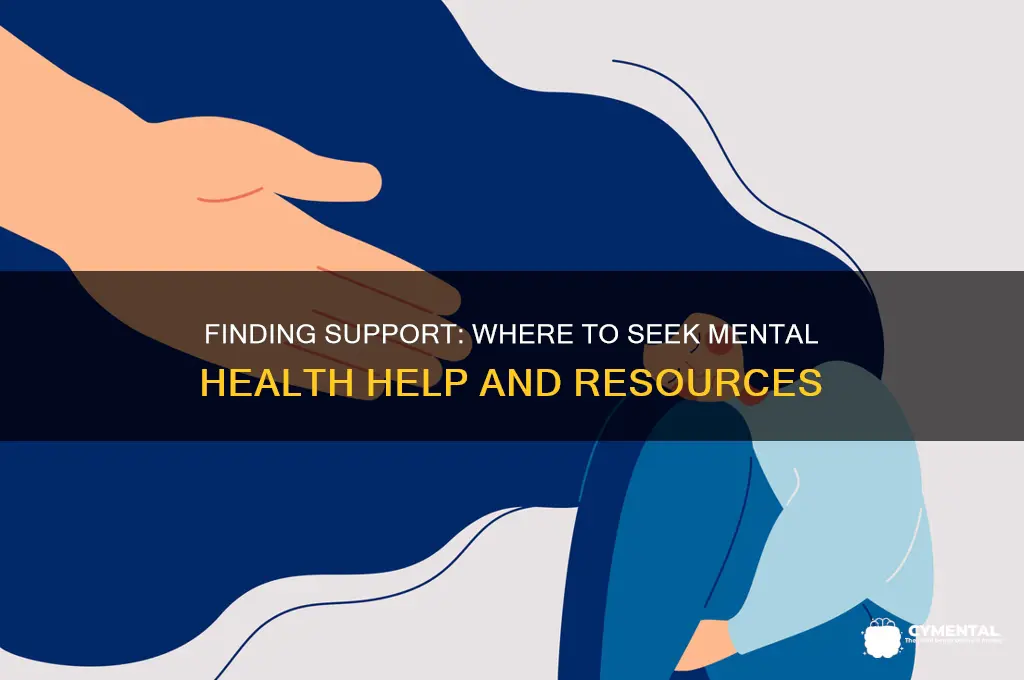
Seeking help for mental health is a crucial step toward well-being, and there are numerous resources available to support individuals in their journey. People can start by consulting primary care physicians or general practitioners, who can provide initial assessments and referrals to mental health specialists such as psychiatrists, psychologists, or therapists. Community mental health centers often offer affordable or sliding-scale services, making care accessible to a broader population. Online platforms and telehealth services have also become valuable options, connecting individuals with licensed professionals remotely. Support groups, both in-person and virtual, provide peer-to-peer assistance and a sense of community. Additionally, national helplines, such as the National Alliance on Mental Illness (NAMI) or Crisis Text Line, offer immediate support and guidance. Educational institutions, workplaces, and religious organizations may also have counseling services or employee assistance programs. Recognizing the importance of reaching out and utilizing these resources can significantly improve mental health outcomes.
Explore related products


What You'll Learn
- Primary Care Physicians: Initial consultation for mental health concerns, referrals to specialists
- Therapists/Counselors: Licensed professionals offering talk therapy, CBT, and other modalities
- Psychiatrists: Medical doctors specializing in mental health, prescribe medication if needed
- Support Groups: Peer-led or facilitated groups for shared experiences and coping strategies
- Crisis Hotlines: Immediate support for urgent mental health crises, available 24/7

Primary Care Physicians: Initial consultation for mental health concerns, referrals to specialists
Primary care physicians (PCPs) often serve as the first point of contact for individuals seeking help with mental health concerns. Their role is pivotal in early detection, initial management, and appropriate referrals, making them a critical gateway to specialized care. For instance, a patient experiencing persistent anxiety or depression symptoms might visit their PCP for a routine checkup, only to have these issues identified during the consultation. This initial interaction can be life-changing, as PCPs are trained to recognize the signs of mental health disorders and initiate a conversation that many patients might otherwise avoid.
The process typically begins with a comprehensive assessment. PCPs evaluate symptoms, medical history, and potential triggers, often using standardized tools like the PHQ-9 for depression or GAD-7 for anxiety. For example, a 35-year-old patient reporting sleep disturbances, fatigue, and loss of interest in activities might score high on the PHQ-9, prompting the PCP to explore further. This step is crucial, as misdiagnosis or delayed treatment can exacerbate mental health conditions. PCPs may also screen for comorbidities, such as thyroid disorders or vitamin deficiencies, which can mimic mental health symptoms.
Once a mental health concern is identified, PCPs can provide initial interventions tailored to the patient’s needs. This might include prescribing low-dose antidepressants like sertraline (25–50 mg/day) for mild to moderate depression or recommending lifestyle changes such as regular exercise and improved sleep hygiene. However, their role extends beyond treatment initiation. PCPs are well-positioned to monitor progress and adjust care plans, ensuring patients receive ongoing support. For instance, a follow-up appointment every 4–6 weeks allows the PCP to assess medication efficacy and side effects, making necessary adjustments before referring to a specialist.
Referrals to specialists are a key component of a PCP’s role in mental health care. When symptoms are severe, complex, or unresponsive to initial interventions, PCPs can connect patients with psychiatrists, psychologists, or therapists. For example, a patient with treatment-resistant depression might be referred to a psychiatrist for advanced treatments like transcranial magnetic stimulation (TMS). PCPs also facilitate access to multidisciplinary teams, ensuring holistic care. Practical tips for patients include asking their PCP for a detailed referral plan, including expected wait times and what to expect during specialist consultations.
In conclusion, PCPs play an indispensable role in addressing mental health concerns, offering initial consultations, evidence-based interventions, and strategic referrals. Their accessibility and familiarity with patients’ medical histories make them uniquely suited to bridge the gap between primary care and specialized mental health services. By leveraging their expertise, patients can navigate the often complex mental health care system more effectively, receiving timely and appropriate support.
Mastering Mental Math: Strategies to Solve Problems Efficiently and Accurately
You may want to see also
Explore related products


Therapists/Counselors: Licensed professionals offering talk therapy, CBT, and other modalities
Therapists and counselors are licensed professionals trained to provide a range of mental health services, from talk therapy to evidence-based modalities like Cognitive Behavioral Therapy (CBT). These practitioners hold degrees in psychology, counseling, or social work and are certified by state or national boards, ensuring they meet rigorous standards of care. Unlike self-help resources or peer support, therapists offer structured, personalized treatment plans tailored to individual needs, making them a cornerstone of professional mental health support.
Consider the process of engaging with a therapist as a collaborative journey. During initial sessions, the therapist assesses your concerns, identifies underlying patterns, and recommends specific modalities. For instance, CBT is often used for anxiety and depression, focusing on identifying and changing negative thought patterns. Other approaches, like dialectical behavior therapy (DBT) or mindfulness-based therapies, may be suggested based on your unique situation. Sessions typically last 45–60 minutes and occur weekly or biweekly, though frequency can vary depending on severity and goals.
Choosing the right therapist is crucial for effective treatment. Start by verifying their credentials—ensure they are licensed in your state and specialize in your area of concern. Many therapists offer free consultations, allowing you to gauge their approach and whether you feel comfortable working with them. Practical tips include checking their availability, fees, and whether they accept insurance. Online directories like Psychology Today or TherapyDen can help filter therapists by location, modality, and cost, streamlining your search.
While therapists provide structured support, it’s important to manage expectations. Therapy is not a quick fix but a gradual process requiring active participation. Be prepared to engage in self-reflection, practice new skills outside sessions, and communicate openly with your therapist. If you feel the approach isn’t working, discuss it—therapists are trained to adapt methods or refer you to a better fit. Remember, the goal is progress, not perfection, and finding the right therapist can make all the difference.
Boost Mental Alertness to Prevent Injuries and Stay Safe
You may want to see also
Explore related products





Psychiatrists: Medical doctors specializing in mental health, prescribe medication if needed
Psychiatrists are medical doctors who specialize in mental health, offering a unique blend of expertise in both physical and psychological well-being. Unlike therapists or counselors, psychiatrists complete medical school and residency training, enabling them to diagnose and treat mental health conditions from a holistic perspective. This medical background is crucial because mental health issues often intersect with physical health—for example, depression can exacerbate chronic illnesses like diabetes, and vice versa. When seeking help, understanding this distinction ensures you receive care tailored to both your mind and body.
One of the most significant advantages of consulting a psychiatrist is their ability to prescribe medication when necessary. Medication can be a vital tool in managing conditions like severe depression, bipolar disorder, schizophrenia, or anxiety disorders. For instance, selective serotonin reuptake inhibitors (SSRIs) are commonly prescribed for depression and anxiety, often starting at a low dose (e.g., 10 mg of fluoxetine) and adjusted based on response and side effects. Psychiatrists carefully monitor these adjustments, ensuring the medication is effective and well-tolerated. This pharmacological expertise sets them apart from other mental health professionals who focus primarily on talk therapy.
However, medication is not always the first or only solution. Psychiatrists often adopt a multifaceted approach, combining medication with psychotherapy or lifestyle recommendations. For example, a psychiatrist might prescribe an antidepressant while also suggesting cognitive-behavioral therapy (CBT) to address underlying thought patterns. This integrated approach is particularly beneficial for complex cases, such as treatment-resistant depression or co-occurring disorders. Patients should feel empowered to discuss their preferences and concerns, as psychiatrists aim to collaborate on a treatment plan that aligns with individual needs.
Choosing to see a psychiatrist can be a practical step for those whose mental health symptoms significantly impact daily functioning. For instance, if anxiety prevents you from leaving the house or depression makes it impossible to work, a psychiatrist can provide immediate relief through medication while addressing long-term strategies. It’s also important to note that psychiatrists often work in tandem with other professionals, such as primary care physicians or psychologists, ensuring comprehensive care. If you’re unsure whether a psychiatrist is the right fit, start by assessing the severity of your symptoms and whether they might require medical intervention.
In summary, psychiatrists offer a specialized pathway to mental health treatment, particularly for those who may benefit from medication. Their medical training allows them to address the intricate link between physical and mental health, providing a level of care that goes beyond talk therapy. Whether you’re dealing with a chronic condition or a recent onset of symptoms, consulting a psychiatrist can be a proactive step toward recovery. Remember, seeking help is a sign of strength, and psychiatrists are equipped to guide you through the process with both compassion and expertise.
Social Media's Positive Impact: Boosting Youth Mental Health and Well-being
You may want to see also
Explore related products

$14.15 $20

$12.14 $19.99


Support Groups: Peer-led or facilitated groups for shared experiences and coping strategies
Support groups offer a unique form of solace and strength, rooted in the shared humanity of their members. Unlike clinical therapy, these groups are often peer-led or facilitated by individuals with lived experience, creating a space where vulnerability is met with understanding rather than judgment. For instance, groups like Alcoholics Anonymous (AA) or Depression and Bipolar Support Alliance (DBSA) chapters provide structured environments where members exchange coping strategies, celebrate progress, and navigate setbacks together. This model thrives on the principle that those who have walked the path can offer insights that even professionals might miss.
Consider the mechanics of joining such a group. Most support groups are free or low-cost, making them accessible to a wide range of individuals. They often meet weekly, either in-person or virtually, with sessions lasting 60–90 minutes. For example, a peer-led anxiety support group might begin with a check-in, followed by a discussion of a specific coping technique, such as mindfulness or cognitive reframing. Members are encouraged but never pressured to share, fostering a sense of safety. To find a group, start with local community centers, mental health organizations, or online platforms like Meetup or the National Alliance on Mental Illness (NAMI).
One of the most compelling aspects of support groups is their ability to combat isolation, a common symptom of mental health struggles. Research shows that individuals who participate in these groups report reduced feelings of loneliness and increased self-efficacy. For example, a study published in the *Journal of Clinical Psychology* found that participants in peer-led depression groups experienced significant improvements in mood and functioning after just eight weeks. However, it’s crucial to note that support groups are not a replacement for professional treatment but rather a complementary resource. Those with severe symptoms should still seek therapy or medication as needed.
When choosing a support group, consider the facilitator’s approach and the group’s culture. Peer-led groups often feel more informal, with members taking turns guiding discussions, while facilitated groups may follow a more structured curriculum. For instance, a facilitated PTSD group might use trauma-informed practices to ensure safety and prevent retraumatization. Additionally, some groups are tailored to specific demographics, such as LGBTQ+ individuals, veterans, or young adults, ensuring relevance and comfort. Always attend a session or two before committing to ensure it’s the right fit.
Finally, the power of support groups lies in their ability to transform individual struggles into collective resilience. By sharing experiences, members not only gain practical tools but also a sense of belonging. For example, a parent in a peer-led group for caregivers of children with mental illness might learn about local resources while also finding emotional support from others who “get it.” This dual benefit—practical and emotional—makes support groups a vital component of mental health care. Whether you’re seeking guidance, connection, or simply a safe space to be heard, these groups offer a pathway to healing that is both accessible and profoundly human.
Finding Mental Health Support in Texas: A Comprehensive Guide
You may want to see also
Explore related products


Crisis Hotlines: Immediate support for urgent mental health crises, available 24/7
In moments of acute mental distress, crisis hotlines serve as a vital lifeline, offering immediate support when every second counts. These services are designed to de-escalate emergencies, provide emotional grounding, and connect individuals to local resources. Unlike therapy or medication, which require time to arrange or take effect, crisis hotlines are accessible instantly, 24/7, with no appointment needed. A simple phone call or text can link someone to a trained professional who can assess risk, offer coping strategies, and guide next steps, often preventing self-harm or hospitalization.
Consider the mechanics of how these hotlines operate. Most are staffed by volunteers and professionals trained in active listening, crisis intervention, and mental health first aid. For instance, the National Suicide Prevention Lifeline (988 in the U.S.) uses a five-step protocol: answering, assessing, active listening, implying hope, and developing a plan. Text-based services, like Crisis Text Line (741741 in the U.S.), follow a similar framework but adapt communication for written interaction. These protocols ensure consistency and effectiveness, even in high-stress situations. For those hesitant to speak aloud, texting or online chat options provide anonymity and flexibility, lowering barriers to seeking help.
One common misconception is that crisis hotlines are only for suicidal individuals. In reality, they address a wide range of urgent mental health issues, from severe anxiety and panic attacks to psychotic episodes or overwhelming emotional pain. For example, a college student experiencing a panic attack before an exam or a parent struggling with postpartum depression can both find immediate relief through these services. Hotlines also cater to specific populations, such as veterans (Veterans Crisis Line), LGBTQ+ youth (The Trevor Project), or individuals in non-English-speaking communities, ensuring inclusivity and cultural sensitivity.
Practical tips can maximize the effectiveness of these services. First, keep hotline numbers saved in your phone or written down for quick access. If calling feels daunting, prepare a brief script: “I’m in crisis and need help.” For text-based services, be concise but clear about your situation. If you’re helping someone else, stay calm, offer to dial the number for them, and ensure privacy. Remember, hotlines are not a substitute for long-term care but a bridge to stability, often connecting callers to therapists, emergency services, or community programs for ongoing support.
The impact of crisis hotlines extends beyond the call itself. Studies show that individuals who use these services report reduced feelings of hopelessness and increased willingness to seek further help. For instance, a 2021 analysis of the Crisis Text Line found that 80% of texters felt less overwhelmed after their conversation. This immediate relief can be life-saving, but it also fosters trust in mental health systems, encouraging individuals to pursue therapy, medication, or other interventions. In a world where mental health crises are increasingly common, these hotlines are not just a resource—they’re a necessity, proving that help is always within reach.
Phy Ed's Impact: Boosting Children's Mental Health and Well-being
You may want to see also
Frequently asked questions
You can seek professional help from licensed therapists, psychologists, psychiatrists, or counselors. These professionals can be found through local clinics, hospitals, private practices, or online therapy platforms.
Yes, many organizations offer free or low-cost mental health services. Examples include community health centers, non-profit organizations, crisis hotlines (e.g., the National Suicide Prevention Lifeline), and government-funded programs like Medicaid or local mental health agencies.
Absolutely. Teletherapy, online counseling platforms, and mental health apps provide remote support. Additionally, support groups, helplines, and peer-led communities can offer assistance without in-person visits.